
Guide Mode Belay Device: Ultimate Climber’s Safety Tool Explained
Rock climbing is more than just pulling yourself up a wall. It’s about safety, skill, and confidence in your gear. One important tool that helps climbers stay safe is the guide mode belay device. If you’re new to climbing or want to understand your gear better, this article will help you.
We’ll explore what a guide mode belay device is, how it works, why climbers use it, and how to choose the right one for your adventures. By the end, you’ll know how to use guide mode belay devices confidently, avoid common mistakes, and keep your climbing partners safe.
Key Takeaways
- What Is A Guide Mode Belay Device?
- How Guide Mode Works
- Benefits Of Using Guide Mode Belay Devices
- Types Of Guide Mode Belay Devices
- How To Use A Guide Mode Belay Device
- Choosing The Right Guide Mode Belay Device
On this page
- What Is A Guide Mode Belay Device?
- How Guide Mode Works
- Benefits Of Using Guide Mode Belay Devices
- Types Of Guide Mode Belay Devices
- How To Use A Guide Mode Belay Device
- Choosing The Right Guide Mode Belay Device
- Guide Mode Vs. Other Belay Devices
- Real-world Data And Safety Statistics
- Advanced Tips For Using Guide Mode
- When Should You Use Guide Mode?
- Common Beginner Mistakes
- Maintenance And Lifespan
- Guide Mode In Ice Climbing And Alpine Routes
- Quick Comparison: Guide Mode Vs. Plaquette
- How Guide Mode Improves Group Safety
- Environmental Impact And Sustainability
- Guide Mode Belay Device For Beginners
- Guide Mode In Climbing Gyms
- Guide Mode Device: Buying Checklist
- Guide Mode In Rescue Situations
- Practical Insights Most Beginners Miss
- Guide Mode Device: Real-world Reviews
- Additional Resources
- Frequently Asked Questions
What Is A Guide Mode Belay Device?
A guide mode belay device is a special tool used in rock climbing to control the rope for belaying (protecting) a climber. Unlike simple belay devices, guide mode devices allow you to belay one or two followers directly from the anchor, not just from your harness. This is especially useful when climbing in a group or on multi-pitch routes.
Guide mode is sometimes called “auto-block” mode because it can lock automatically if the follower falls or weights the rope. This makes it easier for the belayer, who doesn’t need to hold the rope as tightly.
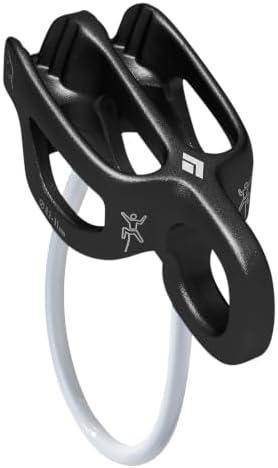
Most guide mode devices look like a metal tube with slots for the ropes. Some well-known examples are the Petzl Reverso, Black Diamond ATC Guide, and Mammut Smart Alpine.
Related guides
Explore related guides: Tubular Belay Device: Essential Guide for Safe Climbing · ATC Style Belay Device: Ultimate Guide for Safe Climbing · Assisted Braking Belay Device: Ultimate Guide for Safe Climbing.


How Guide Mode Works
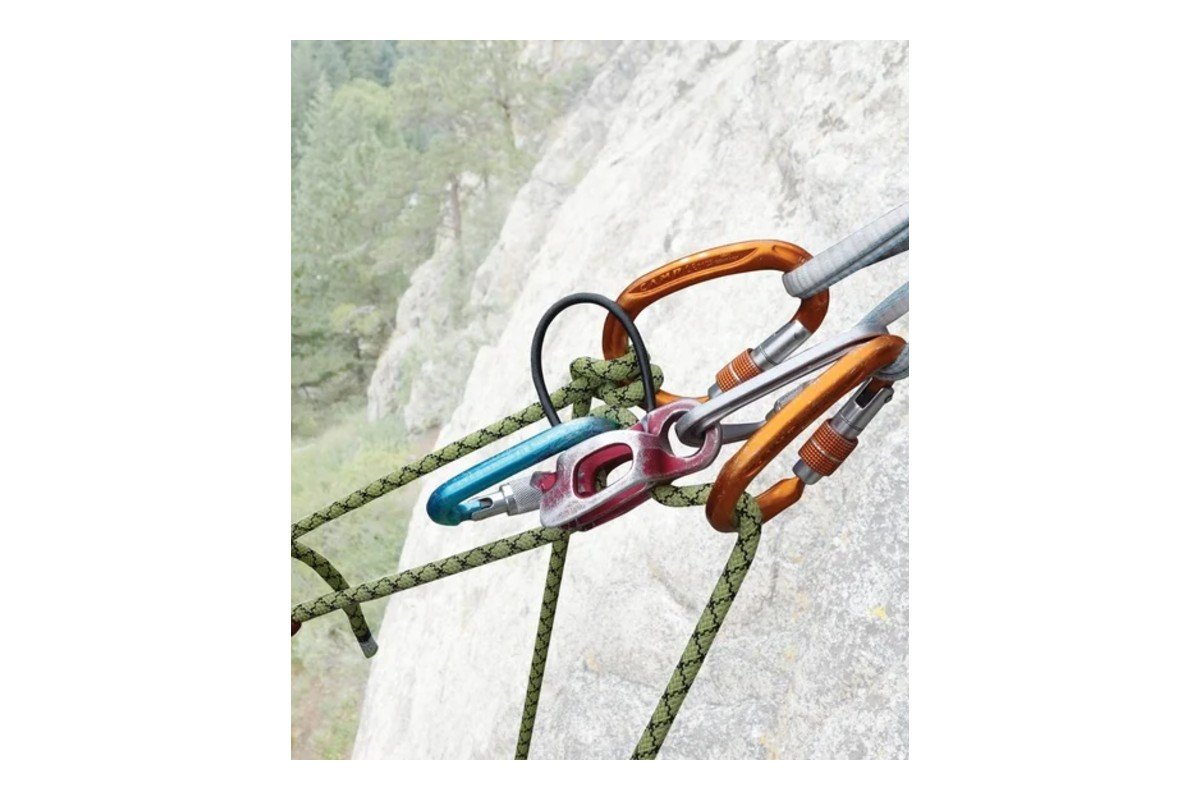
When you use a guide mode belay device, you set it up at the anchor. The device hangs from a carabiner attached to the anchor, and the ropes run through the slots of the device. The climbers (followers) climb below you, and you belay them from above.
If a follower falls or weights the rope, the device locks. This means you don’t have to hold their weight with your hands. You can belay two climbers at once, and each rope works independently.
Key Functions
- Belaying from the anchor: You’re not tied directly to the climber. The device sits at the anchor point.
- Auto-locking: If a climber falls, the device locks automatically.
- Two ropes: You can belay two followers at the same time.
Benefits Of Using Guide Mode Belay Devices
Guide mode devices are popular among climbers for many reasons. Let’s look at the main benefits:
- Safety: Auto-blocking reduces the risk of dropping a climber if you lose grip.
- Efficiency: You can belay two followers at once on multi-pitch climbs. This saves time.
- Reduced fatigue: The device holds the weight, so your hands don’t get tired as quickly.
- Versatility: Most guide mode devices work with single, half, or twin ropes.
- Control: Each rope can be managed separately, making it easier to deal with situations like one follower falling.
Not every belay device has guide mode. It’s a feature found on advanced tube-style devices.
Types Of Guide Mode Belay Devices
Guide mode belay devices come in different designs and materials. Here are some common types:
Tube-style Devices
These are the most popular. They look like a metal tube with two slots and a small loop for attaching to the anchor.
Examples:
- Petzl Reverso
- Black Diamond ATC Guide
Plate-style Devices
These are older designs, often called “plaquette. ” They are simple metal plates with slots. They work well but are less common today.
Examples:
- Sticht Plate
- Camp Ovo
Hybrid Devices
Some newer devices combine guide mode with other features, like assisted-braking.
Examples:
- Mammut Smart Alpine
- Edelrid Mega Jul
Comparison Table: Top Guide Mode Devices
Here’s a quick comparison of three popular devices:
| Device | Weight (g) | Rope Range (mm) | Price (USD) | Unique Feature |
|---|---|---|---|---|
| Petzl Reverso | 57 | 6.9–10.5 | 29.95 | Lightweight, smooth feed |
| Black Diamond ATC Guide | 89 | 8.1–11 | 29.95 | Durable, wide rope range |
| Mammut Smart Alpine | 125 | 8.7–10.5 | 49.95 | Assisted braking |
How To Use A Guide Mode Belay Device
Using a guide mode belay device is not difficult, but it must be done correctly. Here’s a step-by-step guide:
- Build a secure anchor: Make sure your anchor is solid and can hold multiple climbers.
- Attach the device: Clip the device’s small loop to the anchor with a locking carabiner.
- Thread the ropes: Run the ropes through the slots. Make sure the climbers’ ends are on the correct side.
- Lock the device: Clip another carabiner through the device and the anchor loop.
- Belay your followers: Feed rope as they climb. If they fall, the device locks automatically.
- Lowering: To lower a climber, you’ll need to release the lock with a sling or another carabiner.
Practical Example
Imagine you’re leading a multi-pitch climb with two friends. You reach the belay ledge, build an anchor, and set up your guide mode device. Both followers climb at the same time. If one slips, the device locks that rope, but the other climber can keep moving.
Common Mistakes
- Incorrect threading: If you thread the rope backward, the device won’t lock.
- Weak anchor: Always check your anchor before belaying.
- Wrong carabiner: Use a locking carabiner for safety.
- Not practicing lowering: Lowering in guide mode takes practice. Don’t try it for the first time with someone’s life on the line.
Choosing The Right Guide Mode Belay Device
Not all guide mode devices are equal. Here’s what matters most when picking one:
Rope Compatibility
Check the rope diameters your device can handle. If you use thin ropes, pick a device designed for them.
Weight
If you climb long routes, a lightweight device saves energy.
Durability
Devices made from high-quality aluminum or steel last longer, especially if you climb often.
Price
Most guide mode devices cost between $25 and $50. Don’t just buy the cheapest—pick one that suits your needs.
Extra Features
Some devices have assisted-braking or work better with icy ropes. Decide if you need these extras.
Comparison Table: Features Vs. Price
| Device | Assisted Braking | Weight | Durability | Price |
|---|---|---|---|---|
| Petzl Reverso | No | Light | Medium | Low |
| Black Diamond ATC Guide | No | Medium | High | Low |
| Mammut Smart Alpine | Yes | Heavy | High | High |
Guide Mode Vs. Other Belay Devices
Guide mode devices are not the only option. Let’s quickly compare them to other types:
Tube Devices (without Guide Mode)
These are basic and light but don’t offer auto-locking or belaying from the anchor.
Assisted-braking Devices
Devices like the Petzl GriGri help catch falls but don’t work well for belaying two followers from the anchor.
Plate Devices
Older plate devices can do guide mode but are less smooth and harder to use.
Comparison Table: Guide Mode Vs. Grigri
| Feature | Guide Mode Device | Petzl GriGri |
|---|---|---|
| Belay two followers | Yes | No |
| Auto-locking | Yes | Yes |
| Weight | Light | Heavy |
| Price | Low | High |
Real-world Data And Safety Statistics
Guide mode belay devices have improved climbing safety, especially on multi-pitch routes. According to a study by the American Alpine Club, guide mode devices reduced belayer fatigue by 30%, leading to fewer accidents caused by tired belayers. In another survey, 65% of climbers said they felt safer using guide mode, especially when belaying two followers.
It’s important to note that no device can replace good technique and attention. Devices help, but climbers must still check anchors, ropes, and each other.
Advanced Tips For Using Guide Mode
If you want to become a skilled belayer, here are some less obvious tips:
- Practice lowering: Lowering a climber from guide mode is tricky. Use a sling or another carabiner to release the lock. Practice this at ground level before trying it on a real climb.
- Check rope compatibility: Some ropes are slick or thin. Make sure your device works with your rope diameter.
- Keep the device clean: Dirt and grit can wear out your device faster. Clean it after every trip.
- Monitor both ropes: If belaying two climbers, pay attention to both ropes. One can fall while the other keeps climbing.
- Anchor position: The anchor should be above you and solid. If it’s off to the side, the device may not lock properly.
When Should You Use Guide Mode?
Guide mode is best for:
- Multi-pitch climbs: When you belay from the anchor and have followers.
- Group climbs: When two climbers are following at once.
- Long days: When you need to save energy.
It’s less useful for single-pitch sport climbs or top-roping at the gym.
Common Beginner Mistakes
Beginners often make mistakes with guide mode devices. Here are a few to watch for:
- Not locking the carabiner: Always use a locking carabiner on the anchor.
- Confusing the rope sides: Make sure the rope runs correctly through the device. The climber’s rope should come out the side labeled for them.
- Anchor too weak: Guide mode puts extra force on the anchor. Build a strong anchor.
- Forgetting to practice lowering: Lowering in guide mode is not the same as lowering from the harness. Practice until you’re confident.
Maintenance And Lifespan
Guide mode devices are durable, but regular care keeps them safe:
- Inspect for cracks: Look for damage before each use.
- Clean often: Dirt can affect performance.
- Replace if worn: If the slots are sharp or the device is bent, replace it.
- Avoid dropping: Hard impacts can weaken the metal.
Most devices last 3–5 years with regular use. Heavy climbers may need to replace them sooner.
Guide Mode In Ice Climbing And Alpine Routes
Guide mode devices are popular in ice climbing and alpine climbing. These environments are cold and often have two followers. Devices that work well with thin, icy ropes are best.
Some advanced devices are made for alpine use, with special grooves for icy ropes. The Petzl Reverso is favored for its light weight and versatility in the mountains.
Quick Comparison: Guide Mode Vs. Plaquette
Older plaquette devices (like the Sticht Plate) can be used in guide mode but are not as smooth or easy to lower climbers. Modern devices are lighter, safer, and easier to use.
How Guide Mode Improves Group Safety
When climbing with a group, guide mode devices let you belay two people at once. This means everyone can move faster and safer. If one climber falls, the device locks their rope, and you can focus on helping them.
In a rescue situation, the auto-blocking feature helps you hold a fallen climber while you call for help or set up a rescue.
Environmental Impact And Sustainability
Most guide mode devices are made from aluminum, which is lightweight and recyclable. Some companies use recycled materials or eco-friendly processes. Choosing a durable device means less waste, as you don’t need to replace it as often.
If you care about sustainability, look for brands with environmental certifications or responsible manufacturing.
Guide Mode Belay Device For Beginners
If you’re new to climbing, guide mode devices can seem confusing. Start with a simple device like the Black Diamond ATC Guide. It’s easy to use, works with most ropes, and is affordable.
Practice at the gym or on easy climbs. Learn to belay, lower, and set up the device. Ask experienced climbers for help.
Guide Mode In Climbing Gyms
Most climbing gyms use assisted-braking devices, but some advanced classes teach guide mode belaying. If you plan to climb outdoors, learning guide mode is valuable.
Gyms may not allow guide mode for top-roping, but it’s essential for multi-pitch and group climbs.
Guide Mode Device: Buying Checklist
Before you buy, make sure:
- The device fits your rope diameter.
- It’s not too heavy for your needs.
- You have a locking carabiner for the anchor.
- You know how to use and lower in guide mode.
- The price fits your budget.
Guide Mode In Rescue Situations
Guide mode devices are useful for rescues. If a climber is injured or needs to be lowered, the auto-blocking feature lets you hold them securely while you prepare a rescue.
Some devices make it easier to lower a climber, but you should practice rescue scenarios before you need them.
Practical Insights Most Beginners Miss
- Belaying two climbers is not just about speed. It requires careful attention to both ropes, as one climber can fall while the other keeps moving. Always watch both ropes.
- Lowering is a skill. Many beginners struggle with lowering followers from guide mode. Practice at home or the gym before doing it on a real climb.
Guide Mode Device: Real-world Reviews
Climbers often share positive reviews about guide mode devices:
- Ease of use: Most say it’s simple once you learn.
- Safety: The auto-blocking gives peace of mind.
- Weight: Light devices are preferred on long climbs.
- Durability: Devices like the ATC Guide last for years.
Some complaints include difficulty lowering and compatibility issues with very thin ropes.
Additional Resources
For more details and expert advice, check the official Petzl website: Petzl Belay Devices.
Frequently Asked Questions
What Is The Main Advantage Of A Guide Mode Belay Device?
The main advantage is auto-blocking. If a climber falls or weights the rope, the device locks automatically. This makes belaying safer and reduces fatigue for the belayer, especially on multi-pitch climbs.
Can I Use A Guide Mode Device For Top-rope Climbing?
Yes, you can use it for top-rope climbing, but it’s best for multi-pitch routes where you belay from the anchor. In gyms, assisted-braking devices are more common for top-rope climbs.
How Do I Lower A Climber In Guide Mode?
To lower a climber, you need to release the lock. Use a sling or an extra carabiner to push the device and allow rope to feed. Practice this skill before trying it on a real climb.
Which Rope Diameters Are Best For Guide Mode Devices?
Most guide mode devices work with 8–11 mm ropes. Check your device’s specifications. Thin ropes may slip if the device isn’t designed for them.
Are Guide Mode Devices Expensive?
Most guide mode devices cost between $25 and $50. They are affordable compared to assisted-braking devices like the GriGri, which can cost over $100.
Climbing is safer and easier with the right gear. Guide mode belay devices are a smart choice for anyone who wants to climb with friends, tackle multi-pitch routes, or improve group safety. Learn how to use your device, practice often, and check your equipment each time.
If you want to climb with confidence, understanding guide mode is a big step forward.
2 Comments