
Gym Rope: Boost Your Strength and Endurance Fast
Key Takeaways
- What Is A Gym Rope?
- Benefits Of Using Gym Rope
- Main Types Of Gym Ropes Explained
- How To Choose The Right Gym Rope
- Key Exercises With Gym Rope
- Sample Gym Rope Workouts
On this page
- What Is A Gym Rope?
- Benefits Of Using Gym Rope
- Main Types Of Gym Ropes Explained
- How To Choose The Right Gym Rope
- Key Exercises With Gym Rope
- Sample Gym Rope Workouts
- Comparing Gym Ropes: Data And Features
- How To Set Up Gym Rope At Home
- Common Mistakes And How To Avoid Them
- Who Should Use Gym Rope?
- Advanced Gym Rope Techniques
- Gym Rope Vs Other Training Tools
- How To Care For Your Gym Rope
- Gym Rope For Sports And Activities
- Gym Rope And Weight Loss
- Tips For Beginners
- Popular Brands And Where To Buy
- Frequently Asked Questions
Recommended Products for Gym Ropes


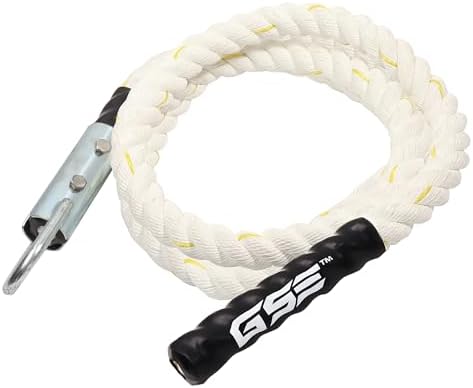


Gym Rope: A Complete Guide To This Essential Fitness Tool
The gym rope is one of the most underestimated tools in the fitness world. Many people walk past it in the gym, not realizing its power to transform a workout. But behind its simple look, the gym rope is a tool that can build strength, boost endurance, and add variety to almost any exercise routine.
Whether you’re a beginner or a seasoned athlete, learning how to use the gym rope the right way can bring fast results—and more fun—to your workouts.
If you want a stronger grip, better coordination, or total body conditioning, the gym rope can deliver. With so many types and uses, it’s easy to get confused. This guide will help you understand everything about the gym rope—from types and benefits, to exercises, safety, and buying tips.
Let’s explore why this humble piece of equipment deserves a place in your fitness journey.
What Is A Gym Rope?
A gym rope is a strong, flexible rope designed for fitness training. It comes in different lengths, thicknesses, and materials, each suited for specific exercises. Gym ropes are sometimes called battle ropes, climbing ropes, jump ropes, or conditioning ropes, depending on their use.
Most gym ropes are made from durable fibers like poly dacron, manila, or nylon. They’re designed to handle high tension and repeated use. Some ropes are thick and heavy for building strength; others are lighter and made for speed or coordination.
Common Types Of Gym Ropes
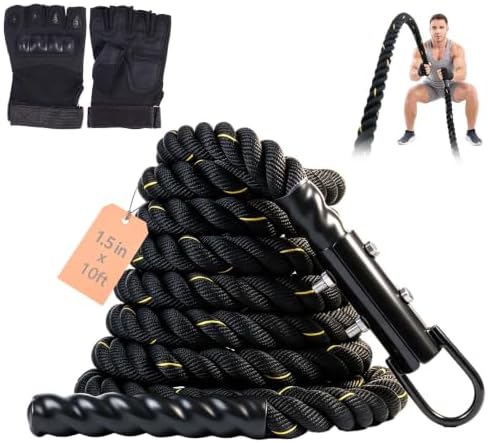
- Battle ropes: Heavy ropes used for dynamic movement and cardio.
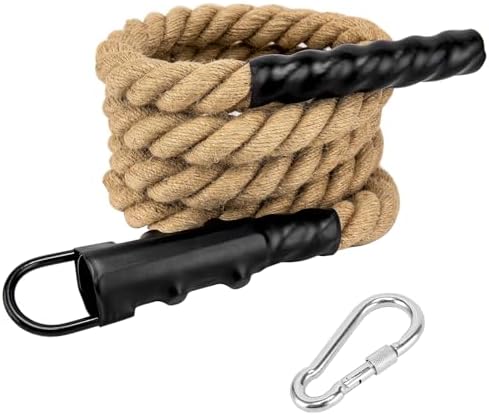
- Climbing ropes: Long, strong ropes for climbing and upper body strength.
- Jump ropes: Lightweight ropes for speed, agility, and cardio.
- Triceps ropes: Short ropes for cable machines, targeting arms and shoulders.
- Speed ropes: Fast, thin ropes for quick rotations and advanced jumping.
Each type serves a different training purpose. Choosing the right one depends on your goals, gym setup, and experience.
Benefits Of Using Gym Rope
Adding the gym rope to your workouts can change the way you train. Here’s why so many athletes and coaches recommend it:
1. Full-body Workout
Unlike machines that isolate muscles, gym rope exercises activate many muscle groups at once. For example, battle ropes work the shoulders, arms, core, and legs together. Climbing ropes challenge your grip, back, and coordination—all at the same time.
2. Improves Cardio And Strength
Using the gym rope raises your heart rate fast. Even short sessions can burn calories and improve cardiovascular health. At the same time, the resistance from the rope builds muscle strength—especially in the upper body.
3. Boosts Grip And Forearm Power
Few tools build grip strength like a gym rope. Whether you’re climbing or battling, your hands and forearms must hold on tight. This helps in sports, daily activities, and lifts like deadlifts or pull-ups.
4. Increases Core Stability
Every gym rope exercise requires a strong, stable core. You need to balance your body, resist twisting, and stay upright. Over time, this leads to better posture and a stronger midsection.
5. Time Efficiency
Because gym rope moves use many muscles, you get more results in less time. A 15-minute battle rope workout can burn as many calories as a long jog or bike ride, but also builds strength and power.
6. Adds Variety And Fun
Training with a gym rope breaks the routine. The swinging, slamming, or climbing actions keep workouts interesting and challenging. This variety helps you stay motivated and avoid plateaus.
7. Low Impact On Joints
Many gym rope exercises are easier on the knees and ankles than running or jumping. This makes them suitable for people recovering from injury or looking to reduce joint stress.
Non-obvious insight: Many beginners think gym ropes are only for upper body. In reality, your legs and hips play a huge role in most rope exercises. Proper footwork and leg drive are key for power and balance.
Main Types Of Gym Ropes Explained
To get the most from your training, it’s important to know which gym rope fits your needs. Here’s a closer look at each type:
Battle Ropes
Battle ropes are thick (often 1. 5–2 inches) and heavy (15–50 pounds or more). They’re usually 30–50 feet long. You anchor one end and move the other in waves, slams, or circles.
Best for: Cardio, power, fat loss, and total-body workouts.
Popular exercises: Alternating waves, double slams, side-to-side waves, rope pulls.
Climbing Ropes
Climbing ropes are strong, often made from manila or synthetic fibers. They’re 12–20 feet long and about 1. 5–2 inches thick. They hang from the ceiling or a rig.
Best for: Upper body strength, grip, coordination, obstacle course training.
Popular exercises: Rope climbs (with or without feet), legless climbs, rope holds.
Jump Ropes
Jump ropes are thin, lightweight, and usually 8–10 feet long. They’re used for skipping, speed, or tricks.
Best for: Cardio, agility, footwork, warm-ups.
Popular exercises: Basic skip, double unders, criss-cross, high knees.
Triceps Ropes
These are short, braided ropes with rubber ends, used with cable machines. They target arms, shoulders, and back.
Best for: Isolation exercises (triceps pushdowns, overhead extensions).
Speed Ropes
Speed ropes are thin, with metal cables or lightweight plastic. They’re built for fast rotations and advanced jump rope skills.
Best for: Boxing, CrossFit, advanced cardio routines.
How To Choose The Right Gym Rope
Selecting the right gym rope can be confusing. Here’s what matters:
1. Training Goal
- For fat loss and cardio: Go for battle ropes or jump ropes.
- For strength and power: Choose climbing ropes or heavy battle ropes.
- For arm isolation: Use a triceps rope with a cable machine.
2. Rope Length And Thickness
- Battle ropes: 30–50 feet is standard. Longer ropes are harder.
- Climbing ropes: 15 feet is good for home gyms; 20 feet for commercial gyms.
- Jump ropes: Should reach your armpits when stepping in the middle.
Thicker ropes are harder to grip and swing, which means more strength needed.
3. Material
- Manila: Natural fiber, good grip, can shed fibers.
- Poly dacron: Synthetic, durable, less mess, heavier.
- Nylon: Smooth, light, used in speed ropes.
4. Space And Setup
- Battle ropes need room to swing and an anchor point.
- Climbing ropes need a high ceiling or rig.
- Jump ropes need a flat, open space.
5. Budget
Prices vary widely. A basic jump rope costs $10–$30, while battle ropes can be $50–$200+. Climbing ropes are often $60–$150.
Non-obvious insight: Many people buy the thickest or longest battle rope, thinking “harder is better.” For most, a 1.5-inch, 30–40 foot rope is more versatile and safe, especially for beginners.
Key Exercises With Gym Rope
The gym rope is as versatile as your imagination. Here are some of the most effective exercises, grouped by rope type.
Battle Rope Exercises
- Alternating Waves: Hold both ends, move arms up and down quickly, making waves.
- Double Slams: Lift both ends overhead, slam down hard.
- Side-to-Side Waves: Swing ropes from hip to hip, working core.
- Rope Circles: Move arms in circles, in or out.
- Power Pulls: Pull rope hand-over-hand against anchor.
Climbing Rope Exercises
- Standard Rope Climb: Use hands and feet to climb up and down.
- Legless Rope Climb: Only hands—great for advanced grip and upper body.
- Towel Rows: Hang a towel over the rope and row your body weight.
- Rope Holds: Hang from rope as long as possible for grip endurance.
Jump Rope Exercises
- Basic Jump: Simple two-footed hop.
- Boxer Step: Shift weight side to side.
- Double Unders: Rope passes under feet twice per jump.
- High Knees: Lift knees high with each jump.
- Criss-Cross: Cross arms and jump through loop.
Triceps Rope Exercises
- Triceps Pushdown: Attach to cable, push rope down.
- Overhead Extension: Pull rope over head, extend arms.
- Face Pull: Pull rope towards face, elbows high.
- Hammer Curl: Use rope for biceps curls.
Pro tip: For battle ropes, try “Tabata” style—20 seconds max effort, 10 seconds rest, repeat 8 times. This builds power and burns calories fast.
Sample Gym Rope Workouts
Here are two sample workouts: one for strength, one for cardio.
Full-body Battle Rope Workout (20 Minutes)
- Alternating Waves: 30 seconds
- Rest: 30 seconds
- Double Slams: 30 seconds
- Rest: 30 seconds
- Side-to-Side Waves: 30 seconds
- Rest: 30 seconds
- Rope Circles: 30 seconds
- Rest: 30 seconds
- Repeat 3 more rounds
Rope Climb And Jump Combo (15 Minutes)
- Rope Climb: 3 climbs up and down
- Rest: 1 minute
- Jump Rope (High Knees): 1 minute
- Rest: 1 minute
- Repeat 4 times
Safety tip: Warm up before and cool down after rope workouts. This prevents injury and helps recovery.
Comparing Gym Ropes: Data And Features
When you shop for a gym rope, key specs matter. Here’s a comparison of three popular types:
| Rope Type | Length Range | Thickness | Main Use | Typical Price |
|---|---|---|---|---|
| Battle Rope | 30–50 ft | 1.5–2 in | Cardio & Power | $50–$200 |
| Climbing Rope | 12–20 ft | 1.5–2 in | Strength & Grip | $60–$150 |
| Jump Rope | 8–10 ft | 0.25–0.5 in | Cardio & Agility | $10–$30 |
How To Set Up Gym Rope At Home
Setting up a gym rope at home is easier than you think. Here’s how to do it safely:
For Battle Ropes
- Find a strong anchor point (like a heavy kettlebell, wall bracket, or pole).
- Make sure the rope doesn’t rub against sharp edges.
- Leave enough space for full swings.
For Climbing Ropes
- Secure the rope to a ceiling beam or strong pull-up bar.
- Check the height and test the anchor before climbing.
- Use a mat below for safety.
For Jump Ropes
- Use a flat, open space.
- Avoid rough surfaces to protect the rope.
Important: Always check that your anchor and rope are safe before each workout. Replace ropes that show signs of wear or fraying.
Common Mistakes And How To Avoid Them
Even experienced gym users make errors with gym rope training. Here’s what to watch for:
- Poor Posture: Leaning too far or rounding the back can cause injury. Stand tall, brace your core.
- Wrong Rope Size: Too thick or too long makes exercises less effective and more dangerous.
- Neglecting Lower Body: Don’t just use your arms—drive from your hips and legs.
- Skipping Warm-Up: Cold muscles are more likely to strain.
- Overtraining: Rope workouts are intense. Allow recovery time.
Non-obvious insight: Many people grip the rope too tightly, causing early fatigue. Relax your hands slightly and focus on rhythm, not brute force.
Who Should Use Gym Rope?
Almost anyone can benefit from gym rope training. It’s used by:
- Athletes (for strength and conditioning)
- Runners and boxers (for cardio and agility)
- Weightlifters (for grip and endurance)
- Beginners (for simple, full-body workouts)
- Seniors (for low-impact, safe movements)
However, people with shoulder or hand injuries should check with a medical professional before starting.
Advanced Gym Rope Techniques
Once you master the basics, you can try more challenging moves.
Battle Rope Variations
- Plank Waves: Hold a plank while making rope waves.
- Jump Slams: Add a small jump before each slam.
- Partner Drills: Face a partner and mirror each other’s moves.
Climbing Progressions
- Legless Climbs: Only use your arms.
- Weighted Climbs: Wear a vest for extra challenge.
- Descending Control: Focus on slow, controlled descents.
Jump Rope Challenges
- Triple Unders: Rope passes three times per jump.
- Crossover Double Unders: Cross arms during double unders.
- Speed Intervals: Alternate fast and slow skipping.
Triceps Rope Twists
- Single Arm Pushdowns: Isolate each arm.
- Overhead Rotations: Add a twist at the top for shoulder work.
Gym Rope Vs Other Training Tools
Is the gym rope better than dumbbells, kettlebells, or cardio machines? It depends on your goal. Here’s a quick comparison:
| Training Tool | Main Benefit | Muscle Groups | Cardio Impact | Skill Level |
|---|---|---|---|---|
| Gym Rope | Power & Endurance | Full Body | High | All |
| Dumbbells | Strength & Size | Specific Muscles | Low–Med | All |
| Kettlebells | Explosive Power | Full Body | Med–High | Intermediate+ |
| Cardio Machines | Endurance | Lower Body | High | All |
Key takeaway: The gym rope offers a unique mix of strength, cardio, and grip training. It can be used alone or with other tools for balanced fitness.
How To Care For Your Gym Rope
A gym rope lasts longer with proper care. Here’s how:
- Keep it clean: Wipe after use, especially if used outdoors.
- Store properly: Coil rope loosely and keep dry. Avoid direct sunlight.
- Inspect regularly: Check for fraying, cuts, or weak spots.
- Avoid sharp surfaces: Protect rope from rough concrete or metal edges.
If using a manila rope, expect some shedding. For less mess, choose synthetic options.
Gym Rope For Sports And Activities
Gym ropes are not just for the gym. They’re used in:
- Obstacle course racing: Essential for climbing and grip.
- Boxing and MMA: Jump rope and battle rope for conditioning.
- Functional fitness (CrossFit): Rope climbs, double unders, slams.
- Military and police training: Builds real-world strength.
Many sports now include rope work in their training because it improves explosiveness, endurance, and mental toughness.
Gym Rope And Weight Loss
Can a gym rope help you lose weight? The answer is yes—if you use it right.
- High calorie burn: Battle rope workouts burn 10–15 calories per minute, similar to running.
- Afterburn effect: Intense sessions keep your metabolism high for hours.
- Sustainable: Short, intense workouts are easier to fit into a busy schedule.
Pro tip: Combine rope training with a balanced diet for best results. No equipment can overcome poor eating habits.
Tips For Beginners
If you’re new to gym rope training:
- Start slow: Focus on form, not speed or power.
- Use a lighter rope: Build skill before moving to heavy ropes.
- Mix exercises: Don’t repeat the same move every day.
- Rest as needed: Listen to your body.
- Track progress: Record workouts to see improvement.
Most importantly, don’t get discouraged if you tire quickly at first. Rope training is intense, but your stamina will improve fast.
Popular Brands And Where To Buy
Several brands are known for quality gym ropes:
- Rogue Fitness: Heavy-duty ropes, used in competitions.
- Onnit: Battle ropes and accessories.
- RX Smart Gear: High-quality speed ropes for jumpers.
- Titan Fitness: Affordable, reliable ropes for home gyms.
You can buy gym ropes online, in sporting goods stores, or at specialty fitness shops. Always check reviews and return policies before buying.
For more details on gym rope history and types, visit the Battle Ropes Wikipedia page.
Frequently Asked Questions
What Length Gym Rope Should I Buy?
For battle ropes, 30–40 feet is best for most people. For climbing ropes, 15 feet fits most home gyms. For jump ropes, the handles should reach your armpits when you stand on the middle.
Can I Use Gym Rope If I’m A Beginner?
Yes. Start with lighter ropes and simple exercises. Focus on good posture and short sessions. Increase difficulty as you get stronger.
How Often Should I Train With Gym Rope?
2–4 sessions per week is enough for most people. Allow at least one day between hard rope workouts for muscle recovery.
Is Gym Rope Training Safe For Joints?
Yes, most rope exercises are low-impact. They’re easier on knees and ankles than running. But always warm up, use good form, and avoid overtraining.
What Muscles Does The Gym Rope Work?
Gym ropes work many muscles: shoulders, arms, back, core, and even legs. Different exercises target different groups. For example, battle ropes hit upper body and core, while climbing ropes build grip and back strength.
If you haven’t tried gym rope training yet, now is the time. It’s simple, effective, and can be adapted for any fitness level. With the right rope, plan, and a bit of creativity, you’ll discover new ways to challenge your body and mind—while making every workout more interesting.