
Half Rope Climbing: Essential Tips for Safety and Performance
The world of climbing is filled with specialized gear, and one item that often causes confusion—especially for beginners—is the half rope. Whether you’re planning to climb in the mountains, on icy slopes, or tackle long trad routes, understanding half ropes is essential. This guide breaks down everything you need to know: what half ropes are, how they differ from other ropes, their advantages and limitations, and how to use them safely. Even if you are just starting or have used single ropes all your life, this article will help you see where half ropes fit in the climbing world.
Key Takeaways
- What Is A Half Rope?
- How Half Ropes Work
- Main Differences: Half, Twin, And Single Ropes
- Why Use Half Ropes? Key Advantages
- When To Use Half Ropes
- How To Identify A Half Rope
On this page
- What Is A Half Rope?
- How Half Ropes Work
- Main Differences: Half, Twin, And Single Ropes
- Why Use Half Ropes? Key Advantages
- When To Use Half Ropes
- How To Identify A Half Rope
- Essential Half Rope Techniques
- Common Mistakes With Half Ropes
- Choosing The Right Half Rope
- How To Care For Half Ropes
- Real-world Examples
- Comparing Popular Half Rope Models
- Pros And Cons Of Half Ropes
- Practical Tips For Using Half Ropes
- How Half Ropes Impact Climbing Safety
- Environmental Impact Of Half Ropes
- When Not To Use Half Ropes
- Recent Innovations In Half Rope Design
- Frequently Asked Questions
Recommended Products for Half Ropes



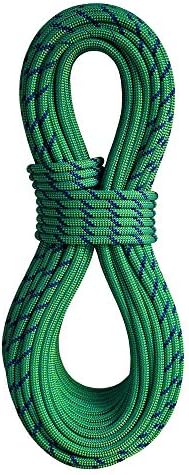


What Is A Half Rope?
A half rope is a type of climbing rope designed to be used as one of a pair. Unlike a single rope (used alone) or twin rope (two ropes clipped together into every piece of gear), half ropes are used in pairs but are clipped independently into different pieces of protection. This method, called double rope technique, gives several advantages for certain climbing situations.
Most half ropes are between 8mm and 9mm in diameter. They are lighter and thinner than single ropes but stronger and more dynamic than twin ropes when used as intended. Each half rope is certified by the UIAA (International Climbing and Mountaineering Federation) to hold several falls when used as a pair, but not on its own.
How Half Ropes Work
The key idea of half ropes is independent rope management. When you climb, you carry two ropes. At each piece of gear, you clip only one of the ropes. Usually, you alternate which rope you clip: left gear gets the left rope, right gear gets the right rope. This reduces rope drag and helps spread the force of a fall across both ropes and multiple pieces of protection.
Example Use Case
Imagine you are leading a wandering trad pitch, with protection placements spread left and right. Clipping one rope to the left-side gear and one to the right-side gear keeps the ropes running more directly, reducing friction and making it easier for the belayer to give or take slack.
Main Differences: Half, Twin, And Single Ropes
Many climbers, especially those new to multi-pitch or alpine climbing, confuse half ropes with other rope types. Here’s a side-by-side comparison for clarity:
| Rope Type | Typical Diameter | Usage | Clipping Method | UIAA Test |
|---|---|---|---|---|
| Single Rope | 8.9–11mm | Used alone | Clip all gear to one rope | Single strand fall rating |
| Half Rope | 8–9mm | Used as a pair | Alternate clips between two ropes | Each rope tested separately, must be used in pair |
| Twin Rope | 7–8mm | Used as a pair | Both ropes clipped into every piece | Both ropes tested together |
Why Use Half Ropes? Key Advantages
Half ropes are not just a niche product—they solve real problems in climbing. Here are the main reasons climbers choose them:
- Reduced Rope Drag: On wandering routes, half ropes let you keep each rope running in a straighter line, reducing friction.
- Longer Rappels: You can tie the two ropes together for rappels, allowing you to descend a full rope length—critical for long routes.
- Redundancy: If one rope is cut by falling rock or sharp edges, the other can still hold a fall. This is an important safety feature in alpine and ice climbing.
- Better Rope Management: Two ropes can make it easier to manage rope lengths when climbing with three people or on complex terrain.
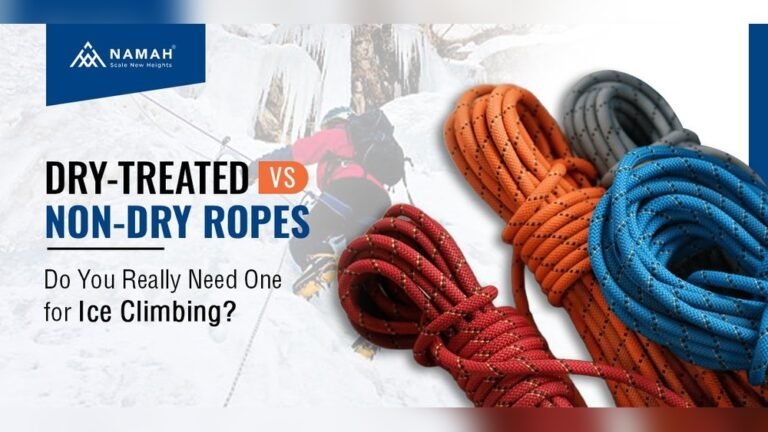
- Ice Climbing: Half ropes are favored for ice climbing because they reduce impact force on gear placements and offer extra security.
Not-so-obvious Insights
- Weight Distribution: Carrying two half ropes splits the load, which can be easier on long approaches if you share the ropes with your partner.
- Belaying Two Seconds: With half ropes, a leader can belay two followers simultaneously, each tied into one rope. This speeds up group movement on multi-pitch climbs.
When To Use Half Ropes
Half ropes are not for every climb. They shine in specific situations:
- Trad Climbing: Especially on multi-pitch routes with wandering gear.
- Alpine Climbing: Where rockfall and sharp edges are a concern.
- Ice and Mixed Climbing: Where gear can be marginal and falls unpredictable.
- Climbing with Three People: Managing two seconds is much easier with half ropes.
However, on straightforward sport climbs or single-pitch routes, a single rope is often simpler and safer for most climbers.
How To Identify A Half Rope
Rope manufacturers use symbols or markings to show what kind of rope you’re buying. Look for the ½ symbol on the rope’s label or in the product description. Some ropes are triple rated, meaning they can be used as single, half, or twin ropes, but most half ropes are only half-rated. Always check the manufacturer’s specifications before use.
Essential Half Rope Techniques
Using half ropes requires learning some new skills. Here are the most important techniques:
Clipping Correctly
- Clip each piece of protection with only one rope, alternating as you go.
- Avoid crossing the ropes behind your legs or body, which can create dangerous tangles in a fall.
- Keep the ropes running as straight as possible to minimize drag.
Rope Management At Belays
- Stack each rope separately at belays to avoid tangles.
- Use rope bags or slings if necessary to keep them organized.
Rappelling With Half Ropes
- Tie the ends together with a flat overhand knot (often called the EDK—European Death Knot) for smooth retrieval.
- Always tie stopper knots in the rope ends to prevent rappelling off the ends by mistake.
Belaying With Half Ropes
- Use a belay device compatible with two ropes, such as a tube-style device (ATC or Reverso).
- Pay attention to which rope you’re feeding, especially if the ropes are different colors.
Common Mistakes With Half Ropes
Even experienced climbers sometimes make mistakes. Here are errors to avoid:
- Clipping both ropes to the same piece (unless the gear is bombproof and you need to equalize a traverse). This can double the impact force.
- Using a single half rope for lead climbing. Half ropes are not rated for single use in falls—they are only safe when used as a pair.
- Mixing half ropes with other rope types. Using a half rope with a twin or single rope can cause uneven stretching and unsafe falls.
- Improper knot choice for rappels. Some knots can roll or slip—stick with the flat overhand for two ropes of similar diameter.
- Not practicing rope management. Tangled ropes at a belay can turn an easy climb into a stressful one.
Choosing The Right Half Rope
Selecting a half rope involves more than just picking the correct diameter. Consider these factors:
Diameter And Weight
Thinner ropes (closer to 8mm) are lighter but may wear out faster and be harder to handle. Thicker half ropes (closer to 9mm) are more durable and easier to grip, especially with gloves.
Dry Treatment
A dry-treated half rope resists water absorption. This is vital for ice, snow, or alpine conditions, where a wet rope can freeze or become dangerously heavy.
Sheath Durability
Check the rope’s sheath percentage—the amount of outer material compared to the core. More sheath means better abrasion resistance, which is useful for rough granite or frequent use.
Length
Half ropes are often sold in 50m, 60m, or even 70m lengths. Longer ropes allow longer pitches and rappels but add weight.
Color
Buy two ropes of different colors. This helps with rope management, especially in poor light or complex terrain.
Price
Half ropes are usually sold individually, so remember you need to buy two. Quality ropes can range from $100–$200 each.
How To Care For Half Ropes
Proper care extends the life and safety of your ropes. Here’s what to do:
- Store in a cool, dry place out of direct sunlight.
- Flake and inspect before every climb for cuts, fuzzy spots, or flat areas.
- Wash with mild soap and water (never bleach or harsh chemicals) if the rope gets dirty.
- Retire the rope if you see core shots, severe abrasion, or after a serious fall.
- Never step on your rope. Dirt and grit can work inside the sheath and cause hidden damage.
Real-world Examples
Let’s look at how half ropes make a difference in actual climbing scenarios.
Example 1: Trad Climbing In The Uk
The famous sea cliffs of Pembroke are known for wandering pitches and sharp limestone. Climbers here almost always use half ropes, clipping left and right placements, to manage drag and reduce the risk of rope damage.
Example 2: Alpine Climbing In The Alps
On a classic alpine route like the Cosmiques Arête near Chamonix, climbers face rock, snow, and sometimes ice. Here, half ropes allow for long rappels and give redundancy in case one rope is cut by falling rock.
Example 3: Ice Climbing In Canada
On frozen waterfalls, screws can sometimes pull out during a fall. Half ropes spread the load and reduce impact force, making placements less likely to fail.
Comparing Popular Half Rope Models
Here’s a look at some widely used half ropes and how they compare:
| Model | Diameter (mm) | Weight (g/m) | Dry Treatment | UIAA Falls |
|---|---|---|---|---|
| Beal Cobra II | 8.6 | 48 | Golden Dry | 16 |
| Petzl Paso Guide | 7.7 | 40 | Duratec Dry | 6 |
| Mammut Genesis | 8.5 | 48 | Dry | 12–13 |
| Edelrid Swift Pro Dry | 8.9 | 52 | Pro Dry | 6 |
Pros And Cons Of Half Ropes
Understanding the main upsides and drawbacks will help you decide if half ropes are right for you.
Pros
- Lower rope drag on wandering routes
- Long rappels without extra cord
- Redundancy for safety on sharp rock or in the mountains
- Greater versatility for parties of three
- Lower impact force on gear—especially important for ice climbing
Cons
- More complex rope management
- Heavier and bulkier than a single rope (if carried by one person)
- Higher cost (must buy two ropes)
- Requires more skill to use safely
- Not ideal for simple single-pitch climbs
Two Key Details Beginners Miss
- Rope Compatibility: Not all belay devices handle thin half ropes well—always test your device with your ropes before serious climbs.
- Rope Stretch: Half ropes stretch more than single ropes. This can affect how far you fall, especially if only one rope is loaded in a fall.
Practical Tips For Using Half Ropes
- Practice at the gym or crag before your first long route. Handling two ropes takes getting used to.
- Always double-check which rope you’re tied into. It’s easy to get mixed up, especially with ropes of similar colors.
- Communicate with your belayer. Make sure they know which rope you’ll be weighting if you fall or hang.
- Consider rope bags or tarps. These help keep ropes organized on belays and reduce tangles.
- Label your ropes with tape or markers to keep track of which is which, especially if you own several pairs.
How Half Ropes Impact Climbing Safety
Half ropes provide extra safety in environments where rockfall, sharp edges, or complex ropework are common. However, their safety benefits only apply if used correctly. Always:
- Use two ropes, not one
- Clip them separately
- Check compatibility with gear and belay devices
For a deeper look at rope ratings and safety tests, visit the UIAA’s official rope standards page.
Environmental Impact Of Half Ropes
Climbing ropes are made from synthetic fibers, typically nylon. While ropes last several years with good care, they eventually need to be retired and disposed of. Some manufacturers, like Edelrid, now offer recycling programs. Storing and cleaning ropes properly extends their life and reduces waste.
When Not To Use Half Ropes
There are situations where half ropes add complexity without real benefit:
- Sport Climbing: Straight routes with closely spaced bolts are best with a single rope.
- Top-Roping: The simplicity of a single rope makes top-roping easier and safer.
- Indoor Climbing: Gyms usually require single ropes for safety and simplicity.
Recent Innovations In Half Rope Design
In the last decade, rope makers have pushed the limits:
- Triple-Rated Ropes: Some ropes are now certified for single, half, and twin use. These are very versatile but may be more expensive.
- Lighter, Stronger Materials: New sheath designs and advanced nylon blends have made ropes lighter without losing strength.
- Better Dry Treatments: Modern dry coatings last longer and keep ropes lighter in wet conditions.
Frequently Asked Questions
What Is The Difference Between Half Ropes And Twin Ropes?
Half ropes are used as a pair but are clipped independently into different pieces of protection, reducing rope drag and increasing safety on wandering routes. Twin ropes are always clipped together into every piece of gear, acting as a single system for redundancy but without the benefit of reduced drag.
Can I Use A Half Rope As A Single Rope?
No. Half ropes are not rated to hold a leader fall by themselves. Using a single half rope for lead climbing is dangerous unless the rope is specifically triple-rated for single use.
How Do I Choose The Right Belay Device For Half Ropes?
Look for a tube-style belay device that is rated for thin ropes (usually down to 7.5mm or 8mm). Check the manufacturer’s guidelines for the minimum and maximum rope diameters. Some assisted-braking devices are not suitable for thin half ropes.
How Long Do Half Ropes Last?
It depends on use. With regular climbing, a half rope may last 2–5 years. Heavy use, frequent falls, or exposure to sharp rock can reduce lifespan. Always inspect your ropes for damage and retire them if in doubt.
Is It Okay To Mix Different Brands Or Diameters Of Half Ropes?
It’s best to use matching ropes—same brand, model, and diameter—for even stretch and consistent handling. Mixing ropes can cause uneven loads and complicate rappels, especially if one rope is much thinner or stretchier.
As you can see, half ropes are a powerful tool in the climber’s kit, offering unique advantages for trad, alpine, and ice climbing. They require more skill and practice than a single rope but reward you with greater safety, flexibility, and efficiency on challenging terrain.
If you climb in environments where rope drag, long rappels, or sharp rock are real concerns, learning to use half ropes is a smart step in your climbing journey.