Gym Rental Shoes: Pros, Cons, and Hygiene Tips
Gym Rental Shoes: Everything You Need to Know Before You Borrow
Walking into a gym, you might notice a rack of clean but well-worn shoes behind the counter. These are gym rental shoes—footwear you can borrow for your workout if you forgot yours, want to try a new activity, or don’t own the right pair. While not as famous as bowling shoe rentals, gym rental shoes are found in many fitness centers, climbing gyms, and specialty studios. But are they a good idea? How do they work? Is it safe and sanitary? Let’s break down everything about gym rental shoes, from practical advice to hidden pitfalls, so you can make an informed choice.
Key Takeaways
- What Are Gym Rental Shoes?
- Why Do Gyms Offer Rental Shoes?
- How Gym Rental Shoes Work
- Types Of Gym Rental Shoes
- Pros Of Using Gym Rental Shoes
- Cons And Risks Of Rental Shoes
On this page
- What Are Gym Rental Shoes?
- Why Do Gyms Offer Rental Shoes?
- How Gym Rental Shoes Work
- Types Of Gym Rental Shoes
- Pros Of Using Gym Rental Shoes
- Cons And Risks Of Rental Shoes
- Hygiene And Safety: What You Need To Know
- Gym Rental Shoes Vs. Buying Your Own: Cost, Comfort, And Value
- Who Should (and Shouldn’t) Use Gym Rental Shoes
- How To Choose The Best Gym Rental Shoes
- How Gyms Manage And Maintain Rental Shoe Programs
- Real User Experiences: What People Say About Gym Rental Shoes
- Costs And Pricing: What To Expect
- Environmental Impact Of Rental Shoes
- Alternatives To Traditional Gym Rental Shoes
- Top Tips For A Great Rental Shoe Experience
- The Future Of Gym Rental Shoes
- Frequently Asked Questions
Recommended Products for Climbing Shoes



What Are Gym Rental Shoes?
Gym rental shoes are temporary-use athletic shoes provided by fitness centers for a small fee or sometimes free. You wear them during your gym session and return them when finished. These shoes are most common in:
- Climbing gyms (rental climbing shoes)
- Spin studios (rental cycling shoes)
- General gyms (training or court shoes for classes)
- Squash, tennis, and badminton courts
Rental shoes help people who forget their footwear, are new to the gym, or want to try an activity before buying special shoes. The range, quality, and cost of rental shoes can vary widely.
Why Do Gyms Offer Rental Shoes?
Gyms offer rental shoes for several reasons:
- Hygiene rules: Some gyms require indoor-only shoes to keep floors clean and safe.
- Beginner access: Newcomers can try activities without buying expensive gear.
- Equipment protection: Proper shoes protect floors and equipment (e.g., cycling pedals, climbing walls).
- Revenue: Shoe rentals can provide a small but steady income for the gym.
Some fitness centers make rentals mandatory for special classes or for safety reasons. For example, cycling studios may require cycling-specific shoes that clip into the bike pedals.
How Gym Rental Shoes Work
The process is simple but varies by gym. Here’s what usually happens:
- Check-in: Ask at the front desk for rental shoes. You’ll need your shoe size.
- Pay a fee: Most gyms charge between $2 and $10 per rental. Some include it in the class fee.
- Get your pair: Staff give you shoes, sometimes with a fresh liner or socks.
- Return: When finished, return the shoes for cleaning and sanitizing.
Many gyms use a sign-out system or hold your ID as a deposit to make sure shoes come back.
Types Of Gym Rental Shoes
Not all rental shoes are the same. Here’s a breakdown of the most common types you might encounter:
| Type | Where Used | Special Features |
|---|---|---|
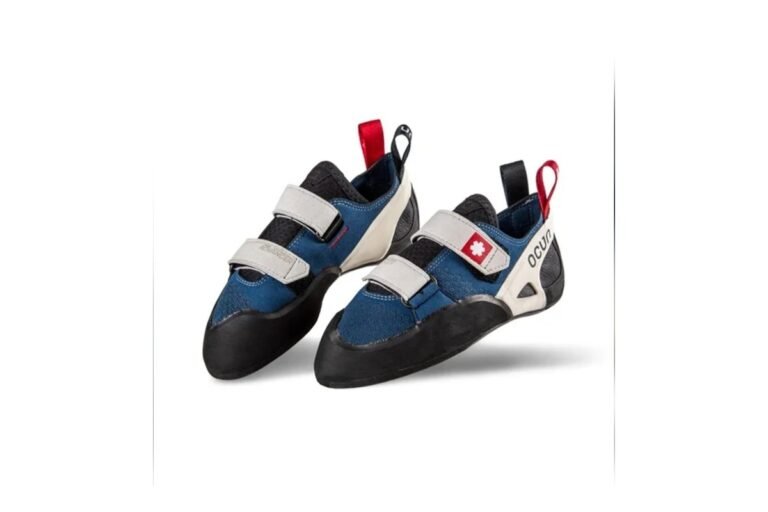
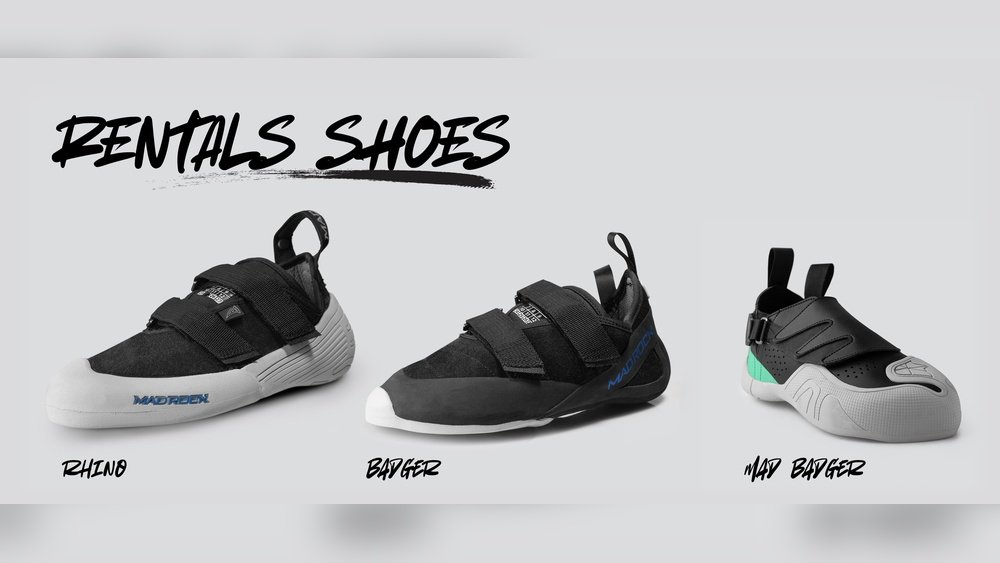
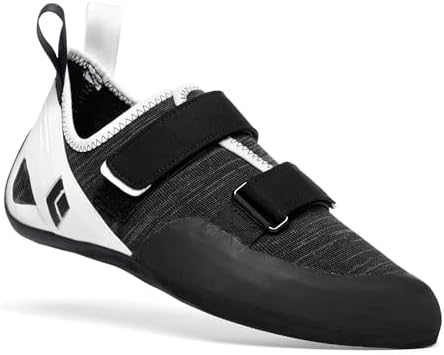
| Climbing shoes | Climbing gyms | Tight fit, sticky rubber soles, velcro or laces |
| Cycling shoes | Spin studios, cycling gyms | Clip-in cleats, stiff soles, secure fit |
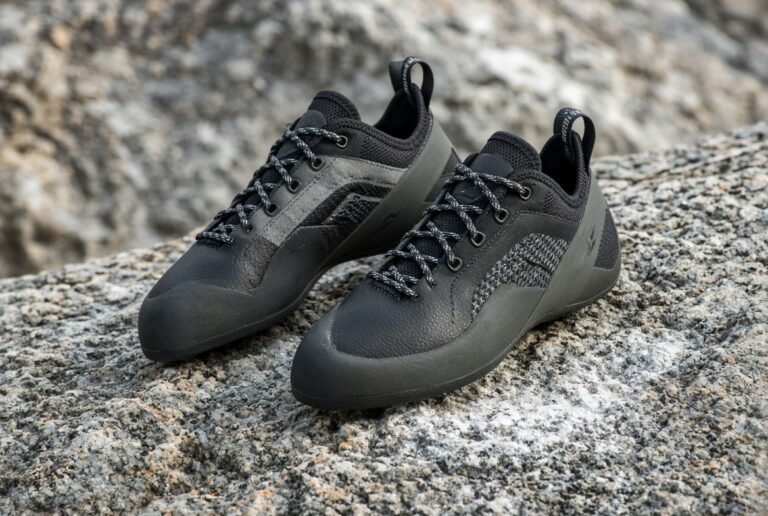
| Training shoes | General gyms, classes | Flat soles, basic cushioning, easy to clean |
| Court shoes | Tennis, squash, badminton courts | Non-marking soles, lateral support |
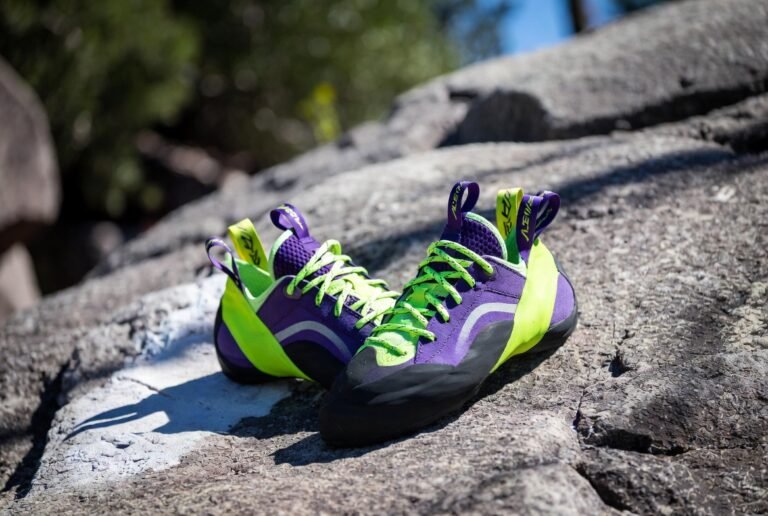
Climbing Shoe Rentals
Climbing gyms usually have a wall of rental shoes in many sizes. These are designed to be snug and help grip tiny holds. A new climber can try the sport without buying shoes, which often cost $80–$150.
Cycling Shoe Rentals
Indoor cycling or spin classes may require special shoes that connect to the bike pedals. Studios usually provide these for a fee, along with instructions on how to use them.
General Training And Court Shoes
Gyms with wood or rubber floors often rent out simple training shoes or court shoes. These may not be as specialized but help protect the gym and your feet.
Pros Of Using Gym Rental Shoes
Why would you use rental shoes instead of your own? Here are some clear advantages:
- Convenience: Forgot your shoes or want to try a class without buying gear? Rentals solve the problem instantly.
- Cost-saving for first-timers: If you’re new to climbing or cycling, trying rental shoes lets you experience the activity before investing in your own.
- Shoe requirements: Some gyms won’t let you use outdoor shoes or the wrong type of sole. Rentals meet their standards.
- Hygiene and maintenance: Good gyms clean rental shoes thoroughly, sometimes better than the average person washes their own.
- Travelers’ relief: On a business trip or vacation, you don’t need to carry bulky shoes—just rent on the spot.
Cons And Risks Of Rental Shoes
While rental shoes are helpful, there are important downsides:
- Fit is rarely perfect: Rental shoes may feel loose or tight. Poor fit can cause blisters, pain, or poor performance.
- Hygiene concerns: Even with cleaning, you’re sharing shoes with strangers. Fungal infections and athlete’s foot are rare but possible.
- Wear and tear: Rental shoes get heavy use. The support and grip may be weaker than new shoes.
- Limited selection: Popular sizes may run out, or the gym may not stock your size.
- Long-term cost: Frequent rentals add up. If you rent often, buying your own shoes makes more sense.
Hygiene And Safety: What You Need To Know
Sanitation is the biggest worry for most people considering gym rental shoes. Good gyms take hygiene seriously, but there are smart ways to protect yourself.
How Gyms Clean Rental Shoes
- Antibacterial sprays: Most gyms spray shoes with disinfectant between uses.
- UV light: Some use UV shoe sanitizers to kill germs and fungi.
- Machine washing: Certain shoes, like training shoes, may be machine-washable.
- Shoe rotation: Shoes are rotated to allow drying between uses.
Ask the gym about their process if you’re worried—they should have a clear answer.
How To Protect Yourself
- Wear socks: Always use clean, long socks with rental shoes. Thin socks are better than none.
- Check the shoe: Inspect for signs of damage, odor, or dampness. Ask for a different pair if you have doubts.
- Foot powder: Some athletes dust their feet with antifungal powder before using rentals.
- Don’t use if you have open wounds: Cuts or blisters can increase the risk of infection.
Pro tip: If you use rentals often, bring your own antibacterial spray or foot powder for extra peace of mind.
Gym Rental Shoes Vs. Buying Your Own: Cost, Comfort, And Value
Is renting really worth it, or should you buy your own shoes? Here’s a quick comparison to help you decide:
| Factor | Rental Shoes | Owned Shoes |
|---|---|---|
| Initial cost | Low ($2–$10 per use) | High ($60–$150 one-time) |
| Long-term cost | High if used often | Lower over time |
| Hygiene | Shared with others | Personal, clean |
| Fit/comfort | Average/varies | Custom fit |
| Convenience | Easy for single use | Best for frequent users |
| Availability | Depends on stock | Always with you |
Non-obvious insight: Many beginners forget to factor in the *time* spent waiting for rental shoes, especially during busy hours. Owning your own pair can save you 5–10 minutes per visit over time.
Who Should (and Shouldn’t) Use Gym Rental Shoes
Good Candidates For Rental Shoes
- First-timers: Trying a new activity for the first time (like climbing or spin class)
- Travelers: Visiting a new city, forgot shoes at home
- Occasional users: Going to the gym or a specific class once in a while
Who Should Buy Their Own
- Regular gym-goers: If you visit more than 2–3 times a month, buying pays off.
- People with foot problems: Custom shoes give better support and reduce injury risk.
- Sensitive to hygiene: If you worry about germs, personal shoes are best.
- Specialty athletes: Climbers, cyclists, and racquet sports players improve faster with their own shoes.
Pro insight: Rental shoes are great for learning what you like. Use rentals to test different types and brands before making a purchase.
How To Choose The Best Gym Rental Shoes
If you must rent, you can still make smart choices for comfort and safety. Here’s how:
- Know your size: Tell staff your true size in US and European measurements. Some shoes fit differently.
- Try several pairs: If possible, try on more than one pair to get the best fit.
- Inspect the shoe: Check soles for grip, inside for tears or dampness, and straps/laces for security.
- Ask about cleaning: Don’t be shy—ask staff how shoes are sanitized.
- Request liners or socks: Some gyms offer thin disposable liners for extra hygiene.
- Return bad pairs immediately: If a shoe feels wrong, don’t force it. Swap for another.
Common mistake: Some users think a looser shoe is safer. In fact, a shoe that’s too loose can cause slips or blisters. Aim for a snug but comfortable fit.
How Gyms Manage And Maintain Rental Shoe Programs
Running a rental shoe program isn’t simple. Here’s how most gyms keep things running smoothly:
- Inventory management: Tracking sizes, checking shoes in and out, keeping stock organized.
- Regular cleaning: Detailed sanitation routines daily or after each use.
- Shoe replacement: Retiring shoes that are too worn or damaged.
- Staff training: Teaching employees to fit shoes properly and answer questions.
- Record-keeping: Some gyms use digital systems to log rentals and returns.
For gyms, the biggest challenges are maintaining hygiene, preventing theft, and ensuring shoes are always available in popular sizes.
Real User Experiences: What People Say About Gym Rental Shoes
To give you a sense of what to expect, here are a few real-world stories:
- Anna (new climber): “I tried climbing for the first time and rented shoes at the gym. They felt weird at first but helped me grip better than sneakers. After three visits, I bought my own.”
- James (business traveler): “Forgot my tennis shoes on a work trip. The gym’s rental pair wasn’t fancy, but it saved my workout.”
- Priya (spin class newbie): “I was nervous about clip-in cycling shoes. The studio staff helped me find my size and showed me how to use them. It felt odd but much smoother than regular sneakers.”
Hidden downside: Some users notice that rental shoes get “softer” over time and lose support, especially in busy gyms. This can affect performance and safety—always check the shoe’s condition.
Costs And Pricing: What To Expect
Rental prices depend on the gym, type of shoe, and location. Here’s a general guide:
- Climbing gyms: $4–$8 per session
- Spin studios: $2–$5 per class (often included in package deals)
- General gyms: $2–$6 per session
- Court shoes: $2–$8 depending on the sport and facility
Some gyms offer free rentals as a trial perk for new members. Others may include the cost in class fees. Always ask before your visit.
Are Rentals Ever Free?
Occasionally, yes. Some gyms offer free rentals during special events, for first-timers, or as part of a package (e. g. , “first climb free, shoes included”).
Environmental Impact Of Rental Shoes
An unexpected benefit of gym rental shoes is their role in reducing waste. Instead of everyone buying and tossing out shoes that don’t fit or aren’t used often, rentals allow shoes to be used fully. Gyms often repair and recycle shoes at the end of their life.
However, cheap rental shoes can wear out faster, creating more waste if not managed well. Some climbing gyms partner with recycling programs to keep old shoes out of landfills.
Tip for eco-conscious users: If you need rental shoes, ask if the gym participates in recycling or donation programs.
Alternatives To Traditional Gym Rental Shoes
If you don’t want to use the gym’s shoes, consider these alternatives:
- Bring “indoor only” shoes: Keep a clean pair in your gym bag for indoor use only.
- Buy used shoes: Some gyms or online stores sell gently used shoes at a discount.
- Shoe covers: For some activities, disposable shoe covers (like those used in hospitals) may be allowed.
- Barefoot training: For yoga or pilates, barefoot is often fine. Some gyms allow barefoot weightlifting with strict rules.
Important note: Never assume you can go barefoot or use outdoor shoes—always ask staff first.
Top Tips For A Great Rental Shoe Experience
Make the most of gym rental shoes with these expert suggestions:
- Book ahead: If you wear a common size or are going during peak hours, call to reserve a pair.
- Bring your own socks: Thick, clean socks add comfort and a barrier against germs.
- Ask about “try before you buy” deals: Some gyms let you apply rental fees toward a new shoe purchase.
- Speak up about fit: Don’t hesitate to ask staff for help with sizing or swapping shoes.
- Track your costs: If you rent more than 10 times, it’s time to invest in your own shoes.
- Wash feet before and after: Good hygiene reduces the risk of picking up or passing on germs.
- Don’t ignore discomfort: Blisters and foot pain are signs the shoes don’t fit well.
- Inspect shoes for damage: Worn soles or broken straps can cause slips or injuries.
Advanced tip: If you have foot problems (high arches, flat feet), consider bringing your own insoles. Some gyms allow you to insert these into rental shoes for better support.
The Future Of Gym Rental Shoes
Technology and customer expectations are changing how gyms manage shoe rentals:
- Self-service kiosks: Some gyms use vending-machine-style lockers for shoe rentals.
- Smart tracking: RFID tags help gyms track usage and maintenance.
- Custom cleaning systems: High-end gyms may use ozone or heat treatments for faster, more thorough sanitation.
- Sustainable materials: Newer rental shoes use recycled or eco-friendly fabrics.
Industry leaders are focusing on better hygiene, fit, and convenience. If you’re curious about innovations in gym gear, follow updates from major gym chains and sports equipment companies.
For more on shoe cleaning technology, you can check resources like Wikipedia.
Frequently Asked Questions
How Clean Are Gym Rental Shoes?
Most gyms use disinfectant sprays, UV light, or machine washing to clean rental shoes after each use. However, cleaning standards vary. Always wear socks, and inspect shoes before use for visible dirt or odor.
Can You Get Athlete’s Foot From Rental Shoes?
While it’s rare, athlete’s foot and fungal infections can spread through shared shoes if hygiene is poor. Reduce your risk by wearing clean socks, using foot powder, and avoiding rentals if you have cuts or blisters.
Are Rental Shoes Safe For All Activities?
Gym rental shoes are generally safe for low- to medium-impact activities like climbing, cycling, and court sports. However, they may not offer the same support as personal shoes, especially for running or heavy weightlifting.
How Much Do Gym Rental Shoes Usually Cost?
Rental prices range from $2 to $10 per session, depending on the gym, location, and type of shoe. Climbing and specialty shoes are usually more expensive than basic training shoes.
How Often Should I Rent Before Buying My Own Shoes?
If you use rental shoes more than 10–12 times per year, consider buying your own. You’ll get better fit, hygiene, and long-term value.
Renting gym shoes is a smart way to try new activities and stay active when you don’t have your own gear. But don’t ignore comfort, hygiene, or long-term value. With a bit of planning, you can use rental shoes safely and make the most of your gym experience—whether you’re just starting out or simply forgot your sneakers today.