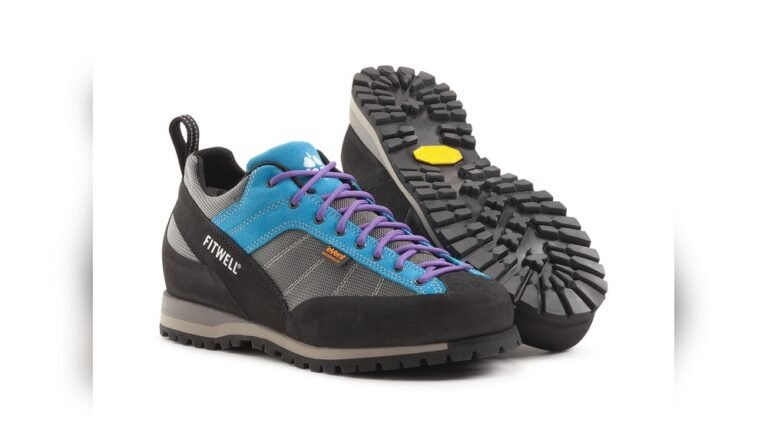

Neutral Climbing Shoes: Find the Perfect Fit for All-Day Comfort
Neutral climbing shoes have become a popular choice for many climbers, especially beginners and those who value comfort over aggressive performance. These shoes offer a relaxed fit that is perfect for long climbing sessions, easier routes, and all-day wear. But understanding what makes a climbing shoe “neutral,” how they compare with other types, and what to look for when buying can be confusing.
Whether you’re new to climbing or simply want a reliable shoe for multiple uses, this guide will help you make an informed choice. Let’s explore everything you need to know about neutral climbing shoes, from design features to buying tips, and even how to care for them.
Key Takeaways
- What Are Neutral Climbing Shoes?
- Key Features Of Neutral Climbing Shoes
- Comparison: Neutral Vs. Aggressive Vs. Moderate Climbing Shoes
- Benefits Of Neutral Climbing Shoes
- How To Choose The Best Neutral Climbing Shoes
- Top Neutral Climbing Shoe Models (2026)
On this page
- What Are Neutral Climbing Shoes?
- Key Features Of Neutral Climbing Shoes
- Comparison: Neutral Vs. Aggressive Vs. Moderate Climbing Shoes
- Benefits Of Neutral Climbing Shoes
- How To Choose The Best Neutral Climbing Shoes
- Top Neutral Climbing Shoe Models (2026)
- How Neutral Climbing Shoes Affect Performance
- Common Mistakes When Buying Neutral Climbing Shoes
- How To Care For Neutral Climbing Shoes
- How To Break In Neutral Climbing Shoes
- Best Practices For Using Neutral Climbing Shoes
- Data: Neutral Climbing Shoes In The Market
- Comparing Durability: Neutral Vs. Aggressive Climbing Shoes
- Real-world Examples: Why Climbers Choose Neutral Shoes
- When To Upgrade From Neutral To Aggressive Shoes
- Environmental Impact Of Neutral Climbing Shoes
- Buying Neutral Climbing Shoes Online Vs. In-store
- Frequently Asked Questions
Recommended Products for Neutral Climbing Shoes
Related guides
Explore related guides: Crack Climbing Shoes: Top Picks for Ultimate Grip and Comfort · Big Wall Comfort Shoes: Ultimate Guide to All-Day Support · Slipper Climbing Shoes: The Ultimate Guide for Grip and Comfort.





What Are Neutral Climbing Shoes?
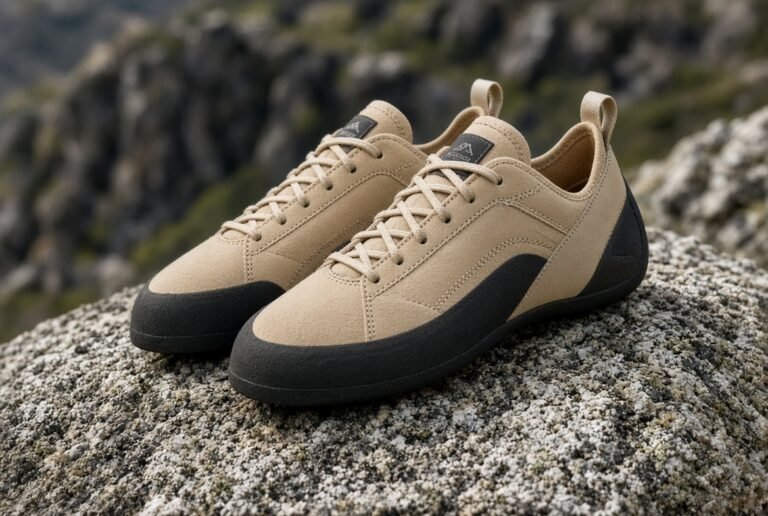
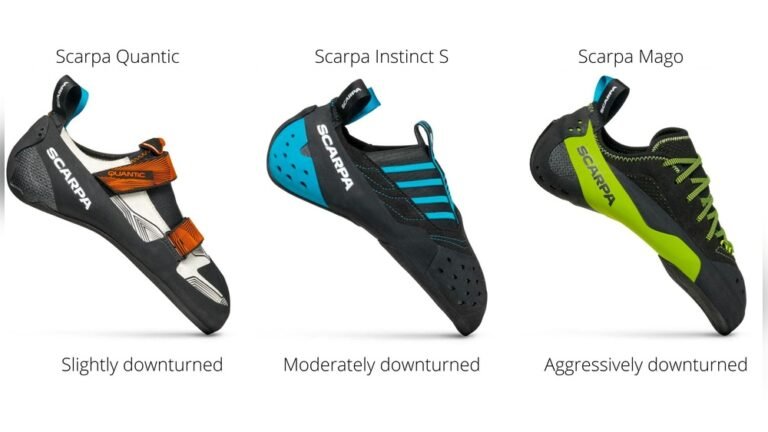
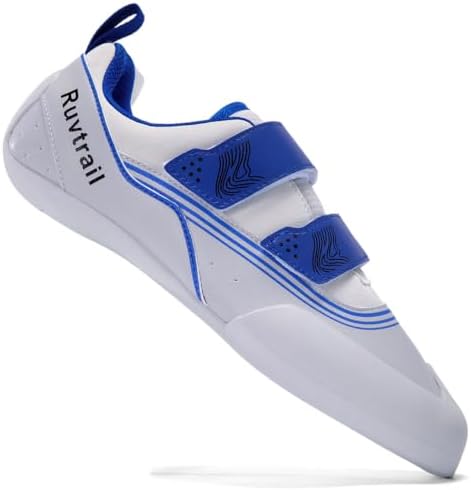
Neutral climbing shoes are designed with comfort and versatility in mind. Unlike aggressive shoes, which have a downturned shape for steep climbs, neutral shoes have a flat profile. This means your foot sits naturally inside the shoe, reducing strain and allowing you to wear them for longer periods.
These shoes typically have:
- Flat soles
- Stiff midsoles
- Roomier toe boxes
- Minimal arch curvature
Because of these features, neutral shoes are ideal for beginner climbers, those doing multi-pitch climbs, and anyone prioritizing comfort.
Who Should Use Neutral Climbing Shoes?
Neutral shoes are best for:
- Beginners: If you’re just starting, these shoes let you focus on technique rather than foot pain.
- Trad climbers: Long climbs require comfortable shoes.
- Casual climbers: Gym sessions, easy outdoor routes, and bouldering at moderate grades are all easier with neutral shoes.
- Older climbers or those with foot problems: The relaxed fit can help avoid injuries.
Even experienced climbers often keep a pair for warm-ups or long routes.
Key Features Of Neutral Climbing Shoes
Understanding the main features of neutral climbing shoes helps you pick the right pair. Let’s look at the most important details.
Flat Profile
The flat shape is the signature of neutral shoes. This makes them comfortable and keeps your foot in a natural position. Unlike aggressive shoes, which force your toes into a curved shape, neutral shoes let your toes relax.
Stiff Sole And Midsole
A stiff sole gives support for standing on small holds, but it also protects your foot from fatigue. Most neutral shoes have a thicker midsole, which is great for beginners who need support.
Roomy Toe Box
Neutral climbing shoes usually have a wider toe box. This means your toes aren’t squished, so you can wear them for hours without pain. It also helps if you have wider feet or problems like bunions.
Durable Materials
Neutral shoes are often made with high-quality leather or synthetic materials. Leather stretches and molds to your foot, while synthetic options keep their shape and dry quickly.
Closure Systems
You’ll find three main types:
- Laces: Allow for a more custom fit, great for adjusting tightness.
- Velcro straps: Easy to take on and off, perfect for gym climbing.
- Slip-ons: Simple, but less adjustable.
Each closure type has pros and cons, but for neutral shoes, laces are most common.
Comparison: Neutral Vs. Aggressive Vs. Moderate Climbing Shoes
To make the best choice, it’s helpful to compare neutral climbing shoes with other types. Here’s a visual comparison:
| Shoe Type | Shape | Best For | Comfort | Price Range |
|---|---|---|---|---|
| Neutral | Flat | Beginner, Trad, All-day | High | $60–$120 |
| Moderate | Slightly Downturned | Sport, Gym | Medium | $80–$150 |
| Aggressive | Strong Downturn | Bouldering, Overhangs | Low | $100–$200+ |
Neutral shoes stand out for their comfort and lower price. Aggressive shoes are more expensive and less comfortable, but they offer better performance on steep, technical routes.
Benefits Of Neutral Climbing Shoes
Choosing neutral climbing shoes brings several advantages, especially if you value comfort and versatility. Let’s break down the main benefits.
Comfortable For Long Sessions
Because the shoe doesn’t force your foot into a tight curve, you can wear it for hours. This is essential for multi-pitch climbs or long gym sessions.
Versatile Use
Neutral shoes work well for:
- Indoor climbing
- Outdoor trad routes
- Beginner bouldering
- Scrambling and hiking
Some climbers even use them for approach walks.
Easy To Size
Since neutral shoes aren’t meant to be painfully tight, sizing is easier. You can buy your street shoe size or go slightly down for a snug fit.
Lower Cost
Most neutral climbing shoes cost less than aggressive models. This makes them accessible for those starting out or buying their first pair.
Durability
Neutral shoes often last longer because the materials aren’t stretched or stressed as much as in aggressive shoes.
How To Choose The Best Neutral Climbing Shoes
Picking the right neutral climbing shoe can feel overwhelming. Here are the main factors to consider:
Fit And Sizing
- Try shoes in person: Your climbing shoe size is often smaller than your street shoe, but neutral shoes can be closer to your regular size.
- Check toe space: Toes should touch the end but not be painfully curled.
- Heel fit: The heel should be snug, but not loose or pinching.
A common mistake: buying too tight. With neutral shoes, comfort is more important than a perfect, ultra-snug fit.
Material
- Leather: Stretches over time, molds to your foot. Needs proper care and can shrink if wet.
- Synthetic: Holds shape, dries fast, but can feel less comfortable.
If you want a shoe that adapts to your foot, leather is best. For hot gyms or frequent washing, synthetic is easier.
Closure Type
- Laces: Offer the most adjustability, ideal for wide or narrow feet.
- Velcro: Quick, but less precise.
- Slip-ons: Simple, but less secure.
Laces are best for trad climbing and all-day comfort. Velcro is good for gym sessions.
Sole Thickness
A thicker sole offers more support and lasts longer. For beginners, a stiff, thick sole is better, but it may reduce sensitivity.
Price
Neutral shoes range from $60 to $120. Higher-priced models may offer better materials or construction, but for casual use, entry-level options are fine.
Weight
Lighter shoes feel better for quick climbs, but heavier shoes are more durable.
Top Neutral Climbing Shoe Models (2026)
Let’s look at some of the most popular neutral climbing shoes available today. Each offers something unique for different types of climbers.
| Model | Material | Closure | Price | Best For |
|---|---|---|---|---|
| La Sportiva Tarantulace | Leather | Laces | $85 | Beginner, Gym |
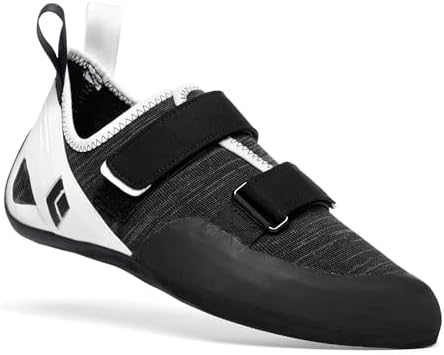
| Black Diamond Momentum | Synthetic | Velcro | $95 | Indoor, All-day |
| Mad Rock Drifter | Leather | Velcro | $65 | Budget, Gym |
| Scarpa Helix | Leather | Laces | $110 | Trad, Comfort |
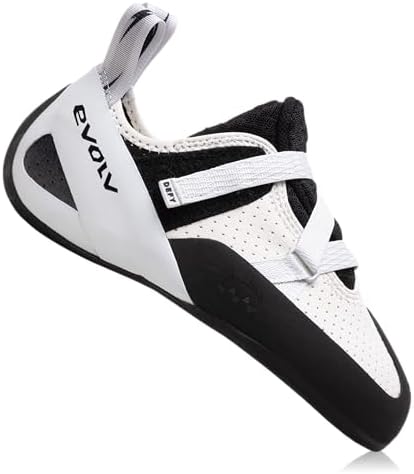
| Evolv Defy | Synthetic | Velcro | $89 | Gym, Beginner |
These models have been rated highly for comfort, durability, and value. If you’re unsure, visit a climbing shop and try on several pairs to see what fits best.
How Neutral Climbing Shoes Affect Performance
Neutral climbing shoes are not the best choice for every situation. They are perfect for comfort and moderate climbs, but less ideal for steep or technical routes.
Where Neutral Shoes Shine
- Slab climbing: The flat profile offers stability.
- Crack climbing: Roomy toe box is great for jamming.
- Beginner climbs: Technique matters more than shoe aggression.
Where They Fall Short
- Overhangs and bouldering: You need a more downturned shoe for toe power.
- Tiny footholds: Sensitivity is less than aggressive shoes.
Despite these limits, neutral shoes help build good technique. Many elite climbers recommend starting with neutral models before moving to aggressive types.
Common Mistakes When Buying Neutral Climbing Shoes
Avoid these frequent errors:
- Choosing too tight a fit: Unlike aggressive shoes, neutral shoes should be comfortable.
- Ignoring closure type: Pick the closure that matches your climbing style.
- Overlooking material: Leather and synthetic behave differently.
- Not testing shoes: Always try shoes with socks you’ll use for climbing.
A non-obvious insight: Some climbers buy aggressive shoes thinking they’ll improve instantly. In reality, starting with neutral shoes helps develop balance and footwork first.
How To Care For Neutral Climbing Shoes
Proper care can extend the life of your climbing shoes by years. Here’s how:
Cleaning
- Wipe after each session: Remove dust and chalk with a damp cloth.
- Wash occasionally: Hand wash with mild soap. Never use a washing machine.
- Dry naturally: Air dry, away from direct sunlight.
Storage
- Keep in a cool, dry place
- Avoid leaving in a hot car
- Stuff with paper to keep shape
Resoling
When the rubber wears out, consider resoling. Neutral shoes are easier to resole than aggressive shoes because their shape doesn’t change much.
Avoiding Odor
- Use shoe spray or baking soda after each session.
- Let shoes air out before storing.
A tip many beginners miss: Don’t dry shoes with heat sources. It can shrink leather and damage adhesives.
How To Break In Neutral Climbing Shoes
Most neutral climbing shoes need a short break-in period, especially leather models.
Steps To Break In
- Wear around the house: Walk in them for 1–2 hours a day.
- Climb easy routes: Start with less demanding climbs.
- Expect slight stretching: Leather shoes may expand half a size.
If shoes feel painful after a week, they may be too small.
Best Practices For Using Neutral Climbing Shoes
To get the most from your neutral shoes:
- Keep toenails trimmed: Prevent discomfort.
- Use thin socks for a looser fit: Some climbers prefer barefoot for a snug feel.
- Check fit regularly: Feet can change shape, especially after long climbs.
Many climbers use neutral shoes for warm-ups and then switch to more aggressive pairs for difficult routes.
Data: Neutral Climbing Shoes In The Market
The popularity of neutral climbing shoes has grown in recent years. According to a 2026 market study, over 60% of new climbers choose neutral shoes as their first pair. This is due to:
- Lower price
- Higher comfort
- Easier sizing
Sales data from major brands show neutral shoes outsell aggressive models among beginners by nearly 2:1. Experienced climbers often own both types, but neutral shoes remain a staple.
Comparing Durability: Neutral Vs. Aggressive Climbing Shoes
Here’s a look at how durability compares across shoe types:
| Shoe Type | Average Lifespan | Resoling Potential | Care Difficulty |
|---|---|---|---|
| Neutral | 18–36 months | High | Easy |
| Aggressive | 12–24 months | Medium | Hard |
| Moderate | 16–32 months | High | Medium |
Neutral shoes usually last longer and are easier to resole, making them a smart investment for frequent climbers.
Real-world Examples: Why Climbers Choose Neutral Shoes
Let’s look at some practical situations:
- Anna, a new climber: Anna chose the La Sportiva Tarantulace. She found the flat profile comfortable, and she could wear them all day at the gym. After six months, her shoes still fit well, and she had no foot pain.
- Mike, a trad climber: Mike uses Scarpa Helix for multi-pitch routes. He values the roomy toe box for crack climbing. He’s had his shoes for two years and plans to resole them soon.
- Sara, a boulderer: Sara started with neutral shoes, then moved to aggressive models as her skills improved. She still uses her neutral shoes for warm-ups and easier climbs.
One non-obvious insight: Many climbers keep their first neutral shoes for years, even after upgrading to advanced models.
When To Upgrade From Neutral To Aggressive Shoes
You may wonder when it’s time to move on from neutral shoes. Here are signs:
- You consistently climb steep, overhanging routes.
- Your footwork is strong, and you want more toe power.
- You feel your neutral shoes slipping on tiny holds.
Even then, many climbers use neutral shoes for comfort or as a backup.
Environmental Impact Of Neutral Climbing Shoes
Most neutral climbing shoes use durable materials that last longer, reducing waste. Some brands now offer eco-friendly options, such as recycled rubber or vegan synthetic uppers.
A practical tip: If you care about sustainability, look for shoes with resoling potential and eco certifications.
Buying Neutral Climbing Shoes Online Vs. In-store
Buying online can save money, but buying in-store helps with sizing. If you buy online:
- Check return policies.
- Read reviews for fit and durability.
- Look for detailed sizing charts.
Buying in-store lets you try different brands and get expert advice.
A mistake beginners make: Trusting brand sizing too much. Each brand fits differently, so always check specific measurements.
Frequently Asked Questions
What Makes A Climbing Shoe “neutral”?
A neutral climbing shoe has a flat sole, relaxed fit, and minimal arch. This allows your foot to sit naturally inside the shoe, making it comfortable for all-day use and beginner routes.
Are Neutral Climbing Shoes Good For Bouldering?
Neutral shoes are fine for beginner bouldering and moderate grades. For steep or technical bouldering, you may need an aggressive shoe with a downturned toe.
How Should Neutral Climbing Shoes Fit?
They should feel snug but not painful. Toes can touch the front, but shouldn’t be curled. The heel should not slip, and the shoe should be comfortable for longer sessions.
Can You Resole Neutral Climbing Shoes?
Yes, most neutral shoes can be resoled. This extends their life and saves money. Choose shoes with thick soles for easier resoling.
Where Can I Find More Information About Climbing Shoe Types?
You can read more about climbing shoes on Wikipedia for detailed explanations and history.
Neutral climbing shoes offer a comfortable, versatile, and affordable entry into the world of climbing. They are perfect for beginners, trad climbers, and anyone who values comfort. With the right fit and care, they can last for years and help you build strong climbing skills.
Whether you’re shopping for your first pair or looking for a reliable shoe for all-day climbs, neutral shoes remain a smart, practical choice. As climbing continues to grow in popularity, neutral shoes will stay a favorite for their comfort and adaptability.