
ATC vs GriGri: Which Belay Device Should You Buy?
Key Takeaways
- Why This Matters
- Types and Categories Explained
- How to Choose the Right Option
- Quick Comparison
- Step-by-Step Guide
- What to Do (and What to Avoid)
On this page
Recommended Products for Belay Devices


Quick Summary
- Choosing your first belay device usually comes down to two names: the classic tube-style ATC and Petzl’s assisted-brakin…
- The quick answer — covered in depth with real-world context.
- What is an ATC? — covered in depth with real-world context.
- What is a GriGri? — covered in depth with real-world context.
- Head to head — covered in depth with real-world context.
- Safety certifications and retirement criteria for belay device explained.
Why This Matters
Choosing your first belay device usually comes down to two names: the classic tube-style ATC and Petzl’s assisted-braking GriGri. They both do the same core job — keep your climber safe — but they go about it very differently, and the right pick depends on how and where you climb.
We don’t test gear ourselves. Instead, we read through what climbers consistently report across reviews, forums, and expert guides, and distilled it into a clear, honest comparison below.
If you mostly climb in the gym or at single-pitch sport crags and want extra peace of mind while belaying and lowering, most climbers point new belayers toward a GriGri. If you want one affordable, lightweight, do-everything device — especially if multi-pitch, rappelling, or trad is in your future — the ATC (or any tube-style device) is the versatile, budget-friendly choice. Plenty of climbers eventually own both.
Types and Categories Explained
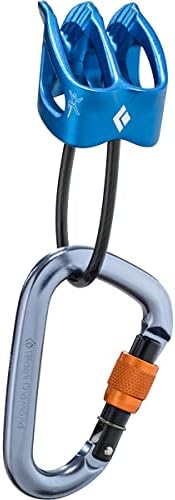
“ATC” is Black Diamond’s name for a tube-style belay device, and it’s become the generic term for the whole category. It’s a simple metal tube with no moving parts: the rope pinches against the carabiner when you pull the brake strand down. It’s light, cheap, works with a wide range of rope diameters, and can rappel on two strands — which is why it’s the standard for multi-pitch and trad climbing.
The trade-off: a tube device has no assisted braking. It relies entirely on the belayer keeping a firm brake hand at all times. There’s nothing wrong with that — it’s how millions of climbers belay safely — but it leaves less margin for a lapse in attention.
The GriGri is Petzl’s assisted-braking device. A cam inside pivots under a sudden load and helps pinch the rope, adding a backup if the belayer is caught off guard. Climbers widely praise how much easier it makes holding a hangdogging climber and lowering smoothly, which is why it’s so popular at sport crags and in gyms.
| Device Type | Key Feature | Best Situation | Standard | Critical Rule |
|---|---|---|---|---|
| Tubular (ATC-style) | No auto-braking, full rope feel | Versatile, top-rope, lead | UIAA 129 | Catch requires active braking hand |
| Assisted-Braking (GriGri) | Camming mechanism engages on fall | Sport, gym, single-pitch | UIAA 129 | Does not replace attentive belaying |
| Guide Mode (ATC Guide) | Locks on fixed anchor for second | Multi-pitch direct belay | UIAA 129 | Release under load requires specific technique |
How to Choose the Right Option
Choosing the right belay device comes down to three things: your climbing style, your current skill level, and the terrain you plan to climb. Get these clear before looking at products.
Two important caveats come up again and again in reviews: a GriGri is not hands-free or “automatic” — you must always keep your brake hand on the rope — and it’s designed for single rope strands within a specific diameter range, so it isn’t suited to standard double-strand rappels.
Price. The ATC wins easily. A tube device typically costs a fraction of a GriGri’s price, which sits in the premium bracket for belay devices. For a beginner on a budget, that gap matters.
Quick Comparison
The table below separates the factors that matter from the ones that are mostly marketing. Use it as a filter, not a ranking.
| Factor | The Marketing Angle | The Reality |
|---|---|---|
| Weight | Heavier builds often more durable — not always safer | Lighter is easier to carry; too light may sacrifice critical padding |
| Certifications | UIAA and CE marks verify independent testing | Brand claims without standard numbers are marketing, not safety data |
| Price Range | Higher cost often reflects materials and R&D, not brand prestige | Budget options can be safe — verify certifications, not price |
| Intended Use | Gear rated for sport climbing may not suit alpine or rescue use | Always match gear to your actual climbing style, not aspirations |
Step-by-Step Guide
Follow this sequence whether you are buying your first belay device or replacing existing kit:
- Define what you need the belay device to do. Indoor vs. outdoor, beginner vs. expert, single-pitch vs. multi-pitch — your use case narrows the shortlist fast.
- Set a realistic budget range. Determine what you can spend without compromising on certification. A safety-certified mid-range product beats an uncertified budget option every time.
- Compare at least three options from the shortlist on the same criteria: weight, certifications, user reviews from verified climbers, and retailer return policy.
- Check fit and compatibility with your existing gear before committing — harness-to-belay device compatibility, rope diameter to device range, shoe sizing conventions by brand.
- Buy from a reputable retailer with a clear returns policy. Counterfeit climbing gear exists on marketplaces — buy from authorised dealers.
- Register your gear if the manufacturer offers recall notifications. Gear recalls in climbing happen — being on the list protects you.
What to Do (and What to Avoid)
These aren’t rules for their own sake. Each one is based on a real failure mode or a common mistake that costs money, performance, or safety.
Do
- Check belay device against the relevant EN or UIAA standard before buying
- Inspect gear before every single session for wear, damage, or deformation
- Match the gear to your actual climbing style and skill level
- Follow the manufacturer’s retirement schedule — not just visible damage
- Ask at your local gear shop if you’re unsure — hands-on advice is free
Don’t
- Buy belay device based on brand name or price alone — certifications matter more
- Ignore minor wear — small damage on safety-critical gear compounds fast
- Lend or borrow personal safety gear without checking its full history
- Use indoor-only gear for outdoor routes without checking the rating
- Skip the manufacturer fit guide — improper fit negates safety design
Performance and Real-World Use
Safety margin. The GriGri’s assisted braking is the headline feature, and owners consistently value the backup it provides — with the firm reminder that it supplements, never replaces, good belay technique.
Learning curve. The ATC is dead simple. The GriGri takes practice: feeding slack smoothly to a fast-clipping leader and lowering at a controlled speed are skills climbers say take a few sessions to master, and rushing them is the most common complaint.
Versatility. The ATC is the all-rounder — wide rope compatibility and double-strand rappelling make it the default for multi-pitch and trad. The GriGri shines in single-pitch and gym settings but is more specialized.
Weight. The ATC is noticeably lighter and smaller, which adds up on long approaches and big routes.
The gap between lab certification and field performance depends heavily on how gear is used and maintained. Gear that is stored correctly, inspected regularly, and matched to its intended use consistently outperforms gear that isn’t — regardless of price tier.
Safety Note
Applicable standards: EN 15151 (braking devices), UIAA 129 (belay devices)
When to retire this gear: Replace after a dropped belay device (drop damage may be invisible), visible groove wear from rope friction, or deformation of the device body.
Immediate red flags: Grooves worn into the device body, sharp edges that could cut rope, any cracking, or a device that has been dropped from height.
If you are unsure whether gear is safe to use, take it to a certified gear shop or contact the manufacturer directly. No guide or review article replaces hands-on inspection by someone who can see and handle the gear.
Frequently Asked Questions
The Verdict
The right belay device makes a genuine difference to safety, comfort, and confidence on the rock. The best choice for you comes down to your climbing style, the terrain you tackle, and how often you climb — not the most expensive option or the loudest marketing.
If you are buying your first belay device, prioritise fit and certification over advanced features you don’t yet need. If you are replacing existing gear, use this guide to identify where your current kit is letting you down and target that gap.