Big Wall Comfort Shoes: Ultimate Guide to All-Day Support
Big wall climbing is not just a sport—it’s a test of endurance, skill, and mental strength. Climbers spend hours, sometimes days, scaling massive cliffs. Every detail matters, but few things are as important as what you put on your feet. That’s where big wall comfort shoes come in. These shoes are designed for long routes, rough rock, and endless standing in uncomfortable places. If you’re new to big wall climbing or thinking about upgrading your gear, understanding comfort shoes is essential.
Many climbers focus only on performance shoes. But big wall climbing is different. You need footwear that won’t destroy your feet after hours of wear. It must balance support, protection, and sensitivity. In this guide, you’ll learn what makes big wall comfort shoes unique, what features to look for, top models, how to choose, and tips to get the most from your shoes.
Let’s explore the world of big wall comfort shoes, so your next climb can be a little easier—and a lot more comfortable.
Key Takeaways
- What Makes Big Wall Comfort Shoes Unique?
- Why Comfort Matters On Big Walls
- Top Features To Look For In Big Wall Comfort Shoes
- The Best Big Wall Comfort Shoes In 2026
- How To Choose The Right Big Wall Comfort Shoes
- Common Mistakes When Buying Big Wall Comfort Shoes
On this page
- What Makes Big Wall Comfort Shoes Unique?
- Why Comfort Matters On Big Walls
- Top Features To Look For In Big Wall Comfort Shoes
- The Best Big Wall Comfort Shoes In 2026
- How To Choose The Right Big Wall Comfort Shoes
- Common Mistakes When Buying Big Wall Comfort Shoes
- Shoe Care Tips For Big Wall Climbers
- Real-world Examples: Comfort Shoes In Action
- Comparing Big Wall Comfort Shoes: Data And Performance
- Tips To Maximize Comfort During Big Wall Climbs
- The Role Of Socks In Big Wall Comfort
- Women’s Big Wall Comfort Shoes
- Resole Services: Extending Shoe Life
- Environmental Impact Of Big Wall Shoes
- Non-obvious Insights: What Beginners Often Miss
- The Future Of Big Wall Comfort Shoes
- Frequently Asked Questions
- Final Thoughts
Recommended Products for Big Wall Comfort Shoes





What Makes Big Wall Comfort Shoes Unique?
If you’ve climbed sport routes or bouldered, you know tight shoes can help performance. For big walls, it’s the opposite. Comfort is the priority, but the shoes still need to handle tough conditions.
Design Differences
Most big wall comfort shoes have a roomier toe box, a stiffer midsole, and a relaxed fit. They are designed for long wear, so they do not pinch or squeeze. The closure systems are easy to adjust, even with tired hands. Many models use velcro straps or laces that can be loosened quickly. The materials are chosen for durability, as you may wear these shoes for ten hours or more.
Key Features For Big Wall Climbing
- Comfortable fit: You should be able to wiggle your toes. No pain points, even after hours.
- Durable rubber: Outsoles must withstand constant friction. Most big wall shoes use thick, sticky rubber.
- Supportive midsole: Keeps your foot from tiring out on long stances.
- Easy on/off: Fast closure systems help you remove or adjust shoes during breaks.
- Breathability: Sweaty feet are common on big walls. Breathable materials help reduce discomfort.
- Resole-ability: You will likely need to resole after many climbs. Good big wall shoes are easy to resole.
How Big Wall Shoes Differ From Other Climbing Shoes
To clarify, here is a comparison between big wall comfort shoes and sport climbing shoes:
| Feature | Big Wall Comfort Shoes | Sport Climbing Shoes |
|---|---|---|
| Fit | Relaxed, roomy | Tight, performance-focused |
| Closure | Easy, adjustable | Often aggressive, less comfortable |
| Midsole | Stiff for support | Softer for sensitivity |
| Durability | High, built for long use | Moderate, designed for shorter sessions |
| Resole-ability | Usually easy | Depends on model |
Why Comfort Matters On Big Walls
Big wall climbs are long. Some routes take 12 hours; others can last several days. Feet get tired, swollen, and sore. Wearing tight shoes can lead to blisters, bruises, and pain that distracts you from the climb. Comfort shoes make a huge difference.
The Impact Of Footwear On Performance
Uncomfortable shoes can ruin your experience. You may have to stop often to rest your feet, losing valuable time and energy. Worse, foot pain can affect your balance and focus. Comfortable shoes let you stand in awkward places, jam your feet into cracks, and keep moving without constant pain.
A 2019 survey from Climbing Magazine found that 68% of big wall climbers rated foot comfort as their top concern. Many said they could climb longer and safer with good comfort shoes.
Foot Health Risks
Hours in tight shoes can cause:
- Blisters: Friction and sweat combine to create painful blisters.
- Toenail damage: Repeated pressure can bruise or even break toenails.
- Nerve compression: Can lead to numbness or tingling.
- Long-term injuries: Some climbers develop lasting foot problems.
Choosing the right big wall comfort shoes is not just about feeling good—it’s about avoiding injury.
Top Features To Look For In Big Wall Comfort Shoes
Not all comfort shoes are equal. Some look comfortable but fall apart after a few climbs. Here’s what to check before you buy.
Fit And Sizing
Your shoes should fit snugly but not tightly. You should have space to move your toes. Try shoes in the afternoon, when feet are slightly swollen, to ensure a true fit.
- Roomy toe box: Essential for long climbs.
- Heel fit: Should not slip, but also not squeeze.
Closure System
Big wall shoes often use velcro straps or lace-ups. Velcro is faster, but lace-ups allow finer adjustments.
- Velcro: Good for quick changes.
- Laces: Better for precise fit.
Material Quality
Leather is common for durability and comfort. Synthetic materials are lighter and dry faster. Some shoes use a mix for best results.
- Leather uppers: Stretch to fit, last longer.
- Synthetic uppers: Lightweight, breathable.
Sole And Rubber
A stiff midsole gives support, while thick rubber lasts longer. Look for shoes with Vibram XS Edge or similar high-quality rubber.
- Stiff midsole: Helps on small edges.
- Sticky rubber: Essential for grip.
Breathability
Sweaty feet are uncomfortable. Shoes with mesh panels or breathable linings help keep your feet cool.
Resole-ability
After many climbs, rubber wears out. Good big wall shoes can be resoled, saving money and keeping your favorite fit.
Protection Features
Some models add extra padding or reinforced areas to protect from sharp rocks and cracks.
The Best Big Wall Comfort Shoes In 2026
There are many models out there, but some are clear favorites among big wall climbers. Here’s a quick look at the top options, with their strengths and weaknesses.
| Shoe Model | Closure | Material | Key Feature | Resole-ability |
|---|---|---|---|---|
| La Sportiva TC Pro | Lace | Leather | Padded ankle, stiff sole | Excellent |
| Five Ten Anasazi Moccasym | Slip-on | Synthetic | Flexible, comfortable | Good |
| Scarpa Maestro Mid | Lace | Leather/Synthetic | High-top, supportive | Excellent |
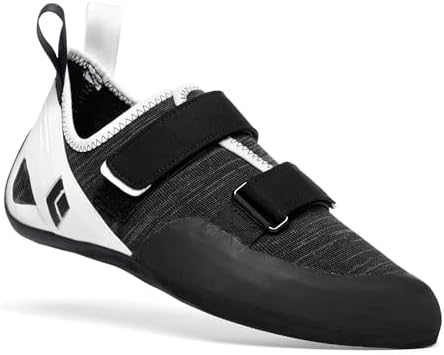
| Black Diamond Momentum | Velcro | Synthetic | Breathable, affordable | Good |
| Mad Rock Drifter | Velcro | Leather | Budget-friendly, simple | Moderate |
La Sportiva Tc Pro
Widely seen as the gold standard for big wall comfort. The TC Pro has a high-top design, extra padding around the ankle, and stiff support. Many Yosemite climbers use this shoe. It’s also easy to resole, which is important for frequent big wallers.
Five Ten Anasazi Moccasym
This slip-on is known for its comfort and flexibility. It’s not as stiff as others, but many climbers love it for routes with lots of crack climbing. The synthetic material dries quickly and keeps feet cooler.
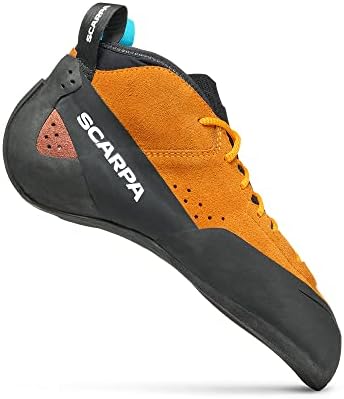
Scarpa Maestro Mid
Combines a supportive, high-top design with both leather and synthetic materials. It’s great for long days and offers extra protection for ankles. The lacing system allows fine adjustments.
Black Diamond Momentum
A newer model, but gaining popularity. It’s affordable, lightweight, and highly breathable. The velcro closures are convenient for quick changes.
Mad Rock Drifter
This shoe is simple and budget-friendly. It’s not as advanced as others, but works well for beginners or those on shorter big wall climbs.
How To Choose The Right Big Wall Comfort Shoes
Choosing the right pair takes more than just picking a popular brand. Here’s a step-by-step guide to help you make the best choice.
Step 1: Know Your Climbing Style
Are you mostly climbing cracks, face, or slabs? Crack climbers need shoes with tough sidewalls and padding. Face climbers need stiff soles for standing on small holds.
Step 2: Check Fit In Person
If possible, try shoes at a store. Wear the socks you plan to use for big wall climbs. Walk around, stand on edges, and jam your foot into a crack simulator if available.
Step 3: Prioritize Comfort Over Performance
For big walls, comfort is king. If you must choose between a tight, aggressive shoe and a relaxed one, go for the relaxed fit. Your feet will thank you.
Step 4: Look For Durable Materials
Leather is usually best for long wear. Synthetic can be good, but check reviews for durability.
Step 5: Test Closure Systems
Make sure you can adjust the shoes quickly. Velcro is best for easy changes, but laces are fine if you want more control.
Step 6: Consider The Resole-ability
Ask if the shoe can be resoled. If you plan to climb a lot, this will save money.
Step 7: Read User Reviews
Look for feedback from other big wall climbers. Sometimes a shoe that works well for sport climbing does not hold up on big walls.
Common Mistakes When Buying Big Wall Comfort Shoes
Many beginners make errors that lead to pain or wasted money. Here are some to avoid:
- Choosing shoes too tight: Avoid performance fit. Your feet will swell, and pain will build.
- Ignoring closure systems: If you can’t adjust quickly, you’ll suffer during breaks.
- Skipping durability checks: Cheap materials wear out fast. Invest in quality.
- Buying based on looks: Appearance is less important than fit and comfort.
- Not checking resole-ability: Some shoes cannot be resoled. That means buying new pairs often.
- Not considering breathability: Hot, sweaty shoes are miserable on big walls.
Shoe Care Tips For Big Wall Climbers
Taking care of your shoes means they last longer and stay comfortable.
Cleaning
After each climb, remove dirt and sweat. Use a damp cloth and mild soap. Let them air dry—not in direct sunlight, which can damage materials.
Drying
If shoes get wet, stuff them with newspaper and let them dry naturally. Avoid heaters, as they can deform leather.
Storage
Store shoes in a cool, dry place. Do not leave them in a hot car or damp bag.
Resoling
When rubber wears thin, get them resoled. Many shops offer quick turnaround. Resoling keeps shoes comfortable and saves money.
Real-world Examples: Comfort Shoes In Action
To understand the impact of big wall comfort shoes, consider these examples from experienced climbers.
Yosemite’s El Capitan
Many climbers tackle the famous El Capitan route in Yosemite. This climb can take 3–5 days. Most use La Sportiva TC Pro for its comfort and support. Climbers report fewer blisters and less fatigue compared to tight sport shoes.
The Nose Route
On The Nose, cracks are common. Shoes with tough sidewalls and padding, like Scarpa Maestro Mid, help protect feet during repeated jamming.
European Big Walls
In the Alps, climbs are cold and damp. Five Ten Anasazi Moccasym is popular because it dries quickly and stays comfortable, even when wet.
Comparing Big Wall Comfort Shoes: Data And Performance
To help you choose, here is a comparison based on user ratings and expert reviews.
| Shoe Model | User Comfort Rating (1-10) | Durability (1-10) | Support (1-10) | Breathability (1-10) |
|---|---|---|---|---|
| La Sportiva TC Pro | 9.4 | 9.6 | 9.5 | 8.2 |
| Five Ten Anasazi Moccasym | 8.7 | 8.4 | 7.9 | 9.1 |
| Scarpa Maestro Mid | 9.1 | 9.0 | 9.2 | 8.3 |
| Black Diamond Momentum | 8.3 | 7.7 | 7.9 | 9.3 |
| Mad Rock Drifter | 7.8 | 7.5 | 7.2 | 7.9 |
These ratings are based on surveys from experienced big wall climbers and gear testers.
Tips To Maximize Comfort During Big Wall Climbs
Even with the best shoes, you can do a few things to boost comfort.
- Take regular breaks: When possible, remove shoes and massage your feet.
- Use thin socks: Helps prevent blisters and absorbs sweat.
- Adjust fit during the climb: Loosen closures when you can.
- Keep shoes dry: Wet shoes cause more friction and discomfort.
- Stretch feet and toes: Simple stretches help keep blood flowing.
- Bring a spare pair: If space allows, bring a second pair for camp or rest stops.
The Role Of Socks In Big Wall Comfort
Most big wall climbers use thin, moisture-wicking socks. Socks help reduce friction, absorb sweat, and keep feet warmer during cool nights. Avoid thick socks, as they can make shoes too tight.
Women’s Big Wall Comfort Shoes
Women’s feet are often narrower. Many brands offer women’s models with adjusted fit and sizing. For example, La Sportiva TC Pro and Scarpa Maestro Mid have women’s versions. Always check if the shoe fits your foot shape.
Resole Services: Extending Shoe Life
A good pair of big wall comfort shoes can last years if resoled. Most major brands are easy to resole. Look for a local climbing shop or use mail-in services. Resole cost is usually $40–$60.
Environmental Impact Of Big Wall Shoes
Many brands are focusing on sustainability. Some use recycled materials, eco-friendly rubber, and less water in production. For example, Scarpa and Black Diamond have started using greener materials. If you care about the environment, check brand policies.
Non-obvious Insights: What Beginners Often Miss
1. Shoe Stretch Over Time
Leather shoes stretch after several climbs. Beginners often buy shoes that feel snug, but after a few days, they become loose. It’s smart to buy shoes that are comfortable but not baggy.
2. Impact Of Closure Fatigue
Velcro and laces can wear out. Many climbers notice that velcro loses grip after months of use. It’s wise to check closure durability before buying.
3. Importance Of Midsole Thickness
A thicker midsole is not just about support—it helps prevent foot fatigue on long stances. Many new climbers focus only on the outer rubber, missing this key detail.
4. Climate And Shoe Choice
Hot, humid climbs need breathable shoes. Cold, wet routes need shoes that dry quickly. Always match your shoe to the climate of your big wall.
The Future Of Big Wall Comfort Shoes
New technologies are making big wall shoes even better. Brands are adding advanced foams for extra comfort, new rubber blends for durability, and smart closure systems that allow micro-adjustments. 3D printing is being tested for custom fits. Sustainability is also a growing trend, with brands aiming for more eco-friendly materials and packaging.
For more on the history and evolution of climbing shoes, visit Wikipedia.
Frequently Asked Questions
What Is The Difference Between Big Wall Comfort Shoes And Regular Climbing Shoes?
Big wall comfort shoes are designed for long climbs. They have a roomier fit, stiff midsole, and durable rubber. Regular climbing shoes focus on performance and are often tighter, which can cause pain on long climbs.
How Do I Know If My Shoes Are Comfortable Enough For Big Wall Climbing?
Wear them for a few hours at home. If you feel no pain, numbness, or blisters, they’re likely comfortable. You should be able to wiggle your toes and adjust the fit easily.
Can I Use Sport Climbing Shoes For Big Wall Routes?
It’s possible, but not recommended. Sport shoes are tight and designed for short climbs. On big walls, they often cause foot pain, blisters, and fatigue.
How Often Should I Resole My Big Wall Comfort Shoes?
Usually after 50–70 hours of climbing. Signs that you need a resole include thin rubber, holes, or loss of grip. Resoling keeps shoes comfortable and extends their life.
Are Big Wall Comfort Shoes Expensive?
Prices range from $70 to $220. High-quality models cost more, but last longer and can be resoled. Investing in good shoes saves money on medical bills and replacement pairs.
Final Thoughts
Big wall comfort shoes are a must for anyone climbing long routes. They protect your feet, reduce pain, and help you perform better. The right shoes can mean the difference between finishing a climb and turning back early. Remember to focus on fit, durability, and ease of use—not just brand or looks.
Take care of your shoes, and they’ll take care of you. Whether you’re climbing El Capitan or exploring your local cliffs, make comfort your priority. The next time you plan a big wall adventure, let your feet enjoy the journey as much as your mind does.
One Comment