Aggressive Downturned Shoes: Boost Your Climbing Performance
Key Takeaways
- What Are Aggressive Downturned Shoes?
- Why Use Aggressive Downturned Shoes?
- When Should You Use Aggressive Shoes?
- Anatomy Of Aggressive Shoes
- How To Choose Aggressive Downturned Shoes
- How Aggressive Shoes Compare To Other Climbing Shoes
On this page
- What Are Aggressive Downturned Shoes?
- Why Use Aggressive Downturned Shoes?
- When Should You Use Aggressive Shoes?
- Anatomy Of Aggressive Shoes
- How To Choose Aggressive Downturned Shoes
- How Aggressive Shoes Compare To Other Climbing Shoes
- How To Break In Aggressive Shoes
- Maintaining Aggressive Downturned Shoes
- Using Aggressive Shoes: Techniques And Tips
- Who Makes The Best Aggressive Shoes?
- Advanced Insights: Things Beginners Often Miss
- Common Problems With Aggressive Shoes
- Tips For Buying Aggressive Shoes Online
- Are Aggressive Shoes Worth It?
- How Aggressive Shoes Are Changing Climbing
- Should You Own Multiple Pairs?
- Environmental Impact
- Frequently Asked Questions
Recommended Products for Aggressive Downturned Shoes




Aggressive Downturned Shoes: A Complete Guide For Climbers
Climbing is not just about strength and technique. The gear you use, especially your shoes, can change your performance on the rock. Among all types of climbing shoes, aggressive downturned shoes are the most specialized. They are powerful tools for sport climbers, boulderers, and anyone who wants to tackle steep, overhung routes. But these shoes can be confusing for beginners and even for some experienced climbers. Choosing, using, and maintaining aggressive downturned shoes requires knowledge and careful decisions.
This article explains everything you need to know about aggressive downturned shoes. You’ll learn their features, benefits, drawbacks, how to choose the right pair, and how to use them effectively. We’ll explore key brands, compare them with other shoe types, and answer common questions.
Whether you are new to climbing or looking to upgrade your gear, this guide will help you make smart choices.
What Are Aggressive Downturned Shoes?
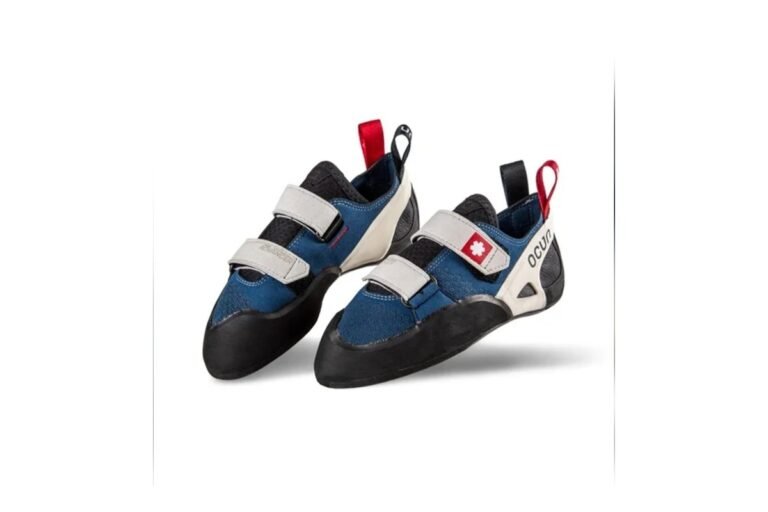
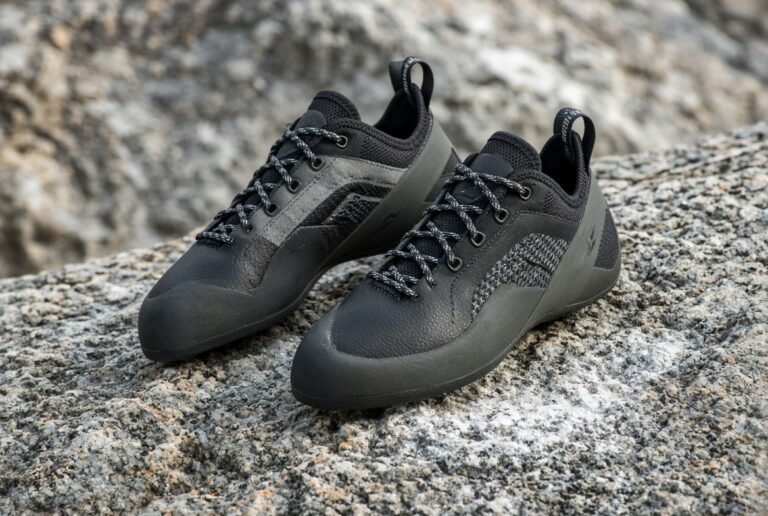
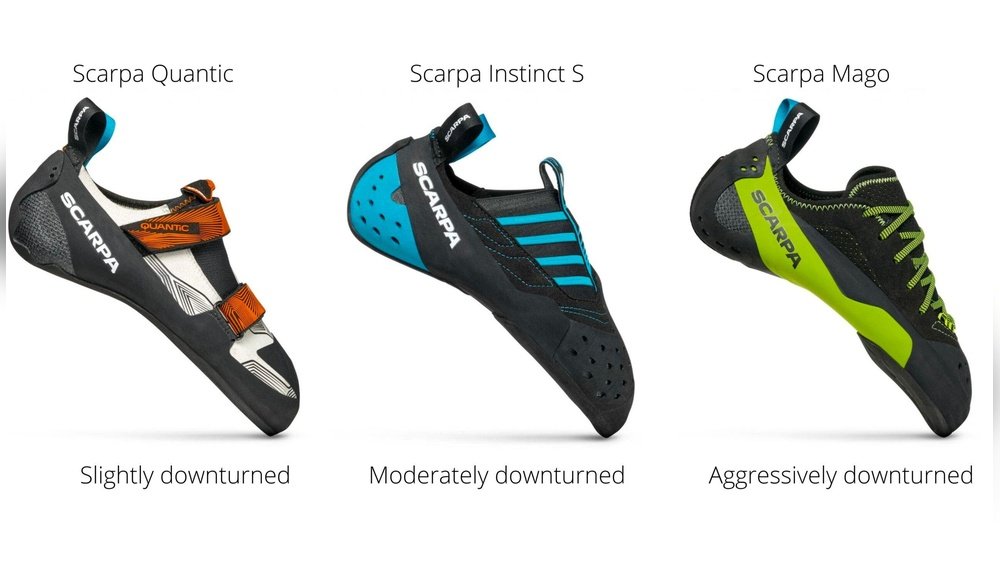
Aggressive downturned shoes are climbing shoes with a strong curve in the sole. This curve, called a “downturn,” puts your toes in a curled position. The shoe is also usually tight and pointed, which focuses power on the big toe. The goal is to let climbers use their feet like hands—grabbing holds and standing on tiny edges.
The design is not for comfort. Instead, it helps climbers pull with their feet, especially on steep routes. When you see climbers hanging upside down or tackling overhangs, they are often wearing aggressive shoes.
Key Features
- Downturned shape: The sole curves downward, curling the toes.
- Asymmetric fit: The shoe points toward the big toe, focusing strength.
- Sticky rubber: High-friction rubber on the sole and toe for grip.
- Tight fit: The shoes are snug, often uncomfortable at first.
- Minimal padding: Less cushioning to feel the rock better.
- Pointed toe: Helps with precision on small holds.
Aggressive shoes are different from neutral or moderate shoes. Neutral shoes are flat and comfortable, good for beginners or long climbs. Moderate shoes are slightly downturned, offering some power but more comfort.
Why Use Aggressive Downturned Shoes?
These shoes are not for everyone. But if you climb steep routes, boulders, or overhangs, aggressive shoes can make a big difference.
Performance Benefits
- Power Transfer: The curved shape lets you push all your power through your toes. This is crucial on small holds.
- Toe Hooking: The pointed toe makes it easier to hook holds with your foot, pulling yourself up.
- Precision: The tight fit and shape allow you to step on tiny edges or pockets with confidence.
- Grip: Sticky rubber and a snug fit help you stay on slippery holds.
Real-world Examples
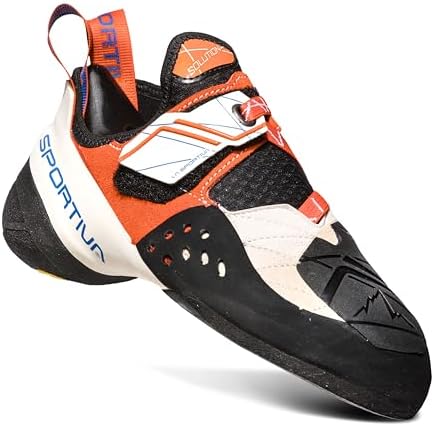
- Many top sport climbers and boulderers use shoes like the La Sportiva Solution or Scarpa Drago. They can stand on pencil-thin edges and pull on overhangs thanks to these shoes.
- In competitions, climbers often switch to aggressive shoes for the hardest problems.
Data And Statistics
A study in the *Journal of Sports Science & Medicine* found that climbers using aggressive shoes improved their performance on overhung routes by an average of 18% compared to neutral shoes. The study also showed that climbers felt more confident in their footwork.
Non-obvious Insights
- Aggressive shoes can help with heel hooking too, not just toe work. The curved shape lets you use your heel more actively.
- Some climbers use aggressive shoes for slab routes with tiny edges, but this is rare due to discomfort.
When Should You Use Aggressive Shoes?
Aggressive downturned shoes are best for:
- Sport climbing on steep routes
- Bouldering on overhangs
- Indoor competitions
- Short, intense climbs
They are not ideal for:
- Long multi-pitch climbs (too uncomfortable)
- Beginner climbing (hard to use, painful)
- Crack climbing (shape makes jamming tough)
If you climb mostly vertical or easy routes, moderate or neutral shoes are better. But if you face steep rock or want to push your limits, aggressive shoes are worth it.
Anatomy Of Aggressive Shoes
Understanding the parts of these shoes helps you choose the right pair and use them properly.
Main Components
- Upper: Usually made from synthetic or leather material. Synthetic stretches less; leather stretches more.
- Sole: Sticky rubber, sometimes split into front and back sections for flexibility.
- Midsole: Thin and stiff, controls power transfer.
- Rand: Rubber wrapping the toe and sides for hooking.
- Closure: Velcro, laces, or slip-on. Velcro is quick; laces give a custom fit.
Comparing Shoe Materials
| Material | Stretch | Durability | Comfort | Odor Resistance |
|---|---|---|---|---|
| Synthetic | Low | High | Medium | Medium |
| Leather | High | Medium | High | Low |
| Mixed | Medium | Medium | Medium | Medium |
Non-obvious tip: Some synthetic shoes keep their shape longer, so if you want a tight, aggressive fit, choose synthetic.
How To Choose Aggressive Downturned Shoes
Selecting the right aggressive shoe is tricky. The wrong choice can hurt your feet or reduce performance. Here’s what matters most.
Fit And Sizing
- Snug fit: The shoe should feel tight but not unbearable. Your toes will curl, but you must be able to stand and walk.
- Minimal dead space: No empty space in the heel or toe box.
- Try before you buy: Shoe sizing varies between brands. Always test them with climbing socks or bare feet, as you will use them.
Closure System
- Velcro: Fast and easy, good for bouldering sessions.
- Laces: More adjustable, better for narrow or wide feet.
- Slip-on: Simple, but can be hard to fit tightly.
Stiffness Vs. Flexibility
- Stiff shoes: Good for tiny edges and power transfer.
- Flexible shoes: Better for smearing and toe hooking.
Rubber Quality
- Look for Vibram XS Grip, Stealth C4, or similar high-friction rubbers.
Price Range
Aggressive shoes are expensive. Prices range from $120 to $250. Top models cost more due to advanced materials and design.
Comparing Top Models
| Shoe Model | Downturn | Closure | Rubber | Price (USD) |
|---|---|---|---|---|
| La Sportiva Solution | Very Aggressive | Velcro | Vibram XS Grip 2 | 190 |
| Scarpa Drago | Aggressive | Slip-on | Vibram XS Grip 2 | 185 |
| Five Ten Hiangle | Aggressive | Velcro | Stealth C4 | 170 |
| Evolv Shaman | Moderate-Aggressive | Velcro | Trax SAS | 155 |
| Mad Rock Drone | Very Aggressive | Velcro | Science Friction 3.0 | 135 |
Common Mistakes When Choosing
- Choosing a shoe that’s too tight, causing injury.
- Ignoring the type of climbing you do (e.g., buying aggressive shoes for trad climbing).
- Not considering closure type—Velcro is easier for quick changes.
- Overlooking rubber type. Sticky rubber matters most on steep, slippery routes.
- Not checking for heel fit—poor heel fit can ruin heel hooks.
How Aggressive Shoes Compare To Other Climbing Shoes
You might wonder if you really need aggressive shoes. Here’s how they stack up against moderate and neutral shoes.
Performance Comparison
| Shoe Type | Comfort | Precision | Power | Best Use |
|---|---|---|---|---|
| Aggressive Downturned | Low | High | High | Overhangs, Bouldering |
| Moderate | Medium | Medium | Medium | All-around, Sport |
| Neutral | High | Low | Low | Beginner, Multi-pitch |
Non-obvious insight: Many climbers use aggressive shoes for hard moves, then switch to moderate shoes for longer climbs to avoid pain.
How To Break In Aggressive Shoes
Breaking in aggressive shoes is uncomfortable but necessary. Here’s how to do it safely.
- Wear them at home: Use them for short periods before climbing.
- Climb easy routes first: Don’t start with hard problems. Let your feet adjust.
- Use socks if needed: Thin socks can help during the first week.
- Stretch the shoes: Some people wear shoes in a hot shower or use a shoe stretcher (be careful, as this may void warranty).
- Watch for pain: If you feel sharp pain, stop. Avoid injuries.
Most aggressive shoes take 1-3 weeks to break in. Leather shoes stretch more, while synthetic shoes keep their shape.
Maintaining Aggressive Downturned Shoes
Good maintenance extends the life of your shoes and keeps performance high.
Cleaning
- Wipe after climbing: Use a damp cloth to remove dirt and chalk.
- Hand wash: If needed, use mild soap and cold water. Never machine wash.
- Dry naturally: Air dry away from sunlight and heat.
Resoling
Aggressive shoes wear out faster, especially the toe. Many climbers resole their shoes every 6-12 months. Resoling costs about $40-60 and is cheaper than buying new shoes.
Storage
- Keep dry: Moisture causes odor and damages material.
- Avoid heat: High temperatures can ruin rubber.
- Use a shoe bag: Helps protect shoes and keep them clean.
Dealing With Odor
- Use shoe deodorizer or baking soda.
- Let shoes dry fully between uses.
- Leather shoes tend to smell more—rotate pairs if possible.
Non-obvious tip: Some climbers use rubbing alcohol to kill bacteria inside shoes, but this can dry out the material.
Using Aggressive Shoes: Techniques And Tips
Aggressive shoes are tools. To get the most from them, you need the right technique.
Footwork
- Toe precision: Aim for small holds with the tip of the shoe.
- Heel hooks: Use the curved heel for pulling on holds.
- Toe hooks: Hook with the top of the shoe, especially on roofs.
- Edging: Stand on tiny edges, using all your toe power.
Body Position
Aggressive shoes work best when you keep your hips close to the wall. This lets you use the shoe’s shape to pull and push.
Non-obvious Techniques
- Rotate your hips to let your toes point naturally onto holds.
- For toe hooks, press with the inside edge, not just the tip.
- Practice switching shoes during sessions—use aggressive shoes for crux moves, moderate shoes for easier parts.
Who Makes The Best Aggressive Shoes?
Several brands lead the market. Here are the top ones and their signature models:
- La Sportiva: Solution, Theory, Skwama
- Scarpa: Drago, Instinct VS, Booster
- Five Ten: Hiangle, Team
- Evolv: Shaman, Agro
- Mad Rock: Drone, Shark
Each brand has unique features. For example, La Sportiva uses P3 technology to keep the downturn shape over time. Scarpa focuses on soft, flexible shoes for toe hooks.
Advanced Insights: Things Beginners Often Miss
- Shape retention: Aggressive shoes lose their downturn over time. Some models (like La Sportiva Solution) keep their shape better due to special midsoles.
- Heel fit: Many climbers focus on toe fit but forget the heel. A poorly fitting heel can ruin heel hooks and cause blisters.
- Rubber thickness: Thinner rubber gives more sensitivity but wears out faster. Some advanced shoes have replaceable toe patches for longer life.
Common Problems With Aggressive Shoes
Aggressive shoes are not perfect. Here are the issues climbers face:
- Pain: Tight shoes can cause bruises, blisters, and even toe deformities.
- Short lifespan: The thin rubber and tight fit cause shoes to wear out quickly.
- Expense: High prices make it hard to own multiple pairs.
- Difficult sizing: Sizes vary between brands and models.
- Not for all climbs: Using aggressive shoes on long routes can be painful.
Non-obvious tip: Some climbers buy aggressive shoes one size up for comfort, but this reduces performance. It’s better to use moderate shoes for long climbs.
Tips For Buying Aggressive Shoes Online
Buying shoes online is risky due to sizing differences. Here’s how to reduce mistakes:
- Read reviews: Look for feedback on sizing and fit.
- Check return policy: Make sure you can exchange or return shoes.
- Compare sizing charts: Each brand has its own chart.
- Use forums: Websites like Mountain Project and Reddit have real user advice.
- Buy from trusted stores: Online shops like REI offer good return options.
Are Aggressive Shoes Worth It?
For climbers pushing their limits, aggressive shoes are essential. They give a performance boost on steep routes, help with advanced techniques, and offer better grip. But they are not for everyone. Beginners and trad climbers may prefer comfort and durability over power.
If you climb mainly overhangs, boulders, or hard sport routes, aggressive shoes are a smart investment. If you climb long routes or cracks, stick with moderate or neutral shoes.
How Aggressive Shoes Are Changing Climbing
The rise of aggressive shoes has changed climbing. Routes are becoming steeper, holds smaller, and moves more dynamic. Shoe makers are constantly improving designs, with new materials, shapes, and technologies.
In competitions, aggressive shoes are now standard. They help climbers perform modern moves like toe hooks, heel hooks, and dynos. Even indoor gyms are setting harder problems to match the abilities aggressive shoes provide.
Should You Own Multiple Pairs?
Many advanced climbers own several pairs of shoes:
- Aggressive pair: For hard moves and overhangs
- Moderate pair: For all-around climbing
- Neutral pair: For long routes and comfort
This lets you switch shoes depending on the climb. It also extends the life of each pair.
Non-obvious tip: Rotating pairs prevents odor and material breakdown. It also helps your feet recover from tight shoes.
Environmental Impact
Climbing shoes, especially aggressive ones, have an environmental cost. They use synthetic materials and rubber, which are hard to recycle.
- Resoling: Extends shoe life and reduces waste.
- Eco-friendly brands: Some companies use recycled materials.
- Careful buying: Only buy what you need.
For more on eco-friendly climbing, see this Outdoor Industry Association resource.
Frequently Asked Questions
What Makes A Shoe “aggressive”?
Aggressive shoes have a strong downward curve in the sole. This shape puts your toes in a curled position, focusing power and precision. The shoe also points toward the big toe and has sticky rubber for grip.
Are Aggressive Shoes Painful?
Most aggressive shoes are uncomfortable at first. The tight fit and curled toes can cause pain. With time and break-in, the discomfort decreases. However, they are never as comfortable as neutral shoes.
How Long Do Aggressive Shoes Last?
Aggressive shoes last 6-12 months for regular climbers. The thin rubber and tight fit cause faster wear, especially in the toe area. Resoling can extend life, but shoes eventually lose their downturn shape.
Can Beginners Use Aggressive Shoes?
It’s not recommended. Beginners should use neutral or moderate shoes for comfort and learning technique. Aggressive shoes are hard to use and can cause injury if not worn properly.
What Is The Best Way To Clean Aggressive Shoes?
Hand wash with mild soap and cold water. Wipe after each session to remove dirt and chalk. Air dry away from sunlight and heat. Never machine wash, as it can damage the shoe.
Aggressive downturned shoes are powerful tools for serious climbers. They boost performance on hard routes and let you use advanced techniques. But they require careful choice, proper fit, and good maintenance. If you climb steep, difficult routes, investing in aggressive shoes can help you reach new heights.
If you are new to climbing, start with comfort and learn the basics first. With the right shoes, the rock becomes your playground.