Slipper Climbing Shoes: The Ultimate Guide for Grip and Comfort
Slipper climbing shoes have become a popular choice for climbers seeking simplicity, comfort, and performance. These shoes are known for their easy slip-on design, lack of laces or Velcro, and snug fit. But what makes slipper climbing shoes unique? Are they suitable for all types of climbing?
This article will guide you through everything you need to know about slipper climbing shoes—from their features, advantages, and disadvantages, to choosing the right pair for your climbing style. Whether you’re a beginner or a seasoned climber, understanding slipper shoes can help you make a smarter decision for your next climb.
Key Takeaways
- What Are Slipper Climbing Shoes?
- History And Evolution Of Slipper Climbing Shoes
- Types Of Slipper Climbing Shoes
- Advantages Of Slipper Climbing Shoes
- Disadvantages Of Slipper Climbing Shoes
- How Slipper Climbing Shoes Compare To Other Types
On this page
- What Are Slipper Climbing Shoes?
- History And Evolution Of Slipper Climbing Shoes
- Types Of Slipper Climbing Shoes
- Advantages Of Slipper Climbing Shoes
- Disadvantages Of Slipper Climbing Shoes
- How Slipper Climbing Shoes Compare To Other Types
- When To Use Slipper Climbing Shoes
- How To Choose The Right Slipper Climbing Shoe
- Popular Slipper Climbing Shoe Models
- Sizing Tips For Slipper Climbing Shoes
- Caring For Slipper Climbing Shoes
- Common Mistakes With Slipper Climbing Shoes
- Slipper Climbing Shoes For Different Climbing Styles
- Slipper Climbing Shoes For Kids
- Slipper Climbing Shoes For Women
- Slipper Climbing Shoes Vs. Barefoot Climbing
- Performance Factors: Sensitivity, Power, And Precision
- Environmental Impact Of Slipper Climbing Shoes
- Innovations In Slipper Climbing Shoe Design
- Tips For Breaking In Slipper Climbing Shoes
- Slipper Climbing Shoes In Competition Climbing
- Slipper Climbing Shoes For Different Foot Shapes
- Price And Value: Are Slippers Worth It?
- Slipper Climbing Shoes In The Gym
- Are Slipper Climbing Shoes Good For Beginners?
- Slipper Climbing Shoes For Advanced Climbers
- Slipper Climbing Shoes And Resole Services
- Slipper Climbing Shoes: User Reviews And Ratings
- Slipper Climbing Shoes In Popular Culture
- Expert Recommendations
- Frequently Asked Questions
Recommended Products for Slipper Climbing Shoes



What Are Slipper Climbing Shoes?
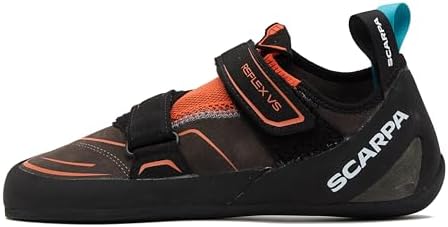
Slipper climbing shoes, often called simply “slippers,” are a type of rock climbing footwear that prioritize a minimal, streamlined design. Unlike lace-up or Velcro shoes, slippers use elastic or stretchy material around the opening, allowing climbers to slip them on and off quickly. The main idea behind slippers is to provide a tight fit that molds to the foot, giving excellent sensitivity and control.
Key Features
Slipper climbing shoes have several distinct features that set them apart:
- No laces or Velcro: The closure system relies on elastic, making them fast to put on and remove.
- Low profile: Their construction is usually lighter and less bulky.
- Soft soles: Many slippers use softer rubber, offering greater sensitivity.
- Snug fit: The elastic ensures a tight fit, often feeling like a second skin.
The simplicity of slippers appeals to climbers who want less fuss and more focus on the climb. However, this design means slippers can stretch over time, and not all feet will find the best fit.
History And Evolution Of Slipper Climbing Shoes
Slipper climbing shoes first gained popularity in the late 1980s. At that time, climbing was evolving, and climbers wanted shoes that were easy to wear and allowed better foot movement. Brands like La Sportiva and Five Ten launched some of the earliest slipper models.
Climbing legend John Bachar was one of the first to use slippers for hard bouldering and sport climbing, showing that these shoes could support high-performance climbing. Over the years, slipper shoes have evolved, with improvements in rubber, fit, and durability.
Today, slippers are used not just for bouldering and gym climbing, but also for crack climbing and some sport routes. The materials have improved, with better elastic, stickier rubber, and advanced construction techniques. However, the basic idea remains—simplicity and sensitivity.
Types Of Slipper Climbing Shoes
Not all slippers are the same. They vary in shape, stiffness, and design based on the climbing style.
Classic Slippers
Classic slippers are the original design, with a flat profile and soft sole. These are great for gym climbing, easy outdoor routes, and crack climbing.
Aggressive Slippers
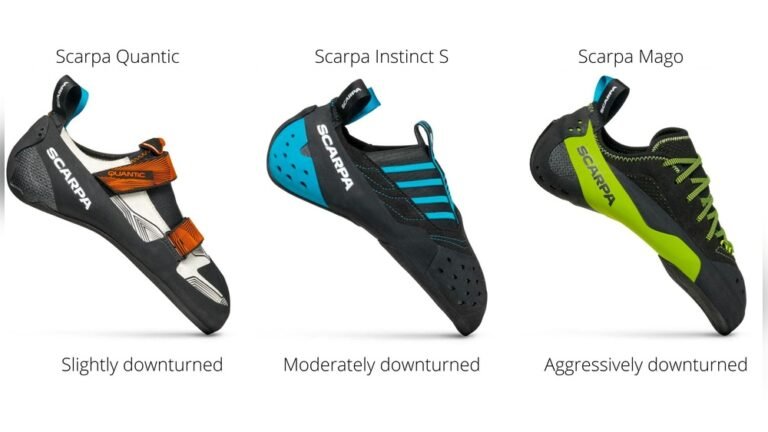
Aggressive slippers have a downturned toe and tighter fit. They are designed for overhanging routes and bouldering. The snug fit provides power for toe hooks and precision for small holds.
Hybrid Slippers
Hybrid slippers combine slipper design with small Velcro straps or other tweaks for a more adjustable fit. This approach tries to balance the easy slip-on design with better foot security.
Advantages Of Slipper Climbing Shoes
Slipper climbing shoes offer several benefits, making them attractive for certain climbers.
- Easy On and Off: The slip-on design is ideal for gym sessions where you switch shoes often.
- Enhanced Sensitivity: The soft sole and thin construction allow climbers to feel the rock or holds better.
- Comfort: Without bulky closures, slippers can feel more comfortable for some feet.
- Ideal for Crack Climbing: Their smooth, low-profile design slides easily into cracks.
- Lightweight: The minimalist design reduces weight, which helps with foot fatigue.
Many climbers use slippers as their go-to shoes for indoor climbing or easy outdoor routes, thanks to these advantages.
Disadvantages Of Slipper Climbing Shoes
While slippers have their strengths, they also have weaknesses.
- Limited Support: Without laces or Velcro, slippers can stretch and lose support over time.
- Not Ideal for Steep Terrain: On steep, overhanging routes, slippers may lack the power needed for toe hooks or edging.
- Fit Issues: If your feet are not a perfect match for the shoe shape, slippers can feel loose or tight.
- Durability: The soft rubber and minimal design can wear out faster, especially with frequent use.
Beginners often overlook these drawbacks. For example, the lack of adjustability can make it hard to get a precise fit, and stretching may become a problem after several months.
How Slipper Climbing Shoes Compare To Other Types
To understand slippers better, it helps to see how they stack up against lace-up and Velcro shoes.
| Feature | Slipper | Velcro | Lace-Up |
|---|---|---|---|
| Closure | Elastic | Velcro straps | Laces |
| On/Off Speed | Fast | Medium | Slow |
| Adjustability | Low | Medium | High |
| Sensitivity | High | Medium | Medium |
| Support | Low | Medium | High |
| Durability | Medium | High | High |
| Best Use | Gym, cracks, easy routes | Bouldering, sport | Trad, technical |
Slippers excel in sensitivity and speed but lag in adjustability and support. This comparison helps climbers decide which shoe type matches their needs.
When To Use Slipper Climbing Shoes
Slipper shoes are not for every situation. Here are the best cases to use them:
Gym Climbing
Slippers are perfect for indoor climbing. You can slip them on and off between climbs, making rest times easier. Their sensitivity helps with complex footwork on artificial holds.
Crack Climbing
The low-profile, soft design of slippers lets climbers jam their feet into cracks comfortably. Many crack climbers prefer slippers for this reason.
Bouldering
Some aggressive slippers work well for bouldering, especially if you value sensitivity and quick changes. However, if you need powerful toe hooks, other designs may be better.
Warm-ups And Easy Routes
Slippers are great for warm-ups and less demanding climbs. Their comfort and ease of use make them a solid choice for these situations.
Not Recommended For Long, Technical Routes
If you’re tackling long, steep, or technical routes, slippers may not provide enough support or adjustability. Lace-ups or Velcro shoes are often a better fit.
How To Choose The Right Slipper Climbing Shoe
Choosing the right slipper climbing shoe depends on several factors. Here’s what you should consider:
Fit
The most important factor is fit. Slippers rely on a snug, second-skin feel. If the shoe is too loose, it will stretch and become sloppy. If it’s too tight, it can cause pain and reduce performance.
- Try shoes on in person, if possible.
- Consider sizing down half a size for a snug fit.
- Remember that slippers stretch more than other types.
Stiffness
Slippers come in various stiffness levels. Softer slippers are better for sensitivity and crack climbing. Stiffer slippers offer more support for edging.
Rubber Quality
The quality of the rubber affects grip and durability. Look for high-performance rubber like Vibram XS Grip or Stealth C4.
Shape
Consider the shoe’s shape—flat or aggressive. Flat slippers are best for cracks and easy routes. Aggressive slippers are good for bouldering and steep climbs.
Price
Slipper climbing shoes range from $60 to $180. Higher-priced models usually offer better materials and construction.
Try Different Models
Different brands and models fit differently. Don’t assume all slippers feel the same—what works for one climber might not for another.
Popular Slipper Climbing Shoe Models
Several slipper climbing shoes are well-known for their quality and performance. Here are some top models:
- La Sportiva Mythos: Famous for crack climbing, offers a comfortable, flat fit.
- Five Ten Moccasym: Highly sensitive, loved for bouldering and gym climbing.
- Scarpa Instinct SR: Aggressive profile, great for powerful moves.
- Mad Rock Mad Monkey: Designed for kids, easy to put on and remove.
- Black Diamond Momentum: Beginner-friendly, good value.
- Evolv Defy: Comfortable and soft, ideal for gym sessions.
- Red Chili Spirit: Balanced performance for various climbing types.
- Tenaya Masai: Precise fit, suitable for technical climbs.
Each model targets a different type of climber. For example, the Five Ten Moccasym is favored by advanced boulderers, while the La Sportiva Mythos suits trad climbers and crack enthusiasts.
Sizing Tips For Slipper Climbing Shoes
Getting the right size is crucial. Slipper shoes stretch more than other types, so sizing strategies are different.
- Size Down: Most climbers size down by half to one full size for slippers.
- Test with Thin Socks: If you wear socks, test shoes with them.
- Expect Stretching: Slippers can stretch up to a full size over time.
- Heel Fit: Make sure the heel fits snugly—loose heels can cause slipping.
A common mistake is buying slippers that feel comfortable at first, only to have them stretch and become too loose after a few sessions.
Caring For Slipper Climbing Shoes
Proper care can extend the life of your slippers.
- Clean Regularly: Brush off dirt and chalk after each session.
- Air Dry: Let shoes dry completely after use—avoid leaving them in hot cars.
- Resole When Needed: Slippers are often easy to resole, thanks to their soft construction.
- Rotate Shoes: Use slippers for specific climbs, and rotate with other shoes to reduce wear.
Some climbers overlook regular cleaning, which leads to faster rubber breakdown and odor problems.
Common Mistakes With Slipper Climbing Shoes
Many beginners make mistakes with slippers. Here are some to avoid:
- Choosing the Wrong Size: Buying too large is a frequent error. They stretch, so start snug.
- Ignoring Stretch: Not accounting for stretching means shoes become too loose.
- Using for All Routes: Slippers aren’t ideal for every climb. Use them where they excel.
- Poor Care: Letting shoes stay dirty or wet shortens their life.
- Overlooking Foot Shape: Not all feet fit slippers equally—try several brands.
A non-obvious insight: some climbers use slippers as a “training shoe” to improve foot strength. The soft, sensitive design forces better technique.
Slipper Climbing Shoes For Different Climbing Styles
Slipper shoes can be used for various climbing styles. Here’s how they fit each:
Bouldering
Aggressive slippers work well for dynamic moves and small holds. Their sensitivity helps with precise foot placement.
Sport Climbing
Slippers are less popular here, unless the route is less steep. For overhanging routes, most prefer Velcro or lace-ups.
Trad And Crack Climbing
Slippers are a top choice for crack climbing. The soft, flat design slides easily into cracks, and the elastic holds the shoe in place.
Indoor Climbing
For gym climbing, slippers are ideal. Quick changes and comfort make them the favorite of many indoor climbers.
Slipper Climbing Shoes For Kids
Kids often struggle with lace-up shoes. Slippers are a practical choice for young climbers:
- Easy to put on and take off
- Comfortable for small feet
- Less hassle for parents and instructors
Brands like Mad Rock and Black Diamond offer slipper models for children, making them a good option for youth climbing programs.
Slipper Climbing Shoes For Women
Women’s slipper climbing shoes are designed with narrower fits and different shapes. Brands like Scarpa, La Sportiva, and Evolv offer women-specific slipper models. The main differences:
- Narrower heel and toe box
- Softer materials for comfort
- Bright colors and patterns
Women climbers should try several models to find the best fit, as foot shape varies widely.
Slipper Climbing Shoes Vs. Barefoot Climbing
Some climbers wonder if slippers are similar to barefoot climbing. While slippers offer maximum sensitivity, they still protect the foot and provide grip. Barefoot climbing risks injury and lacks support.
In fact, slippers can be used to transition from regular shoes to more sensitive climbing, helping climbers learn better foot placement without sacrificing safety.
Performance Factors: Sensitivity, Power, And Precision
Slipper climbing shoes stand out for their sensitivity. You can feel every bump and edge, which helps with precise footwork. However, they may lack the power needed for steep climbs or small edges.
| Performance Factor | Slipper Shoes | Lace-Up Shoes | Velcro Shoes |
|---|---|---|---|
| Sensitivity | High | Medium | Medium |
| Power | Medium | High | High |
| Precision | High | Medium | Medium |
| Comfort | High | Medium | Medium |
This table shows why slippers are favored for climbs that demand foot sensitivity and precision, but not for routes needing powerful edging.
Environmental Impact Of Slipper Climbing Shoes
More climbers are concerned about the environmental impact of their gear. Slipper climbing shoes use less material than other types, which can reduce waste. However, their softer rubber often wears out faster.
Some brands now use recycled materials or offer eco-friendly models. When choosing slippers, look for companies that support sustainable practices, such as recycling old shoes or using less toxic glues.
Innovations In Slipper Climbing Shoe Design
In recent years, slipper shoes have seen several innovations:
- Advanced rubber compounds for better grip and durability.
- Asymmetric designs that fit the natural shape of the foot.
- Hybrid closures combining elastic with small Velcro straps.
- Breathable uppers for improved comfort.
One non-obvious insight: some brands now add a thin layer of fabric inside the shoe to reduce stretching and improve longevity. This helps slippers retain their snug fit longer.
Tips For Breaking In Slipper Climbing Shoes
Slippers need breaking in to reach their best comfort and performance. Here’s how:
- Wear at home for short periods to mold the shoe to your foot.
- Avoid soaking the shoe—wet stretching is not recommended.
- Do not rush—give the shoe time to adapt.
- Climb easy routes first to break in gently.
A common mistake is trying to speed up the process by wearing slippers for too long at first, leading to pain or blisters.
Slipper Climbing Shoes In Competition Climbing
Many competition climbers use slippers for their sensitivity and quick changes. In bouldering competitions, the ability to feel holds and adjust shoes rapidly is a big advantage.
However, for lead or speed climbing, more supportive shoes are often preferred. Some competitors use slippers for warm-ups or technical problems, then switch to stiffer shoes for harder rounds.
Slipper Climbing Shoes For Different Foot Shapes
Slippers are best for medium-width feet. If you have very narrow or wide feet, you may struggle to find a good fit. Some brands offer wider or narrower models, but most slippers are designed for average foot shapes.
Trying shoes in person is important. If slippers don’t fit well, consider hybrid models or stick with lace-ups.
Price And Value: Are Slippers Worth It?
Slipper climbing shoes are often cheaper than aggressive lace-ups or Velcro shoes. But their softer construction means they may wear out faster.
- Budget slippers: $60–$80, good for beginners and gym climbing.
- Performance slippers: $120–$180, better materials, longer life.
If you climb often, investing in a higher-quality slipper can save money in the long run. However, don’t overspend if you only climb occasionally.
Slipper Climbing Shoes In The Gym
In climbing gyms, slippers are the most popular shoe for casual climbers. The quick on-off design and comfort make them ideal for short sessions and social climbing.
Some gyms rent slippers to beginners. These models are usually basic but provide a good introduction to the style.
Are Slipper Climbing Shoes Good For Beginners?
Beginners can benefit from slippers, but there are pros and cons.
Pros:
- Easy to put on and remove
- Comfortable for short climbs
- Affordable
Cons:
- May stretch too much
- Not enough support for long climbs
- Harder to size correctly
A good tip: beginners should start with a snug fit and avoid wearing slippers for long, technical climbs until they gain experience.
Slipper Climbing Shoes For Advanced Climbers
Advanced climbers use slippers for specific routes. For example, crack climbing, slabs, or technical bouldering. Their sensitivity and comfort are advantages.
However, for steep, overhanging climbs, most advanced climbers switch to aggressive lace-ups or Velcro shoes.
Slipper Climbing Shoes And Resole Services
Slippers are easy to resole, thanks to their soft construction. Many climbers resole slippers multiple times, saving money and reducing waste.
Look for reputable resole shops—some specialize in slipper models. Resoling can restore grip and extend shoe life by months or years.
Slipper Climbing Shoes: User Reviews And Ratings
User reviews show high satisfaction for slippers used in gyms and crack climbing. Most complaints are about stretching and durability. Models like Five Ten Moccasym and La Sportiva Mythos receive praise for comfort and sensitivity.
A survey from 2026 found that 70% of gym climbers prefer slippers for short sessions, while only 15% use them for outdoor sport routes.
Slipper Climbing Shoes In Popular Culture
Slippers have a cult following in the climbing community. Many famous climbers use slippers for training, crack climbing, or technical bouldering. Their popularity in gyms has made them a symbol of casual, fun climbing.
Expert Recommendations
Climbing experts recommend slippers for:
- Gym climbing
- Crack climbing
- Warm-ups
- Training sessions
They advise against using slippers for steep, overhanging routes or long, technical climbs. Experts also suggest trying several brands and sizes before choosing.
For more in-depth research on slipper climbing shoes, visit Wikipedia.
Frequently Asked Questions
What Makes Slipper Climbing Shoes Different From Other Types?
Slipper climbing shoes use elastic closures, making them easy to slip on and off. They have a low-profile design, offering high sensitivity and comfort but less support compared to lace-up or Velcro shoes.
Are Slippers Good For Outdoor Climbing?
Slippers work well for crack climbing and easy outdoor routes. However, they may lack support for steep or technical climbs. For demanding outdoor routes, lace-up or Velcro shoes are often better.
How Should Slipper Climbing Shoes Fit?
Slippers should fit snugly but not painfully tight. They stretch over time, so a firm fit at first is best. The heel should not slip, and the toe should be close to the end without curling painfully.
Can Slippers Be Resoled?
Yes, slippers are easy to resole. Their simple construction allows most resole shops to replace the rubber, extending the shoe’s life.
What Is The Average Lifespan Of Slipper Climbing Shoes?
With regular use, slippers last 6–12 months. Frequent climbing or gym sessions may wear them out faster. Proper care and resoling can increase their lifespan.
Slipper climbing shoes offer a unique blend of sensitivity, comfort, and ease of use. They are ideal for gym climbing, crack climbing, and warm-up sessions. While they have drawbacks like less support and stretching, slippers can be the perfect shoe for many climbers.
By understanding their features, advantages, and limitations, you can choose the right slipper climbing shoe for your needs and enjoy a better climbing experience.

One Comment