
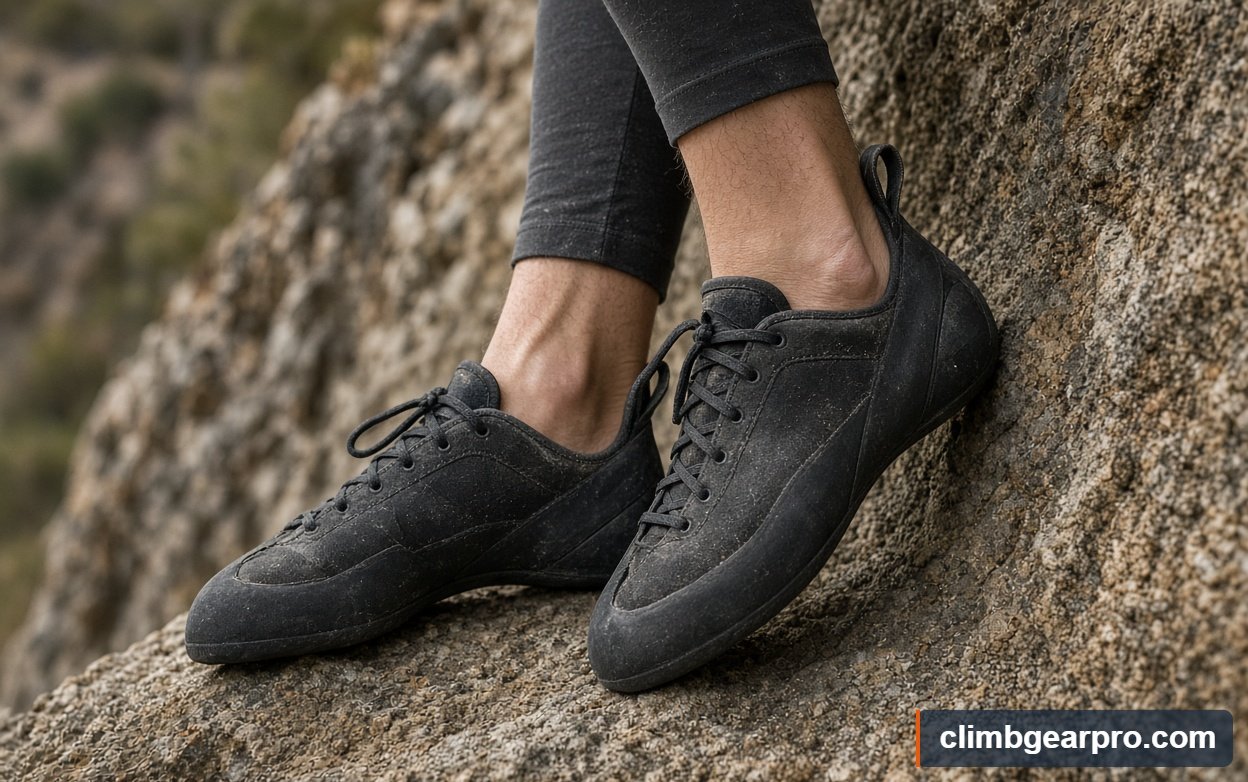
Lace-Up Climbing Shoes: Complete Guide to Fit, Benefits & Performance
Lace-up climbing shoes are a classic choice among climbers of all levels. Whether you’re just starting out or pushing your limits on overhanging sport routes, the design of lace-up shoes offers unique benefits. In this article, you’ll discover what makes lace-up climbing shoes different, how to choose the right pair, and why many experienced climbers still prefer them over modern alternatives.
By the end, you’ll understand the key features, pros and cons, and practical advice for getting the most out of lace-up shoes. Let’s dive in and explore the world of lace-up climbing footwear.
Key Takeaways
- Best Sellers: Lace Up Climbing Shoes
- What Are Lace-up Climbing Shoes?
- Key Features Of Lace-up Climbing Shoes
- Advantages Of Lace-up Climbing Shoes
- Disadvantages Of Lace-up Climbing Shoes
- Types Of Lace-up Climbing Shoes
On this page
- Best Sellers: Lace Up Climbing Shoes
- What Are Lace-up Climbing Shoes?
- Key Features Of Lace-up Climbing Shoes
- Advantages Of Lace-up Climbing Shoes
- Disadvantages Of Lace-up Climbing Shoes
- Types Of Lace-up Climbing Shoes
- How To Choose Lace-up Climbing Shoes
- Popular Lace-up Climbing Shoe Models
- Fitting And Sizing Tips
- Care And Maintenance Of Lace-up Climbing Shoes
- Performance Factors: What Really Matters
- Lace-up Shoes For Different Climbing Styles
- Lace-up Vs. Velcro: Which Should You Choose?
- The Science Behind Lace-up Shoe Design
- Environmental Impact And Sustainability
- Buying Lace-up Climbing Shoes Online
- Tips For Breaking In New Lace-up Shoes
- Customizing Lace-up Climbing Shoes
- How Long Do Lace-up Climbing Shoes Last?
- Frequently Asked Questions
Best Sellers: Lace Up Climbing Shoes


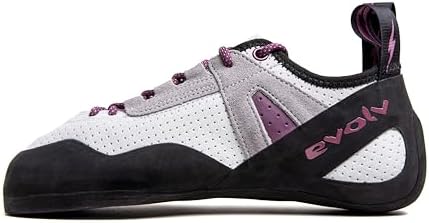


Also Read: Bouldering Shoes Explained: Fit, Features & Finding Ideal Climbing Shoe
What Are Lace-up Climbing Shoes?
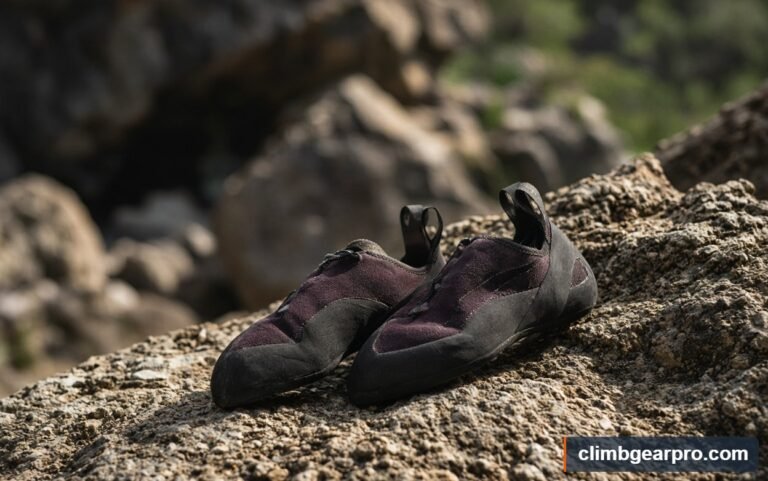
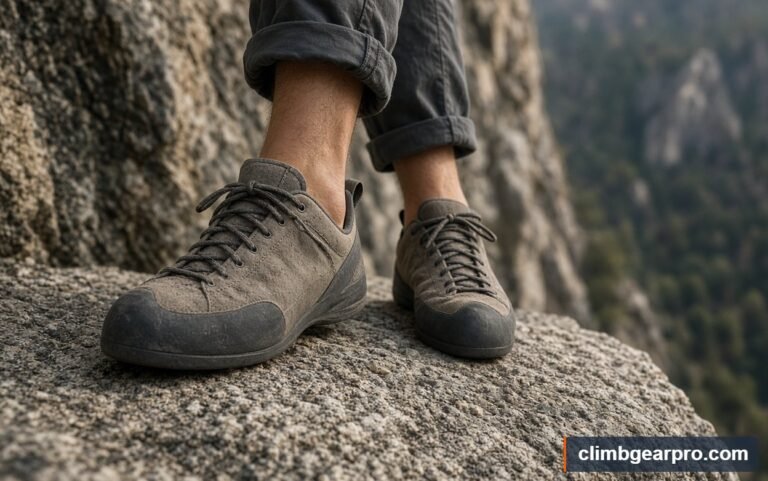
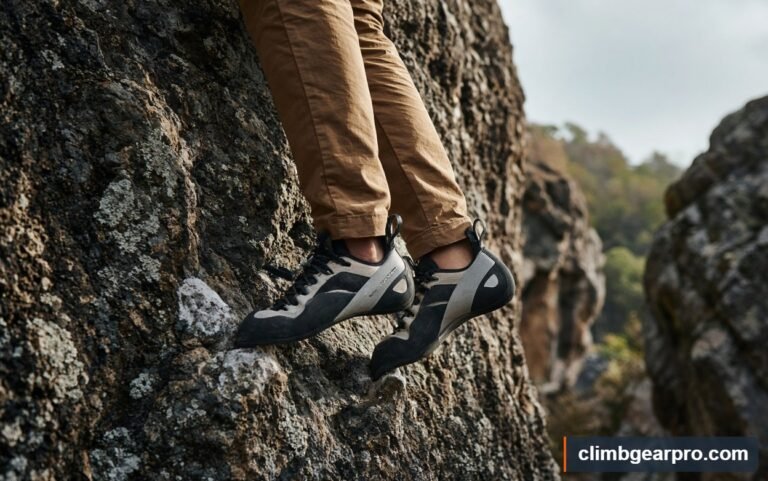
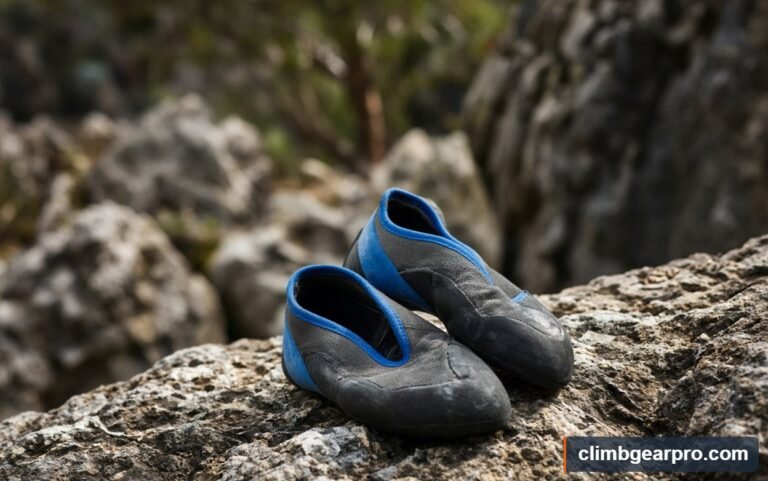
Climbing shoes are designed to help you grip and edge on rock surfaces. Lace-up climbing shoes use traditional shoelaces for closure, unlike Velcro or slip-on models. The laces allow for precise adjustment, so you can make the shoe as tight or loose as you need in different areas.
Lace-up shoes were the original design for climbing footwear. Even as newer technologies appeared, lace-ups remain popular because they offer a high level of control over fit. Many climbers choose lace-ups for technical routes, crack climbing, and situations where a snug fit matters.
Key Features Of Lace-up Climbing Shoes
Understanding the special features of lace-up climbing shoes will help you see why they stand out. Here are the main characteristics:
- Precise Fit Adjustment: Laces run from the toe to the ankle, letting you fine-tune tension in each section.
- Secure Closure: Once tied, laces rarely come undone, even after hours of climbing.
- Support and Comfort: Lace-ups tend to cover more of the foot, supporting the arch and keeping your feet comfortable.
- Versatility: Suitable for both indoor and outdoor climbing, especially on technical routes.
- Durability: The upper material is usually robust, and the laces can be easily replaced if worn out.
Example: Comparing Lace-up To Velcro Shoes
Many climbers notice the difference when switching from Velcro to lace-up shoes. Velcro models are quick to put on and take off, but they often don’t provide as much adjustability. Lace-ups let you tighten the toe box for edging or loosen the midfoot for comfort during long climbs.
Advantages Of Lace-up Climbing Shoes
Why do climbers choose lace-up shoes when faster options exist? Here are the main advantages:
- Custom Fit: You can make the shoe tighter where you need support and looser where you want comfort.
- Better Performance: On technical climbs, a precise fit helps you feel the rock and use smaller holds.
- Crack Climbing Support: Lace-ups protect your feet during jamming in cracks, as they cover more surface area.
- Less Stretch Over Time: Many lace-ups hold their shape better, so they don’t become sloppy after months of use.
- Replacement Laces: If the laces break, you can easily replace them without buying new shoes.
Real-life Example: Technical Trad Routes
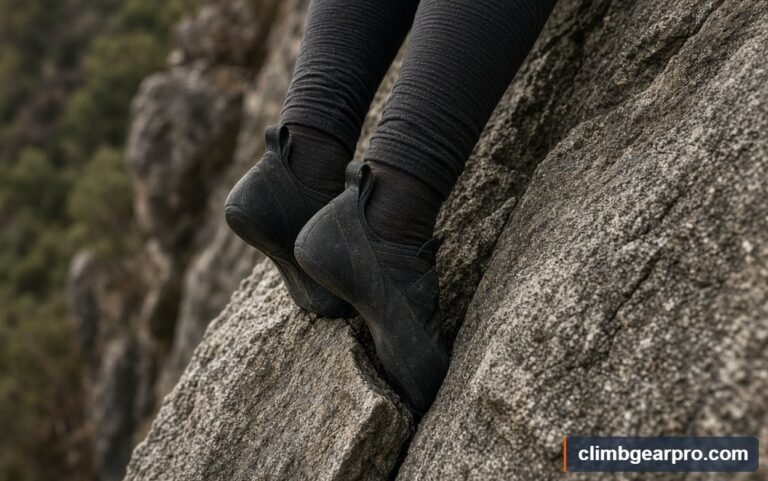
Climbers tackling granite cracks often choose lace-ups. The ability to cinch the shoe tightly prevents slipping and gives extra protection against rough rock. This small detail can make a big difference in safety and performance.
Disadvantages Of Lace-up Climbing Shoes
No product is perfect. Lace-up climbing shoes also have downsides:
- Longer to Put On/Take Off: Tying and untying laces takes more time than Velcro.
- Can Be Hot: More coverage means less ventilation, which can lead to sweaty feet.
- Laces May Wear Out: If you climb cracks often, laces can break due to abrasion.
- Less Convenient for Bouldering: Quick sessions may be easier with slip-on or Velcro shoes.
Insight: Common Mistakes
A mistake beginners make is not lacing the shoes tightly enough. Loose laces reduce the benefits, leading to sloppy footwork and discomfort. Another oversight is not replacing worn laces soon enough, risking unexpected breaks during climbing.
Types Of Lace-up Climbing Shoes
Lace-up climbing shoes come in various styles. Knowing these types will help you find the best match for your climbing goals.
All-round Lace-ups
These are designed for general use. They balance comfort and performance, suitable for gym climbing, sport routes, and easy trad climbs.
Performance Lace-ups
Built for advanced climbers, these shoes have aggressive shapes for steep terrain. They focus on toe power, sensitivity, and tight fit.
Crack Climbing Lace-ups
These models have a flat profile and durable upper material. The design protects your feet during jamming and makes it easier to slide into narrow cracks.
Beginner Lace-ups
For new climbers, these shoes offer a relaxed fit, thicker rubber, and extra padding. They are more forgiving and comfortable during long sessions.
How To Choose Lace-up Climbing Shoes
Picking the right pair of lace-up shoes can be confusing. Here’s what matters:
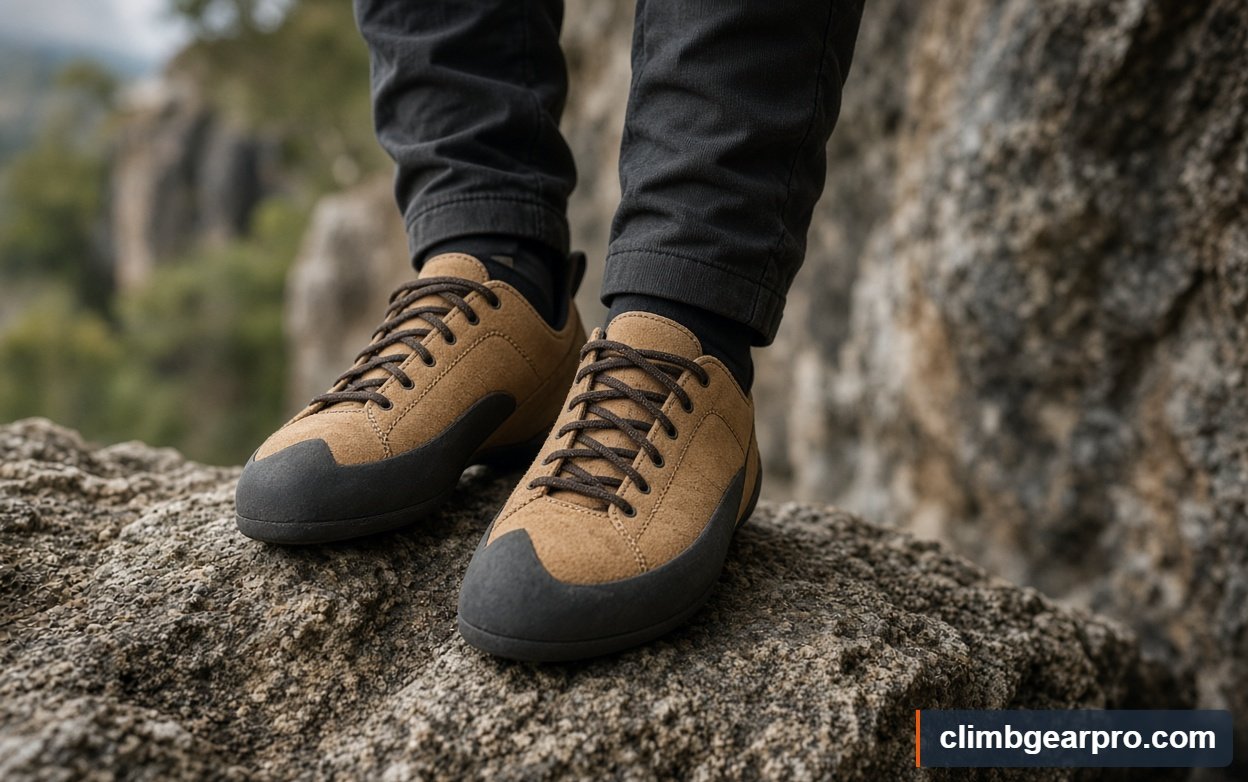
- Fit: Try shoes on and make sure there are no gaps. Your toes should touch the front but not curl painfully.
- Shape: Choose flat shoes for comfort, or downturned shoes for performance.
- Material: Leather stretches over time, while synthetic stays close to original fit.
- Lace Design: Some shoes use thin laces for easy tightening, others use thick laces for durability.
- Intended Use: Match the shoe to your climbing style — sport, trad, bouldering, or gym.
Comparison Table: Lace-up Vs. Velcro Vs. Slip-on
Here’s a quick look at how these shoe types differ:
| Feature | Lace-Up | Velcro | Slip-On |
|---|---|---|---|
| Fit Adjustability | Excellent | Good | Limited |
| Speed | Slow | Fast | Very Fast |
| Durability | High | Medium | Medium |
| Comfort | High | Medium | Low |
| Best for | Technical, cracks | Bouldering, gym | Indoor, quick climbs |
Popular Lace-up Climbing Shoe Models
Many brands offer lace-up climbing shoes. Here are some of the best-known models:
- La Sportiva Miura Lace: Famous for its performance and precise fit. Great for sport and trad.
- Five Ten Anasazi Lace: Known for comfort and edging power. A favorite among trad climbers.
- Scarpa Vapor Lace: Balances sensitivity and support, ideal for mixed terrain.
- Evolv Defy Lace: Designed for beginners, offers comfort and durability.
- Mad Rock Drifter: Affordable and versatile, good for gym climbing.
- Black Diamond Momentum Lace: Breathable and comfortable, suitable for all levels.
Data Table: Model Comparison
Here’s a summary of features for popular lace-up shoes:
| Model | Fit Type | Best Use | Upper Material | Average Price (USD) |
|---|---|---|---|---|
| La Sportiva Miura Lace | Performance | Sport, trad | Leather | $185 |
| Five Ten Anasazi Lace | Comfort | Trad, gym | Synthetic | $150 |
| Scarpa Vapor Lace | Balanced | Mixed routes | Microfiber | $175 |
| Evolv Defy Lace | Beginner | Gym, beginner | Synthetic | $90 |
| Mad Rock Drifter | All-round | Indoor, sport | Leather | $60 |
| Black Diamond Momentum Lace | Comfort | All-round | Engineered knit | $100 |
Fitting And Sizing Tips
Proper fit is critical for climbing shoes. Here’s how to get it right:
- Try Shoes Later in the Day: Feet swell during the day. Testing shoes when your feet are largest helps avoid buying too-small pairs.
- Wear Thin Socks or Barefoot: Most climbers wear shoes barefoot. If you want socks, use very thin ones.
- Check Toe Position: Toes should touch the front but not be painfully curled.
- Test Tightness: Lace the shoes tightly and walk around. If you feel numbness, loosen a bit.
- Break-In Period: Leather shoes stretch, usually up to half a size. Synthetic shoes stretch less.
- Return Policy: Always check if the store allows returns, especially when buying online.
Common Sizing Mistakes
Some climbers buy shoes too loose for comfort, losing performance. Others buy too tight, causing pain and blisters. The best fit is snug but not crushing.
Care And Maintenance Of Lace-up Climbing Shoes
Taking care of your shoes extends their life. Here’s what you need to know:
- Clean After Use: Wipe dirt and chalk with a damp cloth.
- Air Dry: Never leave shoes wet or in direct sunlight. Let them dry naturally.
- Replace Laces: If laces show signs of wear, change them before they break.
- Avoid Machine Washing: Hand-clean shoes to protect materials.
- Check Rubber: Inspect the sole for thinning. Resole before holes appear.
- Store Properly: Keep shoes in a cool, dry place.
Practical Tips
Leaving shoes in a hot car can damage both the rubber and upper. Use a dedicated climbing shoe bag to keep them safe.
Performance Factors: What Really Matters
Performance isn’t just about tightness. Here are the factors that count:
- Toe Box Shape: Pointed toe boxes help on small holds, but can cause discomfort.
- Stiffness vs. Sensitivity: Stiffer shoes support edging, while softer shoes let you feel the rock.
- Heel Design: A snug heel prevents slippage during heel hooks.
- Rubber Quality: Better rubber means more grip. Vibram XS Edge and Stealth C4 are well-known types.
- Lace Placement: Laces that reach close to the toe offer more adjustment.
Data Table: Shoe Performance Features
A comparison of key performance features:
| Feature | High-End Shoes | Entry-Level Shoes |
|---|---|---|
| Toe Box Shape | Aggressive, pointed | Flat, rounded |
| Stiffness | Variable (stiff to soft) | Mostly stiff |
| Rubber Quality | Premium (Vibram, Stealth) | Basic |
| Lace Placement | Close to toe | Midfoot only |
Lace-up Shoes For Different Climbing Styles
Lace-up shoes are not just for one type of climbing. Here’s how they work across disciplines:
Trad Climbing
Lace-ups shine in traditional climbing. The full-foot coverage and precise fit are perfect for jamming in cracks and edging on tiny holds.
Sport Climbing
Performance lace-ups offer aggressive shapes for steep sport routes. Tight lacing helps transfer power to the toes.
Bouldering
While Velcro is common for bouldering, some climbers prefer lace-ups for technical problems where fit matters more than speed.
Indoor Climbing
All-round lace-ups are a good choice for the gym. They offer comfort and durability for repeated sessions.
Lace-up Vs. Velcro: Which Should You Choose?
The debate between lace-up and Velcro shoes is ongoing. Here’s how to decide:
- Choose Lace-Up If: You need precise fit, climb cracks, or value durability.
- Choose Velcro If: You want speed, convenience, and easy removal.
Some climbers own both types, using lace-ups for long routes and Velcro for quick sessions.
Non-obvious Insight
Lace-up shoes can be adjusted mid-climb. If your feet swell or you need a tighter fit for a crux section, you can stop and retie. Velcro shoes can’t offer this level of control.
The Science Behind Lace-up Shoe Design
Modern lace-up climbing shoes use advanced materials and ergonomic designs. Here’s what goes into making them:
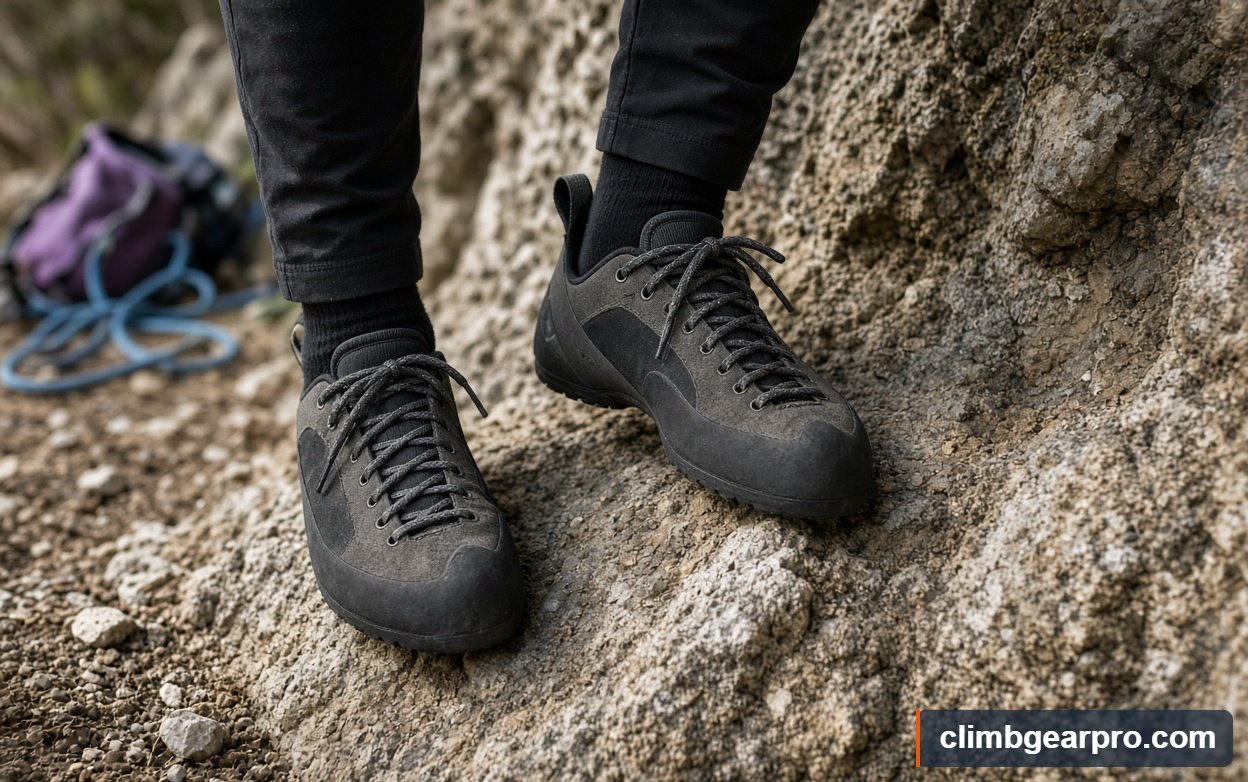
- Upper Materials: Leather, synthetic microfiber, and engineered knit offer different levels of stretch, breathability, and durability.
- Outsole Rubber: High-friction rubber compounds (like Vibram XS Edge) improve grip and last longer.
- Midsole: Some shoes use stiff midsoles for support, others are flexible for sensitivity.
- Last Shape: The “last” is the mold used to shape the shoe. Aggressive lasts create downturned shoes for advanced climbing.
- Lace System: Some shoes use eyelets, others use loops or hooks for different tightening options.
Practical Example
The La Sportiva Miura Lace uses a leather upper and Vibram XS Edge rubber. The lace system runs close to the toe, allowing climbers to adjust fit for tiny holds.
Environmental Impact And Sustainability
Climbing shoe manufacturers are moving toward sustainable materials. Here’s how lace-up shoes fit in:
- Leather vs. Synthetic: Leather production has a higher environmental impact, but lasts longer. Synthetic materials are less impactful but stretch less.
- Recycling Programs: Some brands offer shoe recycling or resoling services.
- Eco-Friendly Laces: New models use recycled polyester for laces.
Insight: Resoling
Lace-up shoes are easier to resole because they hold their shape well. Resoling extends shoe life and reduces waste.
Buying Lace-up Climbing Shoes Online
Online shopping offers more choices but comes with risks. Here’s how to buy safely:
- Check Size Charts: Different brands use different sizing. Compare your foot length to the chart.
- Read Reviews: Look for comments on fit, stretch, and durability.
- Return Policy: Make sure you can return or exchange shoes.
- Order Multiple Sizes: Some stores allow you to try several sizes and return the ones that don’t fit.
External Resource
For more details on climbing shoe materials and fit, visit Wikipedia: Climbing Shoe.
Tips For Breaking In New Lace-up Shoes
Breaking in new shoes can be uncomfortable, but these tips help:
- Wear at Home: Use your new shoes for short periods indoors before climbing.
- Stretch with Socks: Thick socks can help stretch leather shoes gently.
- Avoid Heat: Don’t use heaters or ovens to stretch shoes; this can damage materials.
- Climb Short Routes: Start with easy climbs to let shoes mold to your feet.
- Patience: Full break-in can take a few weeks of regular climbing.
Common Mistake
Trying to rush break-in by wearing shoes too long causes blisters and pain. Go slow and let the shoes adapt naturally.
Customizing Lace-up Climbing Shoes
Some climbers like to personalize their shoes. Here’s how:
- Change Laces: Use different colors or thicknesses for style and function.
- Add Insoles: Thin insoles can improve comfort, but may reduce sensitivity.
- Toe Caps: Some shoes allow for protective toe caps, useful for crack climbing.
- Resoling: Upgrade to premium rubber when replacing soles.
Non-obvious Insight
Custom lacing patterns can change fit. For example, skipping eyelets near the toe gives more room, while double-lacing midfoot increases support.
How Long Do Lace-up Climbing Shoes Last?
Lifespan depends on use and care:
- Casual Climbers: Shoes can last 1–2 years.
- Frequent Climbers: Heavy use wears out shoes in 6–12 months.
- Resoling: Extends life by 6–12 months.
- Laces: May need replacement every few months, especially for crack climbers.
Signs It’s Time For New Shoes
- Holes in the rubber
- Upper material tearing
- Laces breaking often
- Loss of shape or support
Frequently Asked Questions
What Makes Lace-up Climbing Shoes Better For Crack Climbing?
Lace-up shoes cover more of your foot, protecting it from abrasion during crack jamming. The secure closure prevents shoes from loosening when pressure is applied. Many crack climbers also adjust laces to reduce discomfort in tight cracks.
Can I Replace The Laces On My Climbing Shoes?
Yes. Most lace-up climbing shoes have standard eyelets, so you can use regular shoelaces. Choose durable, flat laces that don’t slip easily. Replacing laces is simple and much cheaper than buying new shoes.
How Do I Know If My Lace-up Shoes Fit Correctly?
Your toes should touch the front without painful curling. The shoe should feel snug all around, but not cause numbness. Walk and climb for a few minutes to check for hot spots or discomfort. If you feel pain or pressure points, try a different size or model.
Are Lace-up Climbing Shoes Good For Beginners?
Absolutely. Many beginner models use lace-up designs because they offer a comfortable fit and easy adjustment. New climbers benefit from the support and versatility. Choose a relaxed, flat shoe for learning before moving to aggressive models.
What’s The Best Way To Clean Lace-up Climbing Shoes?
Wipe with a damp cloth after each session. Air dry away from heat and sunlight. For deep cleaning, use mild soap and water, avoiding machine washing. Replace laces when dirty or frayed. Clean shoes last longer and perform better.
Lace-up climbing shoes continue to be a top choice for many climbers. Their adjustable fit, durability, and performance advantages make them suitable for a wide range of climbing styles. While they take longer to put on, the benefits outweigh the drawbacks for most users.
By understanding the features, types, and care tips, you can choose the best lace-up shoes for your needs and enjoy climbing with confidence and comfort.
5 Comments