
Tubular Belay Device: Essential Guide for Safe Climbing
Climbers know that safety and control are everything. One tool that changed the way climbers belay is the tubular belay device. This simple piece of gear makes rope handling smoother, safer, and more predictable, whether you are sport climbing indoors, trad climbing outdoors, or learning the basics.
But what exactly is a tubular belay device, how does it work, and why do so many climbers trust it? Let’s explore the details, find out how to use it correctly, compare it with other devices, and discover tips for making the most of this essential equipment.
Key Takeaways
- What Is A Tubular Belay Device?
- How Tubular Belay Devices Work
- Types Of Tubular Belay Devices
- Advantages Of Tubular Belay Devices
- Disadvantages And Limitations
- Comparing Tubular Belay Devices With Other Belay Devices
On this page
- What Is A Tubular Belay Device?
- How Tubular Belay Devices Work
- Types Of Tubular Belay Devices
- Advantages Of Tubular Belay Devices
- Disadvantages And Limitations
- Comparing Tubular Belay Devices With Other Belay Devices
- How To Use A Tubular Belay Device Correctly
- Choosing The Right Tubular Belay Device
- Maintenance And Care
- Advanced Techniques And Tips
- Common Mistakes With Tubular Belay Devices
- Tubular Belay Device For Different Types Of Climbing
- Tubular Belay Devices And Rope Longevity
- Innovations And Trends
- Environmental Impact
- Real-world Example: Climber Story
- Expert Recommendations
- Tubular Belay Device Vs. Assisted-braking Device: When To Choose Each
- Where To Learn More
- Frequently Asked Questions
What Is A Tubular Belay Device?
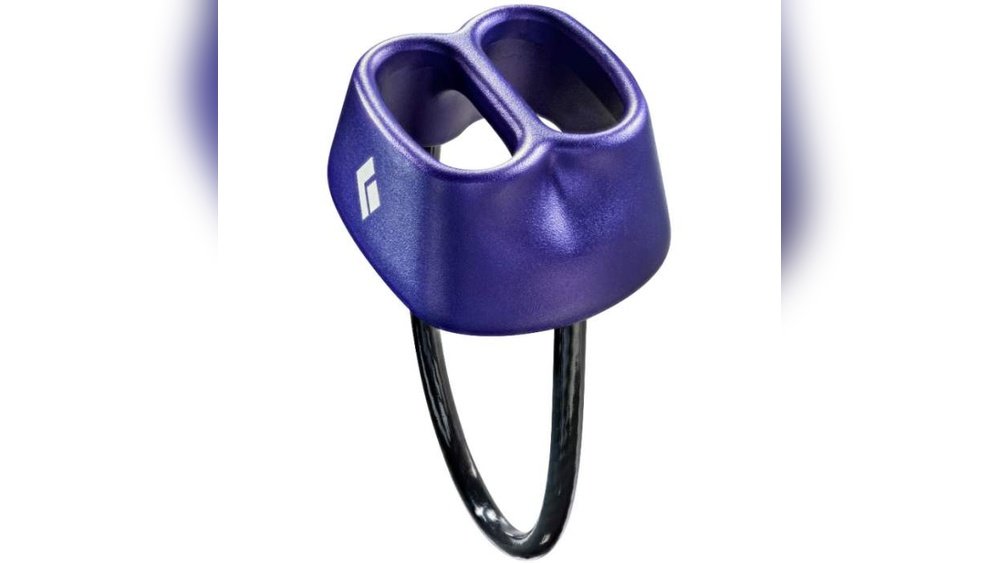
A tubular belay device is a small, lightweight tool made from metal (usually aluminum) that climbers use to manage the rope while belaying or rappelling. The device has a simple, tube-shaped design with two slots. You thread the rope through these slots, then use a carabiner to clip it to your harness. When you pull on the rope, friction is created, making it easier to hold a climber’s weight or control their descent.
Modern tubular devices are often called “ATC” after the original Air Traffic Controller model by Black Diamond. Today, there are many brands and designs, but the basic principle remains the same: the device uses friction between rope and metal to help the belayer control movement.
Related guides
Explore related guides: ATC Style Belay Device: Ultimate Guide for Safe Climbing · Assisted Braking Belay Device: Ultimate Guide for Safe Climbing · Guide Mode Belay Device: Ultimate Climber’s Safety Tool Explained.

- USER FRIENDLY: Feeding slack and catching falls are accomplished using standard belay techniques, always keeping a hand …
- MULTI-USE COMPATIBLE: Can be used for belay or rappel. Compatible with 8.5 to 11 mm dynamic single ropes, 7.1 to 9.2 mm …
- LIGHTWEIGHT and DURABLE: Compact and lightweight (55 g). Rounded design of the rope slots limits wear and extends the li…
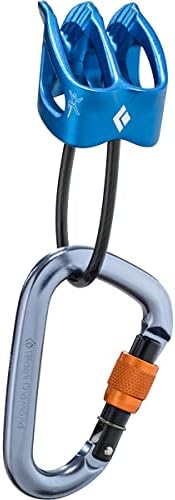
- COMPLETE BELAY SETUP: Includes the ATC-XP belay/rappel device paired with a RockLock locking carabiner for a ready-to-us…
- ATC-XP WITH HIGH-FRICTION MODE: Engineered with two friction modes for enhanced stopping power and controlled lowering. …
- ROCKLOCK LOCKING CARABINER: Large HMS-style locker delivers smooth rope flow and secure belay performance. Features a ke…
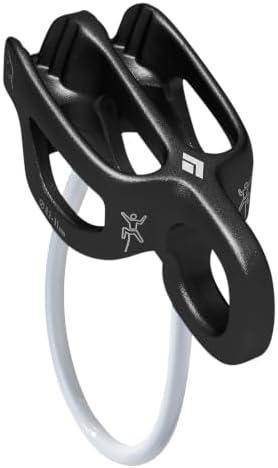
- VERSATILE BELAY & RAPPEL PERFORMANCE: Designed for belaying one or two climbers and for smooth, controlled rappelling. I…
- AUTO-BLOCK MODE FOR MULTI-PITCH CLIMBS: Auto-block functionality allows secure belaying of one or two seconding climbers…
- MULTI-MODE FRICTION CONTROL: High-friction and low-friction modes accommodate a wide range of rope diameters, offering s…

- 100% Aluminium
- Imported
- ASSISTED BLOCKING: Features a cam-assisted blocking system that improves belaying comfort; when the climber falls or wei…

- Aluminium body
- Imported
- MULTI-PURPOSE VERSATILITY: Designed for cragging, multi-pitch, and mountaineering; allows for belaying a leader, rappell…

- ASSISTED-BRAKING SECURITY: Provides added control when catching falls, offering a more secure belay experience compared …
- SMOOTH, PREDICTABLE ROPE HANDLING: Engineered for controlled lowering and clean rope feed while belaying a leader. Allow…
- ERGONOMIC, EASY-TO-USE DESIGN: Intuitive handling makes it suitable for new and experienced climbers. Large thumb surfac…
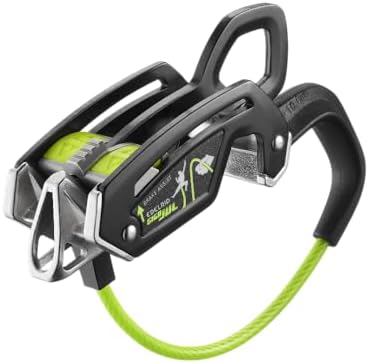
- Belay device switches from assisted braking to standard belays
- Massive 7.1 – 10mm climbing rope diameter compatibility
- Clips to anchors for assisted braking top rope belays
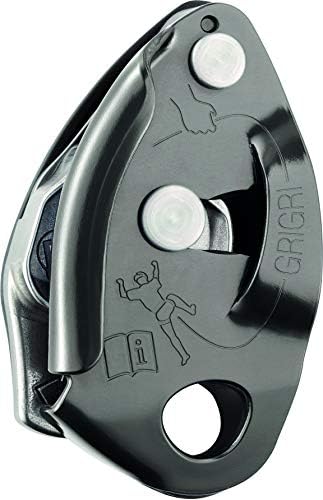

- USER FRIENDLY: Feeding slack and catching falls are accomplished using standard belay techniques, always keeping a hand …
- MULTI-USE COMPATIBLE: Can be used for belay or rappel. Compatible with 8.5 to 11 mm dynamic single ropes, 7.1 to 9.2 mm …
- LIGHTWEIGHT and DURABLE: Compact and lightweight (55 g). Rounded design of the rope slots limits wear and extends the li…
Key Features
- Dual slots: Hold one or two ropes for versatility.
- Lightweight: Usually under 100 grams.
- Simple design: Easy to use, even for beginners.
- Durable: Made from strong materials like aluminum.
How Tubular Belay Devices Work
The device’s function relies on friction. When belaying, the rope runs through the slots and around a carabiner. Pulling on the rope increases friction, letting the belayer lock off the rope and stop a fall.
Belaying
When a climber ascends, the belayer feeds rope through the device. If the climber falls, the belayer pulls back sharply, locking the rope. The device’s shape and smooth edges help prevent rope damage.
Rappelling
For rappelling, you thread the rope through both slots. The device slows your descent, allowing you to control speed with your grip. This makes rappelling safer and less tiring.
Rope Compatibility
Tubular devices work with many rope diameters, usually from 7.7 mm to 11 mm. Thinner ropes require more attention, as they slide easier and create less friction. Always check the manufacturer’s guidelines before use.
Types Of Tubular Belay Devices
There are several variations, each designed for specific climbing needs. Here are the main types:
Standard Tubular Device
This is the classic model with two slots. It works well for single-pitch sport climbing, gym climbing, and top-roping.
Tubular Device With Guide Mode
Some devices offer a guide mode for multi-pitch climbs. This feature lets the belayer anchor the device and belay two followers at once. It’s common in trad climbing and alpine climbing.
Tubular Device With Teeth
Some devices have serrated edges (teeth) to increase friction. These are useful for thinner ropes or when extra stopping power is needed.
Single-slot Tubular Device
A few models have only one slot, mainly for single rope use. These are lighter and more compact but less versatile.
Advantages Of Tubular Belay Devices
Why do so many climbers prefer tubular devices? Here are some of the main benefits:
- Versatile: Can be used for belaying, rappelling, and different rope types.
- Lightweight: Easy to carry and doesn’t add much weight to your harness.
- Durable: Resistant to wear and tear; lasts for years.
- Affordable: Most models cost between $15-$30.
- Smooth Rope Handling: Less chance of rope jams or kinks.
- Low Maintenance: No moving parts, so cleaning and care are simple.
Example
A climber can use the same device for sport climbs at the gym, trad climbs outdoors, and rappelling down a cliff. This flexibility is a big reason tubular devices are so popular.
Disadvantages And Limitations
Tubular devices aren’t perfect. Here are some downsides to consider:
- No auto-lock: The belayer must always hold the brake rope.
- Can be tiring: Holding heavy loads for a long time can fatigue your hands.
- Less suited for beginners: Requires good technique to avoid mistakes.
- Not ideal for rescue situations: Some devices lack advanced features for complex rescues.
Common Mistakes
Beginners often let go of the brake rope, thinking the device will hold automatically. This is dangerous. Always keep your brake hand on the rope.
Comparing Tubular Belay Devices With Other Belay Devices
Climbers have many choices. How does a tubular belay device compare to other types like assisted-braking devices and figure 8s? Here’s a direct comparison:
| Device Type | Weight (grams) | Auto-locking | Rope Compatibility | Price Range |
|---|---|---|---|---|
| Tubular | 60-100 | No | 7.7-11 mm | $15-$30 |
| Assisted-Braking | 150-200 | Yes | 8.5-11 mm | $50-$120 |
| Figure 8 | 100-150 | No | 8-11 mm | $20-$40 |
Tubular devices are lighter and less expensive, but assisted-braking devices offer more security. Figure 8s are used mainly for rappelling, not belaying.
How To Use A Tubular Belay Device Correctly
Learning the right technique is essential for safety. Here’s a practical step-by-step guide:
Step 1: Thread The Rope
Push a bight (loop) of rope through one slot. For double ropes, use both slots.
Step 2: Attach Carabiner
Clip a locking carabiner through the rope and the device, then attach it to your harness.
Step 3: Check Orientation
Make sure the device is facing the right way. The brake rope should run through the slot closest to your dominant hand.
Step 4: Belay Position
Hold the brake rope firmly. Use the PBUS (Pull, Brake, Under, Slide) method for feeding and catching rope.
Step 5: Practice Stopping
Simulate a fall to check your ability to lock off the rope.
Step 6: Rappelling
For rappelling, thread both ends of the rope through the device, use a locking carabiner, and control speed with your brake hand.
Safety Tips
- Always double-check your setup before climbing.
- Never let go of the brake rope.
- Use gloves for rappelling if the rope is thin or rough.
Choosing The Right Tubular Belay Device
Not all tubular devices are the same. Here’s what matters when picking one:
Rope Diameter
Check your rope’s thickness. Most devices list compatible sizes. Using a device with the wrong diameter can reduce friction and safety.
Guide Mode
If you climb multi-pitch routes, consider a device with guide mode for belaying two followers.
Weight And Size
A lighter device is easier to carry but might wear faster. Heavier models last longer and handle big walls better.
Teeth Or No Teeth
Teeth add friction for thinner ropes. If you mostly climb with thick ropes, a smooth device is fine.
Price
More expensive devices usually offer extra features or durability. For basic climbing, a standard model is enough.
Comparison Table: Popular Tubular Devices
Here’s a look at some popular models:
| Device | Weight (g) | Guide Mode | Teeth | Price (USD) |
|---|---|---|---|---|
| Black Diamond ATC | 60 | No | No | $15 |
| Petzl Verso | 55 | No | Yes | $20 |
| Black Diamond ATC Guide | 88 | Yes | Yes | $30 |
| Camp Orbit | 85 | No | No | $17 |
Maintenance And Care
Tubular belay devices last a long time if treated well. Here’s how to keep yours in good condition:
- Clean regularly: Wipe off dirt and dust after each use.
- Check for wear: Look for grooves, sharp edges, or cracks.
- Store dry: Avoid moisture to prevent corrosion.
- Avoid dropping: Dropping the device on hard surfaces can create cracks.
Non-obvious Insight
If you notice the device developing grooves, it’s a sign the rope is too abrasive or the device is nearing the end of its lifespan. Replace it before it affects safety.
Advanced Techniques And Tips
Experienced climbers use tubular devices in creative ways. Here are some advanced tips:
- Reversing the device: If one slot wears out, use the other slot to extend lifespan.
- Belaying with gloves: Reduces rope burn and improves grip, especially with skinny ropes.
- Stance adjustment: Stand closer to the wall for better control, especially when catching a fall.
Practical Example
On a long multi-pitch route, a climber uses guide mode to belay two partners at once. This saves time and lets the team move efficiently.
Common Mistakes With Tubular Belay Devices
Even experienced climbers make errors. Here are some to watch for:
- Incorrect threading: Threading the rope through the wrong slot or upside down reduces friction.
- Loose carabiner: Failing to lock the carabiner can cause accidents.
- Brake hand confusion: Switching hands mid-belaying risks dropping the climber.
- Dirty device: Dirt and sand can scratch ropes and wear out the device.
How To Avoid Mistakes
- Practice setup before each climb.
- Use a checklist for gear inspection.
- Watch instructional videos from trusted sources.
Tubular Belay Device For Different Types Of Climbing
Tubular devices suit many climbing styles. Here’s how they fit in:
Sport Climbing
Most sport climbers use tubular devices for top-rope and lead climbing. They are fast, light, and easy to operate.
Trad Climbing
Trad climbers value versatility. Devices with guide mode help with multi-pitch climbs.
Gym Climbing
Gyms often recommend tubular devices for beginners, but staff may require assisted-braking devices for extra safety.
Alpine And Ice Climbing
Tubular devices work well with double ropes, common in alpine climbing. Choose models with teeth for icy or thin ropes.
Tubular Belay Devices And Rope Longevity
Using the right device can extend your rope’s life. Tubular devices are gentle compared to assisted-braking devices with cams.
Data
Tests show that ropes used with tubular devices last 10-20% longer than ropes used with devices that have metal cams or moving parts.
Example
A climber who uses only tubular devices reports less sheath wear and fewer kinks after a year of regular climbing.
Innovations And Trends
Tubular belay devices continue to evolve. Some new trends:
- Eco-friendly materials: Manufacturers use recycled aluminum.
- Ergonomic shapes: Devices fit hands better and reduce fatigue.
- Color coding: Bright colors help identify slots and reduce setup mistakes.
Non-obvious Insight
Some newer devices include a small groove for easier rope feeding. This is helpful for beginners who struggle with stiff ropes.
Environmental Impact
Tubular devices have a low environmental footprint. They last many years, can be recycled, and don’t use plastics or batteries. Compared to assisted-braking devices, they create less waste and require fewer resources.
Real-world Example: Climber Story
Sarah, a trad climber, uses a tubular belay device for all her climbs. She values its reliability and light weight. On a recent trip, she belayed two partners at once using guide mode. She also rappelled safely down a 200-foot cliff, controlling speed smoothly.
Her device lasted over 5 years, showing only minor wear.
Expert Recommendations
- For beginners: Start with a standard tubular device and practice belaying.
- For multi-pitch climbs: Choose a device with guide mode.
- For thin ropes: Use a device with teeth for extra friction.
- For heavy use: Inspect your device often and replace if worn.
Tubular Belay Device Vs. Assisted-braking Device: When To Choose Each
Still unsure which device fits your needs? Here’s a quick comparison:
| Scenario | Tubular Device | Assisted-Braking Device |
|---|---|---|
| Beginner Gym Climbing | Good | Excellent |
| Sport Lead Climbing | Excellent | Good |
| Trad Multi-Pitch | Excellent | Fair |
| Rappelling | Excellent | Fair |
| Rescue Situations | Fair | Excellent |
Where To Learn More
If you want deeper technical details or official guidelines, visit the Wikipedia page on belay devices. It offers history, diagrams, and scientific explanations.
Frequently Asked Questions
What Is The Main Purpose Of A Tubular Belay Device?
The main purpose is to provide friction for belaying and rappelling. This lets the belayer control rope movement, stop falls, and lower climbers safely.
Can I Use A Tubular Belay Device For All Types Of Climbing?
Yes, tubular devices work for sport, trad, gym, and alpine climbing. However, for certain situations (like rescue or big-wall climbing), other devices may be better.
How Often Should I Replace My Tubular Belay Device?
Replace your device if you notice deep grooves, cracks, or sharp edges. Most climbers replace theirs every 3-5 years with regular use.
Is A Tubular Belay Device Safe For Beginners?
It is safe if the user learns proper technique. Beginners should always keep their brake hand on the rope and practice under supervision.
What Ropes Are Compatible With Tubular Belay Devices?
Tubular devices fit ropes from 7.7 mm to 11 mm. Always check your device’s specifications to ensure compatibility.
Climbing with a tubular belay device combines simplicity, reliability, and versatility. Whether you’re a beginner or a seasoned climber, understanding how to use this tool properly can make your adventures safer and more enjoyable. With the right care, technique, and device selection, you can trust your belay every time you step onto the wall.

2 Comments