Gym Rental Harness: Ultimate Guide to Choosing the Best Option
Renting a gym harness is becoming more popular as indoor climbing, obstacle courses, and fitness training grow. If you are new to gym harness rentals, you may wonder about safety, types, costs, and the experience. Today, gyms offer harnesses for many activities—from rock climbing to aerial yoga—making them accessible for all skill levels.
Understanding how gym rental harnesses work, what to look for, and how to use them safely will help you get the best results from your visit.
Key Takeaways
- What Is A Gym Rental Harness?
- Types Of Gym Rental Harnesses
- Why Rent A Gym Harness?
- How Gym Rental Harnesses Work
- Harness Rental Costs And Pricing Models
- Choosing The Right Rental Harness
On this page
- What Is A Gym Rental Harness?
- Types Of Gym Rental Harnesses
- Why Rent A Gym Harness?
- How Gym Rental Harnesses Work
- Harness Rental Costs And Pricing Models
- Choosing The Right Rental Harness
- Safety Tips For Gym Rental Harness Users
- Common Mistakes With Gym Rental Harnesses
- Hygiene And Maintenance Of Rental Harnesses
- How Often Are Rental Harnesses Replaced?
- Gym Rental Harnesses For Events And Groups
- Renting Vs. Buying: Which Is Better?
- The Future Of Gym Harness Rentals
- Real-world Examples
- Legal And Liability Issues
- Gym Rental Harnesses For Children
- Accessibility And Adaptive Harnesses
- Renting Gym Harnesses Online
- Environmental Impact Of Gym Harness Rentals
- Tips For First-time Harness Renters
- Frequently Asked Questions
Recommended Products for Climbing Harnesses



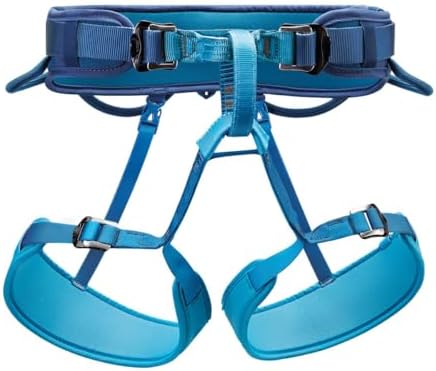
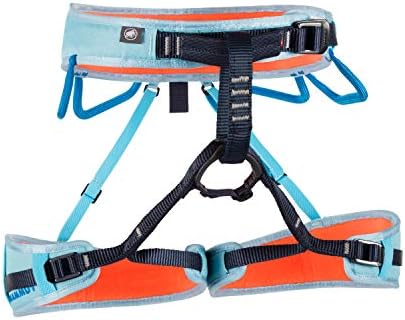


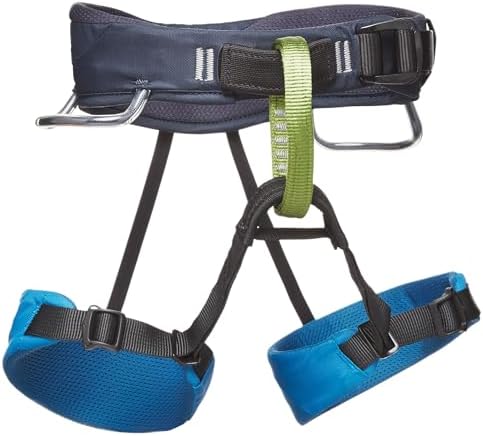

What Is A Gym Rental Harness?
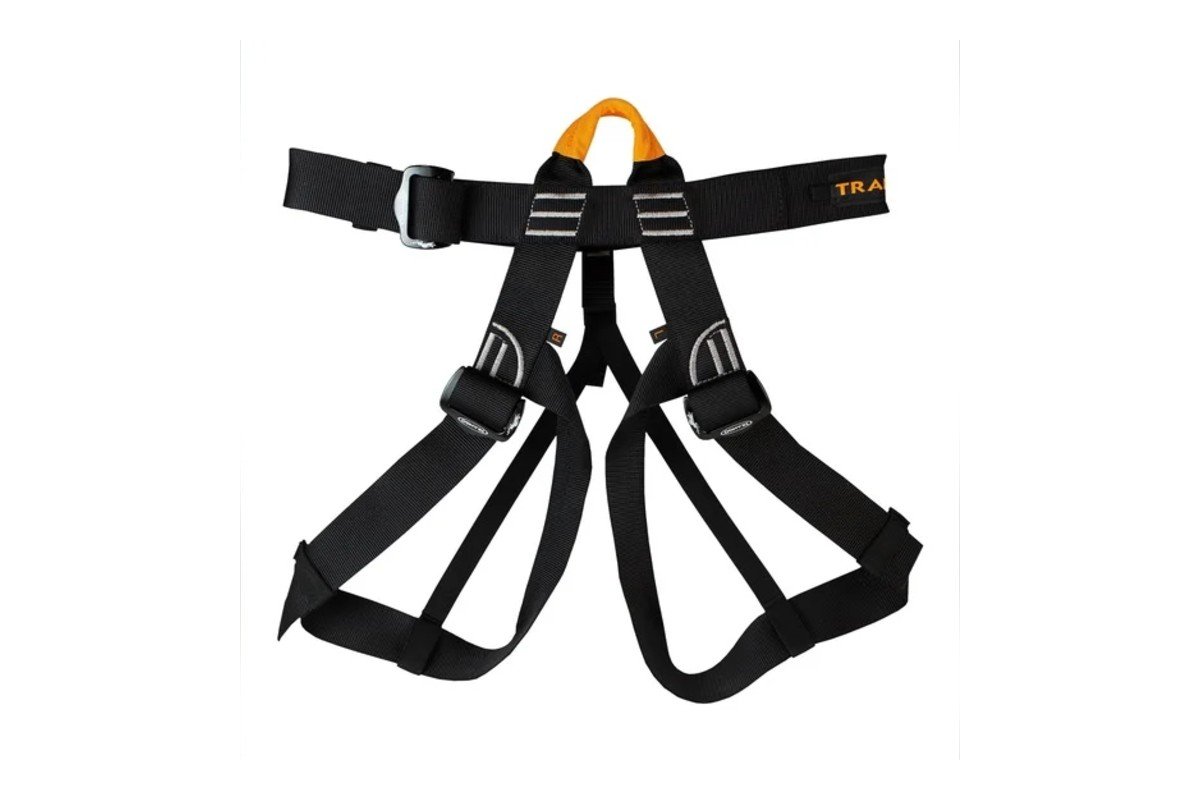
A gym rental harness is a safety device made of strong webbing and buckles, designed to fit around your waist and legs. It helps protect you during activities like climbing, aerial fitness, or obstacle courses. Unlike personal harnesses, rental harnesses are owned by the gym and used by many people. They are cleaned and checked regularly, so users can rent them for a session or a day.
Most gyms provide harnesses for both adults and children. Rental harnesses are adjustable, fitting different body sizes and shapes. They are made for easy use, even for beginners. This makes them ideal for people who want to try a new activity without buying expensive gear.
Types Of Gym Rental Harnesses
Gym harnesses come in several types, depending on the activity and user needs. Here are the main types you will find:
Climbing Harnesses
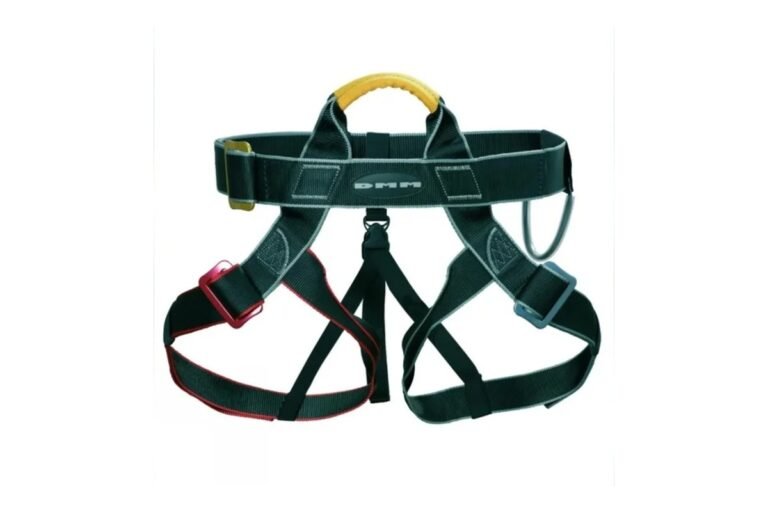
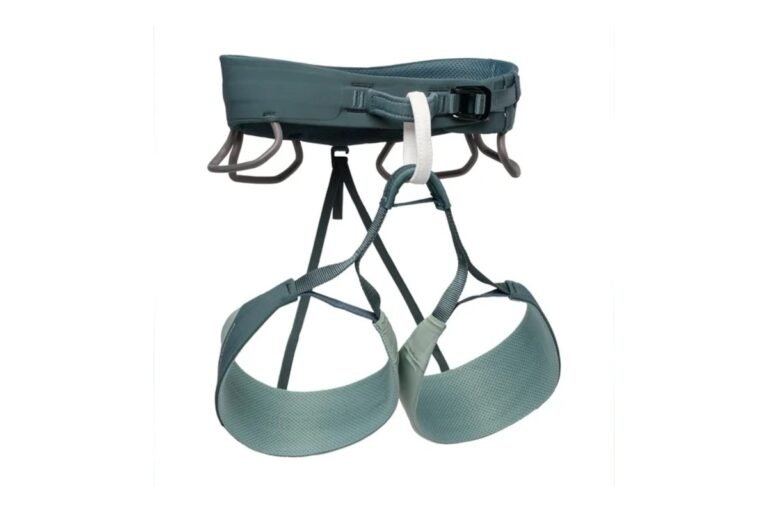
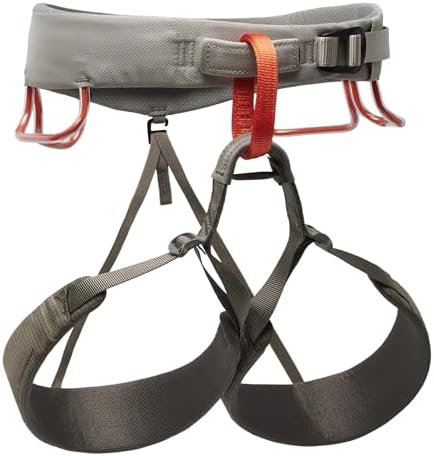
The most common rental harness is the climbing harness. These are used for indoor rock climbing and bouldering. Climbing harnesses have padded waist belts and leg loops. The front of the harness has strong tie-in points for ropes and belay devices.
Aerial And Fitness Harnesses
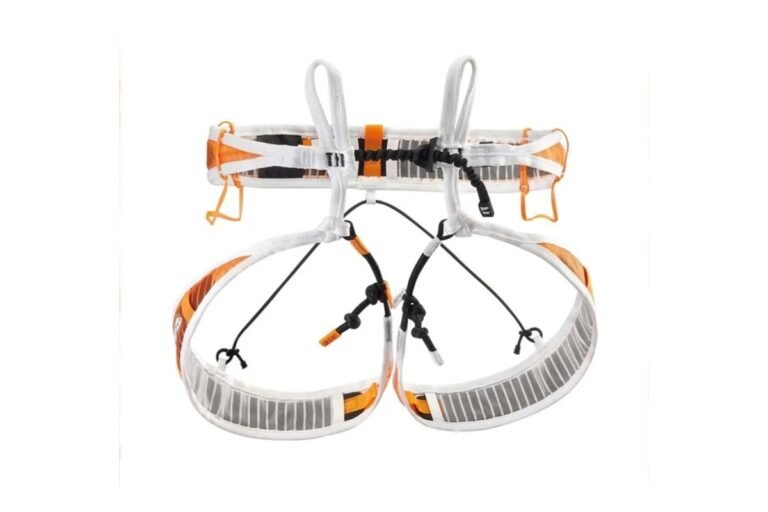
Some gyms offer aerial harnesses for classes like aerial yoga or aerial silks. These harnesses are designed to support the body during suspended movements, focusing on comfort and flexibility.
Obstacle Course Harnesses
For obstacle courses or adventure parks, gyms provide full-body harnesses. These offer extra support, with straps across the chest, waist, and legs. They are ideal for zip lines or high ropes.
Child Harnesses
Gyms often stock child harnesses. These are smaller and have extra safety features. Child harnesses may use more padding and secure buckles to prevent slipping.
Adaptive Harnesses
Some gyms have adaptive harnesses for people with disabilities. These harnesses are customized for different needs, offering extra support or different attachment points.
Comparison Of Harness Types
To help you see the differences, here is a comparison table:
| Harness Type | Main Use | Features | Age Group |
|---|---|---|---|
| Climbing Harness | Indoor climbing | Padded waist & legs, tie-in points | Adults/Children |
| Aerial Harness | Aerial yoga/fitness | Flexible, comfortable, lightweight | Adults |
| Obstacle Course Harness | Adventure parks | Full-body, extra straps | All ages |
| Child Harness | Climbing/obstacles | Smaller size, extra safety | Children |
| Adaptive Harness | Custom support | Special design, extra support | All ages |
Why Rent A Gym Harness?
Many people ask why they should rent a harness instead of buying one. Here are the main reasons:
- Cost Savings: Buying a harness can cost $50–$150. Renting costs $3–$10 per session, much cheaper for occasional use.
- Convenience: You don’t need to carry your own gear or worry about storage. The gym provides everything.
- Trying New Activities: Rentals let you try climbing or aerial classes before investing in your own harness.
- Safety Checks: Rental harnesses are inspected by gym staff. This gives peace of mind for beginners.
- Access for Groups: If you bring friends or family, everyone can use harnesses without buying multiple sets.
A non-obvious insight: rental harnesses are often replaced every 1–2 years, meaning you get newer equipment than many personal harnesses that are kept for longer.
How Gym Rental Harnesses Work
When you arrive at the gym, staff will help you choose the right harness. Here is a typical process:
Fitting And Adjustment
Staff will measure your waist and legs, or ask for your size. They show you how to put on the harness and adjust the buckles. The harness should be snug but not tight. You can move freely, but it will not slip or twist.
Safety Inspection
Before each use, gym staff check the harness for wear, damage, or loose stitching. If any part fails the inspection, they replace it.
Usage Rules
Gyms often have rules:
- Only use rental harnesses for activities allowed by the gym.
- Return harnesses after your session.
- Do not modify or remove parts.
Cleaning And Maintenance
After use, harnesses are cleaned (usually with mild soap and water). Some gyms use disinfectant sprays. Harnesses dry completely before the next rental.
Harness Rental Costs And Pricing Models
Prices for gym rental harnesses vary by location, activity, and harness type. Here’s a breakdown:
Single Session Rental
Most gyms charge $3–$10 per harness for a single session. This covers a few hours of use.
Daily Rental
For full-day use, prices range from $10–$20. This is common for adventure parks or climbing gyms.
Package Deals
Gyms may offer packages, including harness, shoes, and entry fee. Packages can save 10–20% compared to renting items separately.
Group Rates
For groups, some gyms provide discounts. For example, renting harnesses for a birthday party or school trip might cost $2–$5 per person.
Membership Add-ons
Some memberships include free harness rentals. Others offer discounts for members.
Data Table: Harness Rental Pricing
Here’s a sample data table showing average prices:
| Rental Type | Average Price | Included Items | Duration |
|---|---|---|---|
| Single Session | $5 | Harness | 2–3 hours |
| Daily | $15 | Harness | All day |
| Package | $25 | Harness, shoes, entry | All day |
| Group | $4/person | Harness | 2–3 hours |
| Membership | Free/discounted | Harness | Ongoing |
Choosing The Right Rental Harness
Selecting the best harness for your activity is important for comfort and safety. Consider these factors:
Activity Type
Different activities need different harnesses. For climbing, choose a padded harness with strong tie-in points. For aerial yoga, pick a flexible harness.
Size And Fit
A harness should fit your waist and legs comfortably. Most rental harnesses are adjustable, but if you are outside the average size range, ask for help.
Comfort
Try on the harness and move around. If you feel pinching or slipping, ask for another size or type.
Safety Features
Check for strong buckles, solid stitching, and clear instructions. Avoid harnesses with frayed webbing or loose parts.
Age And Experience
Children and beginners may need extra support. Ask staff for recommendations.
Hygiene
If you are sensitive about hygiene, ask about cleaning methods. Some gyms let you inspect harnesses before renting.
Comparison Table: Rental Vs. Personal Harness
Here’s a quick comparison:
| Feature | Rental Harness | Personal Harness |
|---|---|---|
| Cost | Low per use | High upfront |
| Convenience | Ready at gym | Carry yourself |
| Safety | Regularly checked | User’s responsibility |
| Fit | Adjustable, generic | Custom to user |
| Hygiene | Shared, cleaned | Personal only |
| Longevity | Replaced often | As long as cared for |
Safety Tips For Gym Rental Harness Users
Safety is the most important part of using a gym harness. Here are essential tips:
- Inspect Before Use: Always check for frayed webbing, broken buckles, or loose stitching.
- Proper Fit: Make sure the harness is snug but not painful. Adjust waist and leg straps fully.
- Follow Staff Instructions: Listen to staff about how to wear and use the harness.
- Avoid Misuse: Do not attach ropes or devices in the wrong place.
- Report Issues: If you notice damage, report it immediately.
- Wear Over Clothing: Wear the harness over shorts or pants, not directly on skin.
- No Modifications: Never change the harness or add parts.
- Stay within Allowed Activities: Do not use harnesses for unsupported activities.
A non-obvious tip: always check for twisted straps before tightening. Twisted straps can reduce harness strength and cause discomfort.
Common Mistakes With Gym Rental Harnesses
Beginners often make errors with harnesses. Here are frequent mistakes and how to avoid them:
- Wrong Size: Not adjusting harness properly or choosing the wrong size.
- Loose Buckles: Forgetting to double-back buckles, which can slip under load.
- Incorrect Position: Wearing harness too high or low on waist.
- Ignoring Damage: Using harnesses with visible wear.
- Over-tightening: Making harness too tight, leading to discomfort.
- Not Asking for Help: Trying to figure it out alone instead of asking staff.
Hygiene And Maintenance Of Rental Harnesses
Cleanliness is a concern for many renters. Gyms use several methods to keep harnesses safe:
- Regular Cleaning: Harnesses are washed with mild soap and water after each use.
- Disinfection: Many gyms spray harnesses with disinfectant, especially after high-traffic days.
- Drying: Harnesses are air-dried to prevent mold or odor.
- Inspection: Staff check for wear, dirt, or damage.
- Rotation: Gyms rotate harnesses, so each one has time to recover between uses.
A practical tip: If you are worried about hygiene, bring a lightweight liner or wear longer clothing under the harness.
How Often Are Rental Harnesses Replaced?
Most gyms replace harnesses every 1–2 years, or after 400–500 uses. If harnesses show signs of damage—like broken stitching, worn webbing, or rusted buckles—they are replaced immediately. This schedule is stricter than most personal harness owners follow, making rental harnesses safer than many expect.
Gym Rental Harnesses For Events And Groups
If you are organizing an event, such as a birthday party or corporate outing, gym harness rentals are ideal. Many gyms offer group packages, including harnesses, safety gear, and instruction.
- School Trips: Harnesses are available for large groups of children.
- Team Building: Companies use harness rentals for teamwork activities.
- Birthday Parties: Harnesses for kids and adults, with staff supervision.
Planning ahead will ensure enough harnesses are available. Always ask about group discounts and special offers.
Renting Vs. Buying: Which Is Better?
Deciding whether to rent or buy depends on your goals. Here are key points:
- Renting: Best for beginners, occasional users, or groups. Saves money and hassle.
- Buying: Ideal for regular climbers or aerial fitness fans. Offers custom fit, personal hygiene, and long-term value.
If you climb or use harnesses more than twice a week, buying may be cheaper over time. For most people, renting is the smarter choice.
The Future Of Gym Harness Rentals
Technology is changing gym harness rentals. Some gyms now use digital check-in systems, barcodes, and online reservations. This reduces waiting times and improves record keeping.
A few gyms are testing smart harnesses—harnesses with sensors that track usage or detect damage. This could make rentals even safer and more reliable.
Real-world Examples
Here are examples of how gym rental harnesses work in practice:
- Indoor Climbing Gyms: Most offer harness rentals as part of entry. Staff fit and check harnesses for each visitor.
- Aerial Fitness Studios: Rental harnesses are cleaned after each class, with staff helping users adjust fit.
- Obstacle Parks: Harnesses are provided for every participant, with staff monitoring usage.
A study by the Climbing Business Journal found that 85% of US climbing gyms offer harness rentals, and most replace harnesses every 1–2 years.
Legal And Liability Issues
Gyms must follow safety regulations. Rental harnesses are inspected according to standards set by groups like the UIAA (International Climbing and Mountaineering Federation). Gyms may require waivers before using rental harnesses.
If you are injured due to harness failure, gyms are usually responsible, but only if you follow all usage rules. Always read the waiver and ask questions if unsure.
Gym Rental Harnesses For Children
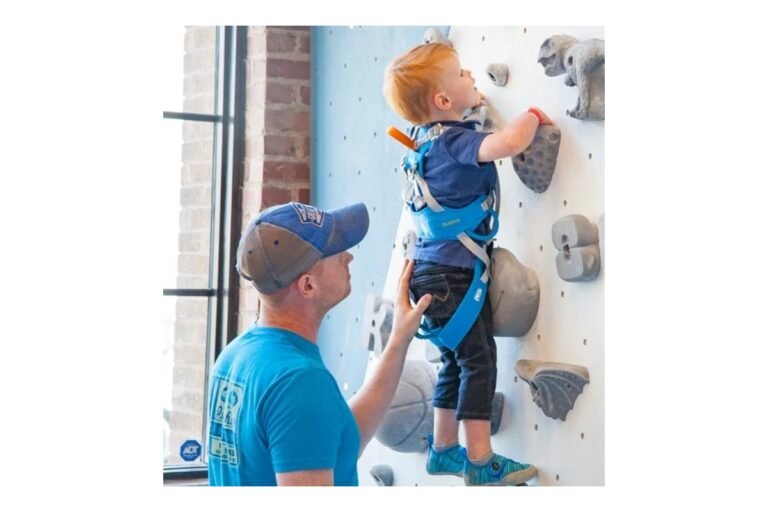
Parents are often concerned about safety for kids. Child harnesses are smaller, with extra padding and safety features. Staff help children put on harnesses and check fit.
Some gyms have special training for staff to handle child harnesses. For very young children (under age 5), full-body harnesses are often used.
Accessibility And Adaptive Harnesses
Gyms are becoming more inclusive. Adaptive harnesses help people with disabilities enjoy climbing or fitness. These harnesses may have extra support, handles, or custom designs.
If you need an adaptive harness, ask the gym ahead of time. Some gyms partner with organizations to provide special harnesses and support.
Renting Gym Harnesses Online
A new trend is online harness rental. Some gyms and adventure parks let you book harnesses online and pick up at the gym. This saves time and guarantees availability.
Look for gyms with online reservation systems. Make sure to read reviews and check for safety certifications.
Environmental Impact Of Gym Harness Rentals
Rental harnesses help reduce waste. Instead of buying and throwing away personal harnesses, gyms reuse harnesses for many users. Most gyms recycle old harnesses or donate them to training programs.
If you are eco-conscious, renting is a smart choice. Ask gyms about their recycling policies.
Tips For First-time Harness Renters
If you are new to gym harness rentals, here’s how to get started:
- Arrive Early: Give yourself time to get fitted and ask questions.
- Wear Comfortable Clothing: Shorts or pants are best. Avoid bulky or slippery fabrics.
- Ask for a Demo: Staff can show how to put on and adjust the harness.
- Try Different Types: If you are uncomfortable, try another harness.
- Watch for Safety Signs: Look for posted safety rules and follow them.
- Bring ID: Some gyms require ID for rentals.
- Return Harness Promptly: To avoid extra charges, return harnesses on time.
A non-obvious tip: If possible, try the harness before your activity starts. This gives you time to adjust and get comfortable.
Frequently Asked Questions
How Often Are Rental Harnesses Cleaned?
Most gyms clean harnesses after each use, using mild soap and disinfectant. Harnesses are air-dried to prevent mold and odor. Some gyms clean harnesses more often during busy times or after group events.
Are Rental Harnesses Safe For Children?
Yes, gyms provide child harnesses with extra padding and secure buckles. Staff help children fit harnesses and check safety. Full-body harnesses are used for younger kids.
Can I Reserve A Harness Online?
Many gyms now offer online reservations for harnesses. You can book a harness before your visit and pick it up at the gym. Always check the gym’s website for details.
What Happens If A Harness Is Damaged During My Rental?
If you notice damage, report it to staff immediately. Most gyms will replace the harness at no extra cost. If you misuse the harness and cause damage, you may be charged a fee.
Is It Better To Rent Or Buy A Harness?
For beginners or occasional users, renting is cheaper and more convenient. Regular climbers or aerial fitness fans may prefer buying for custom fit and personal hygiene. Consider how often you use a harness before deciding.
Gym rental harnesses make climbing, aerial fitness, and obstacle courses accessible to everyone. By understanding how rentals work, choosing the right harness, and following safety tips, you can enjoy your gym experience with confidence. If you want more detailed safety standards, see the UIAA Safety Standards. Renting harnesses is a smart, safe, and eco-friendly way to try new activities and stay active.