Ultralight Harness: The Ultimate Gear for Weight-Conscious Climbers
For many adventurers, every ounce matters. Whether you’re climbing, paragliding, hiking, or even doing canyoning, the gear you carry impacts your experience. Among the most important pieces of equipment in these sports is the ultralight harness. This specialized harness promises safety with the least possible weight—a balance that can transform your journey in the outdoors. But what exactly is an ultralight harness? Why does it matter? And how do you choose one that’s right for you? This guide will break down everything you need to know, from basics to advanced tips, ensuring you make confident choices when it comes to ultralight harnesses.
Key Takeaways
- What Is An Ultralight Harness?
- Why Weight Matters: The Key Advantages
- Main Uses For Ultralight Harnesses
- How An Ultralight Harness Is Built
- Top Features To Look For
- How To Choose The Right Ultralight Harness
On this page
- What Is An Ultralight Harness?
- Why Weight Matters: The Key Advantages
- Main Uses For Ultralight Harnesses
- How An Ultralight Harness Is Built
- Top Features To Look For
- How To Choose The Right Ultralight Harness
- Popular Ultralight Harness Models
- Key Differences: Ultralight Vs. Standard Harnesses
- Safety Considerations
- Maintenance And Care
- Common Mistakes To Avoid
- Who Should (and Shouldn’t) Use An Ultralight Harness?
- Real-world Experiences And Tips
- Frequently Asked Questions
Recommended Products for Ultralight Harnesses
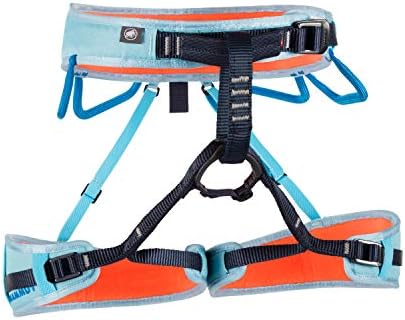
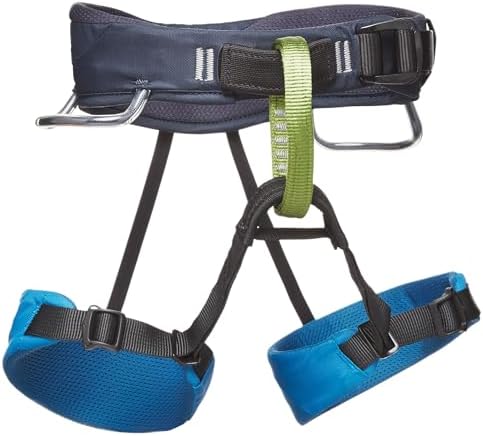
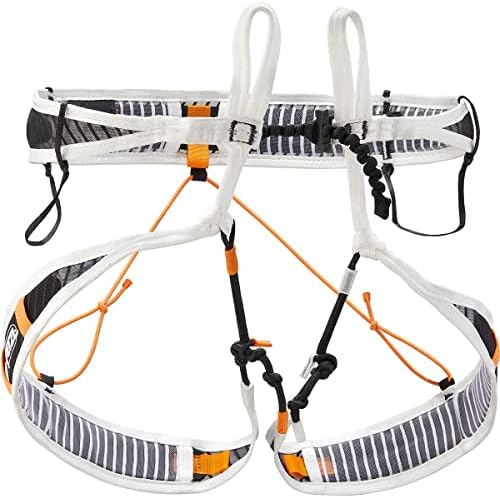


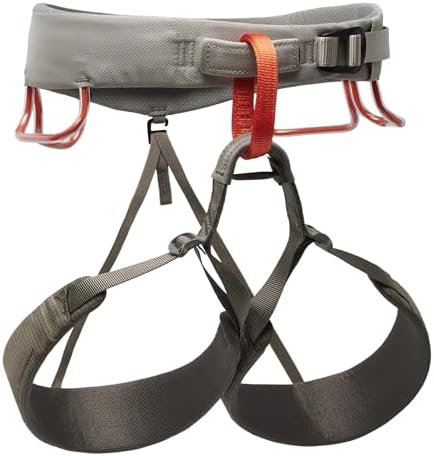


What Is An Ultralight Harness?
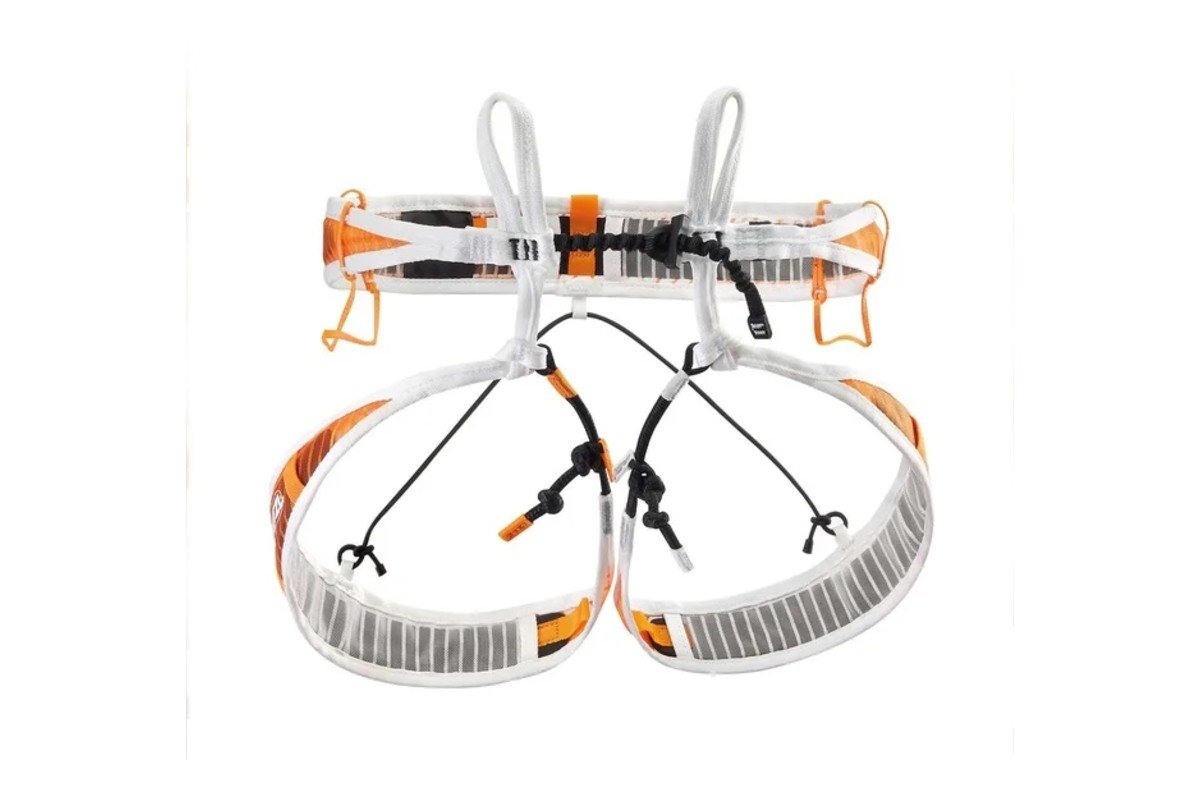
An ultralight harness is a piece of safety equipment designed to secure the user while being as light as possible. Traditionally, harnesses are used in climbing, mountaineering, paragliding, and rescue operations. The ultralight variant takes the core function—safe attachment to ropes or equipment—and removes all unnecessary material or features, giving you a harness that can weigh as little as 100–300 grams (3–10 ounces).
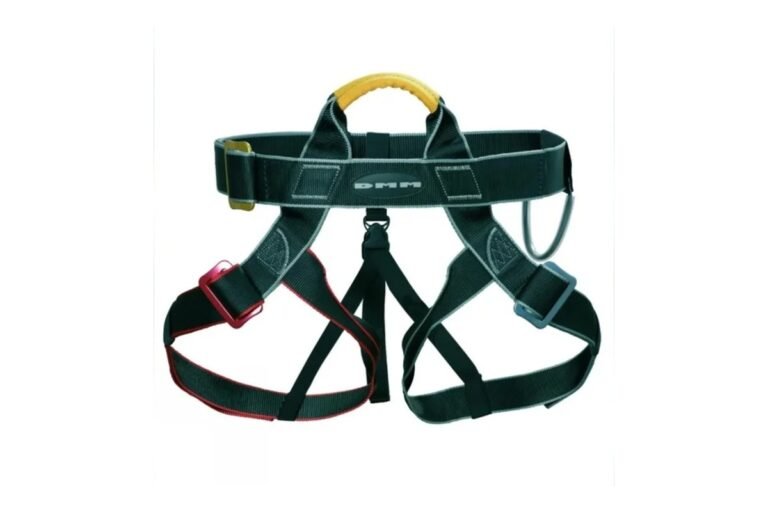
Unlike standard harnesses that offer extra padding, gear loops, and adjustable buckles, ultralight harnesses strip down to the essentials. They often use thin webbing, lightweight buckles, and minimalistic design. The goal is to offer enough support and safety for the activity, but save significant weight for the user.
For example, a traditional climbing harness might weigh around 400–600 grams (14–21 ounces), while an ultralight version can be less than half of that. In paragliding, a standard harness may reach 4 kg (9 lbs), but ultralight models can be under 1 kg (2.
2 lbs).
Why Weight Matters: The Key Advantages
Carrying less weight on your body has many benefits, especially in the mountains or air. Here are some reasons why ultralight harnesses are so popular among experienced adventurers:
- Efficiency and Speed: Every gram saved means less energy spent. Over long distances or steep climbs, a lighter harness can help you move faster and tire less quickly.
- Space Saving: Ultralight harnesses pack down smaller, leaving more room in your backpack for other essentials like food, water, or extra clothing.
- Safety in Emergencies: In some sports, carrying a backup harness is wise. An ultralight harness can be your emergency solution without adding much weight.
- Better Mobility: Less bulk around your waist and legs means you can move more naturally, which is crucial for technical climbs or fast transitions in adventure races.
One non-obvious insight: Many beginners think that ultralight means less safe. In reality, most ultralight harnesses are tested to the same safety standards as heavier models. The main trade-off is comfort and gear-carrying capacity, not basic safety.
Main Uses For Ultralight Harnesses
Ultralight harnesses are not for everyone or every situation. They are specialized tools for specific activities where weight is a premium concern. Here are the main sports where you’ll find ultralight harnesses:
Climbing And Mountaineering
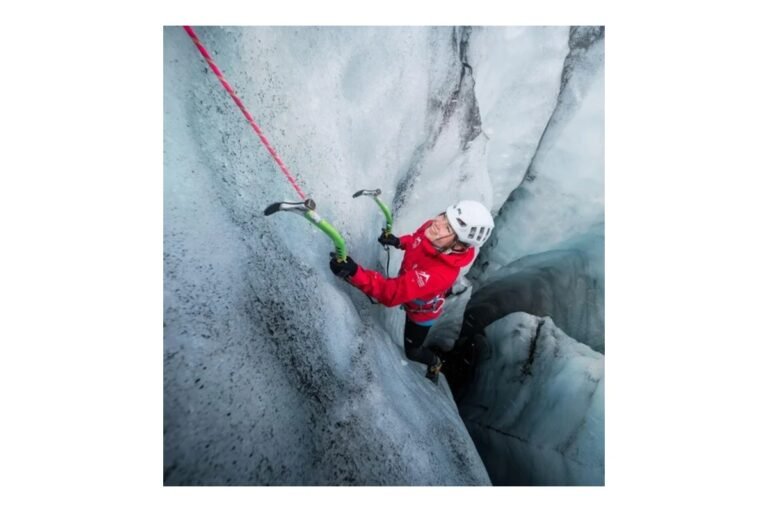
Alpine climbers, ski mountaineers, and ice climbers often need to move fast and light. An ultralight harness allows them to carry only what’s essential. These harnesses are designed for situations where you spend little time actually hanging in the harness and more time moving.
Paragliding And Hike & Fly
Hike & fly competitions push pilots to carry their gear up mountains, then fly back down. Every gram saved helps. Ultralight paragliding harnesses offer just enough support for safe flight, but pack down to fit in a small backpack.
Canyoning And Caving
When you need to swim, squeeze through tight spaces, or carry your gear over long distances, less weight and bulk is an advantage. Ultralight harnesses for these activities are often made from materials that dry quickly and resist abrasion.
Rescue And Expeditions
Some rescue teams carry ultralight harnesses as backups for emergencies. If a team member needs to be lowered or lifted, a compact harness can be a lifesaver.
Adventure Racing
Racers often need a harness for short rappels or fixed rope sections. An ultralight model can be carried for hours without causing fatigue.
How An Ultralight Harness Is Built
Understanding the design of an ultralight harness helps you appreciate its strengths and limitations.
Materials
Most ultralight harnesses are made from:
- High-strength nylon webbing: Durable, lightweight, and strong.
- Dyneema or Spectra: These fibers are incredibly strong for their weight and often used for the main load-bearing parts.
- Aluminum buckles: Lighter than steel, but still strong.
- Minimal padding: Often, there’s no padding at all.
Structure
The design focuses on:
- Simple waistbelt and leg loops: Sometimes fixed size, sometimes with minimal adjustment.
- Single tie-in point: Less hardware, fewer failure points.
- Few gear loops: Usually one or two, sometimes none.
Weight Comparison
Here’s a quick look at how different types of harnesses compare in weight:
| Harness Type | Weight Range (grams) | Main Use |
|---|---|---|
| Traditional Climbing | 400–600 | Sport, Trad, Indoor |
| Mountaineering/Alpine | 200–400 | Glacier, Ski, Alpine |
| Ultralight | 100–300 | Fast & Light, Backup |
| Paragliding Ultralight | 800–1500 | Hike & Fly |
Top Features To Look For
If you’re shopping for an ultralight harness, certain features are more important than others. Here’s what matters most:
- Weight: Always check the actual weight of the harness, including any removable parts.
- Packability: How small does it pack down? Can it fit in your jacket pocket or a small pouch?
- Safety Certifications: Look for certifications such as UIAA or EN. These indicate the harness has been tested to international standards.
- Adjustment Range: Some ultralight harnesses come in fixed sizes, while others offer basic adjustability. Consider your clothing layers and the fit you need.
- Tie-in Points: Make sure the tie-in point is easy to use with gloves or in bad weather.
- Gear Loops: Decide if you need gear loops. For alpine or rescue use, one is usually enough. For technical climbs, you may want more.
- Durability: Ultralight means less material, which can wear out faster. Check user reviews and product details for known durability issues.
- Comfort: Expect less comfort than a padded harness, but some models offer clever designs to reduce pressure points.
A common mistake: Beginners often ignore the importance of trying on a harness. Even ultralight models fit differently, and comfort can vary a lot, especially over long days.
How To Choose The Right Ultralight Harness
Picking the best ultralight harness depends on your activity, body type, and priorities. Here’s a step-by-step approach:
1. Define Your Main Use
Are you an alpine climber, a hike & fly pilot, a canyoneer, or an adventure racer? Each activity has different requirements.
- Climbing: Focus on weight, number of gear loops, and adjustability.
- Paragliding: Look for models with built-in reserve containers and back protection.
- Canyoning: Check for quick-drying materials and abrasion resistance.
2. Check Weight And Packability
Compare the exact weights of several models. Sometimes a few extra grams gives you better comfort or features. Also, look at how small the harness packs—can it fit in your pocket or attach to your harness?
3. Confirm Sizing
Ultralight harnesses often have less adjustment than regular harnesses. Check the size chart carefully, and consider trying the harness over the clothing you’ll wear in the field.
4. Look For Certifications
Choose harnesses that meet international safety standards. In climbing, look for UIAA or EN marks. In paragliding, check for EN or LTF certification for the harness type.
5. Read Reviews And Test
Read reviews from users with similar needs to yours. If possible, try the harness before buying. If you can’t, check the return policy in case the fit isn’t right.
6. Prioritize Simplicity
Ultralight harnesses are about doing more with less. Avoid models with extra features you don’t need—these add weight and complexity.
Popular Ultralight Harness Models
To help you understand the options, here are some well-known ultralight harnesses from various sports:
Climbing
- Blue Ice Choucas Light: Weighs about 84g (size M), packs tiny, popular for ski mountaineering and glacier travel.
- Black Diamond Couloir LT: 160g, durable, with ice clipper slots for alpine climbing.
- Petzl Fly: 150g (size M), modular design—can remove padding to save weight.
Paragliding
- Skywalk Range X-Alps: About 1.2kg, designed for hike & fly races, includes back protection and reserve container.
- Advance STRAPLESS 2: Under 200g, extremely minimalist, for experienced pilots only.
- Ozone FLite: * Weighs 102g, packs down smaller than a water bottle.
Canyoning
- Edelrid Fraggle: 300g, quick-drying, with reinforced seat for sliding on rock.
- Petzl Canyon Guide: 510g, not the lightest, but balances durability and weight.
Adventure Racing
- Camp Alp Race: 68g, possibly the lightest certified harness, but minimal comfort.
- Singing Rock Druid: 200g, more durable, but still compact.
A comparison of three popular climbing ultralight harnesses:
| Model | Weight | Adjustability | Gear Loops | Certification |
|---|---|---|---|---|
| Blue Ice Choucas Light | 84g (M) | Minimal | 2 | EN 12277 |
| Petzl Fly | 150g (M) | Removable parts | 2 | CE, UIAA |
| Black Diamond Couloir LT | 160g | Waist & legs | 2 | EN 12277 |
Key Differences: Ultralight Vs. Standard Harnesses
Choosing between an ultralight and a standard harness comes down to priorities: weight versus comfort, durability, and versatility. Let’s break down the main differences:
| Feature | Ultralight Harness | Standard Harness |
|---|---|---|
| Weight | 100–300g | 400–600g (climbing), 2–4kg (paragliding) |
| Comfort | Minimal padding, less support | Padded, more comfortable for long use |
| Adjustability | Limited, often fixed | Multiple buckles, wide range |
| Gear Loops | 0–2 | 2–6 |
| Durability | Less durable, lighter materials | More robust, longer-lasting |
| Packability | Very compact | Larger to pack |
| Cost | Often higher for weight savings | Wider price range |
Safety Considerations
Safety is the most important factor in any harness. Here’s what you need to know about staying safe with an ultralight harness:
- Certifications: Only buy harnesses with proper safety certifications (UIAA, EN, LTF). Avoid homemade or untested models.
- Proper Fit: A harness that’s too loose or too tight can be dangerous. Always test the fit before using it in the field.
- Correct Use: Learn how to tie in, adjust, and inspect your harness. Mistakes can happen more easily with minimal designs.
- Regular Inspection: Ultralight harnesses wear out faster. Check for fraying, cuts, or damaged stitching before every use.
- Weight Limits: Follow the manufacturer’s recommended weight and use guidelines.
One less obvious point: Ultralight harnesses often have thinner straps, which can cut into your skin if you hang for a long time. Plan your route to avoid long hangs, or use a different harness for routes with many hanging belays.
Maintenance And Care
With less material and padding, ultralight harnesses require careful maintenance. Follow these tips to extend the life and safety of your gear:
- Keep It Clean: Dirt and sweat can weaken webbing. Rinse with cold water after use, especially after saltwater or muddy canyons.
- Dry Properly: Never store a damp harness. Let it dry in the shade, away from direct sunlight or heat sources.
- Avoid Chemicals: Don’t use bleach, strong soaps, or bug sprays on your harness.
- Store Safely: Keep the harness in a cool, dry place, away from sharp tools or sunlight.
- Check Regularly: Inspect for signs of wear each time you use it. Replace it if you see cuts, fraying, or loose threads.
A practical tip: Mark the date you bought your harness with a permanent marker. Most manufacturers recommend replacing a harness every 3–5 years, even if it looks fine.
Common Mistakes To Avoid
Many users—especially those new to ultralight harnesses—make mistakes that can impact safety or comfort. Here are the most frequent ones:
- Choosing the Wrong Size: Ultralight harnesses have less adjustment. Try before you buy, if possible.
- Ignoring Comfort: For trips with long rappels or belays, a more padded harness is better.
- Using for the Wrong Activity: Don’t use a climbing harness for paragliding, or vice versa.
- Overloading Gear Loops: Ultralight harnesses can’t carry as much gear as standard ones.
- Not Practicing Tie-Ins: Minimalist designs can make tying in different—practice before real use.
- Skipping Inspections: Thin webbing wears out faster. Check often.
- Buying Too Light: Sometimes, the lightest is not the best if you need more features or comfort.
A non-obvious insight: Some ultralight harnesses can be hard to put on while wearing crampons or skis. Practice at home with all your gear before you’re on the mountain.
Who Should (and Shouldn’t) Use An Ultralight Harness?
Ideal Users
- Experienced alpinists who know when and how to use minimal gear.
- Hike & fly pilots needing the lightest setups for competitions or big adventures.
- Ski mountaineers who need a harness mainly for glacier travel, not hanging.
- Adventure racers who carry gear for hours but use it only for short periods.
Who Should Avoid
- Beginner climbers: Comfort, adjustability, and gear storage are more important for learning.
- Big wall or trad climbers: You’ll need more padding, gear loops, and durability.
- People who hang for long periods: Thin straps can be painful.
- Those on a budget: Ultralight often costs more for less comfort and durability.
Real-world Experiences And Tips
Many experienced users have learned lessons the hard way. Here are some insights you might not find in product brochures:
- Practice Donning Fast: Ultralight harnesses can be tricky to put on over layers or crampons. Practice at home, especially in bad weather clothing.
- Carry a Small Pad: If you expect any hanging, a small piece of foam (even cut from a sleeping pad) can give comfort for belays.
- Know Your Limits: If you’re unsure about conditions or your skills, choose the more comfortable harness.
- Backup Solutions: Some guides carry an ultralight harness as a backup for emergencies, especially on long expeditions.
A final tip: Sometimes, the best ultralight harness is the one you forget you’re wearing—until you need it.
Frequently Asked Questions
What Is The Main Advantage Of An Ultralight Harness?
The biggest advantage is weight savings. This means you can move faster, get less tired, and have more space in your pack. For activities like alpine climbing or hike & fly paragliding, these savings can make a big difference in performance and enjoyment.
Are Ultralight Harnesses Less Safe Than Regular Harnesses?
No, as long as the harness meets UIAA or EN safety certifications, it is as safe for its intended use as heavier models. The main difference is less comfort and fewer features, not less basic safety.
How Long Does An Ultralight Harness Last?
Ultralight harnesses tend to wear out faster due to thinner materials and less padding. With regular use, expect to replace your harness every 2–3 years, or sooner if you notice any damage. Always check for wear before each trip.
Can I Use An Ultralight Harness For Indoor Climbing?
It’s not recommended. Ultralight harnesses are designed for minimal use—like glacier travel or emergencies—not frequent falls or long belays. For indoor climbing, a padded, adjustable harness is better for comfort and durability.
Where Can I Learn More About Harness Safety Standards?
You can read about the main standards, like UIAA and EN 12277, on the official UIAA website (UIAA Safety Standards), which explains how harnesses are tested and what certifications mean.
Ultralight harnesses are a game-changer for those who need to move quickly and efficiently in the outdoors. They’re not for everyone, but when used correctly, they offer an unbeatable mix of safety, speed, and freedom. Choose wisely, use carefully, and your harness will be a trusted partner on your next adventure.