
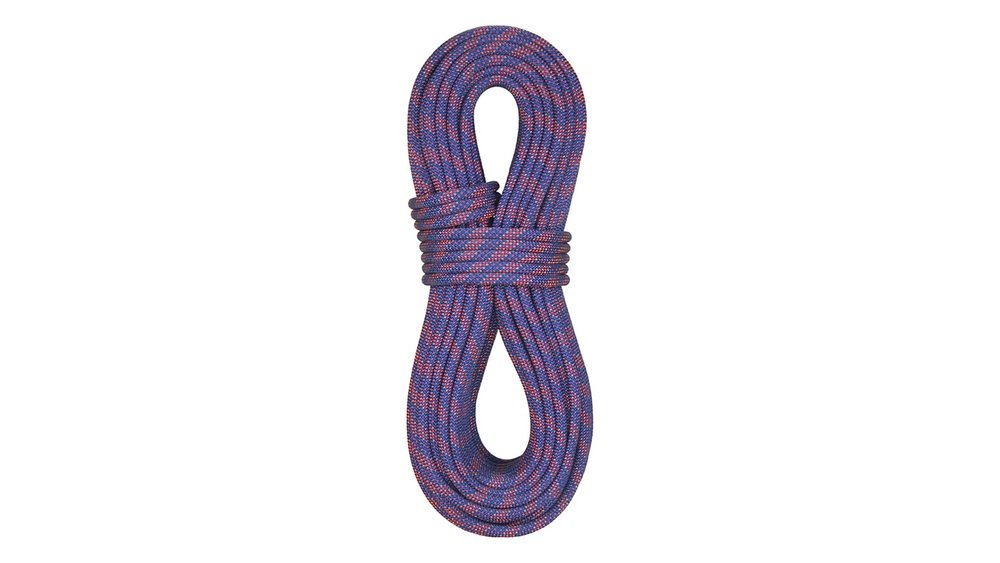
Single Dynamic Climbing Rope: Top Choices for Safe Ascents
Climbing is more than just a sport—it’s an adventure that relies on trust, skill, and the right equipment. One of the most important pieces for any climber is the single dynamic climbing rope. This rope isn’t just a lifeline; it’s a key part of safety, movement, and confidence on the wall or mountain. But what makes single dynamic ropes special, and how do you choose the right one? Whether you’re new to climbing or looking to upgrade your gear, understanding these ropes will help you climb smarter and safer.
Key Takeaways
- What Is A Single Dynamic Climbing Rope?
- How Single Dynamic Ropes Work
- Key Features Of Single Dynamic Climbing Ropes
- Dynamic Rope Construction And Materials
- Uiaa And Ce Safety Standards
- Comparing Single Dynamic Ropes
On this page
- What Is A Single Dynamic Climbing Rope?
- How Single Dynamic Ropes Work
- Key Features Of Single Dynamic Climbing Ropes
- Dynamic Rope Construction And Materials
- Uiaa And Ce Safety Standards
- Comparing Single Dynamic Ropes
- Types Of Treatments And Rope Technologies
- Choosing The Right Single Dynamic Rope
- Common Mistakes When Choosing Or Using Single Dynamic Ropes
- Rope Care And Maintenance
- When To Retire A Single Dynamic Rope
- Single Dynamic Rope Vs. Half And Twin Ropes
- Environmental Impact And Rope Recycling
- Real-world Examples And Statistics
- How To Use Single Dynamic Ropes Safely
- Buying Tips For Single Dynamic Climbing Ropes
- How Rope Choice Affects Climbing Performance
- Frequently Asked Questions
Recommended Products for Single Dynamic Ropes




What Is A Single Dynamic Climbing Rope?
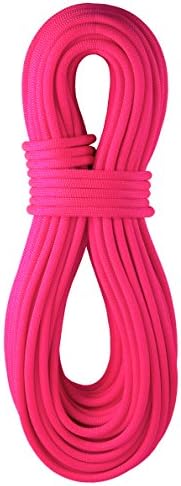
A single dynamic climbing rope is a rope designed for lead climbing, where only one rope is used. Unlike half or twin ropes, single ropes are marked with a “1” in a circle on the end, showing they can be used alone. The word “dynamic” means the rope can stretch under load, which helps absorb the force of a fall. This stretch is what keeps climbers safe, reducing shock and protecting both the climber and the anchors.
Dynamic ropes are made for climbing situations where falls can happen. They’re very different from static ropes, which do not stretch and are used for rappelling or hauling gear. Single dynamic ropes are the most common type for sport climbing, trad climbing, and gym climbing.
How Single Dynamic Ropes Work
Dynamic ropes use a special core and sheath construction. The core is made of twisted nylon fibers that give the rope its stretch. The sheath is a woven layer that protects the core from abrasion and dirt. When a climber falls, the rope stretches, spreading the force over a longer period and lowering the impact.
Here’s a simple example: If you fall while lead climbing, a dynamic rope will stretch to absorb some of the energy, so you don’t stop suddenly. This reduces the chance of injury and protects your anchors from breaking.
Key Features Of Single Dynamic Climbing Ropes
When choosing a rope, there are several features to consider. Each feature affects how the rope performs and how long it lasts.
Rope Diameter
The diameter is the thickness of the rope, measured in millimeters (mm). Most single ropes range from 8.5mm to 11mm.
- Thinner ropes (8.5–9.4mm): Lightweight, easy to handle, good for advanced climbers. They’re ideal for long routes and multi-pitch climbs.
- Medium ropes (9.5–10.2mm): Balanced for durability and handling. Good for most climbers, indoor or outdoor.
- Thicker ropes (10.3–11mm): More durable, last longer, but heavier. Best for frequent top-rope climbing or beginners.
Thinner ropes are popular for their low weight, but they wear out faster. Thicker ropes are stronger and last longer but can feel heavy.
Rope Length
Most single ropes are between 60–70 meters (m). For gym climbing or short routes, a 40m rope may be enough. For outdoor sport climbing, 60m is standard. Some climbers choose 70m for longer routes.
Always check the route length before climbing. If your rope is too short, you may not be able to rappel down or lower safely.
Rope Weight
Weight is measured per meter, usually in grams (g). Lightweight ropes are easier to carry and handle, but they may not last as long. If you climb long routes or hike to the base, a lighter rope can make a big difference.
Rope Handling
Handling describes how the rope feels in your hands and how easily it moves through gear. Some ropes are stiff, some are soft. Handling changes over time, as the rope wears. Look for ropes with good handling, especially if you’re new to climbing.
Impact Force
Impact force is the maximum force the rope places on the climber and anchor during a fall, measured in kilonewtons (kN). Lower impact force means softer catches and less stress on gear.
Fall Rating
Fall rating shows how many standard falls the rope can take before it may fail. The UIAA (International Climbing and Mountaineering Federation) tests ropes with a certain weight and drop height. Most single ropes have a rating of 5–8 falls.
Sheath Percentage
The sheath percentage is the part of the rope made up by the outer layer. Higher sheath percentage means more durability. For frequent outdoor climbing or rough rock, choose a rope with a thicker sheath.
Dynamic Rope Construction And Materials
Single dynamic ropes use nylon fibers for both the core and the sheath. Nylon is strong, flexible, and resists abrasion. The rope is made by twisting the core fibers and weaving the sheath around them.
There are two main types of rope construction:
- Single Braid: The sheath is woven as one layer around the core. This is common for most ropes.
- Double Braid: Some high-end ropes use two layers for extra durability.
Manufacturers may use special treatments, like dry coatings, to protect ropes from water and dirt. These treatments help ropes last longer and perform better in wet conditions.
Uiaa And Ce Safety Standards
Safety is the main concern for climbers. Single dynamic ropes must pass strict tests by the UIAA and CE (Conformité Européenne) before they’re sold.
UIAA tests include:
- Fall rating: The rope must hold at least 5 standard falls.
- Impact force: Must be below a set maximum.
- Sheath slippage: The sheath must stay in place.
- Elongation: Ropes must not stretch too much under load.
CE certification means the rope meets European safety standards. Always check for the UIAA and CE marks before buying.
Comparing Single Dynamic Ropes
Choosing the right rope can be confusing. Here’s a data table comparing three popular single dynamic ropes:
| Rope Model | Diameter (mm) | Weight (g/m) | Impact Force (kN) | Fall Rating (UIAA) | Sheath Percentage (%) |
|---|---|---|---|---|---|
| Beal Booster III | 9.7 | 61 | 7.3 | 7 | 42 |
| Petzl Arial | 9.5 | 58 | 8.5 | 7 | 41 |
| Mammut Infinity | 9.5 | 58 | 8.4 | 6 | 38 |
This table shows how ropes differ in thickness, weight, fall rating, and sheath percentage. These details help you pick the rope that fits your climbing style.
Types Of Treatments And Rope Technologies
Modern ropes often use special treatments to improve performance and durability.
Dry Treatment
Dry treatment is a coating that repels water and dirt. It keeps the rope light and strong, even in wet conditions. Dry-treated ropes are a must for ice climbing, alpine climbing, or places with rain.
Unicore Technology
Some ropes use Unicore technology, which bonds the sheath and core. This prevents sheath slippage and keeps the rope safe if it gets damaged.
Thermo Shield
Manufacturers may use Thermo Shield or similar treatments to improve handling and flexibility. This makes the rope easier to tie knots and feed through gear.
Middle Mark And Bi-pattern
Ropes may have a middle mark (a colored line or pattern) to show the halfway point. This helps when rappelling or lowering. Bi-pattern ropes change color or pattern in the middle, making it easy to spot.
Choosing The Right Single Dynamic Rope
Picking the right rope depends on your climbing style, location, and experience. Here are important factors to consider:
1. Climbing Type
- Indoor climbing: Choose a durable rope, 9.8–10.2mm, 40–60m length.
- Sport climbing: Look for lighter ropes, 9.4–9.8mm, 60–70m length.
- Trad climbing: Choose ropes with good handling and low impact force.
- Alpine/ice climbing: Use dry-treated ropes, thinner for weight savings.
2. Rope Length
Check the route length and make sure your rope is long enough. For most sport routes, 60m is standard. For longer multi-pitch climbs, 70m may be needed.
3. Rope Diameter
Balance durability and weight. Thicker ropes last longer, thinner ropes are easier to carry.
4. Rope Weight
If you hike far or climb long routes, choose a lighter rope.
5. Safety Ratings
Always check UIAA fall rating and impact force. Pick ropes with at least 5 falls and low impact force for softer catches.
6. Handling And Feel
Try different ropes to see which feels best. Handling changes over time, so pick a rope that feels good from the start.
7. Price
Ropes range from $120–$350. Higher-priced ropes may have better treatments and technology. Always balance cost with your needs.
Common Mistakes When Choosing Or Using Single Dynamic Ropes
Many beginners make mistakes that can lead to unsafe situations or wasted money. Here are some to avoid:
- Buying the wrong length: Always check the route and buy a rope long enough for rappelling and lowering.
- Choosing too thin a rope: Thin ropes wear out quickly and require more skill to handle. Start with a thicker, durable rope.
- Ignoring dry treatment: If you climb outside, a dry-treated rope lasts longer and stays safe in wet conditions.
- Neglecting safety ratings: Always check UIAA and CE marks.
- Not inspecting the rope: Before each climb, check for damage, cuts, or soft spots.
- Failing to clean or store the rope correctly: Dirt and UV light can weaken ropes. Store in a cool, dry place and use a rope bag.
Rope Care And Maintenance
Taking care of your single dynamic rope can extend its life and keep you safe.
Cleaning
Wash your rope with mild soap and lukewarm water. Use a rope brush for dirt. Never use harsh chemicals or washing machines.
Drying
Hang the rope in a cool, shaded place. Don’t dry it in direct sunlight or use heat.
Storage
Keep the rope in a rope bag, away from sharp objects, chemicals, and sunlight. Store in a dry area.
Inspection
Check for cuts, abrasions, flat spots, or fuzziness. If you find damage or the rope feels soft in places, retire it.
Retirement
Most ropes last 1–5 years, depending on use. If your rope has held many big falls, shows damage, or is older than 5 years (even if unused), retire it.
When To Retire A Single Dynamic Rope
Retiring a rope means stopping its use for climbing. Ropes lose strength over time, even if they look good. Here are signs to retire your rope:
- Major damage: Cuts, core exposure, flat spots.
- Heavy abrasion: Sheath is fuzzy, core shows.
- Lots of falls: If your rope holds more than its fall rating, retire it.
- Age: Over 5 years old, even if lightly used.
- Chemical exposure: If the rope comes in contact with acids, solvents, or oil.
Don’t risk your life with an old or damaged rope. Always err on the side of caution.
Single Dynamic Rope Vs. Half And Twin Ropes
Climbers sometimes use other types of ropes. Here’s a comparison to help you understand the differences:
| Rope Type | Use | Advantages | Disadvantages |
|---|---|---|---|
| Single Rope | Sport, trad, gym | Simple, easy handling, strong | Heavier, less flexible for complex routes |
| Half Rope | Trad, alpine, ice | Better for wandering routes, less rope drag | More complex, need two ropes |
| Twin Rope | Ice, alpine, big walls | Lightest, two ropes for backup | Must use together, thinner, less durable |
Single ropes are best for most climbers. Half and twin ropes are for advanced use, complex routes, or alpine climbing.
Environmental Impact And Rope Recycling
Climbing ropes are made from nylon, which is a plastic. Old ropes can harm the environment if thrown away. Some companies offer rope recycling programs. You can also reuse old ropes for dog leashes, swing ropes, or art projects.
One insight: Many climbers don’t realize that rope manufacturing uses lots of water and energy. Choosing durable ropes and recycling old ones helps reduce environmental impact.
Real-world Examples And Statistics
Let’s look at some real-world stats:
- UIAA standard fall test: The rope must hold at least 5 falls of 80kg dropped from a set height.
- Average lifespan: Most climbers replace their ropes every 2–3 years, depending on use.
- Rope failures: Almost all climbing accidents from ropes happen due to misuse or old/damaged ropes—not manufacturing defects.
Another insight: Climbers often buy thinner, lighter ropes but don’t realize they may need to replace them sooner. Thicker ropes may cost more upfront but last longer, saving money over time.
How To Use Single Dynamic Ropes Safely
Using your rope correctly is just as important as choosing the right one.
- Always tie knots carefully. The figure-eight knot is standard.
- Use a proper belay device. Make sure it’s compatible with your rope’s diameter.
- Double-check anchors and rope ends before climbing.
- Communicate with your partner. Use clear commands, like “On belay” and “Climbing.”
- Avoid stepping on the rope, as dirt can weaken fibers.
- Keep rope away from sharp edges and chemicals.
Buying Tips For Single Dynamic Climbing Ropes
Buying a rope is a big investment. Here’s how to make a smart choice:
- Read reviews: Real climbers share experiences online.
- Test in store: Feel the rope before buying, if possible.
- Compare brands: Big names like Petzl, Mammut, Beal, Sterling, and Edelrid have good reputations.
- Check warranties: Some companies offer guarantees.
- Buy from trusted retailers: Avoid counterfeit ropes.
You can find more detailed safety standards at Wikipedia.
How Rope Choice Affects Climbing Performance
The rope you use affects how you climb. A lighter, thinner rope makes moving easier but may wear out faster. Thicker ropes are heavier but last longer. If you climb hard routes, a lighter rope can help you push your limits.
If you climb frequently, durability is key.
Some climbers choose ropes with special patterns for easy middle marking. Others prefer ropes with extra treatments for wet weather. Think about your needs and choose a rope that helps you perform your best.
Frequently Asked Questions
What Does “single” Mean In Single Dynamic Climbing Rope?
“Single” means the rope is designed to be used alone, not paired with another rope. It’s marked with a “1” in a circle at the end. Single ropes are used for most sport, trad, and gym climbing.
How Often Should I Replace My Single Dynamic Rope?
Replace your rope every 1–5 years, depending on use. If it shows damage, has held many big falls, or is older than 5 years, retire it. Always check for safety before each climb.
Can I Use A Single Dynamic Rope For Rappelling?
Yes, but make sure the rope is long enough for the descent. Always use proper rappelling techniques and check the rope for damage.
What’s The Difference Between Static And Dynamic Ropes?
Static ropes don’t stretch and are used for rappelling or hauling. Dynamic ropes stretch to absorb the force of a fall, making them safer for lead climbing.
Are Dry-treated Ropes Worth The Extra Cost?
Dry-treated ropes resist water and dirt, last longer, and stay strong in wet conditions. They’re worth it for outdoor, alpine, or ice climbing. For gym or dry sport routes, untreated ropes are fine.
Climbing is a sport of skill and trust, and your rope is your best friend. By understanding how single dynamic ropes work, choosing the right features, and caring for your equipment, you’ll climb safer and more confidently. The right rope makes every climb smoother, every fall safer, and every adventure more enjoyable.
Choose wisely, inspect regularly, and respect your gear—your life depends on it.



3 Comments