Women’s Specific Harness: Ultimate Guide to Comfort and Safety
When you hear the word “harness,” you might first picture climbers scaling a cliff or an adventure park zip line. But for women who love climbing, mountaineering, or even caving, the idea of a harness is much more personal. A women’s specific harness is not just a piece of gear — it’s about comfort, safety, and confidence. In outdoor sports, the right harness can make the difference between an enjoyable climb and a painful, frustrating experience. But what exactly makes a harness “women’s specific”? How do you choose one that truly fits your body, your goals, and your adventures? Let’s explore everything you need to know about women’s harnesses, from the science of fit to real-world buying tips, so you can pick your gear with confidence and climb higher, safer, and happier.
Key Takeaways
- What Makes A Harness “women’s Specific”?
- Benefits Of A Women’s Specific Harness
- Key Features To Look For
- How To Choose The Right Women’s Harness
- Women’s Harness Vs. Unisex Harness: Side-by-side Comparison
- Top Women’s Specific Harnesses On The Market
On this page
- What Makes A Harness “women’s Specific”?
- Benefits Of A Women’s Specific Harness
- Key Features To Look For
- How To Choose The Right Women’s Harness
- Women’s Harness Vs. Unisex Harness: Side-by-side Comparison
- Top Women’s Specific Harnesses On The Market
- Common Problems Women Face With Harnesses
- Practical Tips For Women Buying Their First Harness
- How To Test A Women’s Harness For Fit
- Care And Maintenance For Longevity
- Unique Insights For Women: Beyond The Basics
- Innovations In Women’s Harness Design
- Women’s Harness Sizing: Breaking Down The Numbers
- Sustainability And Ethical Concerns
- Harnesses For Young Girls And Teens
- Harness Accessories And Add-ons
- Real-world Experiences: What Women Climbers Say
- Where To Buy Women’s Specific Harnesses
- Frequently Asked Questions
Recommended Products for Women’s Climbing Harnesses

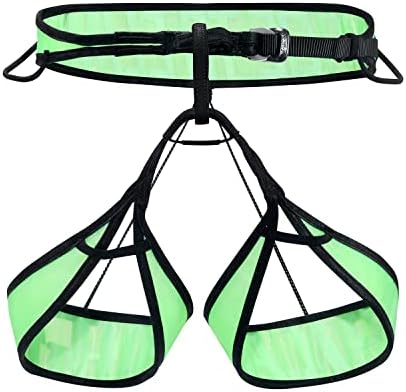
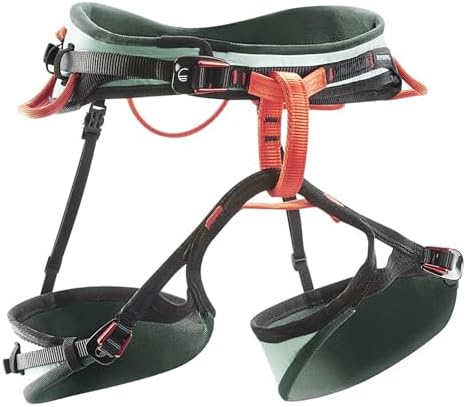
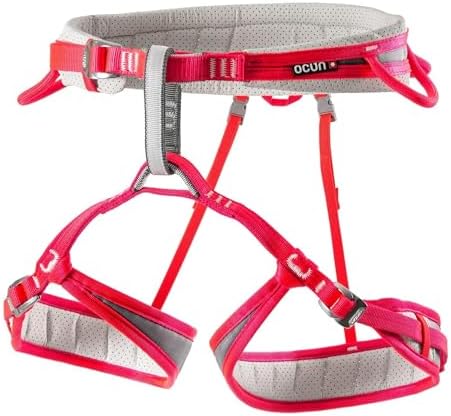

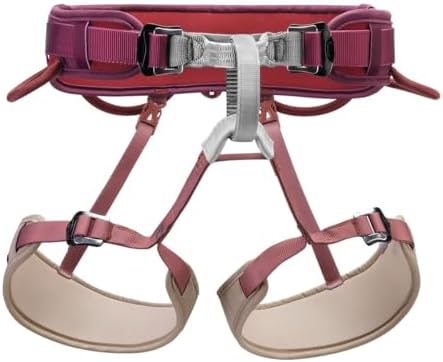



What Makes A Harness “women’s Specific”?
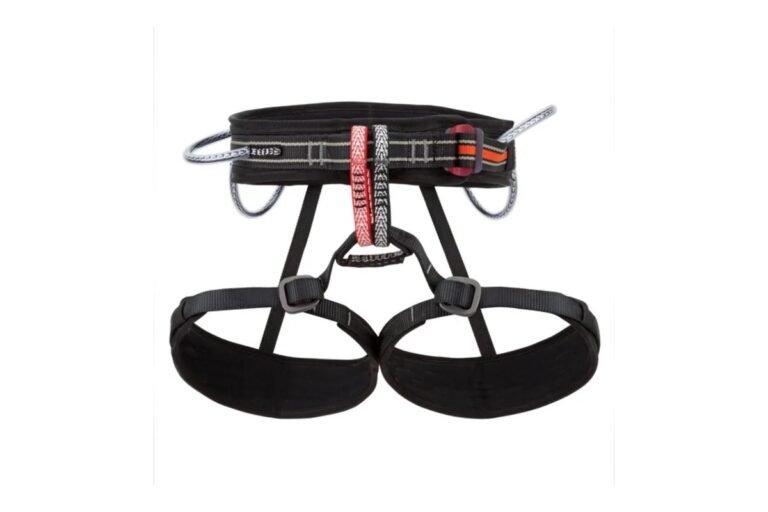
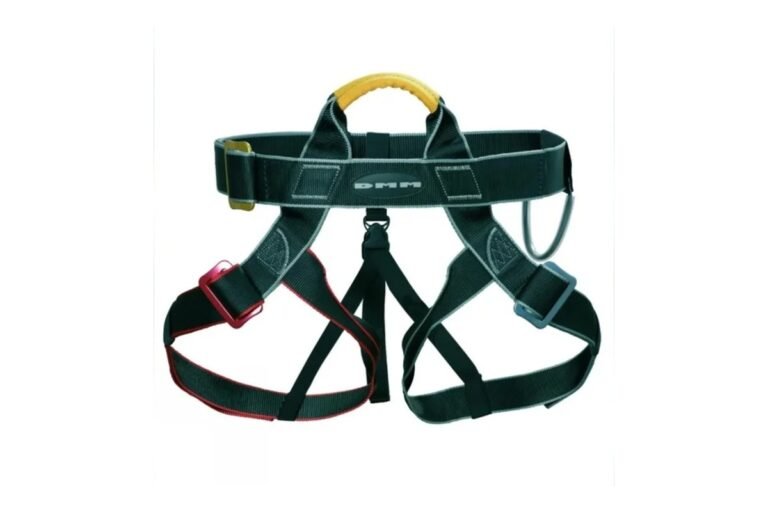
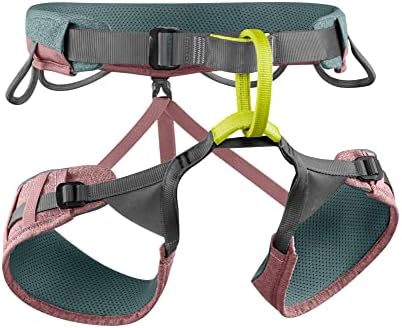
Harnesses are critical safety gear in climbing, canyoning, caving, and rescue activities. Many brands offer unisex harnesses, but women’s bodies are different from men’s. The women’s specific harness is designed to support female anatomy, solve common discomforts, and improve movement.
Key Anatomical Differences
Women generally have:
- Shorter torso lengths
- Wider hips relative to waist
- Longer rise (the distance from the waist to the leg loops)
- Different proportions in thigh circumference
Because of these differences, a harness built for men or unisex use can pinch, slide, or simply not fit well. A poor fit causes more than discomfort — it affects safety and performance.
How Women’s Harnesses Address These Differences
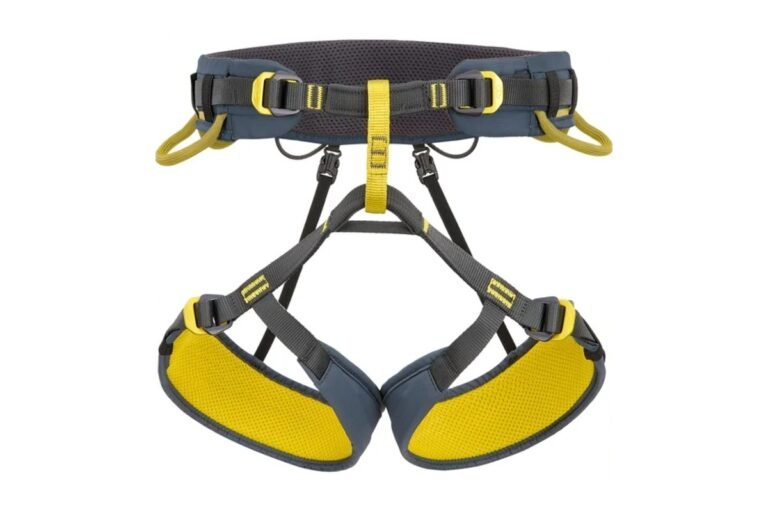
- Waist Belt Shape: Women’s harnesses have a contoured, sometimes curved waist belt that sits above the hip bones.
- Leg Loop Position: The angle and spacing are adjusted for wider hips and different thigh shapes.
- Rise Length: Longer rise keeps the harness sitting comfortably, so it doesn’t ride up or dig in.
- Gear Loop Placement: Loops are easier to reach for shorter torsos or different arm lengths.
Many modern women’s harnesses also use softer materials in pressure points and offer adjustable sizing to match more body shapes.
Benefits Of A Women’s Specific Harness
Choosing a harness made for women’s bodies brings several advantages, especially over one that is “unisex” or designed for men.
Comfort And Fit
A harness that fits means you can climb longer and focus more. Women’s harnesses reduce:
- Pinching in the legs or waist
- Sliding or twisting during movement
- Chafing during long sessions
A harness that’s too tight or loose can leave bruises or even cause circulation problems. The right fit means better blood flow and less fatigue.
Safety
A well-fitted harness is safer. If the harness sits too low, you risk falling out during a slip. If it’s too high or loose, you may flip or twist in a fall. A women’s specific harness keeps the belay loop in the right place and holds you securely.
Performance
Women’s harnesses support natural movement, letting you high-step, stem, or twist your hips without restriction. This gives you more power and control, whether you’re on a slab, overhang, or crack.
Psychological Confidence
There’s a real mental boost when your gear feels right. If you’re not distracted by discomfort, you can focus on your climb, trust your belayer, and enjoy the experience.
Key Features To Look For
Not all women’s harnesses are the same. Here are the most important features to compare when shopping.
Sizing And Adjustability
- Waist Belt: Should sit just above your hip bones, snug but not tight.
- Leg Loops: Some harnesses have adjustable leg loops, some are fixed. Adjustable loops are better for changing layers (such as winter climbing).
- Rise: Try the harness on — the distance from waist to legs should feel natural, not pulling up or sagging.
Padding
Thicker padding offers more comfort for hanging belays or long climbs, but can be heavier and bulkier. Minimal padding is lighter and cooler for sport or gym climbing.
Buckle System
- Double-back buckles require you to thread the strap back through for safety.
- Auto-locking buckles are faster and simpler.
- Quick-release leg loops make bathroom breaks easier, especially with a harness worn over layers.
Gear Loops
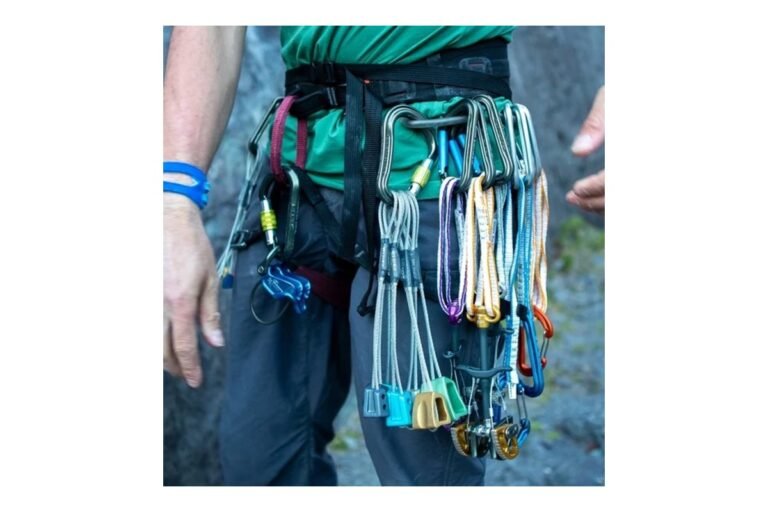
Most harnesses have 4 gear loops. Trad climbers may want more. Consider the shape — some are rigid, some are soft. Rigid loops make racking gear easier.
Haul Loop
A small rear loop for attaching a chalk bag or tag line. Not all harnesses have this, but it’s useful.
Drop Seat
A feature allowing you to undo the rear of the harness for bathroom breaks without taking off the harness. Very helpful on long routes or alpine climbs.
Weight
Lighter harnesses are better for sport or competition. Heavier harnesses with more padding are better for all-day comfort.
Certifications
Make sure the harness meets UIAA or CE standards for climbing safety.
How To Choose The Right Women’s Harness
With so many options, choosing the right harness can feel overwhelming. Here’s a practical guide to help you find your best fit.
1. Know Your Climbing Style
Are you mainly climbing in the gym, sport climbing outdoors, doing trad or multi-pitch, or mountaineering? Each style has unique needs.
- Gym/Sport: Light weight, minimal gear loops, less padding.
- Trad/Multi-pitch: More gear loops, extra padding, haul loop.
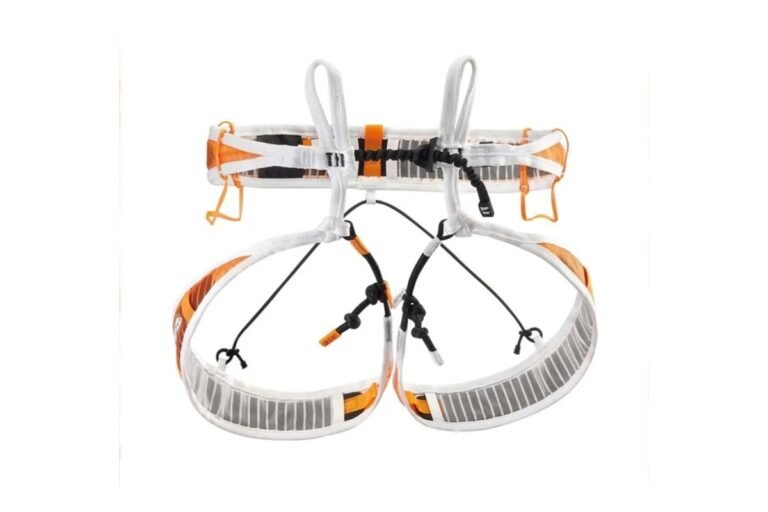
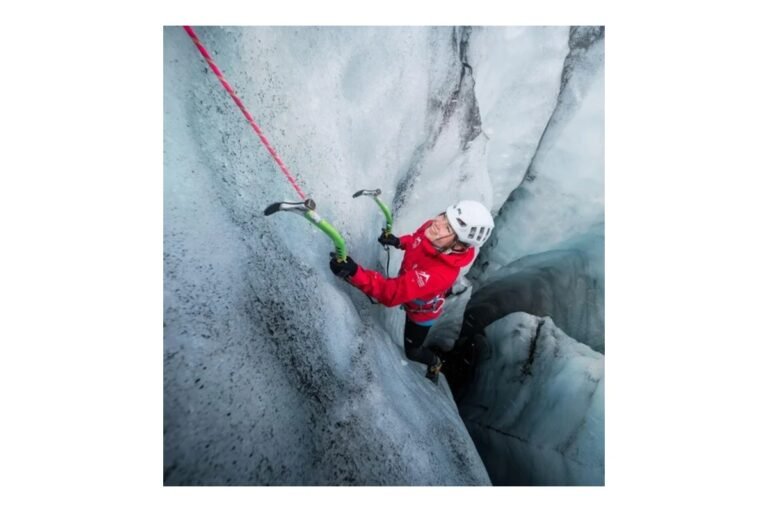
- Mountaineering/Ice: Adjustable leg loops for bulky clothing, drop seat, quick-release buckles.
2. Try Before You Buy
Fit matters more than brand or color. Always try on a harness, hang in it, and move around.
- Check for pressure points, gapping, or pinching.
- See if you can lift your knees and twist your hips.
- Ask for a “hang test” at the shop.
3. Don’t Trust Only The Size Chart
Brands use different sizing. A medium in one brand may fit like a small in another. Your shape may change with the seasons or with different clothing layers.
4. Check Leg Loop Adjustability
If your thighs change size with training, or you wear different layers, adjustable leg loops add flexibility. Fixed loops save weight for sport climbers.
5. Inspect Stitching And Materials
Look for reinforced tie-in points, smooth stitching, and no loose threads. The belay loop should be robust — this is the highest-stress area.
6. Think About Accessories
If you use a chalk bag, knife, or tag line, make sure there’s a haul loop. If you climb in winter, check for ice clipper slots.
7. Consider Long-term Comfort
Try hanging in the harness for 5-10 minutes. Some harnesses feel fine when standing, but dig in when loaded.
8. Don’t Ignore Style
While safety and comfort come first, it’s okay to pick a color or pattern you love. When you feel good, you climb better.
Women’s Harness Vs. Unisex Harness: Side-by-side Comparison
Here’s a comparison to highlight key differences.
| Feature | Women’s Harness | Unisex Harness |
|---|---|---|
| Waist Belt Shape | Contoured for hips | Straight or slightly contoured |
| Rise Length | Longer rise | Shorter rise |
| Leg Loop Position | Wider angle for hips | Narrower angle |
| Gear Loop Placement | Closer for shorter torso | Standard placement |
| Padding and Fit | Targeted for women | General fit |
Top Women’s Specific Harnesses On The Market
The best harness for you depends on your needs, but here are some of the most respected women’s harnesses available today.
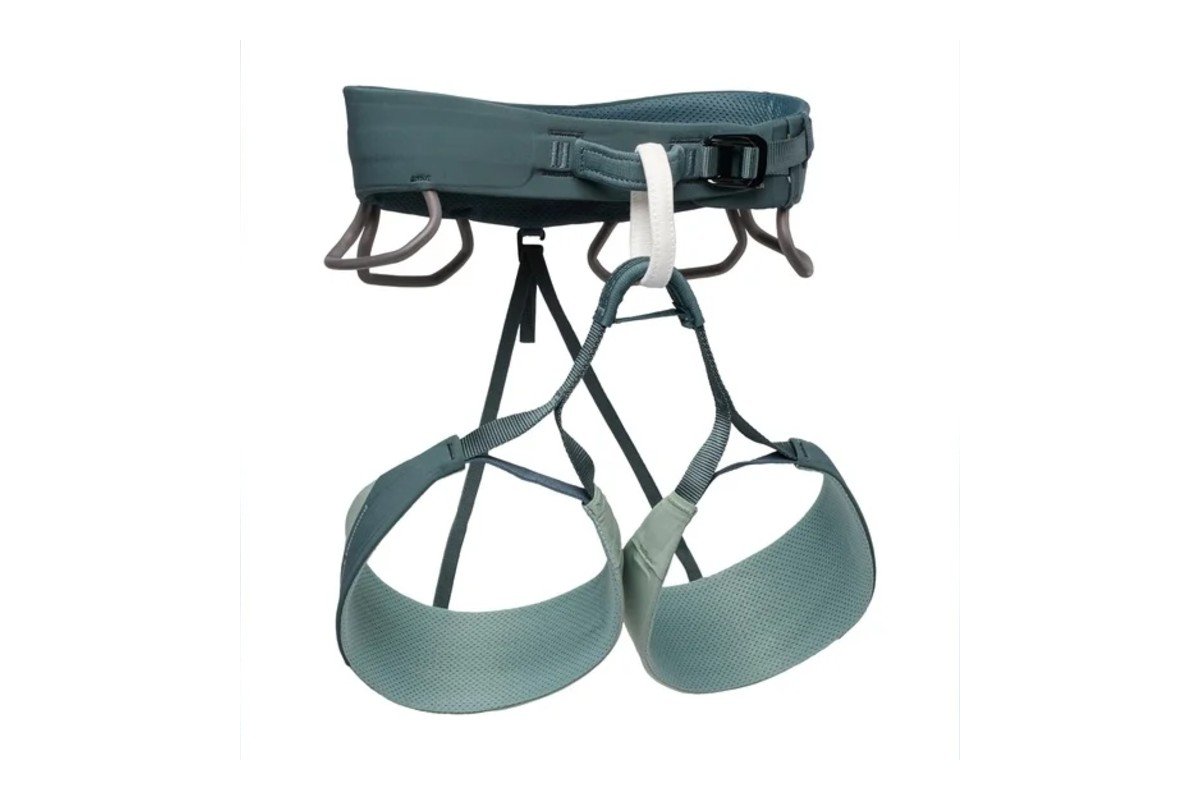
1. Black Diamond Solution Women’s
Lightweight, soft, and made with Fusion Comfort Technology. Great for sport and gym climbing. The contoured waist and fixed leg loops fit most women well.
2. Petzl Luna
Designed for trad and ice climbing. Adjustable leg loops, extra gear loops, and a drop seat make it versatile for all seasons.
3. Arc’teryx Ar-385a Women’s
Known for its lightweight design and Warp Strength Technology. Excellent for multi-pitch due to even weight distribution and minimal bulk.
4. Edelrid Jayne Iii
Comfortable, affordable, and versatile. Fully adjustable, with a long rise and supportive padding.
5. Mammut Ophir 3 Slide Women’s
A good entry-level choice with easy-to-adjust buckles, abrasion protection, and a comfortable fit for beginners.
6. Wild Country Mosquito Women’s
Ultra-light for sport and competition climbers. Minimal padding, but excellent fit and freedom of movement.
7. Dmm Puma
A technical harness for trad and big wall climbing. Durable and highly adjustable, with a long rise and supportive waist belt.
8. Singing Rock Pearl
Affordable, with wide leg loops and plenty of padding for comfort on long routes.
9. Camp Energy Nova
A gym and sport climbing harness with a comfortable design and a focus on breathability.
10. Ocun Twist Tech Lady
Versatile, with three buckles for precise adjustment, and a contoured waist for better fit.
Each of these harnesses comes in multiple sizes and colors. Check for availability in your region.
Common Problems Women Face With Harnesses
Even with many options, women still face unique challenges. Here are a few, and some solutions.
Chafing And Pinching
A harness that’s too small in the waist but too big in the legs can cause chafing. Try different brands and models — don’t settle for “almost fits. ”
Sizing Gaps
Some women fall between sizes, especially if you have a small waist and larger hips. Look for harnesses with more adjustability or brands that offer “plus” or “petite” sizes.
Bathroom Breaks
If you climb all day, a harness without a drop seat or quick-release leg loops can make bathroom breaks a challenge. Prioritize this feature for big wall, alpine, or ice climbing.
Layering For Cold
Winter climbing means extra layers. Make sure your harness can adjust for thicker pants without being too loose in summer.
Pressure Points
Some harnesses create pressure on the thighs or hips, leading to numbness. Look for harnesses with wide, soft padding.
Practical Tips For Women Buying Their First Harness
- Try on several models — not all brands fit the same.
- Move, hang, and test in the harness before buying.
- Ask other women climbers for recommendations. Real-world experience beats online reviews.
- Don’t buy just for the price. Cheap harnesses often have less comfort and fewer features.
- Check the warranty and return policy. Your body shape might change, or you might find a better fit later.
- Update your harness every 3-5 years, or sooner if you see signs of wear.
How To Test A Women’s Harness For Fit
A simple fitting session can reveal a lot.
- Put on the harness over your typical climbing clothes.
- Tighten the waist belt so it sits above your hips and does not slide down.
- Check the rise: There should be no gapping between waist and leg loops when you squat.
- Lift your knees: Make sure the harness does not pull up into your stomach.
- Hang test: In a climbing gym or shop, ask to hang from a rope. Check for pressure points or discomfort.
- Check gear accessibility: Can you easily reach the gear loops?
- Simulate bathroom break: Practice unclipping drop seat or leg buckles.
A harness that passes these tests is likely to be comfortable in real use.
Care And Maintenance For Longevity
Your harness is your lifeline. Proper care keeps it safe and extends its life.
Inspect Regularly
- Check webbing for fraying, cuts, or burns.
- Examine buckles for cracks or sharp edges.
- Look at stitching for loose threads or holes.
- Inspect the belay loop for fuzziness or damage.
Cleaning
- Hand-wash in cold water with mild soap.
- Avoid bleach, harsh chemicals, or hot water.
- Air dry in the shade, away from direct sunlight.
Storage
- Store in a cool, dry place.
- Avoid chemicals, oils, and UV exposure.
- Don’t leave it in your car trunk or a damp basement.
Retirement
- Replace if you fall heavily, see major wear, or after 5 years even without visible damage.
- Check manufacturer’s guidelines.
Unique Insights For Women: Beyond The Basics
Here are some less obvious but important points, especially for women new to climbing.
Menstrual Cycles And Harness Comfort
Some women find harnesses less comfortable during menstruation, due to bloating or sensitivity. Harnesses with softer padding or extra adjustability are helpful during these times.
Pregnancy And Harness Use
Standard harnesses are not safe for pregnancy. There are full-body harnesses designed for expectant mothers, but always consult your doctor before climbing.
Body Image And Gear
It’s common for women to feel self-conscious about fit or appearance. Remember, harnesses are made for function. Many women find that comfort and safety help them feel more confident, regardless of body type.
Harnesses For Plus Sizes
Some brands now offer extended sizes. If you struggle to find a harness that fits, look for manufacturers with inclusive sizing or consider custom harness options.
Innovations In Women’s Harness Design
Harness design is evolving quickly. Here are some of the latest innovations:
- Ergonomic 3D Molding: Some harnesses now use foam that molds to the body, reducing pressure points.
- Advanced Buckle Systems: Magnetic and auto-lock buckles make adjusting harnesses faster and easier.
- Breathable Materials: New fabrics allow for more airflow, reducing sweat and chafing.
- Eco-Friendly Materials: Brands are using recycled webbing and non-toxic dyes.
- Accessory Integration: Some harnesses have built-in slots for ice screws, tool holders, or radio attachments for rescue work.
These features may not be necessary for everyone, but they can solve specific problems for advanced users.
Women’s Harness Sizing: Breaking Down The Numbers
Here’s a sample sizing chart comparing three popular brands. Always check the brand’s official website for the most current sizing info.
| Brand | Size XS Waist (in) | Size S Waist (in) | Size M Waist (in) | Size L Waist (in) |
|---|---|---|---|---|
| Black Diamond | 24-27 | 27-30 | 30-33 | 33-36 |
| Petzl | 22-26 | 26-30 | 30-34 | 34-38 |
| Mammut | 23-27 | 27-31 | 31-35 | 35-39 |
Sizes can overlap, so always try on in person if possible.
Sustainability And Ethical Concerns
More climbers care about how their gear is made. Some brands are committed to:
- Fair labor practices
- Eco-friendly materials
- Recycling programs for retired gear
If this matters to you, check the brand’s website for their sustainability statement. For example, Black Diamond and Patagonia publish their sourcing and labor policies.
Harnesses For Young Girls And Teens
Girls and younger climbers often have unique needs. Look for:
- Extra small or youth sizes
- Softer padding for sensitive skin
- Bright colors or patterns for fun and motivation
- Easy-to-use buckles for small hands
Never use an adult harness on a small child — fit is critical for safety.
Harness Accessories And Add-ons
The right accessory can make your harness more useful.
- Chalk bags: Clip to the haul loop for easy access.
- Ice screw holders: For ice climbing, some harnesses have dedicated slots.
- Gear slings: For trad climbing, add extra gear loops.
- Belay gloves: Protect your hands on long belays.
Choose accessories that match your climbing style.
Real-world Experiences: What Women Climbers Say
Many women share similar stories about their first harness.
- “My first harness was unisex — it hurt my hips and always slipped.”
- “A women’s harness let me climb longer without bruises.”
- “I finally found a harness that fit my curves and boosted my confidence.”
Ask other women at your gym or online communities for their recommendations. You’ll learn which harnesses work best for different body types and styles.
Where To Buy Women’s Specific Harnesses
- Outdoor retailers: REI, Backcountry, and local gear shops have wide selections and allow you to try before buying.
- Brand websites: Buy direct for the best selection and warranty support.
- Climbing gyms: Some sell harnesses and may offer member discounts.
- Used gear swaps: Only buy used harnesses from trusted sources, and always inspect for damage.
For more detailed climbing gear advice, check the OutdoorGearLab Harness Reviews.
Frequently Asked Questions
What Is The Main Difference Between A Women’s Harness And A Unisex Harness?
A women’s harness is shaped to fit women’s bodies, with a longer rise, contoured waist belt, and different leg loop spacing. This provides more comfort and safety for most women compared to unisex harnesses.
Can Men Use A Women’s Specific Harness?
If a man has a body type similar to the women’s fit (wider hips, longer rise), a women’s harness might fit better. However, most men are more comfortable in a unisex or men’s harness.
How Do I Know When To Replace My Harness?
Replace your harness if you see visible wear (frayed webbing, damaged stitching, fuzzy belay loop), after a major fall, or after 3-5 years even without visible damage. Follow the manufacturer’s guidelines.
Are Women’s Harnesses More Expensive?
Pricing is similar between women’s and unisex harnesses. Cost depends more on features (adjustable leg loops, extra gear loops, padding) than gender-specific design.
Can I Use A Women’s Harness For All Types Of Climbing?
Yes, but match the harness features to the climbing type. For example, alpine and ice climbing need adjustable leg loops and a drop seat, while sport climbing can use lighter models with fixed loops.
Choosing the right women’s specific harness is more than a comfort issue — it’s about safety, confidence, and enjoying your time on the wall or mountain. Take the time to find a harness that truly fits your body, your climbing style, and your goals. Try on several models, ask for advice, and never settle for “good enough.” A well-chosen harness is a partner in every adventure, helping you climb higher and push your limits with trust in your gear. As the climbing world evolves, so do harness designs, giving women more options, better fits, and a stronger voice in gear development. With the right harness, every climb becomes just a little bit more yours.