Dry-Treated Dynamic Rope: Ultimate Guide to Durability and Safety
Climbers, rescue professionals, and outdoor adventurers all know how important a reliable rope is when the stakes are high. But not every rope is built the same. If you’ve heard the term dry-treated dynamic rope and wondered what makes it special, you’re not alone. These ropes are designed for tough, wet, and unpredictable environments—situations where regular ropes might fail or become unsafe. Understanding how dry-treated dynamic ropes work, their unique benefits, and how to choose and use them can make a real difference in your safety and performance outdoors.
This article explains what makes dry-treated dynamic ropes different from standard ropes, who should use them, and how to maximize their potential. Whether you’re an experienced climber or just starting, you’ll find practical advice, clear comparisons, and helpful insights you won’t see in most guides.
Key Takeaways
- What Is A Dry-treated Dynamic Rope?
- Why Use A Dry-treated Dynamic Rope?
- How Dry-treated Dynamic Ropes Are Made
- Key Features And Specifications
- Choosing The Right Dry-treated Dynamic Rope
- Common Mistakes When Using Dry-treated Dynamic Ropes
On this page
- What Is A Dry-treated Dynamic Rope?
- Why Use A Dry-treated Dynamic Rope?
- How Dry-treated Dynamic Ropes Are Made
- Key Features And Specifications
- Choosing The Right Dry-treated Dynamic Rope
- Common Mistakes When Using Dry-treated Dynamic Ropes
- Care And Maintenance For Dry-treated Dynamic Ropes
- Real-world Examples And Use Cases
- Environmental Impact Of Dry-treated Ropes
- Top Brands And Popular Models
- Practical Tips For Maximizing Rope Life
- Comparing Rope Technologies
- Common Buyer Questions
- Frequently Asked Questions
Recommended Products for Dry-Treated Dynamic Ropes


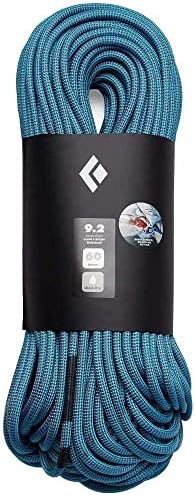


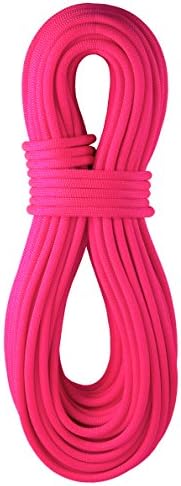


What Is A Dry-treated Dynamic Rope?
A dynamic rope is designed to stretch under a heavy load. This stretching is essential in climbing and rescue situations because it absorbs the energy of a fall, reducing the force on the climber and their gear. “Dry-treated” means the rope has a special coating or chemical treatment that helps it resist water, dirt, and abrasion.
So, a dry-treated dynamic rope is a rope that can both stretch to absorb falls and resist water and moisture—combining two crucial safety features in one product.
How Dry Treatment Works
Manufacturers use different methods to apply dry treatments. Some treat only the sheath (outer layer), while others treat both the sheath and the core (the internal fibers). Treatments can be chemical coatings, microscopic barriers, or special fibers woven into the rope.
The main goal is to stop water from soaking into the rope. Water weakens ropes by making them heavier, reducing their elasticity, and increasing the risk of freezing in cold conditions. A good dry treatment keeps the rope lighter, stronger, and safer—no matter the weather.
Dynamic Vs. Static Ropes
It’s important to know that dynamic ropes are different from static ropes. Dynamic ropes are made to stretch and absorb shock. Static ropes, used for hauling gear, rappelling, or rescue (where stretching is not wanted), do not have this give. Using a static rope where a dynamic one is needed can lead to serious injury.
Why Use A Dry-treated Dynamic Rope?
You might wonder, “Do I really need the extra treatment? Is it just a marketing trick? ” For some, a standard rope is enough. But for many, a dry-treated dynamic rope is a real advantage.
Wet Conditions And Safety
Climbing in rain, snow, or icy mountains is risky. Standard ropes can absorb water, which:
- Makes them heavier and harder to handle
- Increases the risk of freezing, making knots impossible to untie
- Reduces the rope’s strength by up to 30% when wet
- Causes the rope to wear out faster
A dry-treated rope resists water, so it stays lighter and stronger. This can make the difference between a successful climb and a dangerous situation.
Dirt, Abrasion, And Longevity
The same coating that repels water also keeps out dirt and grit. This helps the rope last longer, because dirt inside fibers causes abrasion and weakens the rope over time. For people who climb outside often, especially on sandy or dirty routes, dry-treated ropes can last months or even years longer than untreated ropes.
Better Handling
Dry treatments can make ropes feel smoother and less sticky in your hands. They’re easier to coil, belay, and tie knots with—especially in cold or wet conditions. This means less time fighting your rope, and more focus on climbing.
Professional And High-stress Use
Rescue teams, ice climbers, alpine climbers, and expedition leaders almost always choose dry-treated dynamic ropes. When the cost of failure is high, every bit of extra safety matters.
How Dry-treated Dynamic Ropes Are Made
Manufacturing a dry-treated dynamic rope is more complex than producing a standard one. Here’s a breakdown of the process:
- Core Construction: High-quality nylon fibers are twisted together to form the core. This core is what gives the rope its stretch and strength.
- Sheath Braiding: A protective sheath is braided tightly around the core. This sheath handles most of the abrasion and environmental exposure.
- Dry Treatment Application: Chemical or polymer treatments are applied. Some manufacturers treat the sheath only, while premium ropes have both the sheath and core treated.
- Curing and Testing: The rope is cured (set) so the treatment bonds with the fibers. Every batch is tested for water resistance, strength, and dynamic performance.
- Finishing: Ropes are cut, labeled, and sometimes have middle markers or special patterns added.
Sheath-only Vs. Full Dry Treatment
There’s a big difference between sheath-only and full dry treatment. Sheath-only ropes repel surface water, but if the sheath gets nicked or worn, water can still reach the core. Full dry treatment protects every fiber, inside and out.
Pro Insight: In real-world use, full dry treatment is critical for ice climbing, snow, and long alpine routes. For indoor or dry-weather climbing, sheath-only treatment might be enough.
Key Features And Specifications
When shopping for a dry-treated dynamic rope, you’ll notice lots of numbers and features. Here’s what really matters:
Diameter
Most dynamic ropes range from 8.5mm to 10.5mm in diameter. Thinner ropes are lighter and better for advanced climbers, but thicker ropes last longer and are easier to handle for beginners.
Length
Common rope lengths are 60m or 70m (about 200 or 230 feet). Shorter ropes (40-50m) are used for gyms or short routes, while longer ropes give you more options outdoors.
Weight
Rope weight is usually given as grams per meter. Lighter ropes are easier to carry but might wear out faster or be harder to handle, especially if you’re new to climbing.
Uiaa Dry Certification
The UIAA (International Climbing and Mountaineering Federation) has strict tests for dry ropes. To be certified, a rope must absorb less than 5% of its weight in water after exposure. Check if your rope has this certification for real dry performance.
Fall Rating
Every dynamic rope is rated for a certain number of “standard falls.” More falls mean a longer-lasting, stronger rope. For most climbers, a rating of 6-9 falls is more than enough.
Impact Force
This measures how much force is transferred to the climber during a fall. Lower numbers mean softer catches and less stress on your body and anchors.
Handling Features
Modern ropes might include:
- Middle marks (a pattern or color change at the rope’s halfway point)
- Bicolor patterns (different colors for each half of the rope)
- Special coatings for extra durability
Here’s a sample comparison of three dry-treated dynamic ropes:
| Rope Model | Diameter (mm) | Weight (g/m) | UIAA Dry Certified | Fall Rating | Impact Force (kN) |
|---|---|---|---|---|---|
| Beal Joker Dry Cover | 9.1 | 52 | Yes | 5 | 8.2 |
| Petzl Volta Guide Dry | 9.2 | 55 | Yes | 6 | 8.6 |
| Mammut 9.5 Crag Dry | 9.5 | 59 | Yes | 8 | 8.8 |
Choosing The Right Dry-treated Dynamic Rope
With so many options, picking the right rope can feel overwhelming. Here’s a step-by-step guide to help you choose:
1. Define Your Activity
- Sport Climbing: Short, steep routes with frequent falls. Look for durability and handling.
- Trad Climbing: Longer routes, variable conditions. A balance of weight, durability, and dry treatment is best.
- Ice/Alpine Climbing: Wet, cold, and snowy. Full dry treatment is a must.
- Mountaineering: Light weight and full dry treatment for long days and changing conditions.
- Gym Climbing: Sheath-only or even untreated ropes can be enough, but dry treatment helps with longevity.
2. Consider Diameter And Weight
- Thicker ropes (9.8–10.5mm): Easier to handle, more durable, better for beginners.
- Thinner ropes (8.5–9.4mm): Lighter, better for advanced users and long approaches, but require more skill to handle safely.
3. Rope Length
- Outdoor single-pitch: 60m is standard, but check route lengths.
- Multi-pitch or big walls: 70m or twin ropes for versatility.
- Gym: 40–50m is usually enough.
4. Uiaa Certification
If you climb in wet or icy conditions, always check for the UIAA dry certification. Some ropes claim to be “dry” but don’t meet this standard.
5. Price Vs. Value
Dry-treated ropes cost more, usually 10–30% higher than untreated ropes. But they often last longer and perform better in tough conditions.
6. Other Features
Consider handling, color, middle marks, and packability. These small things make a big difference during real climbs.
Example Comparison: Dry-treated Vs. Non-dry Rope
Below is a quick side-by-side look at a dry-treated vs. non-dry version of the same rope model.
| Feature | Dry-Treated Rope | Non-Dry Rope |
|---|---|---|
| Water Resistance | Repels water, UIAA certified | Absorbs water, not certified |
| Weight When Wet | Stays light | Becomes heavy |
| Strength When Wet | Maintains strength | Can lose up to 30% strength |
| Durability | Lasts longer in harsh conditions | Wears out faster |
| Price | Higher | Lower |
Common Mistakes When Using Dry-treated Dynamic Ropes
Even experienced climbers sometimes misuse their gear. Here are mistakes to avoid with dry-treated dynamic ropes:
- Storing Rope Wet: Even the best dry treatment can break down if you always pack your rope wet. Always dry it fully before storing.
- Ignoring Damage: Dry treatment doesn’t make your rope indestructible. Cuts, sharp edges, and chemicals can still cause damage. Inspect your rope after every use.
- Not Cleaning Properly: Dirt can wear away the treatment. Clean your rope with water and mild soap, not harsh chemicals.
- Using with Wrong Devices: Some thin, dry-treated ropes slip more easily in belay devices. Always check device compatibility and adjust your belaying style.
- Assuming All Ropes Are Equal: Not all “dry” ropes are UIAA certified. Always read the manufacturer specs.
Non-obvious insight: Many climbers don’t realize that using a rope bag helps preserve the dry treatment. It keeps dirt, water, and UV rays off your rope.
Care And Maintenance For Dry-treated Dynamic Ropes
Dry treatment extends a rope’s life, but only if you care for it. Here’s how to keep your rope in top shape:
Storage
- Store your rope in a cool, dry place out of direct sunlight.
- Avoid leaving it in a hot car or damp basement.
- Use a rope bag to reduce UV and dirt exposure.
Cleaning
- Wash your rope in cold or lukewarm water, using a rope-specific cleaner or mild soap.
- Never use bleach or strong chemicals.
- Lay the rope flat or hang it in loose coils to air dry—never use a dryer or direct heat.
Inspection
- Check for soft spots, cuts, or fuzziness after every trip.
- Replace your rope if you notice core shots, big abrasions, or if it’s taken a major fall.
Retreatment
Some companies offer products to reapply water-repellent coatings. These can help, but they are not as effective as the original factory treatment. Consider this as a last resort for older ropes.
Real-world Examples And Use Cases
Seeing how dry-treated dynamic ropes perform in real situations can help you decide if they’re worth the investment.
Ice Climbing In The Canadian Rockies
Ice climbers often face dripping waterfalls, snow, and freezing winds. A non-dry rope can freeze solid, making it impossible to tie knots. Dry-treated ropes stay flexible, safe, and easy to handle—even at -10°F.
Alpine Expeditions
High-altitude mountaineers need light, reliable gear. Dry-treated ropes shed snow and ice, stay light in the pack, and can handle sudden weather changes. Many guides on peaks like Mont Blanc and Denali consider them essential.
Multi-pitch Trad Climbing
On long rock routes, ropes rub against rough stone, dirt, and gear. Dry treatment keeps the rope clean and smooth, reducing wear and making rope management easier at belays.
Rescue Teams
Search and rescue teams often work in rain, mud, and snow. They rely on dry-treated ropes because wet ropes can fail or slow down a rescue. The extra cost is worth the improved safety.
Environmental Impact Of Dry-treated Ropes
With more focus on sustainability, climbers often ask about the environmental effects of rope treatments.
Chemicals And Manufacturing
Most dry treatments use fluorochemicals or similar compounds. Some older chemicals (like PFOA) are harmful to the environment, but many brands now use safer, bluesign®-approved or PFOA-free treatments.
Longevity Means Less Waste
Dry-treated ropes usually last longer, which means fewer ropes end up in landfills. This can balance out the environmental cost of the treatment itself.
Disposal
Ropes cannot be recycled in standard bins, but some companies offer take-back programs. Always dispose of ropes responsibly.
Non-obvious insight: Some outdoor brands now use eco-friendly treatments and offer rope recycling. Check company policies before buying if sustainability is important to you.
Top Brands And Popular Models
While the market changes every year, some brands are known for reliable, high-quality dry-treated ropes. Here are a few standouts:
- Mammut: Known for durability and handling, especially the 9.5 Crag Dry.
- Petzl: The Volta series is popular among alpinists for its light weight and full dry treatment.
- Beal: Offers ropes with advanced dry cover and unicore technology for extra safety.
- Sterling Rope: Trusted for rescue and professional use, with robust dry treatments.
- Edelrid: Pioneers in eco-friendly rope production and advanced dry treatments.
Before you buy, always check the latest reviews and updates, as rope models and treatments improve every year.
Practical Tips For Maximizing Rope Life
- Use a rope bag every time you climb outside.
- Rotate the ends: Switch which end you tie into to even out wear.
- Flake your rope before every climb to avoid twists and tangles.
- Retire your rope if it’s taken a major fall or shows clear signs of damage.
- Label your rope with the purchase date and track usage for safety.
Comparing Rope Technologies
New rope technologies can make a big difference in safety and performance. Here’s a comparison of common features found in modern dry-treated dynamic ropes:
| Feature | Description | Benefit |
|---|---|---|
| Unicore Technology | Bonds core and sheath | Prevents sheath slippage, improves safety |
| Bicolor Pattern | Different colors for each rope half | Makes finding the middle easier |
| Middle Mark | Marked halfway point | Safer rappels and lowers |
| Thermo Shield | Heat treatment for smoother handling | Easier to knot and belay |
| Eco Dry Treatment | Eco-friendly water repellency | Lower environmental impact |
Common Buyer Questions
Is A Dry-treated Rope Worth The Extra Cost?
If you climb outside, in variable weather, or in alpine/ice environments, the answer is almost always yes. The extra durability, safety, and ease of use pay off over time. For gym climbers, the benefits are less, but dry treatment still improves longevity.
Do Dry-treated Ropes Feel Different?
Yes. They often feel smoother and less “sticky” than untreated ropes. This makes them easier to handle, especially in cold or wet conditions. Some climbers need time to adjust, especially when belaying with thin, slippery ropes.
How Long Does The Dry Treatment Last?
It depends on use. With regular outdoor climbing, the treatment can last for several seasons. Heavy use, dirt, and frequent washing will wear it off faster. Proper care and storage can double the rope’s lifespan.
Can I Use A Dry-treated Dynamic Rope Indoors?
Absolutely. The benefits are mostly about durability and handling, not just water resistance. Many gym climbers use dry-treated ropes to extend rope life, even if water is not a concern.
Are There Any Downsides?
Dry-treated ropes cost more and sometimes feel slicker when new. If price is a major concern or you only climb indoors, you might not need full dry treatment.
Frequently Asked Questions
What Is The Difference Between “dry Cover” And “golden Dry” Or “triple Dry” Ropes?
Dry cover usually means only the sheath is treated. Golden dry or triple dry means both core and sheath are fully treated. Full treatment offers better water resistance and durability, especially in extreme conditions.
How Do I Know When To Retire My Dry-treated Dynamic Rope?
Retire your rope if you see core shots (where the core is visible), large flat spots, big abrasions, or after a major fall. Most ropes last 3-5 years with regular use, but heavy falls or damage require immediate retirement.
Is Dry-treated Rope Safe For Rappelling?
Yes, as long as the rope’s diameter matches your rappel device. Dry treatment actually makes rappelling safer in wet or icy conditions by keeping the rope flexible and strong.
Can I Retreat My Rope At Home?
Some sprays and washes claim to restore water repellency. These can help, but they won’t be as good as the original factory treatment. They’re best for older ropes nearing the end of their life.
Where Can I Find More Information About Rope Standards And Tests?
You can read about rope standards and the UIAA dry test at the UIAA official website.
No matter where you climb—on wet rock, icy mountains, or dusty cliffs—the right dry-treated dynamic rope is a smart investment in your safety and fun. By choosing carefully, caring for your gear, and understanding what makes these ropes special, you can climb with more confidence and less worry every time you tie in.