All-Around Climbing Harness: Top Picks for Every Climber
Climbing is more than just reaching the top. It’s about safety, comfort, and confidence—qualities that depend heavily on the gear you choose. The all-around climbing harness is one of the most essential pieces of equipment for any climber, whether you’re scaling indoor walls, venturing outdoors, or trying alpine routes. But what makes a harness “all-around”? Why do climbers trust it for almost every style of climbing, and how should you choose the right one for your needs? This article explores all-around climbing harnesses in depth, from their design and features to how you can select, use, and maintain them. Whether you’re new to climbing or looking to upgrade your gear, you’ll find practical advice, expert insights, and answers to common questions.
Key Takeaways
- What Is An All-around Climbing Harness?
- Key Features Of All-around Climbing Harnesses
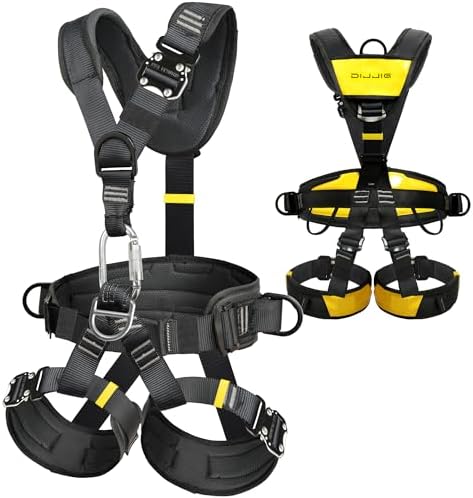
- The Anatomy Of An All-around Harness
- Benefits Of Using An All-around Harness
- Comparing All-around Harnesses To Specialized Models
- How To Choose The Right All-around Climbing Harness
On this page
- What Is An All-around Climbing Harness?
- Key Features Of All-around Climbing Harnesses
- The Anatomy Of An All-around Harness
- Benefits Of Using An All-around Harness
- Comparing All-around Harnesses To Specialized Models
- How To Choose The Right All-around Climbing Harness
- Common Mistakes When Choosing A Harness
- Top 5 All-around Climbing Harnesses In 2026
- Proper Use And Safety Tips
- The Importance Of Harness Inspection
- Comfort And Performance: What Matters Most
- How All-around Harnesses Improve Your Climbing Experience
- Comparing Top Harness Brands
- Real-world Example: Choosing An All-around Harness
- How To Care For Your All-around Harness
- Harness Safety Standards Explained
- Harness Lifespan And Replacement
- Harness For Kids And Beginners
- Environment And Sustainability
- Harness Accessories
- All-around Harnesses And Indoor Climbing
- Outdoor Climbing And Harness Choice
- Alpine Climbing And Harness Adaptation
- Harness Fit: Practical Testing Tips
- Frequently Asked Questions
Recommended Products for All-Around Climbing Harnesses





What Is An All-around Climbing Harness?
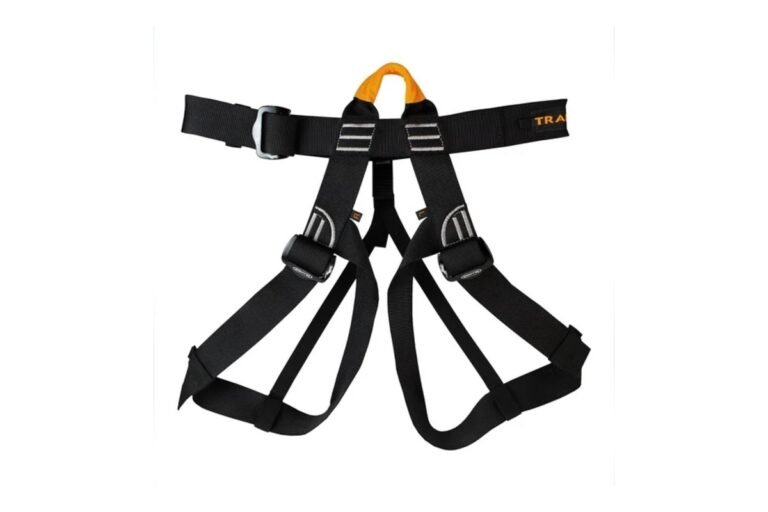
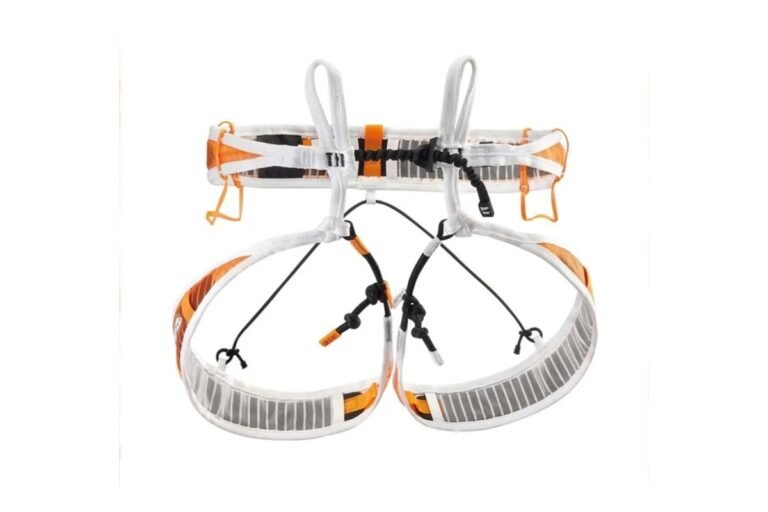
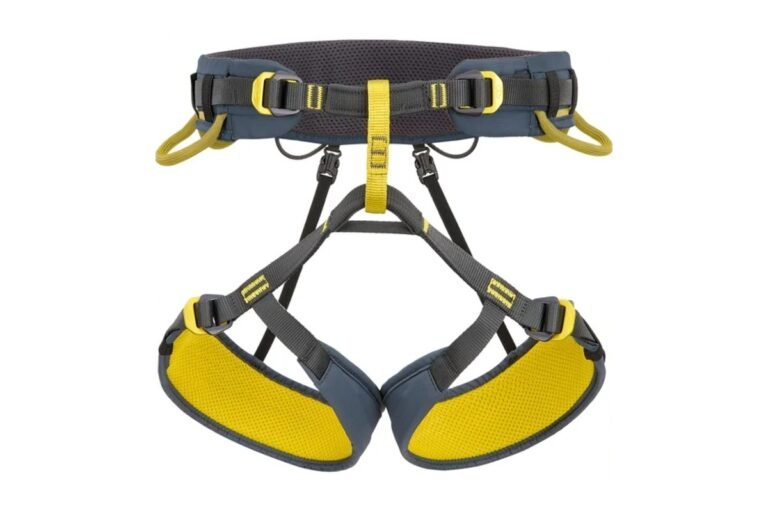
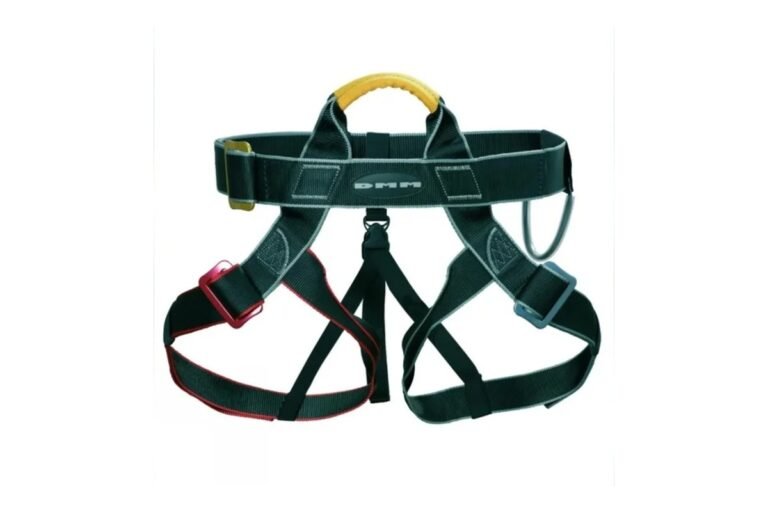
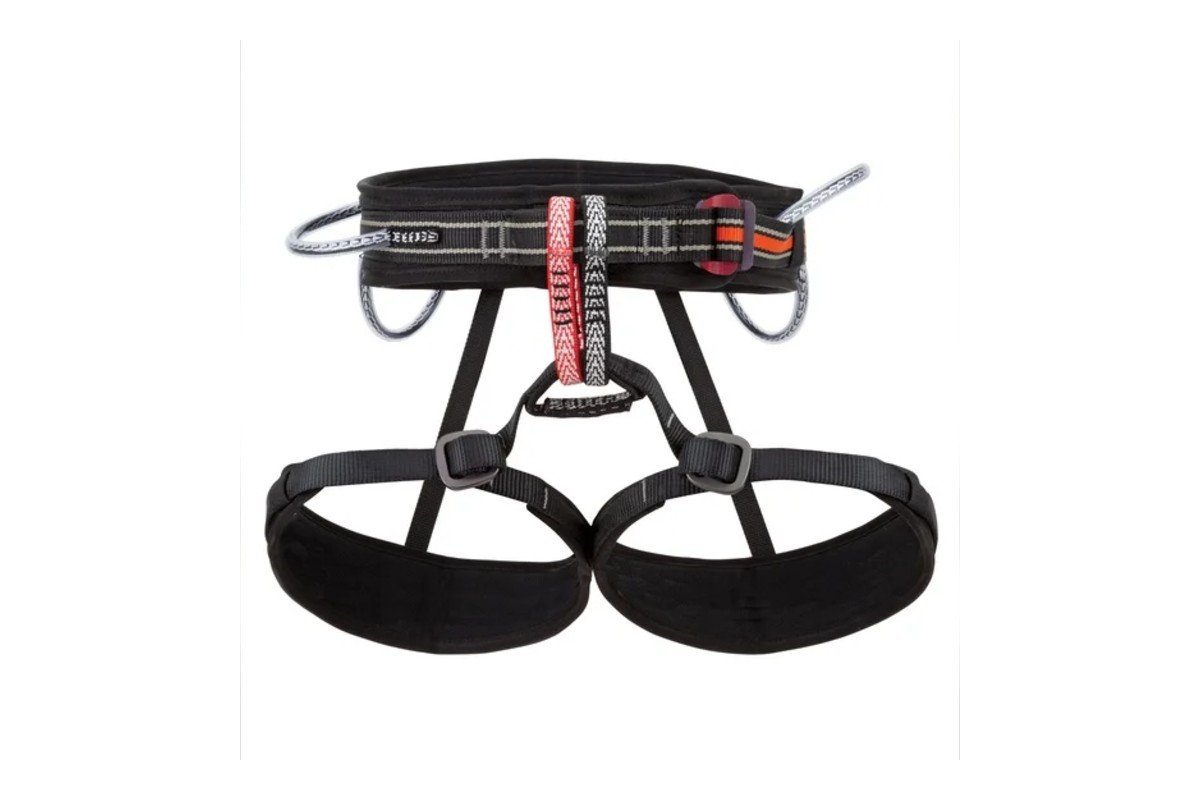
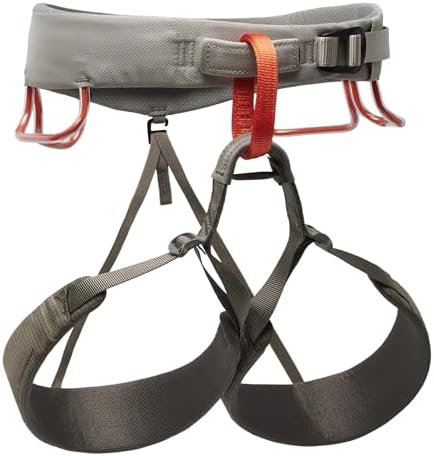
An all-around climbing harness is designed for versatility. Unlike specialized harnesses for sport, trad, or alpine climbing, all-around harnesses aim to perform well in a variety of situations. They combine comfort, safety, and adaptability, making them suitable for beginners and experienced climbers alike.
Most all-around harnesses feature:
- Adjustable leg loops and waist belts
- Multiple gear loops
- Durable materials
- Padding for comfort during long sessions
- Safety certifications from organizations like UIAA or CE
This harness type is often recommended for those who climb both indoors and outdoors, participate in different climbing disciplines, or want a reliable harness for travel and adventure.
Key Features Of All-around Climbing Harnesses
Choosing an all-around harness means looking for features that balance comfort, performance, and durability. Let’s break down the most important components:
Waist Belt
The waist belt is the main support. It should be wide enough to distribute weight but not so bulky that it restricts movement. Many harnesses use EVA foam or mesh padding for breathability. Adjustable buckles allow for a snug fit.
Leg Loops
Leg loops need to be comfortable and secure. Adjustable leg loops are common in all-around harnesses, letting you fit the harness over pants or shorts. Fixed leg loops are lighter but less flexible.
Gear Loops
Most harnesses have gear loops—plastic or fabric loops used to carry quickdraws, cams, or nuts. Four gear loops are standard for all-around harnesses. Some models add a fifth loop for extra gear or chalk bags.
Belay Loop
The belay loop is the central point for attaching belay devices. It must be strong and well-stitched. UIAA standards require the belay loop to hold at least 15 kN (kilonewtons).
Haul Loop
A haul loop sits on the back of the harness. It’s used for carrying extra ropes or gear, but it’s not designed for load-bearing. Make sure you don’t use this for belaying.
Padding And Ventilation
Modern all-around harnesses use lightweight foam and mesh for comfort and cooling. Padding helps during long climbs, while mesh keeps you cool. Look for harnesses with sweat-wicking materials if you climb in warm gyms or outdoors.
Safety Certifications
Always check for UIAA and CE certifications. These show the harness meets safety standards. Avoid harnesses without proper certification.
The Anatomy Of An All-around Harness
Understanding the construction helps you make better choices. Here’s a typical breakdown:
| Component | Function | Common Material |
|---|---|---|
| Waist Belt | Distributes weight | Nylon, EVA foam, mesh |
| Leg Loops | Secure thighs | Nylon, mesh, adjustable buckles |
| Gear Loops | Carry climbing gear | Plastic, reinforced nylon |
| Belay Loop | Main attachment point | High-strength nylon |
| Haul Loop | Carry extra rope | Nylon webbing |
Every part plays a specific role. For example, the belay loop is the strongest, while gear loops focus on accessibility. Knowing these differences is useful when comparing harness models.
Benefits Of Using An All-around Harness
Why pick an all-around harness over a specialized one? Here are the main advantages:
- Versatility: Works for sport, trad, gym, and alpine climbing.
- Comfort: Extra padding and adjustable fits help during long sessions.
- Value: You buy one harness instead of several for different climbing styles.
- Safety: Meets high safety standards, often with extra features.
- Durability: Designed for frequent use and rough conditions.
A less obvious benefit is that all-around harnesses often have better resale value. If you upgrade later, you can usually sell your harness to another climber.
Comparing All-around Harnesses To Specialized Models
Let’s look at how all-around harnesses stack up against specialized harnesses:
| Type | Best For | Key Features | Drawbacks |
|---|---|---|---|
| All-Around | Mixed climbing styles | Adjustable, comfortable, durable | Heavier than sport harnesses |
| Sport | Gym, competition | Lightweight, minimal padding | Less comfortable for long climbs |
| Trad | Outdoor, multi-pitch | Extra gear loops, robust | Bulkier, heavier |
| Alpine | Ice/mountaineering | Lightweight, minimal design | Less padding, limited gear loops |
All-around harnesses balance these trade-offs, making them a smart choice for most climbers.
How To Choose The Right All-around Climbing Harness
Picking the right harness involves more than just reading reviews. Here’s a practical guide:
1. Fit And Sizing
The most important factor is fit. Try on several harnesses with your climbing clothes. The waist belt should sit above your hips and not slide down. Leg loops should be snug but not tight.
Tip: If you plan to climb in winter, try the harness over thicker clothing. Some harnesses can be adjusted for different seasons.
2. Weight
Weight matters if you climb long routes or carry gear for hours. All-around harnesses are heavier than sport harnesses but lighter than trad. The best models use lightweight materials without sacrificing durability.
3. Adjustability
Look for harnesses with double-back buckles and adjustable leg loops. This allows you to fine-tune the fit for different activities or body shapes.
4. Gear Loops
Think about the number and size of gear loops. Four is standard, but if you climb trad routes, you may want more. Gear loops should be easy to reach and strong enough for heavy gear.
5. Comfort
Padding, ventilation, and ergonomic design are key. Try hanging in the harness for a few minutes. You should feel supported, not pinched or pressured.
6. Price
All-around harnesses range from $50 to $150. Higher-priced models often have better materials and features. Don’t overspend—choose what fits your budget and needs.
7. Safety
Only buy harnesses with UIAA or CE certification. Avoid knockoff brands or harnesses without clear safety labels.
8. Brand Reputation
Stick with brands known for quality, like Black Diamond, Petzl, Mammut, or Edelrid. These companies test their products thoroughly and offer good warranties.
9. Gender And Size Options
Many harnesses are available in men’s, women’s, and unisex sizes. Women’s harnesses often have a different waist-to-leg ratio. Make sure you check sizing charts.
Common Mistakes When Choosing A Harness
Beginners often make these errors:
- Ignoring Fit: Buying a harness that doesn’t fit well leads to discomfort and safety risks.
- Choosing by Color or Style: Looks are less important than comfort and safety.
- Overbuying Features: More gear loops or padding aren’t always better.
- Not Testing Before Buying: Always try before you buy, even if shopping online—check return policies.
- Buying Cheap Brands: Low-quality harnesses may not meet safety standards.
A non-obvious mistake is forgetting to check expiration dates. Harnesses have a lifespan (usually 5–10 years). Always check the manufacturer’s tag.
Top 5 All-around Climbing Harnesses In 2026
Here are some of the most popular and reliable all-around harnesses, with key details:
1. Black Diamond Momentum
- Price: Around $65
- Weight: 350g
- Features: Adjustable leg loops, four gear loops, breathable padding
- Best for: Gym, sport, and trad climbing
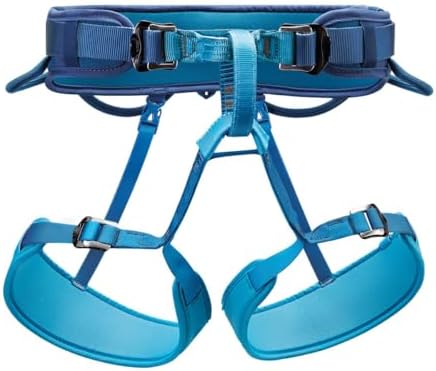
2. Petzl Corax
- Price: Around $70
- Weight: 420g
- Features: Universal fit, two sizes, four gear loops, reinforced belay loop
- Best for: Beginners, multi-discipline climbers
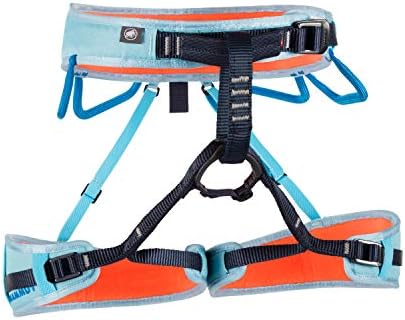
3. Mammut Ophir 3 Slide
- Price: Around $75
- Weight: 410g
- Features: Split webbing, four gear loops, adjustable leg loops, unique color coding
- Best for: Comfort during long climbs
4. Edelrid Jay
- Price: Around $65
- Weight: 400g
- Features: Adjustable, ergonomic waist belt, four gear loops, haul loop
- Best for: Indoor and outdoor versatility
5. Arc’teryx Ar-395a
- Price: Around $165
- Weight: 395g
- Features: Lightweight, high-end materials, four gear loops, wide waist belt
- Best for: Advanced climbers, multi-pitch routes
These models are popular for their reliability and comfort. Always check for updates and new releases, as brands improve features each year.
Proper Use And Safety Tips
Safety is the top priority. Here’s how to use your harness correctly:
Fitting The Harness
- Waist belt should be above the hip bones.
- Leg loops should be snug but not tight.
- Belay loop should face forward and be easy to access.
Double-check Before Climbing
- Always double-back buckles.
- Check for wear, fraying, or damaged stitching.
- Make sure the harness is not twisted.
Attaching Gear
- Use gear loops for equipment, not for belaying.
- Only attach your belay device to the belay loop.
- Never tie into haul loops.
Harness Lifespan
- Most harnesses last 5–10 years.
- Retire harnesses after a major fall, visible damage, or expiration date.
Cleaning And Storage
- Wash with mild soap and water; never use bleach.
- Air-dry away from sunlight.
- Store in a cool, dry place.
A surprising tip: Never store your harness in a hot car. Heat can weaken the materials, reducing safety.
The Importance Of Harness Inspection
Regular checks prevent accidents. Here’s a quick inspection routine:
- Webbing: Look for fraying, cuts, or weak spots.
- Stitching: Check all seams, especially the belay loop.
- Buckles: Test for smooth operation and security.
- Gear Loops: Inspect for cracks or breaks.
- Label: Check the manufacturing date and certification marks.
If you see damage, retire the harness immediately.
Comfort And Performance: What Matters Most
Long climbs and multi-pitch routes demand comfort. Here’s what makes a harness comfortable:
- Wide, padded waist belt
- Adjustable leg loops
- Soft, breathable materials
- Ergonomic design for movement
Performance depends on how well the harness distributes weight and allows freedom of movement. A harness that pinches or restricts can ruin your climbing experience.
How All-around Harnesses Improve Your Climbing Experience
Using a good all-around harness means:
- Less fatigue: Padding reduces pressure points.
- Better focus: You spend less time adjusting gear.
- Safer climbs: High-quality materials and construction protect you.
- More fun: Comfort and freedom let you enjoy climbing, not just endure it.
Many climbers find that investing in a reliable harness boosts their confidence, helping them try new routes or climb longer sessions.
Comparing Top Harness Brands
To help you decide, here’s a comparison of four leading brands:
| Brand | Price Range | Weight Range | Warranty | Unique Feature |
|---|---|---|---|---|
| Black Diamond | $60–$120 | 320–400g | 1 year | Easy adjust system |
| Petzl | $65–$150 | 350–420g | 3 years | Universal sizing |
| Mammut | $70–$140 | 370–410g | 2 years | Split webbing |
| Edelrid | $60–$130 | 350–420g | 3 years | Ergonomic belt |
Always check the latest reviews and compare features. A harness from a trusted brand will last longer and offer better support.
Real-world Example: Choosing An All-around Harness
Imagine you’re a climber who enjoys gym sessions but wants to start outdoor climbing. You need a harness that fits both styles and lasts several years.
You try three harnesses:
- Black Diamond Momentum: Good fit, affordable, comfortable for indoor climbs.
- Petzl Corax: Easy to adjust, more padding, suitable for outdoor routes.
- Mammut Ophir 3 Slide: Extra comfort, color-coded buckles, ideal for longer sessions.
After testing, you pick the Petzl Corax because of its universal fit and extra padding. You feel secure during gym climbs and confident outdoors.
This example shows that testing and comparing is important. What feels good for one climber may not work for another.
How To Care For Your All-around Harness
Proper care extends the harness’s life and keeps you safe. Here’s a step-by-step routine:
- Clean after use: Dirt and sweat can weaken materials. Hand wash with mild soap.
- Dry properly: Air-dry, never use a dryer. Avoid direct sunlight.
- Store safely: Keep the harness in a cool, dry place. Don’t leave it in your car or near chemicals.
- Inspect regularly: Check webbing, stitching, and buckles before each climb.
- Retire when needed: If you see damage or reach the expiration date, replace your harness.
A useful tip: Write the purchase date on the harness tag. This helps track its lifespan.
Harness Safety Standards Explained
Harness safety is regulated by organizations like UIAA (International Climbing and Mountaineering Federation) and CE (Conformité Européenne). Here’s what these certifications mean:
- UIAA: Harness must withstand at least 15 kN force on the belay loop.
- CE: Harness meets European safety standards for materials, construction, and durability.
Always check for these marks on the harness label. If a harness lacks certification, do not use it for climbing.
For more details on certification, visit the Petzl official site.
Harness Lifespan And Replacement
Harnesses don’t last forever. Most brands recommend replacing your harness every 5–10 years, even if it looks fine.
Replace your harness immediately if you notice:
- Broken stitching
- Frayed webbing
- Damaged buckles
- Discoloration or chemical damage
After a severe fall, retire the harness even if no damage is visible. Invisible damage can affect safety.
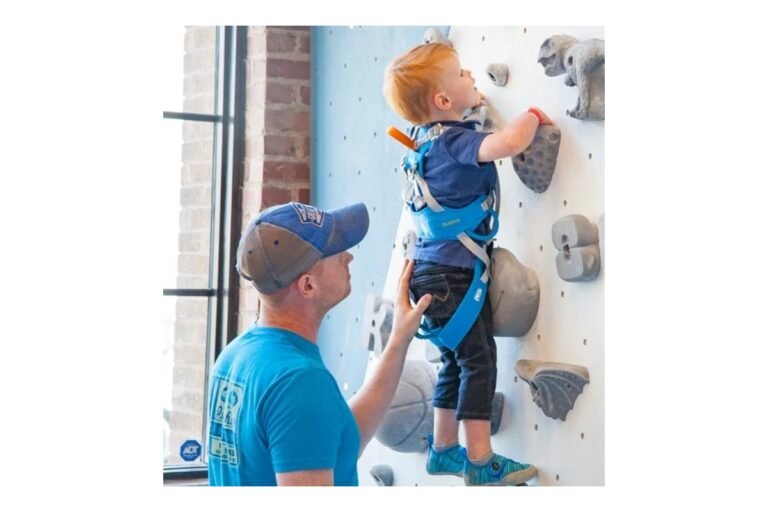
Harness For Kids And Beginners
Kids and beginners need harnesses with extra safety and comfort. Look for:
- Adjustable leg loops
- Wide waist belts
- Easy-to-use buckles
- Extra padding
Many brands offer youth harnesses with bright colors and extra support. Beginners should always try harnesses with the help of an experienced climber or instructor.
Environment And Sustainability
Some brands use eco-friendly materials in their harnesses. Look for:
- Recycled webbing
- Water-based dyes
- Sustainable packaging
Brands like Edelrid and Mammut are leading the way in sustainability. Eco-friendly harnesses are just as safe and comfortable as traditional ones.
Harness Accessories
Enhance your harness with useful accessories:
- Chalk bags: Attach to a gear loop or waist belt.
- Belay devices: Always clip to the belay loop.
- Carabiners: Use locking carabiners for safety.
- Harness bag: Protects your harness during travel.
Never overload your gear loops. Too much weight can affect balance and safety.
All-around Harnesses And Indoor Climbing
Indoor climbing is where many start their journey. All-around harnesses are perfect for gyms because:
- They fit over gym clothes easily
- Padding supports long sessions
- Gear loops carry chalk and belay devices
Gyms often rent harnesses, but buying your own improves comfort and hygiene.
Outdoor Climbing And Harness Choice
Outdoor climbing demands durability and adaptability. All-around harnesses offer:
- Strong materials for rough surfaces
- Extra gear loops for trad gear
- Adjustable fits for different clothing
Always check your harness for damage after each outdoor session.
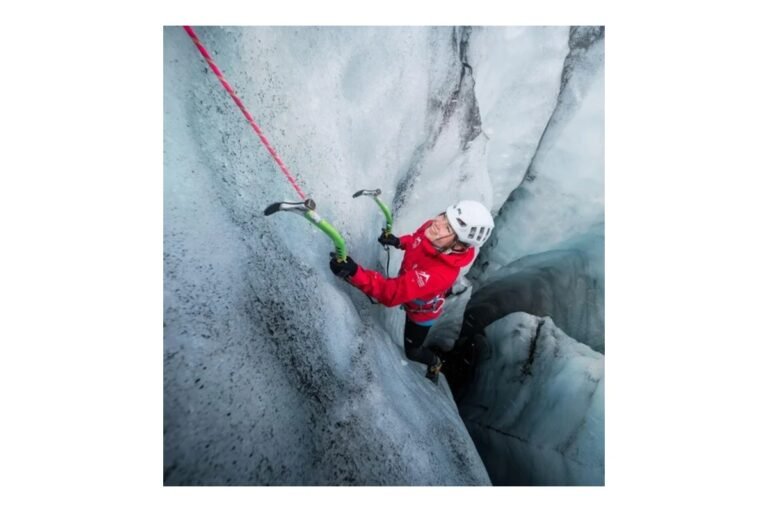
Alpine Climbing And Harness Adaptation
Alpine routes are cold and challenging. All-around harnesses can adapt by:
- Fitting over thick pants
- Withstanding cold temperatures
- Carrying ice tools and extra gear
Some climbers add a second harness for safety on extreme routes.
Harness Fit: Practical Testing Tips
When testing a harness:
- Hang in the harness for 5–10 minutes
- Move legs and hips—should feel free, not restricted
- Try with climbing shoes and gear
The right fit means you can climb longer and safer.
Frequently Asked Questions
What Is The Difference Between An All-around Harness And A Sport Harness?
An all-around harness is designed for versatility, with extra padding, adjustable features, and multiple gear loops. A sport harness is lighter, has minimal padding, and fewer gear loops. All-around harnesses are better for mixed climbing styles, while sport harnesses suit gym or competition climbing.
How Often Should I Replace My Climbing Harness?
You should replace your harness every 5–10 years, even if it looks fine. Replace it immediately if you notice damage like frayed webbing, broken stitching, or after a severe fall.
Can I Use An All-around Harness For Ice Or Alpine Climbing?
Yes, but check if the harness fits over winter clothing and has adjustable leg loops. For extreme alpine routes, some climbers prefer specialized harnesses, but most all-around models are suitable for moderate alpine climbs.
Are All-around Harnesses Safe For Beginners?
Absolutely. All-around harnesses are often recommended for beginners because of their comfort, adjustability, and safety certifications. Choose a harness from a reputable brand and ensure it fits properly.
How Do I Clean And Store My Climbing Harness?
Hand wash your harness with mild soap and water, air-dry away from sunlight, and store in a cool, dry place. Avoid leaving your harness in a hot car or near chemicals, as heat and chemicals can weaken the materials.
Climbing is safer and more enjoyable when you trust your gear. The all-around climbing harness offers reliability, comfort, and adaptability, letting you focus on the climb, not the equipment. Whether indoors or outside, your harness is a key partner on every adventure. With the right fit, care, and safety practices, you can climb confidently and push your limits, knowing you’re protected by one of the most important pieces of gear in the sport.