
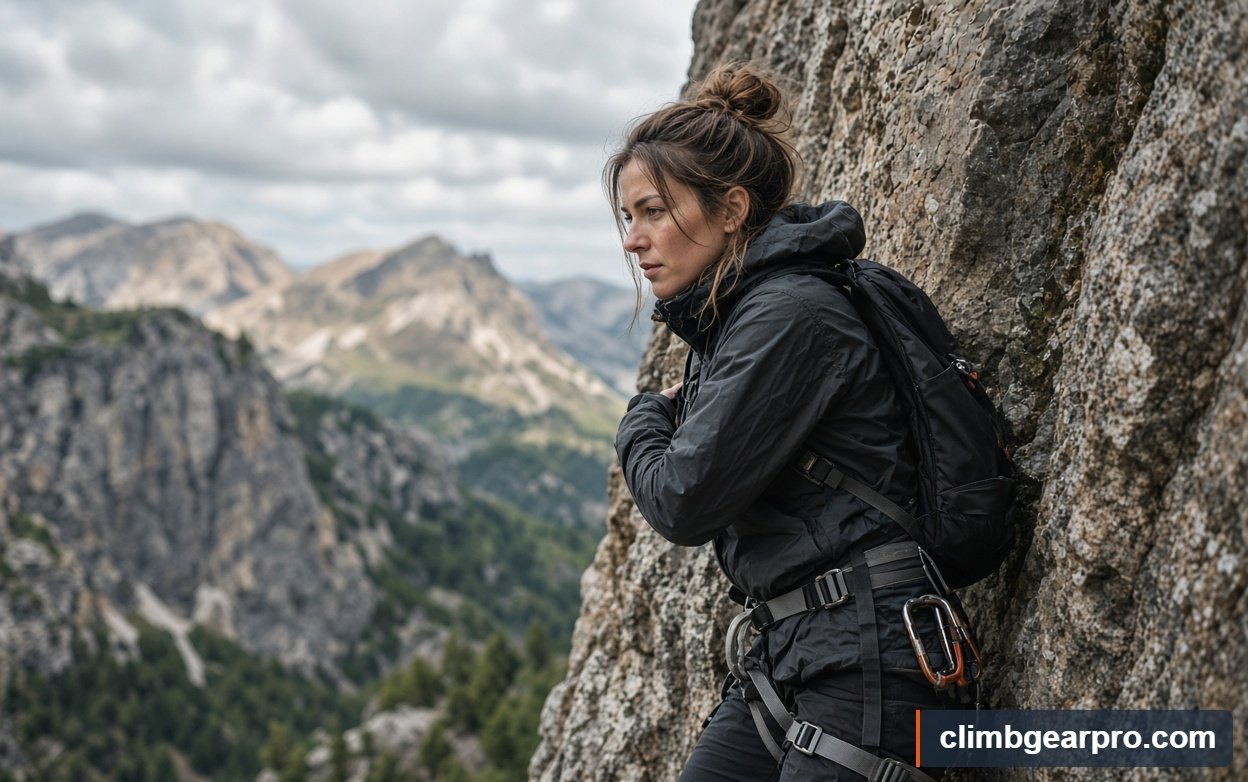
What to Wear Rock Climbing: Essential Gear and Outfit Tips
Rock climbing is exciting, challenging, and rewarding. But it is also demanding on your body and your gear. If you are new to rock climbing, you may wonder: what should you wear rock climbing? The right clothing and shoes make a huge difference.
They protect you, help you move better, and keep you comfortable. If you wear the wrong clothes, you might feel restricted, get injured, or simply have a bad experience.
Many beginners think any sportswear will do. But climbing is unique. Your outfit must handle rough surfaces, stretching, sweat, and sometimes cold or heat. Indoor and outdoor climbing also require different choices. Even the route, weather, and your skill level affect what you wear.
Let’s look at how to choose the best clothing and gear for rock climbing, from head to toe. You’ll learn what matters most, how to avoid common mistakes, and how to make smart decisions for every climbing situation.
Key Takeaways
- Why Clothing Matters In Rock Climbing
- Essential Clothing For Rock Climbing
- Dressing For Indoor Vs Outdoor Climbing
- What To Avoid: Common Clothing Mistakes
- Special Considerations For Different Climbing Types
- How To Choose The Best Climbing Clothing
On this page
- Why Clothing Matters In Rock Climbing
- Essential Clothing For Rock Climbing
- Dressing For Indoor Vs Outdoor Climbing
- What To Avoid: Common Clothing Mistakes
- Special Considerations For Different Climbing Types
- How To Choose The Best Climbing Clothing
- Women’s Vs Men’s Climbing Clothing
- Budget And Brands: What To Expect
- Caring For Your Climbing Clothes
- Frequently Asked Questions
Why Clothing Matters In Rock Climbing
Rock climbing is not just about strength and skill. The right clothing helps you:
- Move freely
- Stay safe
- Avoid overheating or getting cold
- Prevent scrapes and bruises
Climbing involves stretching, twisting, and reaching. Clothes must allow a full range of motion. Fabrics must handle rubbing against rocks or plastic holds. If you climb outside, you face sun, wind, or rain. Indoors, you deal with sweat, chalk, and tight spaces.
One study by the Outdoor Industry Association showed that comfort and mobility are the top reasons climbers choose specific clothing. Over 60% of climbers said that poor clothing affected their performance. With the right outfit, you can focus on the climb—not your discomfort.
Essential Clothing For Rock Climbing
Let’s break down what you need for the main parts of your body. We’ll look at tops, bottoms, shoes, and accessories.
Tops: What To Wear On Your Upper Body


Your top must let your arms move freely, wick away sweat, and protect your skin. For most climbers, a synthetic T-shirt or a lightweight tank is best.
- Material: Choose synthetic fabrics like polyester or nylon. These dry fast and stretch well. Cotton absorbs sweat and stays wet, which is uncomfortable.
- Fit: Look for slim but not tight. Baggy shirts get caught in your harness or snagged on holds. Too tight restricts movement.
- Sleeve length: Short sleeves or sleeveless are best for indoor climbing. If you climb outside, consider long sleeves for sun and scratch protection.
Many climbers wear layered tops outdoors. A moisture-wicking base layer, a lightweight fleece, and a windproof shell work well for changing weather.
Example: Climber’s Top Choices
- Indoor bouldering: Synthetic tank or short sleeve T-shirt
- Outdoor sport climbing: Moisture-wicking long sleeve + light jacket
- Alpine climbing: Base layer + fleece + waterproof shell
Bottoms: Choosing Climbing Pants And Shorts
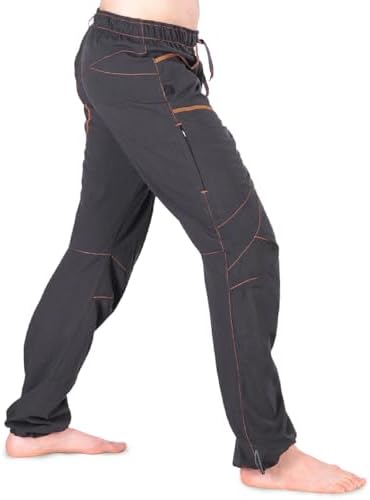
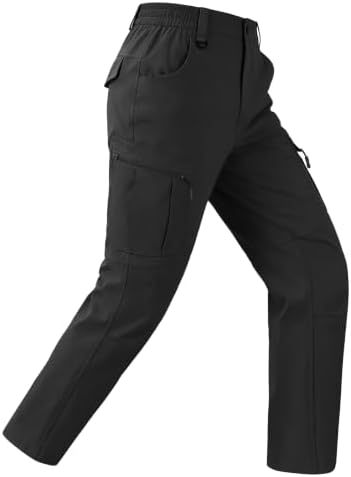


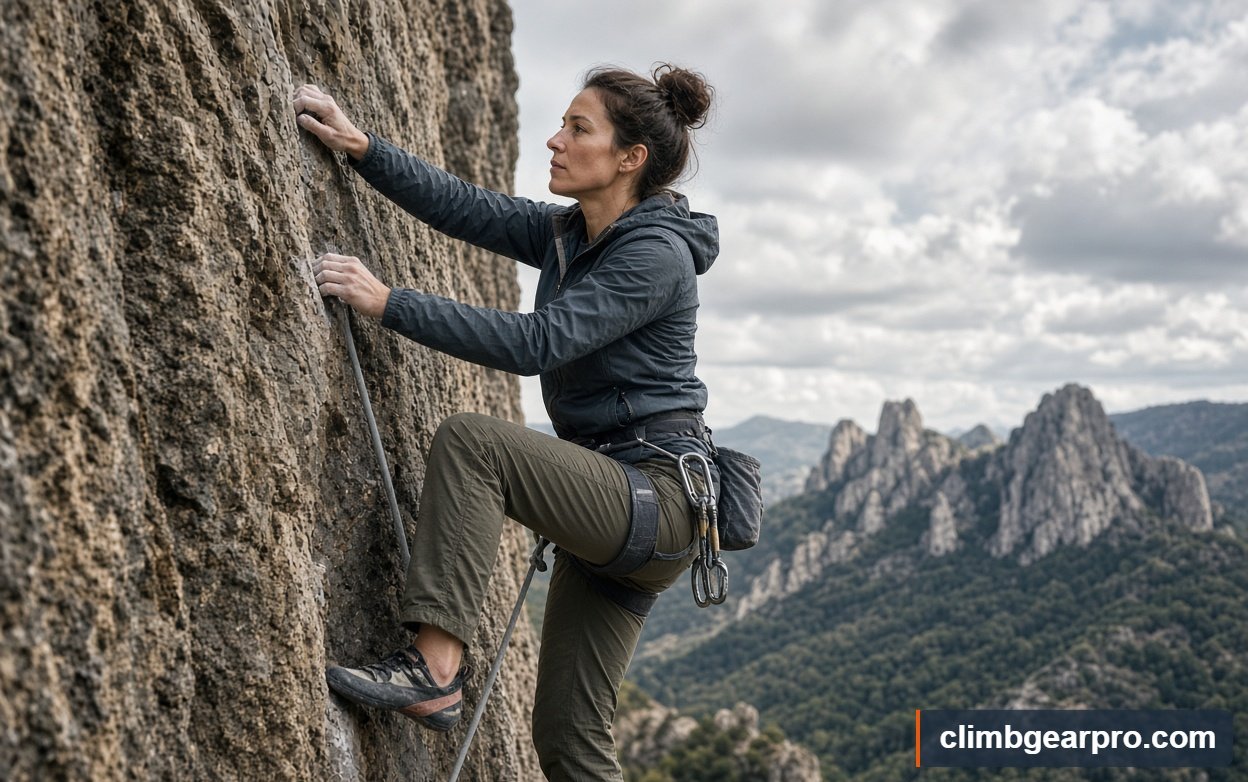
Your legs need freedom to stretch and bend. Good climbing pants are tough, stretchy, and comfortable. Shorts work well indoors, but pants are better outdoors.
- Material: Look for nylon, polyester, or blends with elastane (spandex). These fabrics resist abrasions and stretch easily.
- Fit: Slim, tapered pants prevent catching on holds. Some climbers prefer loose pants for airflow.
- Length: Shorts are fine for gyms. Pants protect your legs from scrapes, sun, and bugs outside.
- Features: Gusseted crotch and articulated knees allow more movement.
Some brands make climbing-specific pants with reinforced knees and adjustable cuffs. These are worth the investment if you climb often.
Comparison Of Climbing Bottoms
| Type | Best For | Main Benefits | Drawbacks |
|---|---|---|---|
| Shorts | Indoor gym | Cool, unrestricted | No protection outdoors |
| Stretchy pants | Indoor/outdoor | Freedom, protection | May be warmer |
| Jeans | Beginner, casual | Cheap, durable | Limited stretch |
Climbing Shoes: The Most Important Gear


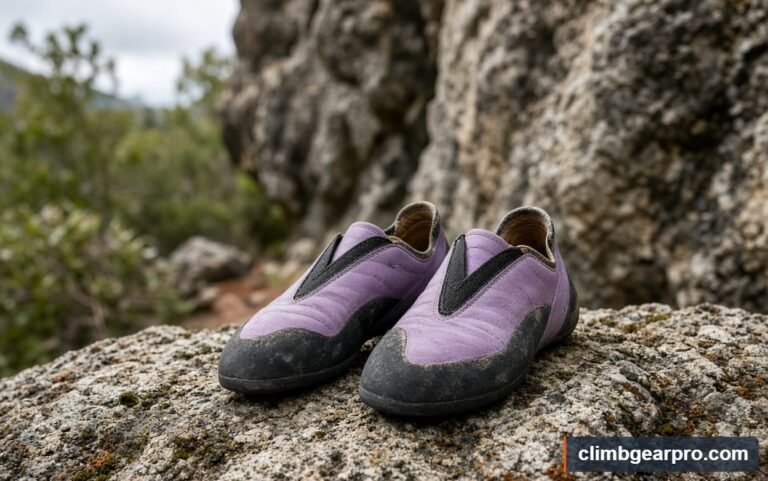
If you ask experienced climbers, they’ll say shoes matter most. Climbing shoes are designed to grip small holds, support your feet, and help you stand on tiny edges.
- Fit: Shoes should be snug but not painful. Many beginners buy shoes that are too tight, thinking tighter is better. This can cause blisters and sore toes.
- Type: There are three main types:
- Neutral shoes: Flat, comfortable, best for beginners.
- Moderate shoes: Slightly downturned, good for sport climbing.
- Aggressive shoes: Strongly downturned, best for advanced bouldering.
- Material: Most climbing shoes use synthetic or leather uppers. Leather stretches; synthetic stays the same size.
- Closure: Velcro is quick and easy. Laces allow a more precise fit.
Climbing Shoe Comparison
| Shoe Type | Comfort | Performance | Recommended For |
|---|---|---|---|
| Neutral | High | Low | Beginners, all-day climbs |
| Moderate | Medium | Medium | Sport climbing, all-round |
| Aggressive | Low | High | Bouldering, overhangs |
One thing beginners often miss: socks are not usually worn with climbing shoes. Socks reduce sensitivity and grip. Only wear thin socks if you have sensitive skin or rental shoes.
Accessories: What Else Should You Wear?
Climbing needs a few extra items for protection and comfort.
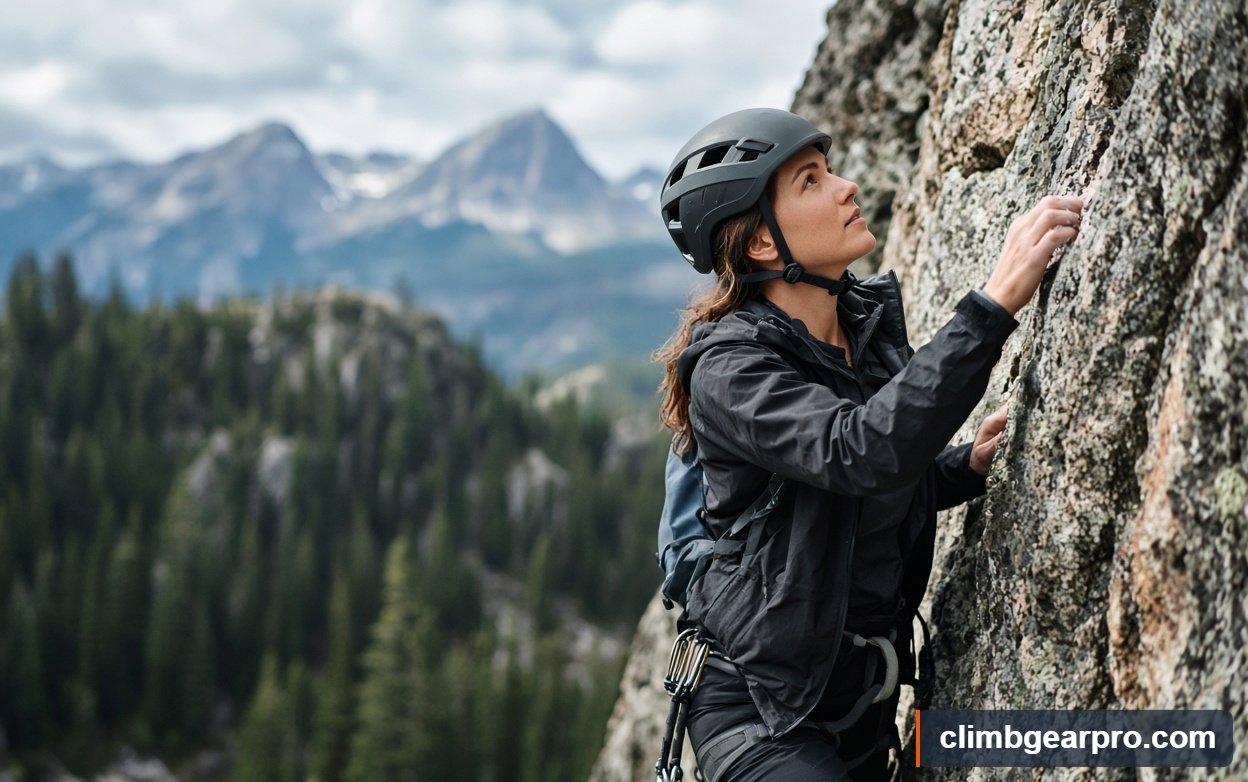
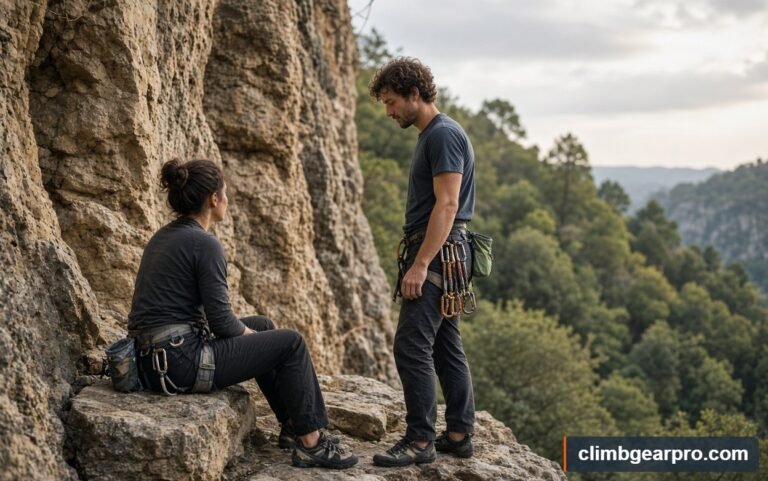
- Harness: Needed for rope climbing. Wear snug, padded harnesses. Avoid loose straps.
- Helmet: Essential for outdoor climbing. Protects from falling rocks and bumps. Gym climbing rarely needs helmets.
- Chalk bag: Keeps hands dry. Attach it to your harness or waist.
- Belay gloves: Protect hands while belaying, especially on rough ropes.
- Sunglasses and hats: Useful outdoors for sun protection.
- Layers: Pack a light jacket or windbreaker for outdoor climbing.
Accessory Checklist
- Harness
- Helmet (outdoors)
- Chalk bag
- Belay gloves
- Sun protection (hat, glasses)
- Layered jacket
Dressing For Indoor Vs Outdoor Climbing
Indoor gyms and outdoor crags are different worlds. Your clothing must match the environment.
Indoor Climbing
- Temperature: Gyms are usually climate-controlled. Light, breathable clothes are ideal.
- Protection: Shorts and sleeveless tops are common. No need for sun or insect protection.
- Style: Many climbers wear bright colors and branded gear. It’s more about comfort and style.
Outdoor Climbing
- Weather: You face sun, wind, rain, or cold. Layering is important.
- Protection: Long sleeves and pants protect against scrapes, bugs, and sunburn.
- Safety: Helmets are a must. Sunglasses and hats help with sun glare.
- Durability: Choose tougher fabrics. Outdoor climbing is harsher on clothing.
Example: Outdoor Layering System
| Layer | Purpose | Recommended Material |
|---|---|---|
| Base | Moisture wicking | Polyester, merino wool |
| Mid | Insulation | Fleece, softshell |
| Outer | Wind/rain protection | Waterproof shell |
What To Avoid: Common Clothing Mistakes
Many beginners make clothing errors that lead to discomfort or danger. Here are the top mistakes and how to avoid them.
- Wearing cotton: Cotton stays wet, leading to chills and skin irritation.
- Baggy clothes: Loose shirts and pants get caught on gear and restrict movement.
- Street shoes: Regular sneakers don’t grip holds, making climbing unsafe.
- Jewelry: Rings, bracelets, and necklaces can catch on holds or gear.
- Ignoring weather: Not packing layers leads to cold or sunburn.
- Too tight shoes: Painful shoes reduce performance and enjoyment.
- Not wearing a helmet outdoors: Head injuries are a real risk on natural rock.
- Not using sunscreen: Outdoor climbers often forget to protect exposed skin.
A non-obvious insight: climbers often underestimate the importance of socks choice. Thin, moisture-wicking socks are sometimes needed with rental shoes to avoid athlete’s foot. Another tip: always check your harness and gear for wear before climbing. Old straps or buckles can fail unexpectedly.
Special Considerations For Different Climbing Types
There are several styles of climbing. Each has special clothing needs.
Bouldering
- No ropes or harnesses.
- Shorts or stretchy pants are best.
- Tank tops or T-shirts.
- Indoor bouldering is often done barefoot or with climbing shoes only.
Sport Climbing
- Rope and harness needed.
- Durable pants and shirts for outdoor climbs.
- Helmet for safety.
- Shoes: Moderate or aggressive.
Trad Climbing
- More gear, longer climbs.
- Wear layers for changing weather.
- Pants with reinforced knees.
- Gloves for crack climbing.
Alpine/multi-pitch
- Cold and wind protection.
- Base, mid, and shell layers.
- Insulated jackets.
- Waterproof pants and gloves.
Deep Water Soloing
- Swimwear or quick-drying shorts.
- No harness or helmet.
- Climbing shoes or barefoot.
Each style demands careful clothing choices. For example, deep water soloing requires clothes that dry quickly, while alpine climbing needs warmth and weatherproof gear.
How To Choose The Best Climbing Clothing
Picking the right climbing outfit is not just about style. Here’s how to make smart choices:
- Consider the climbing location: Indoor or outdoor, gym or mountain.
- Check the weather forecast: Bring layers if outdoors.
- Choose materials that wick moisture: Synthetic or merino wool.
- Pick clothes that stretch: Elastane blends are best.
- Protect exposed skin: Long sleeves and pants for sun, bugs, and scrapes.
- Wear the right shoes: Fit is more important than brand.
- Avoid unnecessary items: Leave jewelry and bulky accessories at home.
Ask yourself: Can I stretch, squat, and reach without restriction? Is my outfit comfortable for hours? Will it protect me from the environment?
A second insight: many climbers forget that dark colors absorb heat. If climbing in hot sun, choose light-colored clothing to stay cooler.
Women’s Vs Men’s Climbing Clothing
Climbing gear is often unisex, but there are differences in fit and features.
- Women’s climbing pants have narrower waist and wider hips.
- Sports bras are important for support and comfort.
- Men’s pants tend to be straighter and longer.
- Some brands offer women-specific harnesses for better fit.
Women should look for tops with good stretch and support. Men can benefit from pants with gusseted crotch for flexibility.
Budget And Brands: What To Expect
Climbing clothing ranges from cheap to premium. Here’s a quick overview:
- Budget gear: $20-$50 for shirts and pants, $50-$100 for shoes.
- Mid-range: $50-$100 for clothing, $100-$150 for shoes.
- Premium brands: $100+ for specialized pants or jackets, $150-$200+ for advanced shoes.
Popular brands include Prana, Black Diamond, Patagonia, and La Sportiva. You don’t need the most expensive gear to climb well. Focus on comfort, fit, and durability.
If you’re just starting, choose basic, stretchy clothes. Upgrade as you improve and learn what you prefer.
Caring For Your Climbing Clothes
Climbing clothes take a lot of abuse. Proper care keeps them lasting longer.
- Wash after each climb: Sweat and chalk build up quickly.
- Use gentle detergent: Avoid fabric softeners; they reduce wicking ability.
- Air dry: High heat can shrink or damage synthetic fabrics.
- Check for damage: Look for holes, tears, or worn spots before every climb.
Climbing shoes need special care. Clean them with a damp cloth; never soak. Let them air dry fully before storing.
For more details on gear care and maintenance, see REI’s climbing gear guide.
Frequently Asked Questions
What Should I Wear For My First Time Rock Climbing?
For your first climb, wear stretchy pants or shorts, a synthetic T-shirt, and climbing shoes (rent if you don’t own). Avoid cotton and baggy clothes. If outdoors, add a helmet and sun protection.
Can I Wear Jeans When Rock Climbing?
You can wear jeans if they are stretchy and not too tight. Regular denim limits movement and can be uncomfortable. Many brands make climbing-specific jeans with extra stretch.
Should I Wear Socks With Climbing Shoes?
Most climbers do not wear socks with climbing shoes for better grip and sensitivity. If you use rental shoes, thin socks can help prevent athlete’s foot.
Do I Need A Helmet For Indoor Climbing?
Helmets are not required for indoor climbing. Gyms are safer and controlled. Outdoors, always wear a helmet to protect from falling rocks.
How Do I Choose The Right Climbing Shoes?
Choose shoes that are snug but comfortable. Beginners should start with neutral shoes. Advanced climbers use moderate or aggressive shoes. Try several pairs to find the best fit.
Rock climbing is safer and more enjoyable with the right clothing. Whether you climb indoors or outside, take time to choose gear that fits well, protects you, and suits your climbing style. As you gain experience, you’ll discover what works best for your body and your routes.
The right clothing lets you focus on your climb—and reach new heights.
3 Comments