
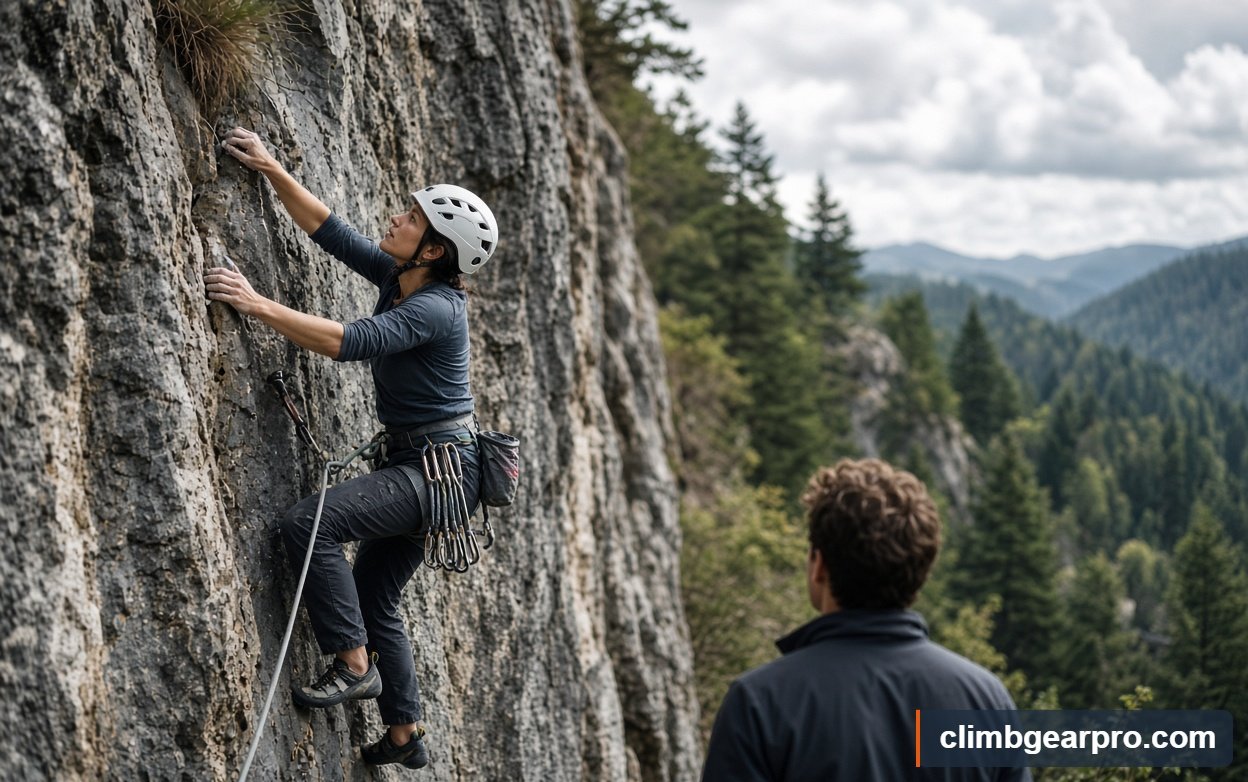
How to Read a Climbing Route: Master Essential Techniques Fast
Rock climbing is more than just strength and courage. A big part of success comes before you even touch the wall or rock. This skill is called route reading—the art of understanding a climbing route before you climb it. If you want to climb better, safer, and with more confidence, learning how to read a climbing route is essential.
Many climbers, especially beginners, focus on pulling hard or memorizing moves. But experienced climbers know that careful observation and planning can save energy, prevent mistakes, and even help you climb routes you thought were impossible. In competitions, climbers spend valuable minutes studying the wall, looking for clues and creating a plan.
In outdoor climbing, route reading can make the difference between a smooth ascent and a scary fall.
This guide will show you how to read a climbing route, step by step. You’ll learn what to look for, how to plan your moves, and what common mistakes to avoid. Whether you climb in a gym or on real rock, these tips will help you climb smarter—not just harder.
Key Takeaways
- What Is Route Reading?
- Why Route Reading Matters
- Key Elements To Observe When Reading A Route
- Step-by-step Guide To Reading A Climbing Route
- Common Route Reading Mistakes (and How To Avoid Them)
- Practical Examples: Indoor Vs Outdoor Route Reading
On this page
- What Is Route Reading?
- Why Route Reading Matters
- Key Elements To Observe When Reading A Route
- Step-by-step Guide To Reading A Climbing Route
- Common Route Reading Mistakes (and How To Avoid Them)
- Practical Examples: Indoor Vs Outdoor Route Reading
- Advanced Route Reading Tips
- How To Practice And Improve Route Reading
- Frequently Asked Questions
Recommended Products for Climbing Gear Essentials




What Is Route Reading?
Route reading is the process of studying a climbing route before you climb. It means looking at the holds, the angles, and the possible moves from the ground or a distance. The goal is to create a mental plan for how to climb the route, where to rest, and how to handle difficult spots.
Route reading is important for all types of climbing, including:
- Sport climbing: You need to plan how to clip the rope, where to rest, and how to save energy.
- Bouldering: You have only a few moves, so every detail matters. Spotting the best sequence can turn a hard problem into an easy one.
- Trad climbing: Route reading helps you find the best gear placements and avoid dangerous sections.
Even in indoor climbing gyms, reading the route before you start will help you avoid surprises and climb with more confidence.
Why Route Reading Matters
Many beginners ignore route reading, thinking they will figure it out as they climb. But this often leads to wasted energy, awkward moves, and falls. Here’s why route reading is so valuable:
- Saves energy: Climbing is tiring. If you know the sequence, you avoid unnecessary moves and rest in the best spots.
- Reduces risk: Planning helps you avoid dangerous mistakes, like missing holds or clipping from bad positions.
- Builds confidence: When you have a plan, you climb more smoothly and with less hesitation.
- Improves performance: In competitions, good route reading can be the difference between winning and losing.
Here’s a quick comparison of outcomes with and without route reading:
| Aspect | With Route Reading | Without Route Reading |
|---|---|---|
| Energy Use | Efficient, less wasted effort | High, often pumped quickly |
| Confidence | High, smoother climbing | Low, more hesitation |
| Success Rate | Higher sends, fewer falls | More falls, lower grades climbed |
Key Elements To Observe When Reading A Route
Route reading is more than just looking at the holds. You need to pay attention to several details:
1. Hold Types
Are the holds big or small? Are they crimps, slopers, jugs, or pinches? Each hold requires different grip strength and body position. Spotting hold types helps you plan how to use your hands and feet.
2. Hold Orientation
Holds are not always facing the same way. Some face up, down, left, or right. The direction tells you how to grab them and where your body should be.
3. Sequence Of Moves
Try to imagine the order of moves from the ground to the top. Think about which hand goes where, and which foot steps on which hold. Some routes have a clear sequence, while others allow for different options.
4. Body Position
Look for spots where you need to turn your hips, twist your body, or reach far. Some moves might need you to drop-knee, flag, or heel hook.
5. Resting Spots
Find places where you can shake out your arms and recover. Good rests let you climb harder sections afterward.
6. Clip Positions (for Roped Climbing)
Plan where you will clip the rope. Make sure you can reach the quickdraws from a stable position.
7. Crux Sections
Identify the hardest part of the climb, called the crux. Think about how you will approach and pass this section.
8. Potential Hazards
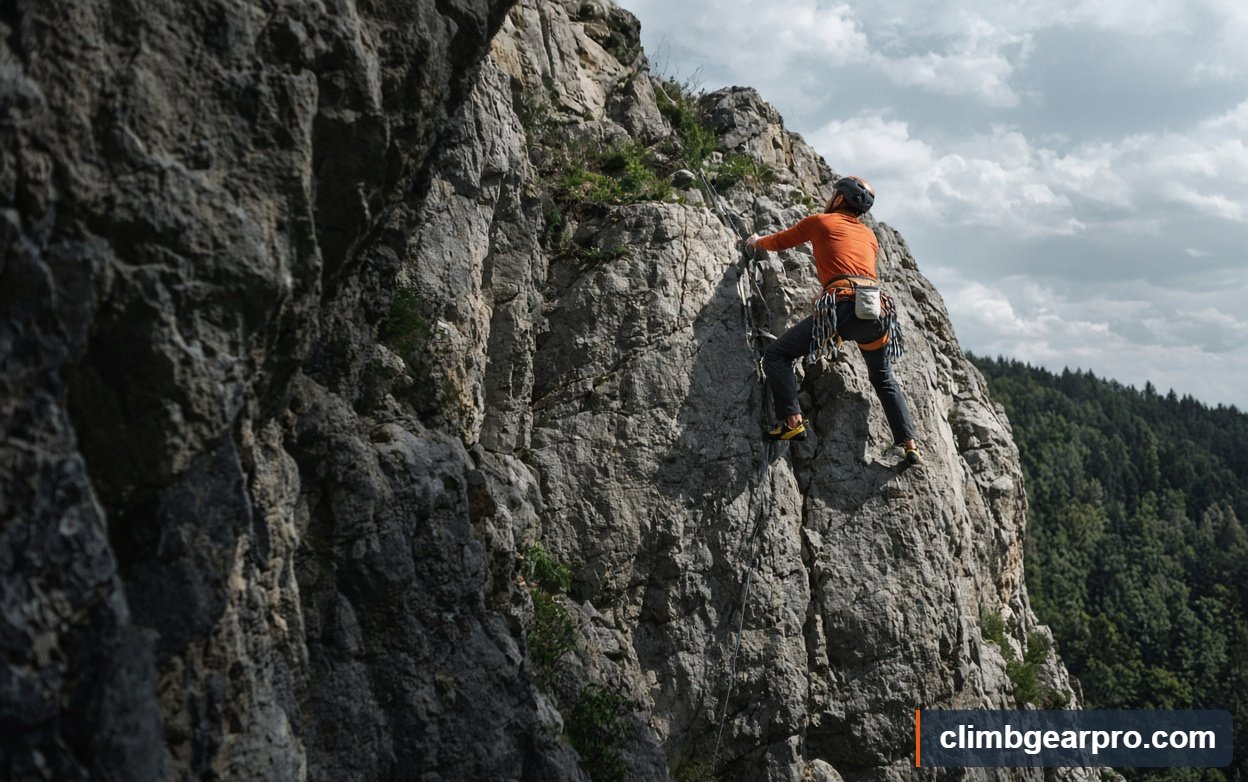
Watch for loose holds, sharp edges, or tricky feet. On real rock, look for wet or dirty sections.
Here’s a practical example: Imagine you see a route with big jugs at the bottom, small crimps in the middle, and a sloper at the top. You can plan to climb quickly through the lower section, save energy for the crimps, and be ready for a careful top-out on the sloper.
Step-by-step Guide To Reading A Climbing Route
Reading a route is like solving a puzzle. Here’s how to do it, step by step.
Step 1: Stand Back And Scan The Route
First, take a few steps back from the wall. Look at the whole route from bottom to top. Try to see the general line—does it go straight up, or does it traverse to the side? Is it overhanging or vertical?
Pro tip: In competitions, climbers sometimes use binoculars to see small holds. In the gym, standing back can reveal hidden holds or tricky sections.
Step 2: Break The Route Into Sections
Divide the route into smaller parts. For example:
- Start
- Middle
- Crux (hardest move)
- Top out
This makes it easier to plan each section, instead of trying to memorize the whole route at once.
Step 3: Identify Holds And Foot Placements
Look carefully at each hold. Are there good feet under the hands? Do you need to use a toe hook, heel hook, or flag? Sometimes, the best foothold is hidden behind a volume or around a corner.
Step 4: Visualize The Sequence
Imagine yourself climbing the route. Mentally “move” your hands and feet from hold to hold. Ask yourself:
- Which hand goes first?
- Is there a cross-over move?
- Do you need to switch feet?
Some climbers use their fingers in the air to “mime” the moves. This helps your brain remember the sequence.
Step 5: Plan Resting And Clipping
Mark in your mind where you will rest and where you will clip the rope. Try to avoid clipping from a bad position or when you are too tired.
Step 6: Spot The Crux
Find the hardest move. Plan exactly how you will approach it. Sometimes, the crux is not obvious from the ground—look for sections with smaller or fewer holds.
Step 7: Create A Backup Plan
Routes do not always go as planned. Prepare a “Plan B” for tricky sections. If a hold feels worse than expected, where else can you go?
Step 8: Commit To The Plan, But Stay Flexible
When you start climbing, stick to your plan—but be ready to adapt if you find a hidden hold or if the sequence feels different on the wall.
Here’s a summary of these steps:
| Step | Action | Why It Matters |
|---|---|---|
| 1 | Scan the whole route | See the big picture, spot hard sections |
| 2 | Divide into sections | Simplifies memorization and planning |
| 3 | Check holds/feet | Ensures you know where to step and grab |
| 4 | Visualize moves | Builds muscle memory and confidence |
| 5 | Plan rests/clips | Helps manage energy and safety |
| 6 | Spot the crux | Prepares you for the hardest part |
| 7 | Create backup plan | Reduces risk if things go wrong |
| 8 | Stay flexible | Adapts to surprises on the route |
Common Route Reading Mistakes (and How To Avoid Them)
Even experienced climbers make mistakes when reading routes. Here are some of the most common errors—and how to avoid them.
1. Focusing Only On Hands
Many climbers only look for handholds and forget about feet. Good footwork is often the key to hard moves. Always check for footholds, smears, or toe hooks.
2. Ignoring Hold Orientation
If you don’t notice which way a hold faces, you might grab it incorrectly and waste energy. Pay attention to the angle of each hold.
3. Underestimating The Crux
Some climbers think the whole route is easy, then get stuck at a hard move. Always look for “bottlenecks”—sections with smaller holds or longer reaches.
4. Overcomplicating The Plan
Trying to memorize every detail can be stressful. Focus on the crux and key moves; the rest will come naturally.
5. Forgetting Resting Spots
If you climb too fast, you might skip good rests and get pumped. Mark possible rests during your route read.
6. Not Adapting On The Wall
A plan is helpful, but sometimes the holds feel different than they look. Be ready to change your sequence if needed.
7. Relying On Others’ Beta Without Checking
Beta means advice or information about the route. Don’t just copy another climber’s moves—what works for them may not work for you due to height or reach.
8. Not Practicing Route Reading
Like any skill, route reading improves with practice. Make it a habit every time you climb, even on easy routes.
Practical Examples: Indoor Vs Outdoor Route Reading
Route reading feels a bit different indoors and outdoors. Here’s how:
Indoor Climbing Gyms
- Holds are colored and obvious. You usually know which holds you can use.
- Walls are clean and even. Less risk of dirt or loose holds.
- Setters create specific sequences. Sometimes, the “intended” move is tricky to spot.
- Volume holds add complexity. Look for hidden feet or hand matches on large features.
Outdoor Climbing
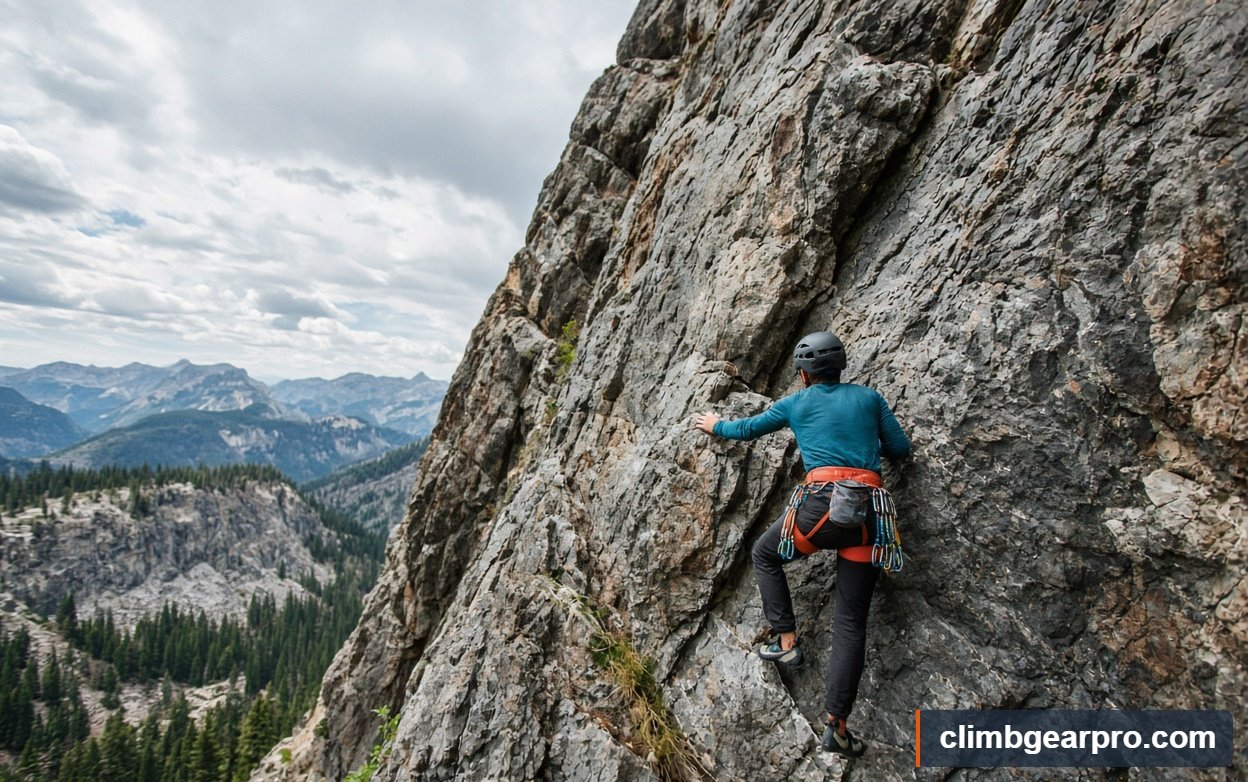
- Holds are natural and can be hidden. You may need to search for edges or cracks.
- Rock texture matters. Sometimes, friction or smearing is more important than big holds.
- Protection can be tricky. On trad routes, plan where you will place gear.
- Environmental factors. Wet or dirty rock, sun, or wind can change your plan.
Here’s a quick comparison:
| Indoor Climbing | Outdoor Climbing |
|---|---|
| Colored holds, set sequences | Natural holds, varied sequences |
| Clear path, less risk | Hidden holds, more hazards |
| Predictable rests | Unpredictable rests |
| Beta often available | More self-reliance needed |
Non-obvious insight: In gyms, setters sometimes “force” a particular move, so if a sequence feels awkward, look for subtle feet or hand switches. Outdoors, always scan for alternate holds, as natural rock often offers options that are not visible from the ground.
Advanced Route Reading Tips
Once you master the basics, you can add advanced techniques to your route reading.
Learn From Others
Watch experienced climbers read and climb the route. Notice how they move, rest, and adapt. Ask questions if you’re unsure.
Use Technology
Take photos of the route and review them. In competitions, some climbers use video to remember sequences. Just be sure to respect gym or crag rules about photography.
Practice “on-sight” Reading
Try to climb new routes without watching others first. This builds your observation skills and confidence under pressure.
Mental Rehearsal
Close your eyes and visualize the entire climb, move by move. Imagine each grip, step, and rest. This mental training improves muscle memory and reduces anxiety.
Anticipate Pump
On long routes, plan where you might get tired (“pumped”). Budget your energy and don’t rush through rests.
Adapt For Your Height And Reach
If you’re shorter or taller than average, adjust the sequence for your body. Sometimes, a move that looks impossible can be made easier with a different foot or a high step.
Second non-obvious insight: On outdoor routes, lighting and shadows can hide holds. Try changing your angle or waiting for different sun positions to see holds more clearly.
How To Practice And Improve Route Reading
Route reading is a skill you can train, just like strength or technique.
- Warm up with easy routes. Practice reading every route, even if it’s simple.
- Climb with friends. Compare route-reading ideas and see who finds the best sequence.
- Set personal challenges. Try to “flash” (climb first try) new routes using your route reading.
- Keep a climbing journal. Write down what worked, what didn’t, and what you learned.
- Take time for mental rehearsal. Visualize the route before you climb.
- Ask for feedback. Coaches or experienced climbers can point out things you missed.
- Try different walls and rock types. The more variety you see, the better you get.
With time, you’ll make fewer mistakes, climb harder grades, and enjoy the process more.
Frequently Asked Questions
What Is The Difference Between Route Reading And Beta?
Route reading is your own process of studying and planning the route before you climb. Beta is advice or information about how to climb a route, often shared by others. Beta can be useful, but it’s important to practice your own route reading to become independent and adaptable.
How Long Should I Spend Reading A Route?
There’s no strict rule, but most climbers spend 2–5 minutes reading a gym route and 5–15 minutes for outdoor or competition routes. Take enough time to feel confident, but don’t overthink or stress yourself out.
Is Route Reading Important For Bouldering?
Absolutely. In bouldering, you have fewer moves and fewer chances. Good route reading lets you spot the best sequence, avoid mistakes, and send problems faster. Many strong climbers fail on boulders because they miss a key foot or don’t see the intended sequence.
Can You Improve Your Climbing Grade Just By Route Reading Better?
Yes! Many climbers find that better route reading allows them to climb harder grades without getting physically stronger. You save energy, rest better, and avoid mistakes. It’s one of the quickest ways to improve your climbing.
Where Can I Learn More About Climbing Techniques?
There are excellent books, videos, and online resources. For a deep dive into climbing skills, check out Rock and Ice Magazine, which offers expert articles and tips for all levels.
Reading a climbing route is a skill that grows with practice. The best climbers are not just strong—they’re good observers and planners. Next time you stand below a wall, take a few minutes to read the route. You’ll climb with more confidence, make fewer mistakes, and enjoy the journey to the top.
4 Comments