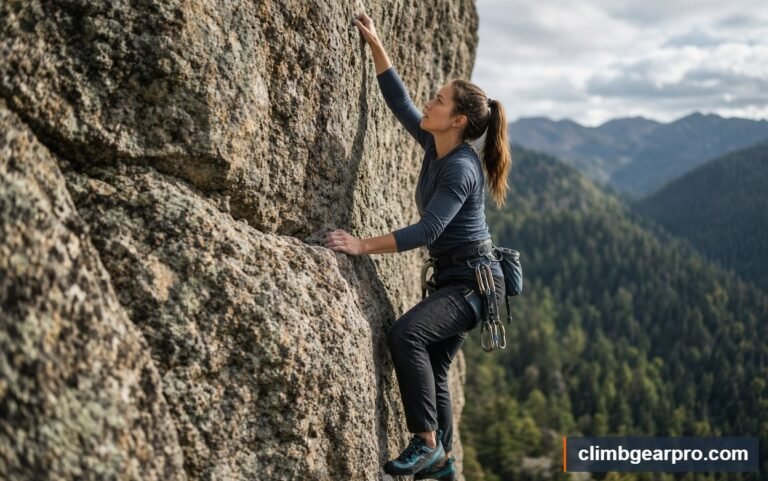
How Often Should You Climb Per Week? The Sweet Spot
Two or three sessions a week is the sweet spot for most climbers. If you climb five days a week as a beginner, you’ll likely get sore fingers and stalled progress, not stronger arms.
Here’s the problem: climbing feels easy to overdo. A two-hour session at the gym doesn’t feel like running 10 miles.
The gear matters less than the schedule. A harness, shoes, and a belay device work the same whether you climb twice a week or five times. What changes is how much load your fingers and shoulders can absorb before they break down.
This guide covers how often to climb, how to tell if you’re doing too much, and when to see a professional instead of pushing through pain.
Key Takeaways
- What Climbing Frequency Really Means for Your Body: There’s no single number that fits everyone. Your age, how long you’ve climbed, and what you’re training for all shift the answer.
- Picking Your Frequency: Options and Trade-offs: There’s no single number that fits everyone. Your age, how long you’ve climbed, and what you’re training for all shift the answer.
- A 60-Second Check Before You Add a Session: Before you climb more, test how well you’re recovering. This check takes under a minute and tells you whether your body is ready for another day.
- Bouldering vs. Route Climbing: Two Different Loads: No schedule fixes bad technique or weak recovery habits. Climbing three days a week with sloppy footwork just means three days of the same mistakes.
- What Frequency Advice Can’t Do: No schedule fixes bad technique or weak recovery habits. Climbing three days a week with sloppy footwork just means three days of the same mistakes.
- When to Back Off and When to See a Pro: Climbing gear like ropes, harnesses, and carabiners has clear retirement rules.
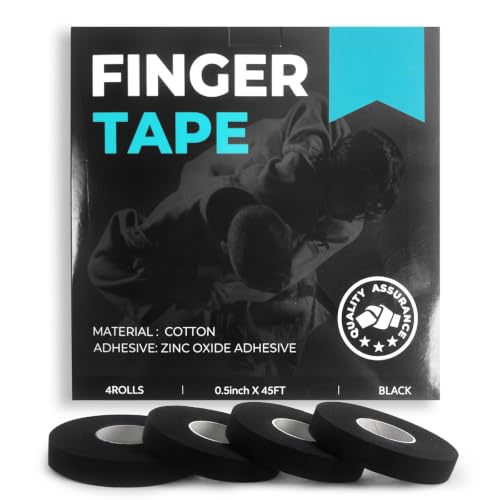
Recommended Products for Climbing Training






What Climbing Frequency Really Means for Your Body
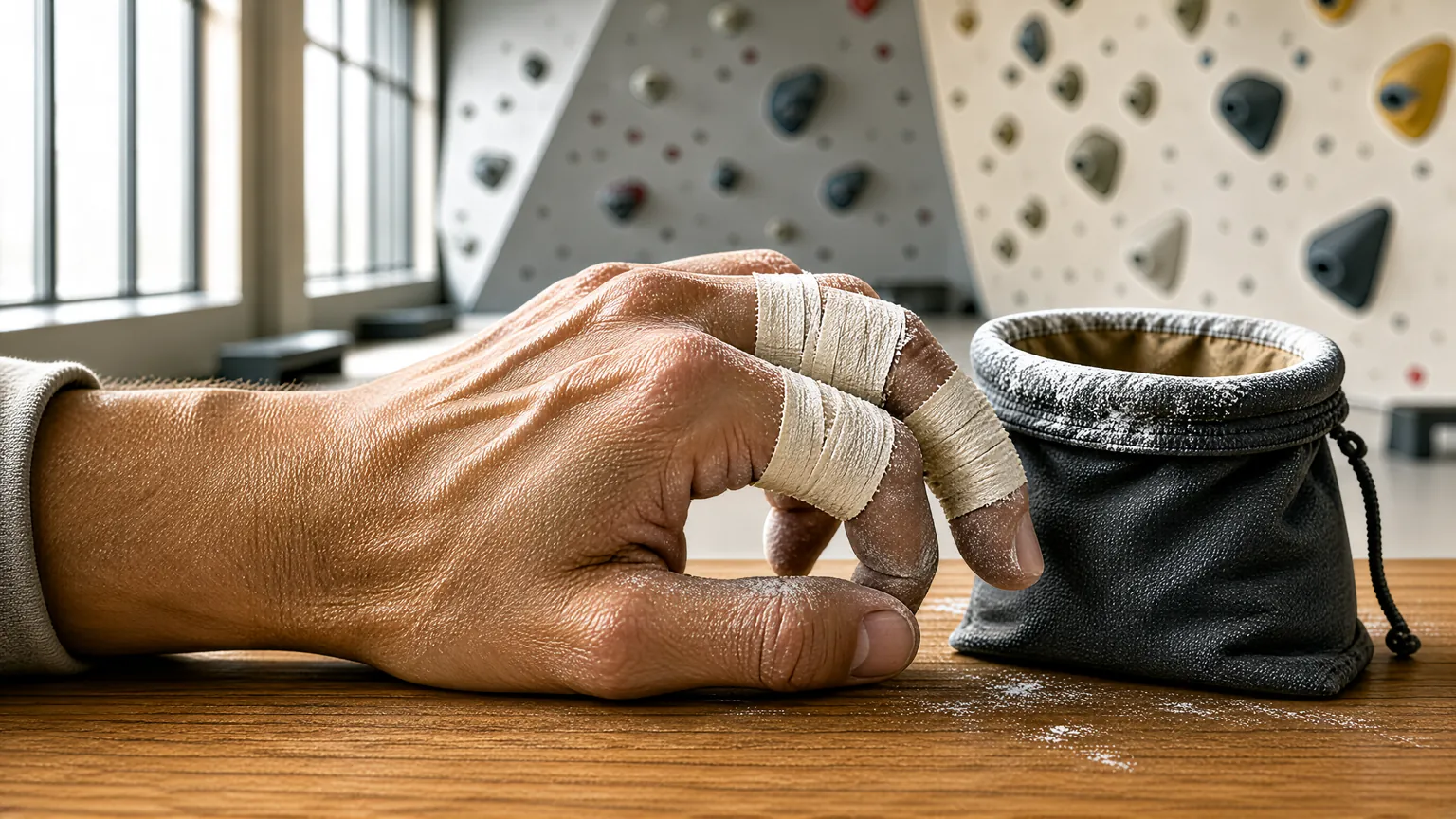
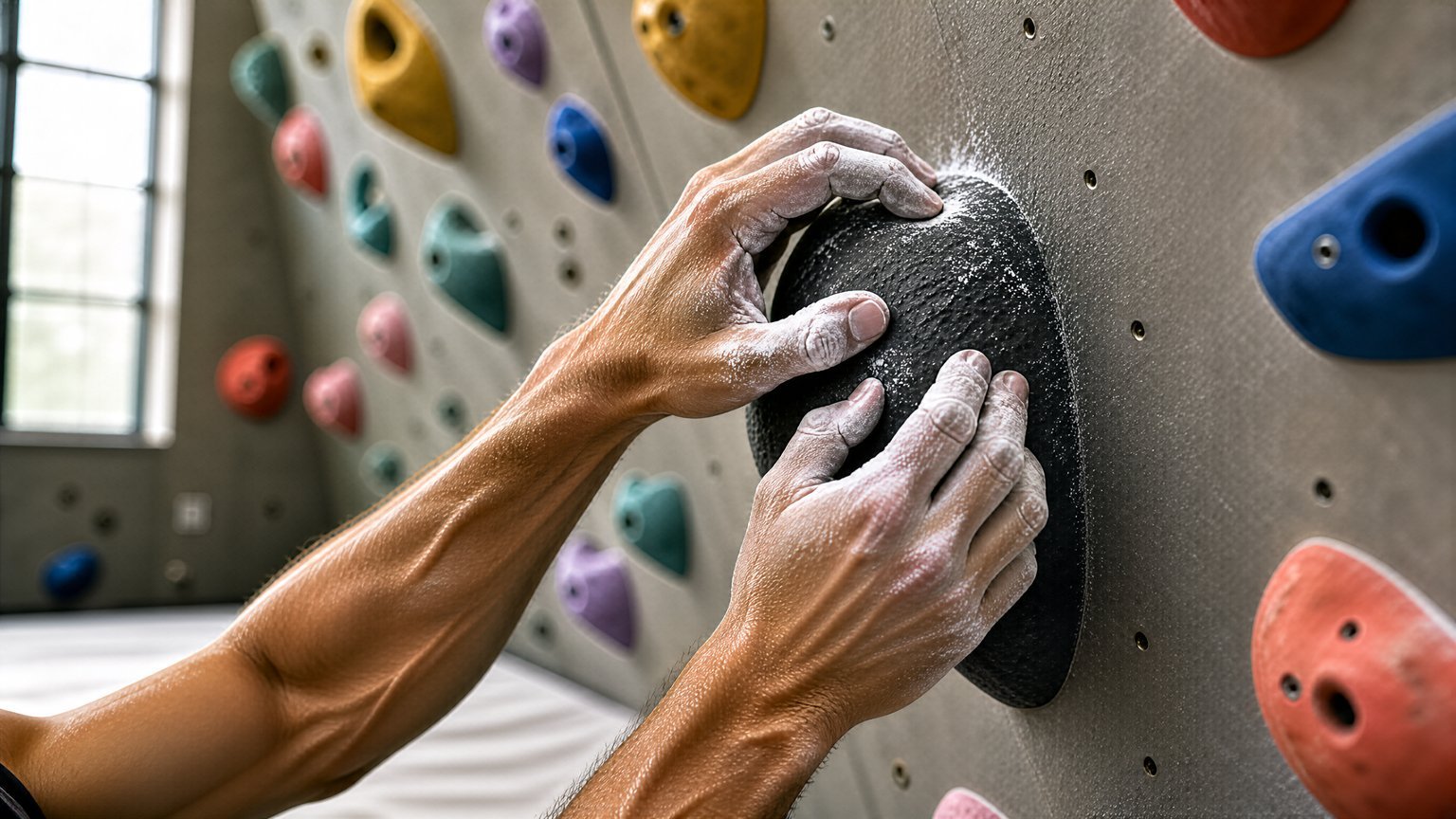
Climbing loads your fingers, forearms, shoulders, and core all at once. The limiting factor for most people isn’t muscle — it’s the tendons and pulleys in your fingers. Tendons get blood flow slowly, so they adapt slower than muscle does.
That’s why a beginner can do 20 pull-ups but still hurt a finger on a crimpy hold. The muscle is ready. The tendon isn’t.
The American College of Sports Medicine recommends 2–3 sessions per week of resistance training for general strength gains, with at least one rest day between sessions. Climbing is resistance training with a puzzle attached. The same recovery window applies.
A few terms help here:
- Session: one climbing trip, usually 1–3 hours.
- Rest day: a full day with no climbing and no hard finger training.
- Load: how hard the moves are, not how long you climb. Two hours of easy laps is lighter than 30 minutes of max-effort bouldering.
If you’re new, 2 sessions a week is plenty. If you’ve climbed for a year or more, 3–4 is realistic. Pros climb more, but they also sleep, eat, and train around it full-time.
Picking Your Frequency: Options and Trade-offs
There’s no single number that fits everyone. Your age, how long you’ve climbed, and what you’re training for all shift the answer.
Twice a week suits beginners and anyone over 35 returning to the sport. It gives tendons 48–72 hours to recover, which is roughly what they need. Progress feels slow, but it sticks.
Three times a week is the common middle ground. You can climb hard twice and go easy once. This is where most recreational climbers land after 6–12 months.
Four or more times a week only works if you vary the intensity. Two hard sessions, two easy ones. If every session is hard, you’re borrowing against your tendons, and the bill comes due.
Cheaper gear won’t fix a bad schedule, and expensive gear won’t either. An inexpensive pair of shoes and a costly pair climb the same routes. Spend the money on rest days instead — they’re free.
If your fingers feel tweaky after a session, drop to two days a week for a month. If they feel fine the next morning, you can add a third.
A 60-Second Check Before You Add a Session
Before you climb more, test how well you’re recovering. This check takes under a minute and tells you whether your body is ready for another day.
- Press the pad of each finger against your thumb, one at a time, with firm pressure.
- Hold for 3 seconds. Note any sharp pain, not just stiffness.
- Make a fist and open your hand fully, 5 times.
- Roll each shoulder in a slow circle. Listen for clicking that comes with pain.
- Press along the inside of your elbow. Tenderness there’s a warning sign.
If any step gives sharp pain, keep your frequency where it’s for another week. Dull soreness is normal. Sharp pain is not.
The distinction matters more than it sounds. Dull soreness sits in the belly of the muscle and fades as you warm up. Sharp pain is pinpoint, and it tends to arrive at the same spot at the same point in every session.
One more thing to watch: pain that shows up the morning after, before you have climbed at all. That isn’t a warm-up problem. That’s a recovery problem, and adding a session will deepen it.
If the check is clean but your grip feels weak on the first hold of the day, add the session. If the check is clean and your grip feels normal, add it. If any step hurts, wait a week and run the check again.
Bouldering vs. Route Climbing: Two Different Loads
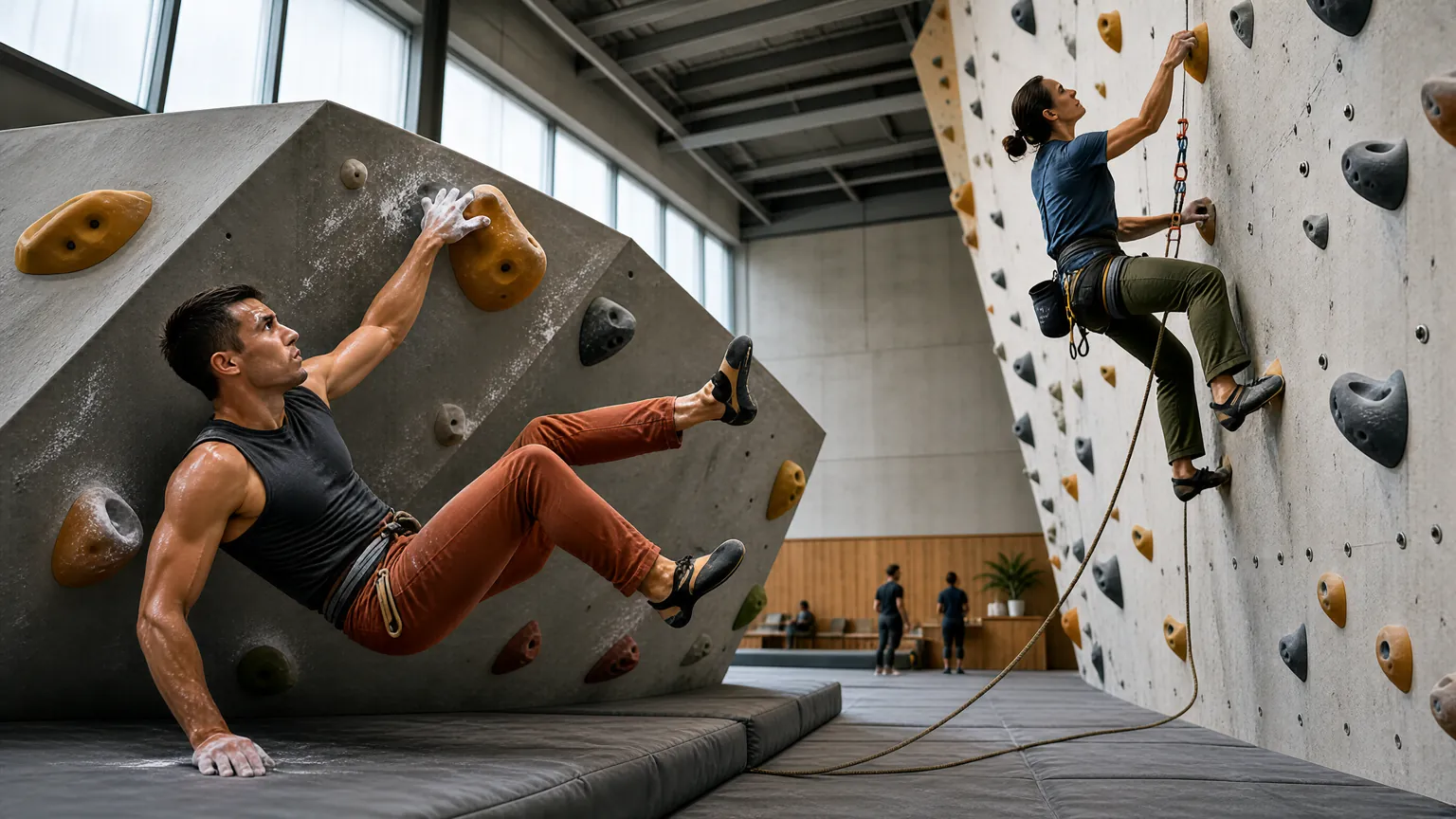
People often treat bouldering and route climbing as the same workout. They’re not. Bouldering packs hard moves into short bursts. Route climbing spreads easier moves over a long time.
| Factor | Bouldering | Route Climbing |
|---|---|---|
| Session length | 1–2 hours | 2–4 hours |
| Moves per session | 20–50 hard moves | 100+ easier moves |
| Finger load | Very high, short bursts | Moderate, sustained |
| Recovery needed | 48–72 hours | 24–48 hours |
| Sessions per week (beginner) | 2 | 2–3 |
| Sessions per week (experienced) | 3 | 3–4 |
If you boulder hard, count each session as a full training day. If you climb easy routes, you can often climb back-to-back days without trouble.
Choose bouldering if you want power and short sessions. Choose routes if you want endurance and longer days out. Many climbers do both, but not on back-to-back days when they’re new.
What Frequency Advice Can’t Do
No schedule fixes bad technique or weak recovery habits. Climbing three days a week with sloppy footwork just means three days of the same mistakes.
Marketing pushes “climb more to get better” because it sells memberships and gear. The truth is messier. Some people improve fast on two days a week. Others stall at four because they never rest.
The evidence on exact climbing frequency is thin. Most studies look at injury rates, not optimal session counts. A 2015 review in Current Sports Medicine Reports found that most climbing injuries come from overuse, especially in the fingers and shoulders — but it doesn’t name a magic number of days.
What varies for you is recovery speed, and that depends on age, sleep, diet, and how long you’ve climbed. You can find your exact figure on one thing: how your fingers feel the morning after a session. That’s your real limit, not a chart.
When to Back Off and When to See a Pro
Climbing gear like ropes, harnesses, and carabiners has clear retirement rules. Your body does too, but the signs are easier to miss.
Watch for these red flags:
- Finger pain that lasts more than a week
- A “pop” sound in a finger followed by swelling
- Elbow pain that shows up during normal daily tasks
- Shoulder pain that wakes you at night
- Numbness or tingling in your hands
If you see any of these, stop climbing and see a doctor or a physical therapist who works with climbers. Don’t tape it and push on.
Ropes and slings have manufacturer-set lifespans, often around 10 years for nylon even with light use, but always check the maker’s own guidance for your specific product. Harnesses and slings usually retire after 5–10 years or after any major fall or visible damage.
For anything beyond a minor tweak, a certified climbing instructor or a sports medicine doctor beats any blog. Finger pulley injuries don’t heal with rest alone if they’re serious.
How to Build and Care for Your Climbing Routine
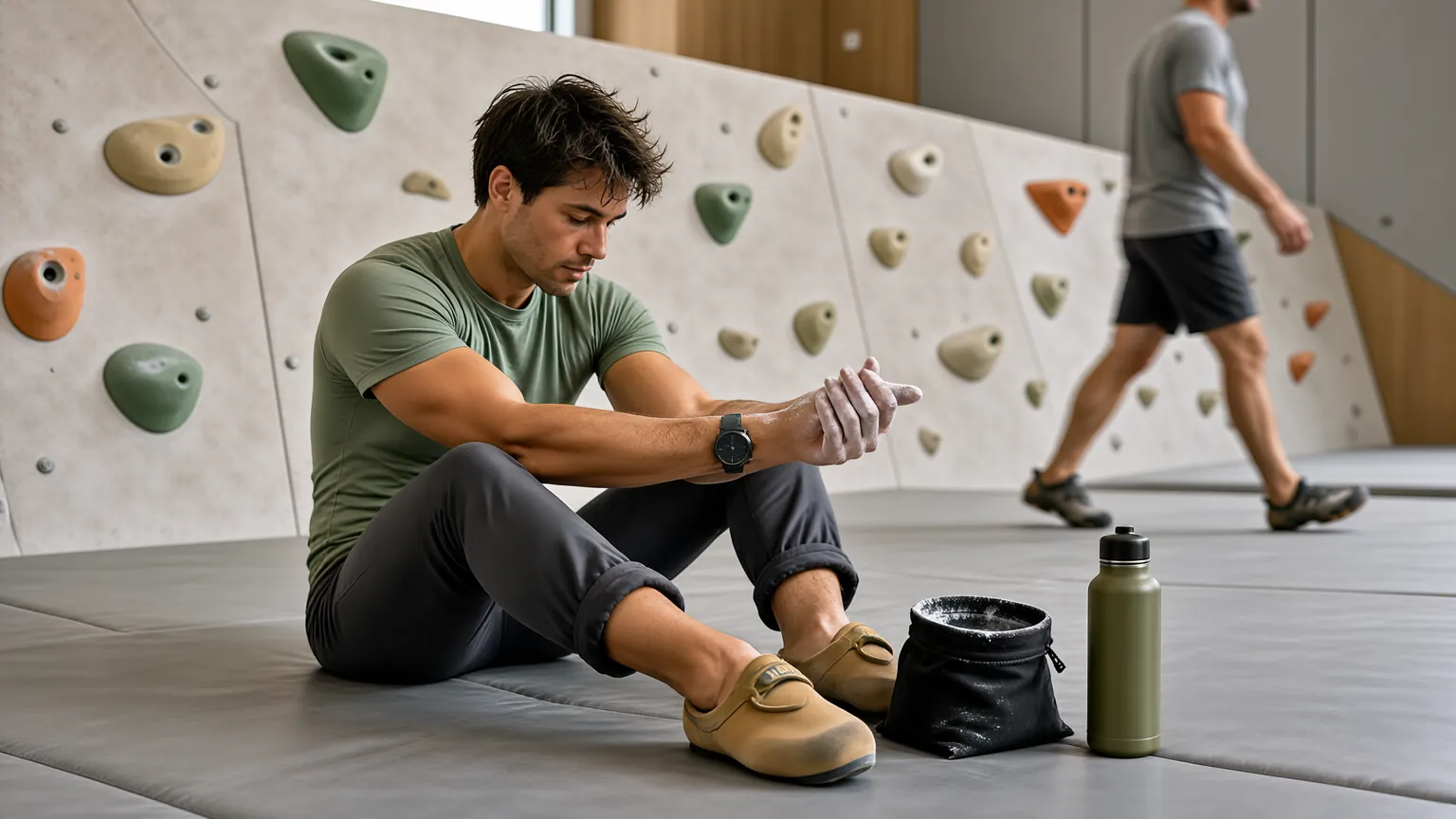
A good routine has three parts: warm-up, main session, and cooldown. Skip any of them and you raise your injury risk.
Warm up for 10–15 minutes with easy climbing and light stretching. Do 5–10 minutes of easy routes before anything hard. Your fingers need blood flow before they take load.
During the session, rest 2–3 minutes between hard attempts. That’s not laziness — it’s how tendons recover between efforts.
After climbing, stretch your forearms and fingers gently for 5 minutes. Drink water. Eat protein within an hour or two.
Store your gear dry and out of direct sun. UV light weakens nylon over time. Keep ropes away from chemicals and sharp edges.
Check your gear before every session. Run your hands along the rope for soft spots. Look at your harness stitching for fraying. Replace anything that looks worn, no matter how new it is.
Related guides
- How Long Do Climbing Ropes Last? When to Retire Yours
- How to Wash a Climbing Rope Safely to Extend Its Lifespan
- Dynamic vs Static Rope: How to Choose the Right Climbing Line
FAQ
How many days a week should a beginner climb?
Two days a week is right for most beginners. It gives your tendons time to adapt without overloading them. Add a third day only after a few months of pain-free climbing.
Can I climb two days in a row?
Yes, if both sessions are easy. Back-to-back hard days raise your injury risk. If you climb two days in a row, make one of them light.
Is climbing 5 days a week too much?
For most people, yes. Pros can handle it because they train full-time and manage recovery carefully. If you work or study, 3–4 days is a more realistic ceiling.
How long should a climbing session last?
1–2 hours for bouldering, 2–4 hours for routes. Longer sessions aren’t better if your form falls apart. Stop when your fingers feel tired, not when the clock says so.
Do rest days make me weaker?
No. Rest days are when your body actually gets stronger. Tendons repair during rest, not during climbing.
Should I climb if my fingers are sore?
Dull soreness is fine. Sharp pain means stop. If the pain lasts more than a week, see a doctor.
How do I know if I’m overtraining?
Signs include constant fatigue, poor sleep, nagging finger pain, and losing motivation. If you feel several of these, cut back to two days a week for a month.
Does age change how often I should climb?
Yes. Recovery slows with age, so climbers over 40 often do better on 2–3 days a week with more rest between hard sessions.
Can I train fingers and climb in the same week?
Yes, but not on the same day at first. Give finger training its own day and count it as a hard session.
What’s the fastest way to get better at climbing?
Climb 2–3 days a week, rest properly, and focus on technique. More sessions don’t help if your recovery and form are poor.
The Bottom Line
Two to three sessions a week is the answer for most climbers. Beginners should start at two. Experienced climbers can push to three or four if they vary the intensity and rest well.
The most important takeaway: your fingers, not your muscles, set the limit. Sharp pain means stop. Dull soreness means rest and return. No schedule beats listening to your own body, and no gear replaces a proper rest day.
If you have been climbing under a year, treat two sessions as your ceiling, not your starting point. Add a third only after a full month at two with no finger aches between sessions.
Tendons adapt far more slowly than muscle, so the pull to add a session usually arrives before your hands are ready for it. The climbers who get hurt are rarely the ones training too little.
Miss a week and drop back one session rather than resuming where you left off. Give it two weeks before you climb at your old volume again.