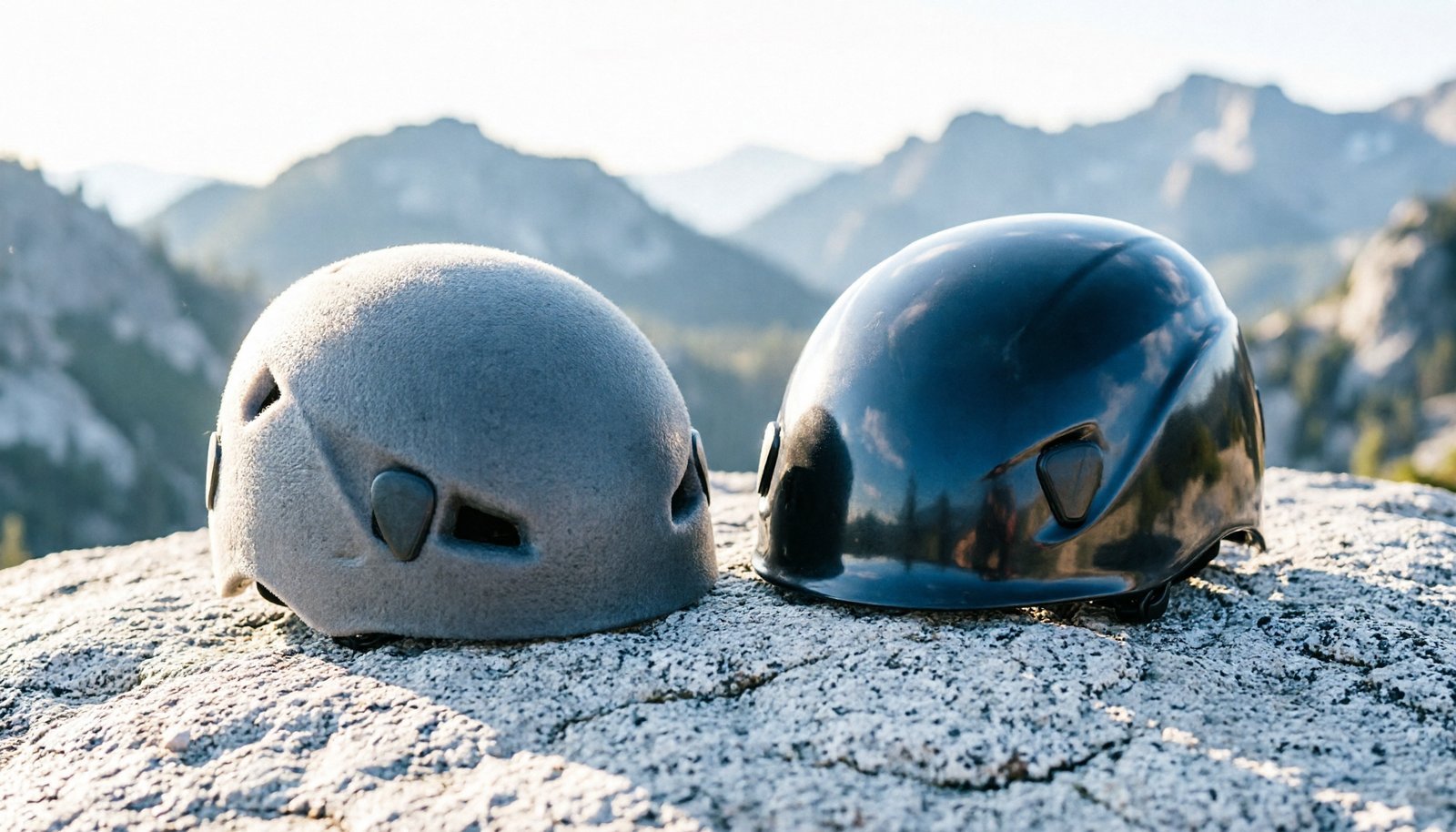
Foam vs Hardshell Climbing Helmets: Which One Is Safer
Choosing between foam vs hardshell climbing helmets depends on whether you prioritize impact energy absorption or long-term durability in rugged conditions. Foam models are designed to crush once to protect your brain, while hardshell versions use a hard plastic exterior to deflect falling debris and resist frequent abuse. Most climbers find that the right choice depends on their specific environment and how often they carry their gear on the outside of a pack.
Key Takeaways
- How foam and hardshell helmets protect you
- Choosing the right shell for your activity
- A quick test for proper fit
- The honest limits of helmet design
- When to retire your gear
- Care and maintenance steps
On this page
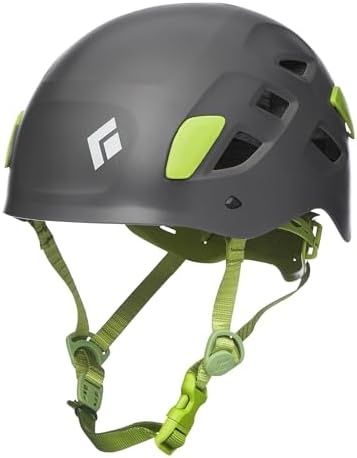
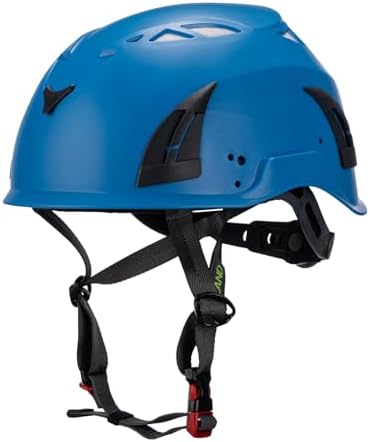
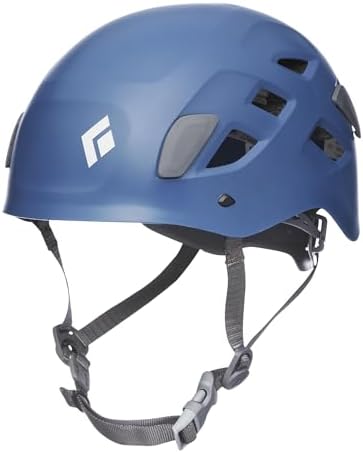
Recommended Products for Climbing Helmets



How foam and hardshell helmets protect you
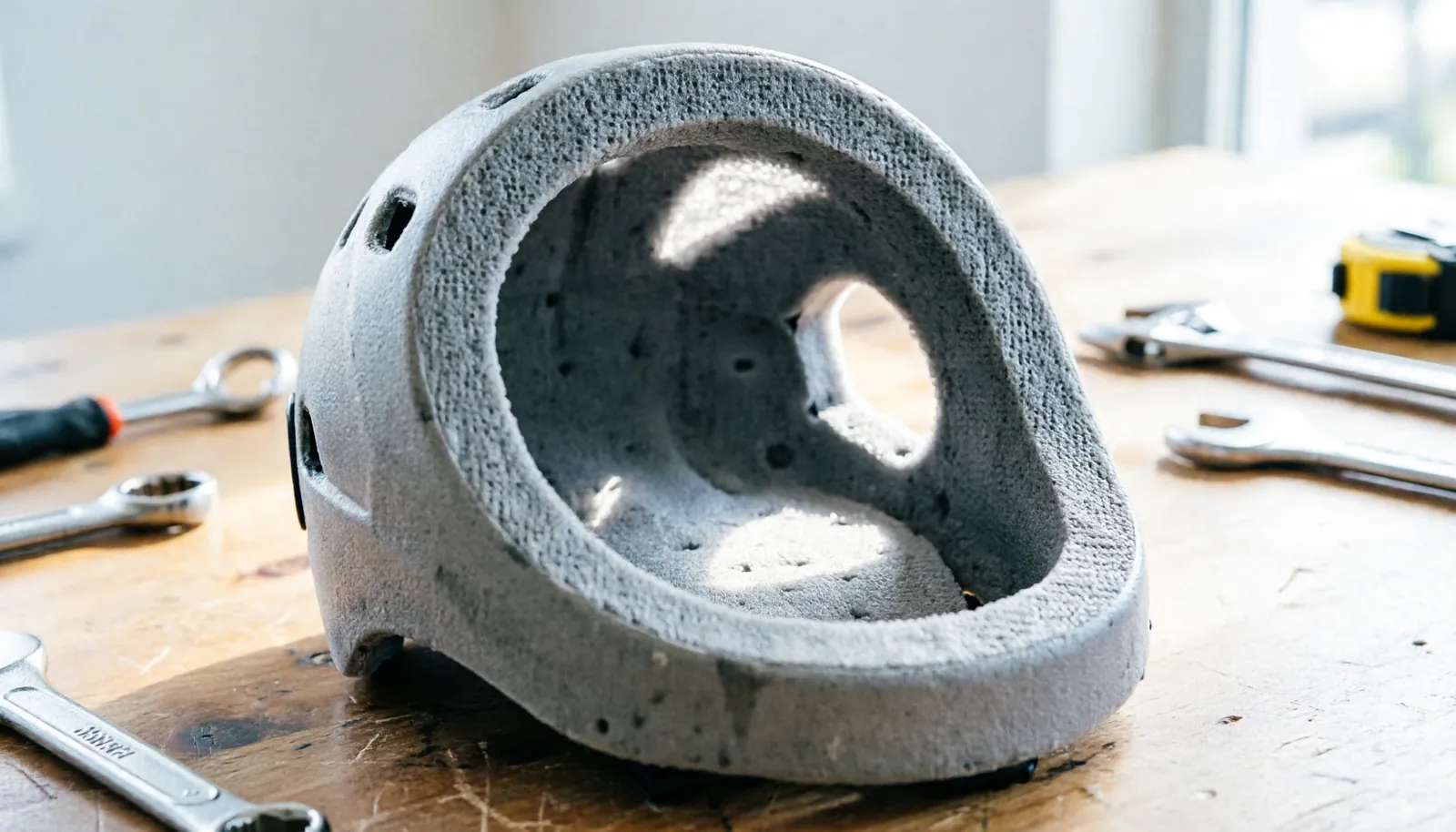
The primary job of any climbing helmet is to manage energy during an impact. Foam helmets, often called EPP or EPS helmets, use expanded polypropylene or polystyrene to absorb force by permanently deforming. This process stops the energy from reaching your skull. Because the foam compresses, these helmets are usually lighter and offer better ventilation for long, hot days on the wall.
Hardshell helmets, also known as hybrid or ABS shells, feature a thick plastic outer layer. This shell is meant to stop sharp objects from penetrating the helmet and to withstand the bumps that happen when gear is tossed into a car or scraped against rocks. They’re generally heavier but last much longer if you tend to be rough with your equipment.
All climbing helmets sold in major markets must meet the UIAA 106 safety standard for mountaineering and climbing. This ensures that every helmet, regardless of construction, provides a baseline level of protection against top-impact debris. If you’re climbing in areas with high rockfall potential, look for a helmet that specifically lists added side-impact testing in its manual.
Choosing the right shell for your activity
You should choose a helmet based on your specific climbing style and environment. Foam models are ideal for sport climbers prioritizing weight and comfort, while hardshells offer superior durability for guides, trad climbers, or those frequently exposed to falling rock.
| Type | Best For | Weight | Durability |
|---|---|---|---|
| Foam | Sport/High-end | Light | Low |
| Hardshell | Trad/Guide | Heavy | High |
| Hybrid | All-round | Medium | Medium |
If your budget is tight, a hardshell model often saves you money over time. While foam helmets are cheaper to buy initially, they’re much easier to damage during transport. Replacing a dented foam helmet after a year of heavy use can cost more than simply buying one durable hardshell that lasts for several seasons.
A quick test for proper fit
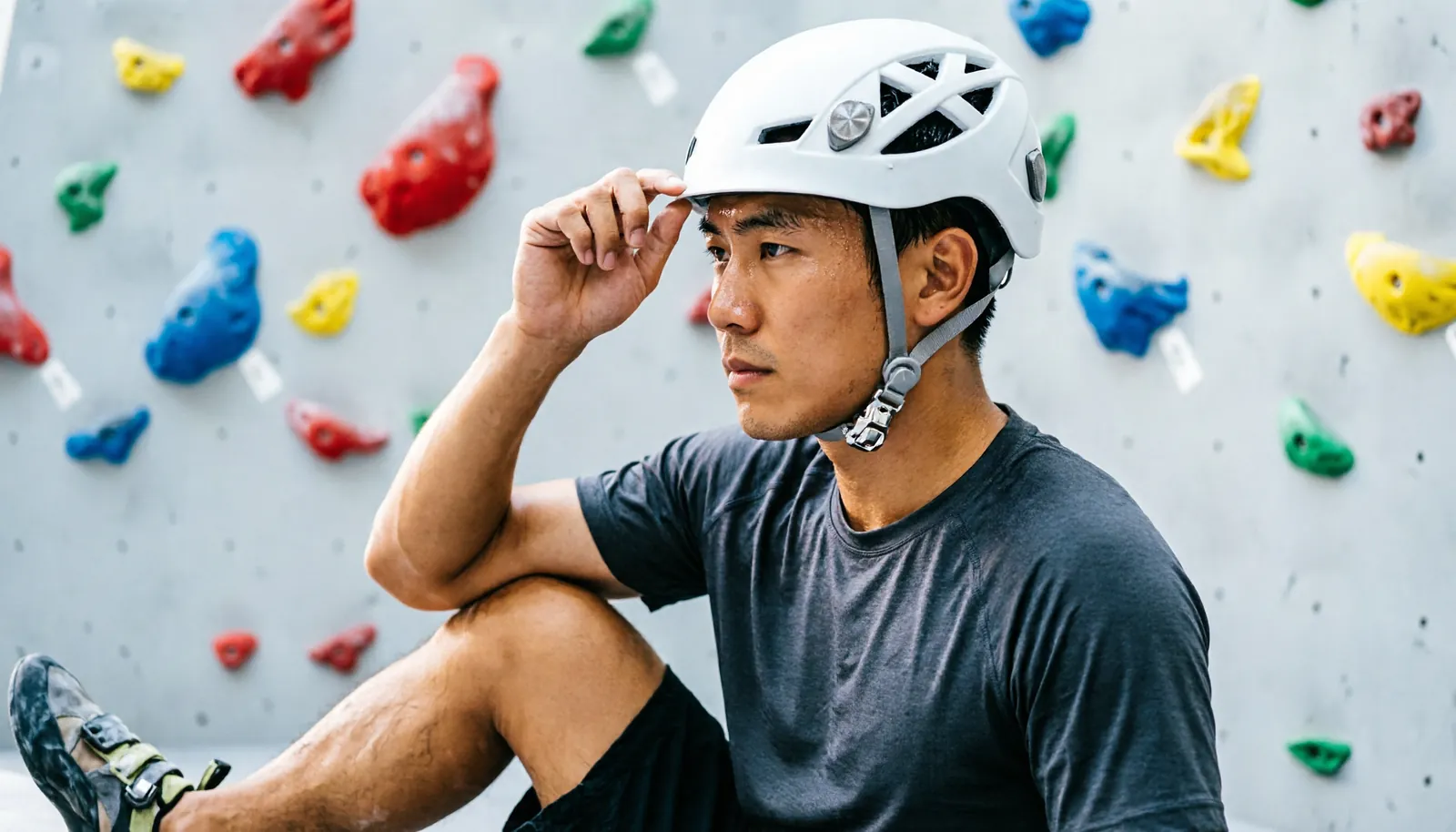
You can check if a helmet fits you correctly in less than a minute. Proper fit is more important than the shell type because a loose helmet won’t stay in place during a fall.
Place the helmet on your head so it sits flat across your forehead. The front edge should rest no more than two finger-widths above your eyebrows. If the brim sits higher, you lose critical protection for your frontal bone.
Tighten the rear adjustment wheel until it’s snug but not painful. Shake your head from side to side and look up and down. If the helmet shifts significantly, try a different size or adjust the internal harness straps.
A common mistake is leaving the chin strap too loose. You should only be able to fit one finger between the strap and your jaw. If you can fit two, the helmet may rotate off your head during impact.
The honest limits of helmet design
No helmet can protect you from every possible accident. Marketing materials often highlight how tough a shell is, but physics has limits. If you take a massive rockfall to the head, the helmet might prevent a skull fracture but can’t prevent a concussion or neck injury.
The primary mistake is assuming a helmet stops brain trauma. While the shell deflects sharp impacts, the brain still shifts inside the skull during rapid deceleration. If your head strikes a wall, that internal movement causes injury regardless of the helmet’s rating.
Furthermore, the “lightweight” advantage of foam helmets is often overstated for casual climbers. Unless you’re climbing at your absolute limit, the extra 100 grams of a hardshell won’t change your performance. Avoid choosing a helmet based solely on how “pro” it looks. Choose it based on how well it stays on your head when you move. If the harness slides, the protection fails.
When to retire your gear
Life-safety gear has a clear lifespan that you should never ignore. You must retire any helmet immediately if it sustains a significant impact, even if there are no visible cracks. Foam helmets are notorious for “hidden” damage, where the inner material cracks while the outer skin looks fine. Always follow the manufacturer’s specific guidelines, which are usually found in the booklet included with your purchase.
If you’re unsure about the state of your gear, take it to a local climbing shop. If you find deep gouges, frayed harness webbing, or a shell that has become brittle from UV exposure, it’s time to replace it. A certified climbing instructor can also help you inspect your gear if you aren’t sure how to spot early signs of material fatigue.
Care and maintenance steps
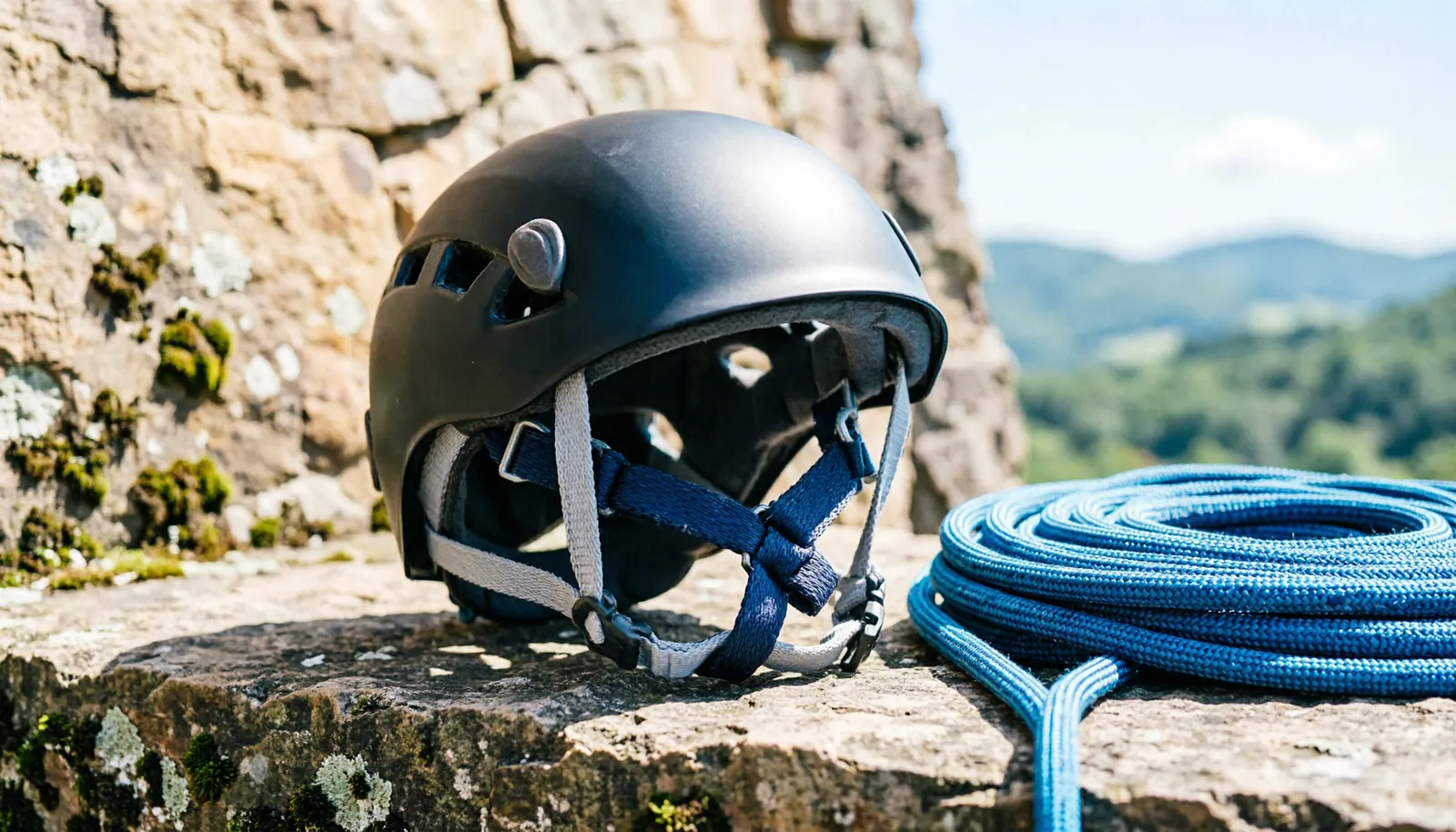
Keeping your gear in good shape extends its life and ensures it works when you need it. Never store your helmet in a place that gets extremely hot, such as the inside of a car during summer. High heat can damage the chemical structure of the plastic and foam over time. If the interior foam feels brittle or shows signs of deformation, retire the unit immediately.
Store your helmet in a cool, dry place out of direct sunlight. Ultraviolet rays degrade the outer shell, causing it to become chalky or prone to cracking under impact. When cleaning, use only mild soap and water. Never use solvents or harsh chemicals, as these can weaken the plastic shell or dissolve the protective coating on the foam.
Always check the chin strap buckle before you start your climb to ensure it clicks securely and is free of grit. If the buckle sticks, rinse it with warm water to flush out debris. Never force a jammed mechanism, as this indicates internal wear.
Frequently asked questions
Do I need a different helmet for ice climbing?
Some plastic materials become brittle in freezing conditions, so check the manufacturer’s rating.
Can I put stickers on my helmet?
Most manufacturers advise against it because the glue can react with the shell material. If you must, use only stickers approved by the brand.
How often should I replace a helmet?
Manufacturers usually recommend replacing a helmet every 5 to 10 years, even if it hasn’t been damaged. UV rays and general aging degrade the materials.
Is a more expensive helmet safer?
Not necessarily. A cheaper helmet that fits your head shape perfectly is safer than an expensive one that’s loose or uncomfortable.
Does the color matter?
Light colors are better for hot, sunny days as they absorb less heat. Dark colors can make your head feel warmer during long climbs.
What if my helmet gets dented?
If it’s a foam helmet, you must retire it. If it’s a hardshell and the dent is minor, it might still be okay, but consult the manual.
Can I wear a hat under my helmet?
Yes, but ensure it doesn’t interfere with the fit. A thin beanie is usually fine, but a thick hat may force the helmet to sit too high.
How do I store my helmet in my pack?
Store your helmet inside the main compartment or a dedicated holder to prevent crushing. Keeping it protected from external impacts is essential for maintaining the structural integrity of the shell and foam. Avoid strapping it to the outside of your pack where it’s vulnerable to damage.
Conclusion
Ultimately, your safety comes down to how well your gear fits your specific climbing style. If you’re still unsure, head to a local shop and try on a few different models. You’ll quickly see which one feels most comfortable, and you won’t regret investing in the right protection for your next adventure.
Related guides