Liquid Chalk vs Powder Chalk: Which Is Best for Climbing?
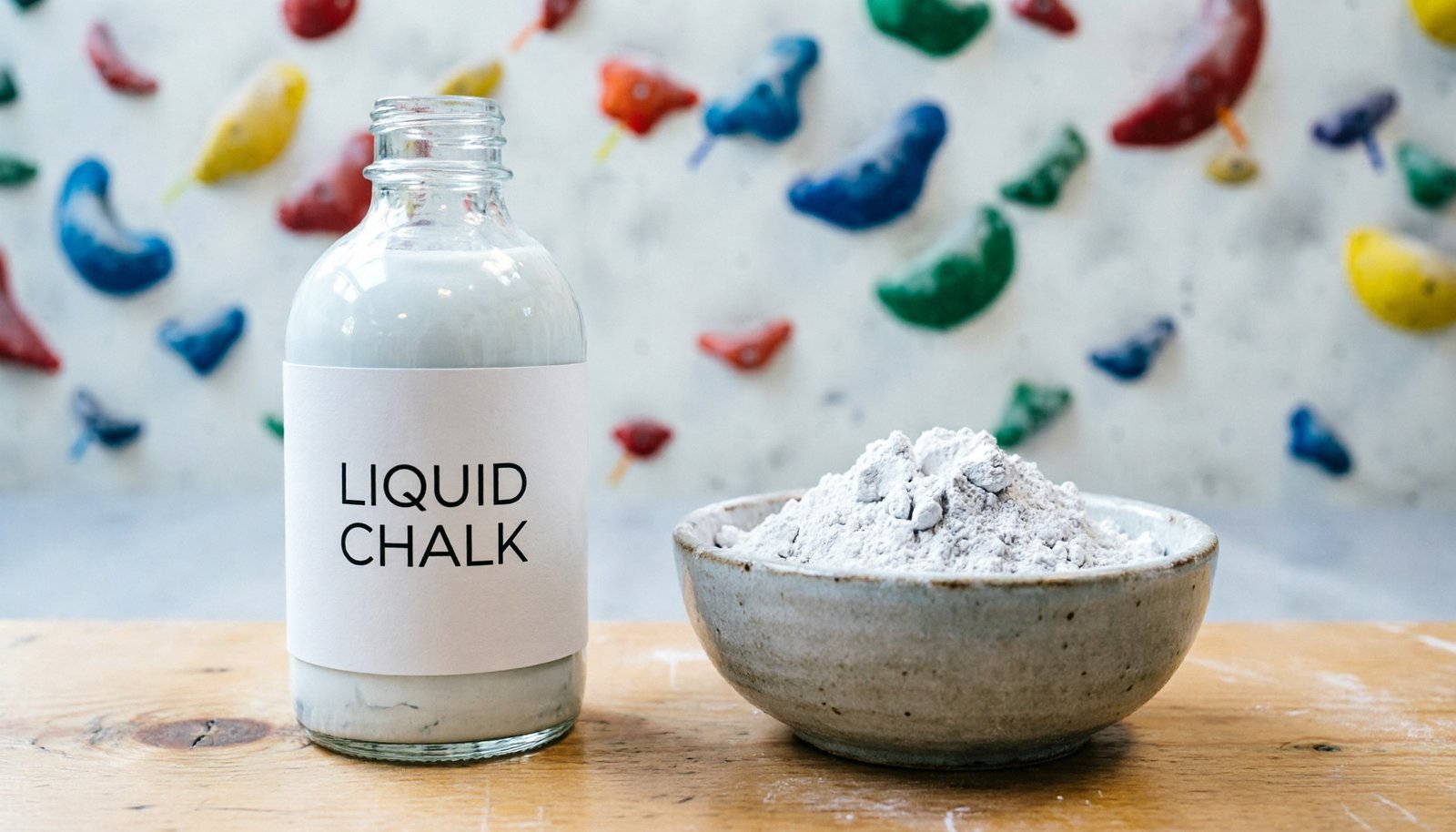
Choosing between liquid chalk vs powder chalk depends on your climbing environment and how much you sweat during a session. Liquid chalk provides a long-lasting base layer of magnesium carbonate, while powder chalk is better for quick re-application when you’re already on the wall. Most climbers use both to manage moisture and maintain a secure grip throughout their climb.
Key Takeaways
- How Chalk Works for Climbing
- Understanding the Differences
- A Quick Test for Your Hands
- Liquid vs Powder Chalk Comparison
- The Honest Limits of Chalk
- When to Retire Your Gear
- Usage and Storage Tips
- The Bottom Line
On this page
Recommended Products for Climbing Chalk

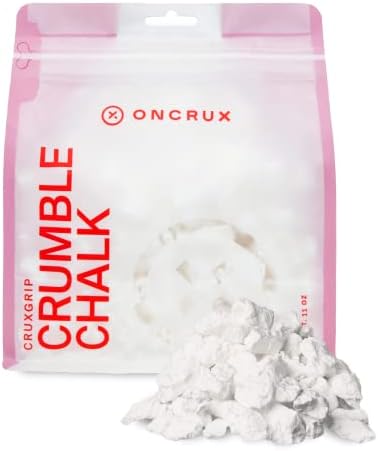


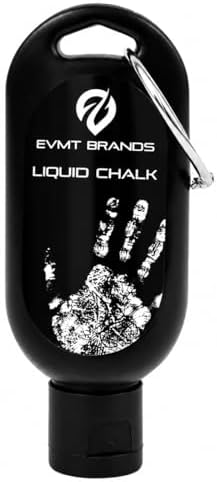
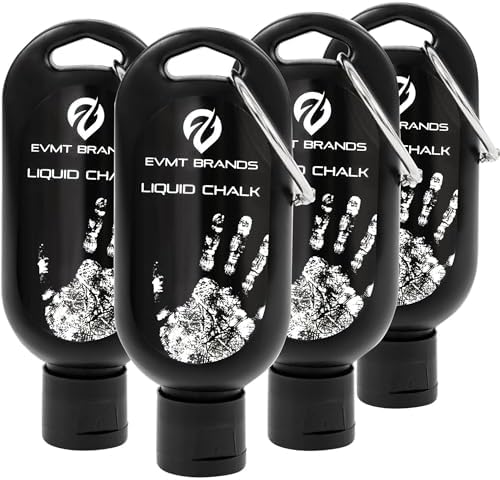

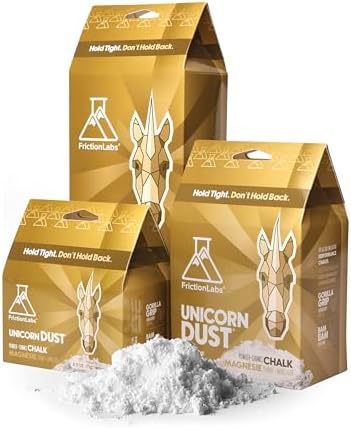
How Chalk Works for Climbing
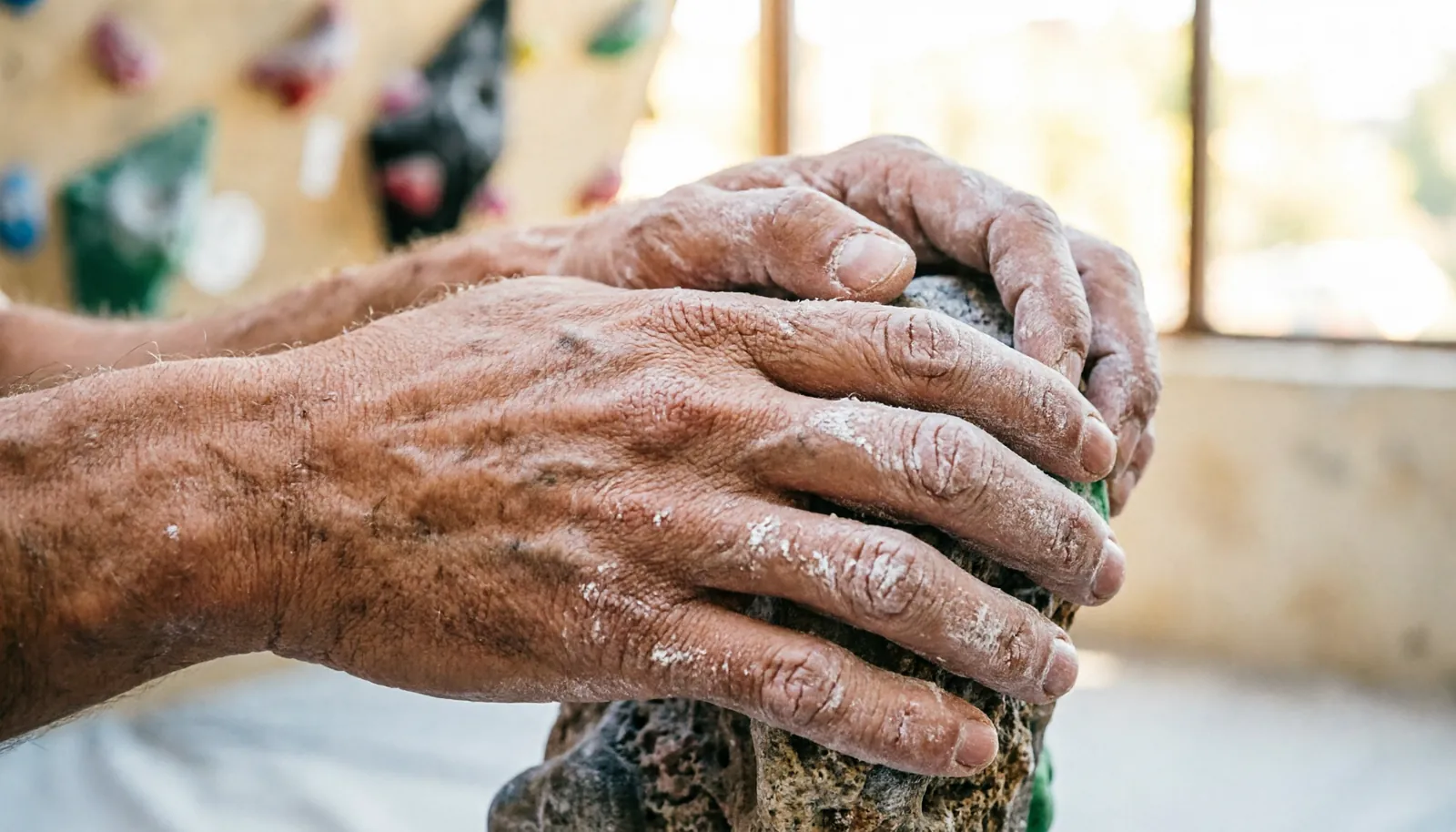
Magnesium carbonate is the primary ingredient in both types of chalk. It works by absorbing moisture from your skin and increasing friction between your hands and the climbing surface. By drying out the palms, it prevents your hands from slipping off holds during intense movements.
The physical mechanism is simple: the chalk creates a thin, dry barrier that absorbs moisture, which increases the friction between your skin and the rock or plastic. Instead, it creates a surface that’s less slippery when wet.
You should know that chalk doesn’t act as a glue. If you apply too much, you create a layer of dust that can actually cause you to slide off a hold. This is a common mistake that causes people to lose their grip. Use just enough to coat your skin, then blow off any excess to keep the surface clean.
Understanding the Differences
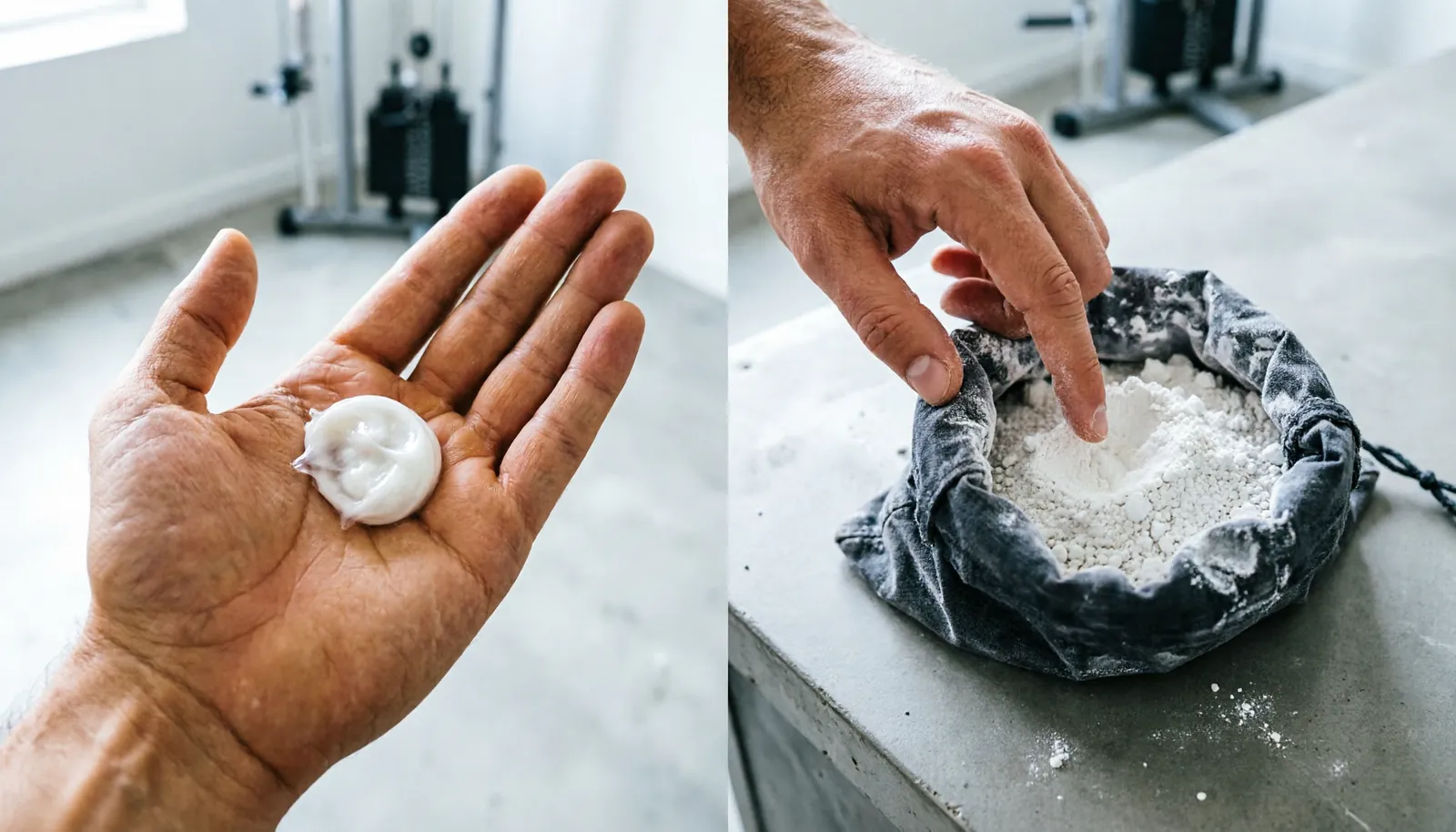
Choosing between these options often comes down to the setting of your climb. Liquid chalk is essentially magnesium carbonate mixed with alcohol, usually ethanol or isopropyl alcohol. As the alcohol evaporates, it leaves a very thin, even layer of chalk on your skin. This base layer is difficult to rub off, which makes it great for long routes or humid days.
Powder chalk comes in loose form or inside a fabric ball. It’s the gold standard for quick, repeated applications. If you’re climbing a route that takes several minutes, you’ll need to re-apply chalk while hanging on the wall. Powder is much easier to apply in these situations, as you can simply dip your hand into a chalk bag.
If you’re wondering which to pick, consider your local gym rules. Some indoor facilities forbid loose powder chalk because it creates a lot of dust in the air. In those cases, liquid chalk is the better choice because it’s cleaner and stays on your hands.
A Quick Test for Your Hands
You can easily check which type of chalk suits your skin type by testing your sweat levels during a normal workout.
Wash your hands with soap and water, then dry them completely. Wait 10 minutes without applying any product to see how quickly your hands get clammy.
If they’re already damp after this window, you need the base layer that liquid chalk provides. The alcohol base acts as a drying agent, creating a reliable foundation that powder can’t replicate on its own.
If your hands stay dry for a long time, you only need the quick touch-up power of powder. A common mistake is using liquid chalk when your skin is naturally dry; this often leads to excessive cracking or peeling. If you feel tightness or see white flakes after the test, stick to powder to preserve your skin’s natural oils and prevent painful splits.
Liquid vs Powder Chalk Comparison
| Feature | Liquid Chalk | Powder Chalk |
|---|---|---|
| Application Speed | Slow (needs to dry) | Fast (instant) |
| Longevity | High (base layer) | Low (needs frequent use) |
| Mess Factor | Low (no dust) | High (creates dust) |
| Best Used For | Starting a route | Re-chalking on the wall |
If you’re a beginner, start with a small amount of liquid chalk before you leave the ground. Once you’re on the wall, keep a small bag of powder chalk nearby for when your grip starts to fail. This combination ensures you have a consistent base while remaining ready for quick adjustments.
The Honest Limits of Chalk
Marketing often suggests that high-end chalk will make you a better climber, but this isn’t true. No amount of chalk will fix poor technique or weak finger strength. Chalk is merely a tool to manage moisture, not a way to improve your physical grip capacity.
Furthermore, the drying effect of alcohol in liquid chalk can be harsh on your skin. If you use it too often, your skin may become overly dry and prone to cracking. This is a real trade-off, as cracked skin is more painful than sweaty skin. Always wash your hands thoroughly after your session and use a skin balm to keep your hands healthy.
When to Retire Your Gear
Chalk itself doesn’t expire, but the containers and brushes used to apply it do wear out. If your chalk bag or chalk ball has holes, replace it immediately to avoid spilling chalk on the floor. Spilled chalk makes holds slippery and creates a mess that ruins the climbing surface for others.
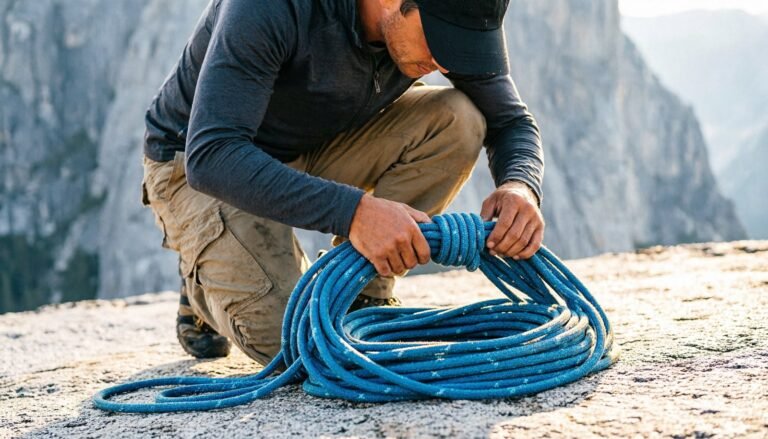
For your other gear like harnesses and ropes, follow the manufacturer’s life span guidelines to ensure safety. If you see signs of fraying or deep cuts in your harness or rope, don’t attempt to fix it yourself. Take the gear to a certified climbing instructor or a professional shop to have it inspected by someone with formal training.
Usage and Storage Tips
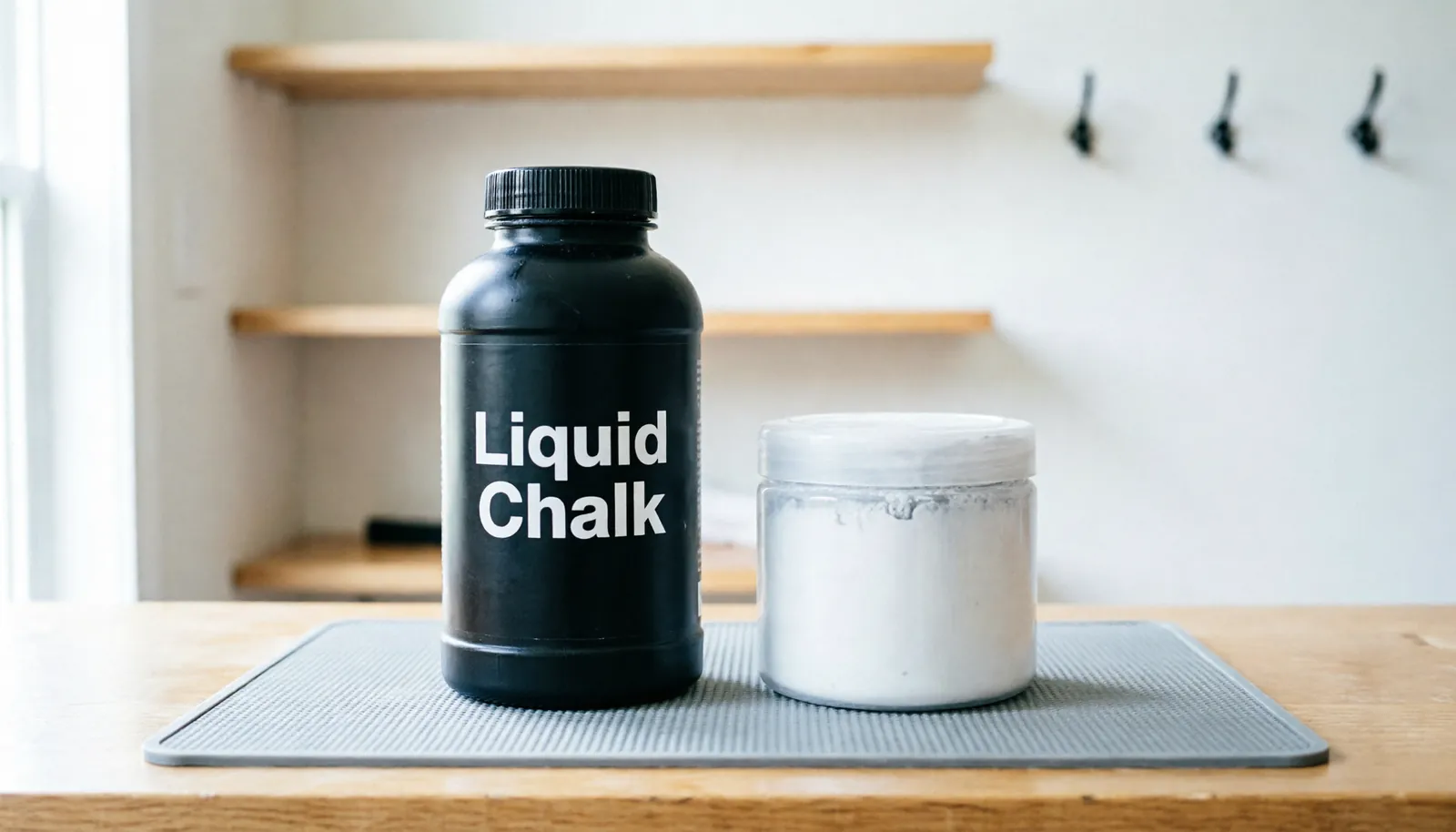
Keep your chalk in a cool, dry place to prevent it from absorbing moisture from the air. If you store your chalk in a humid garage, it will clump up and become difficult to use. Always seal your liquid chalk bottle tightly after every use to prevent the alcohol from evaporating inside the container.
When applying liquid chalk, use a pea-sized amount and rub it over your palms and fingers. Wait about 30 seconds for it to dry completely until your hands look white and feel dry to the touch. For powder, just dip your fingers and tap the bag to remove the extra dust before you grab the next hold.
Related guides
- How to Wash a Climbing Rope Safely to Extend Its Lifespan
- Dynamic vs Static Rope: How to Choose the Right Climbing Line
Frequently Asked Questions
Does liquid chalk kill bacteria?
Yes, the alcohol content in most liquid chalk formulas acts as a disinfectant. This is one reason why many gyms prefer it over loose powder.
Can I mix liquid and powder chalk?
Yes, many climbers apply a layer of liquid chalk as a base and then use powder chalk on top. This is an effective way to keep your hands dry for a long time.
Is liquid chalk bad for the environment?
It’s generally safer than powder because it doesn’t create airborne dust. However, always check the ingredients to ensure they’re safe for your skin and the local environment.
Why do my hands get so sweaty?
Sweat is a natural response to exercise and nerves. If your hands get too sweaty, try to focus on your breathing to stay calm, as stress often increases sweat production.
Does the brand of chalk matter?
Most chalk is just magnesium carbonate, so the brand doesn’t change the performance much. Focus on the texture and the container type that fits your needs.
How often should I clean my chalk bag?
Empty your chalk bag and wash it with warm water based on your frequency of use and the manufacturer’s recommendations. This removes old, caked-on chalk and keeps your gear in good condition.
Can I use chalk on my feet?
Some climbers use a tiny bit of chalk on their feet to help with tight-fitting shoes. However, be careful as it can make your feet slide inside the shoe if you use too much.
Does chalk expire?
No, pure magnesium carbonate doesn’t have a shelf life. Keep it dry, and it will last for years.
The Bottom Line
The best way to manage your grip is to use liquid chalk as a base layer before you start your climb. This keeps your hands dry for longer and helps you avoid the constant need to re-apply during the middle of a difficult section.
Always remember that chalk is a helper, not a replacement for good technique. If you find yourself needing to re-apply chalk every few seconds, you’re likely over-gripping the holds. Focus on your body position and movement to stay secure on the wall.