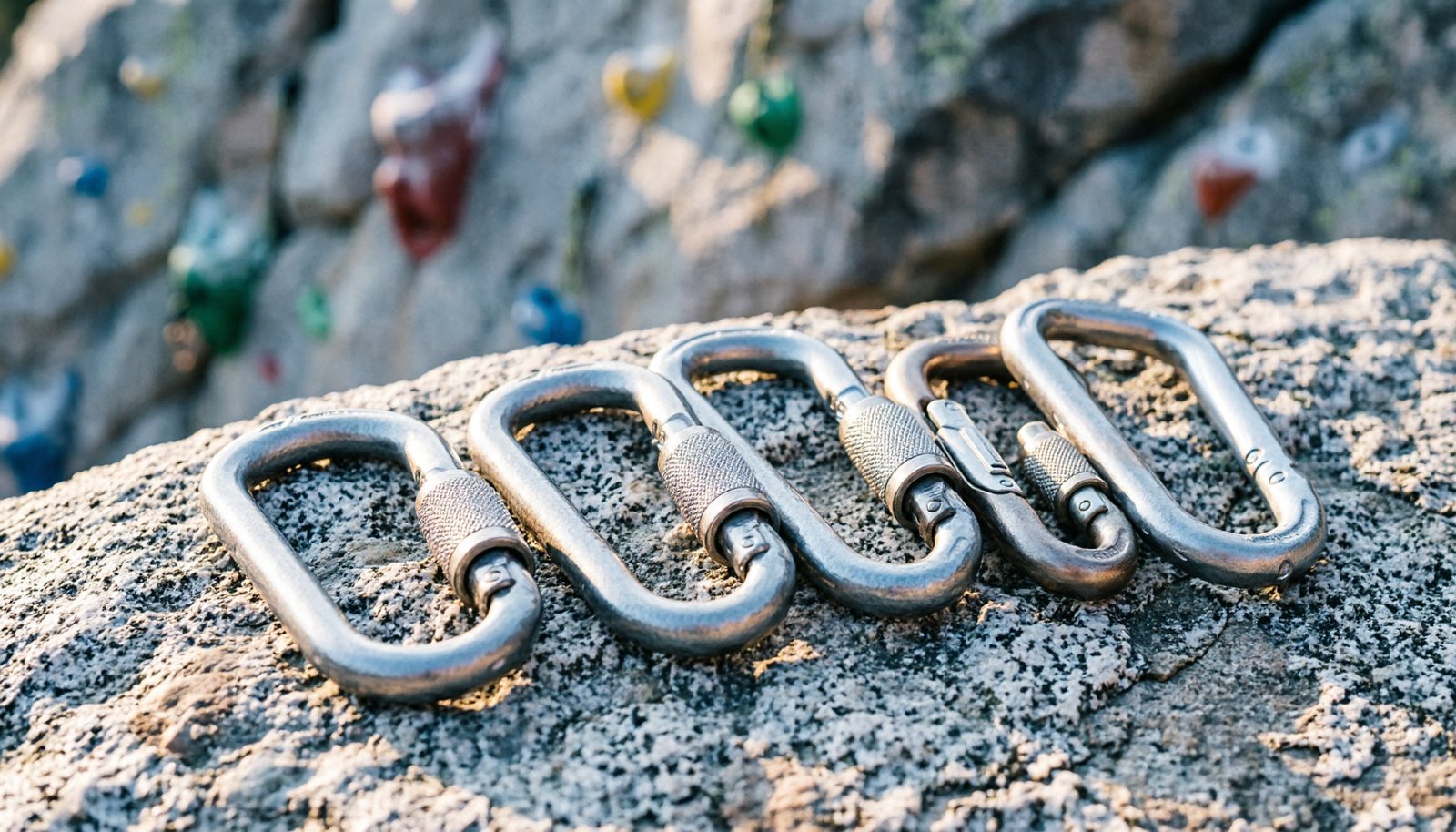
Screwgate vs Auto-Locking Carabiners: Which Should You Choose
Choosing between screwgate vs auto-locking carabiners depends entirely on whether you prioritize simplicity and lower cost or the convenience of a gate that closes itself. While both designs keep your rope or gear secure, they function differently under stress and require different levels of attention from the climber. Most people assume that auto-locking devices are always safer, but they can sometimes create a false sense of security if you don’t verify the gate is fully engaged.
This article explores the mechanical differences between these two locking systems, how to maintain them, and how to know when it’s time to retire your hardware.
Key Takeaways
- How Locking Carabiners Work
- Types of Carabiner Locks
- A Quick Carabiner Test
- When to Choose Which
- Honest Limits of Locking Gear
- Retirement and Professional Help
- Care and Storage
- The Bottom Line
On this page
Recommended Products for Locking Carabiners




How Locking Carabiners Work
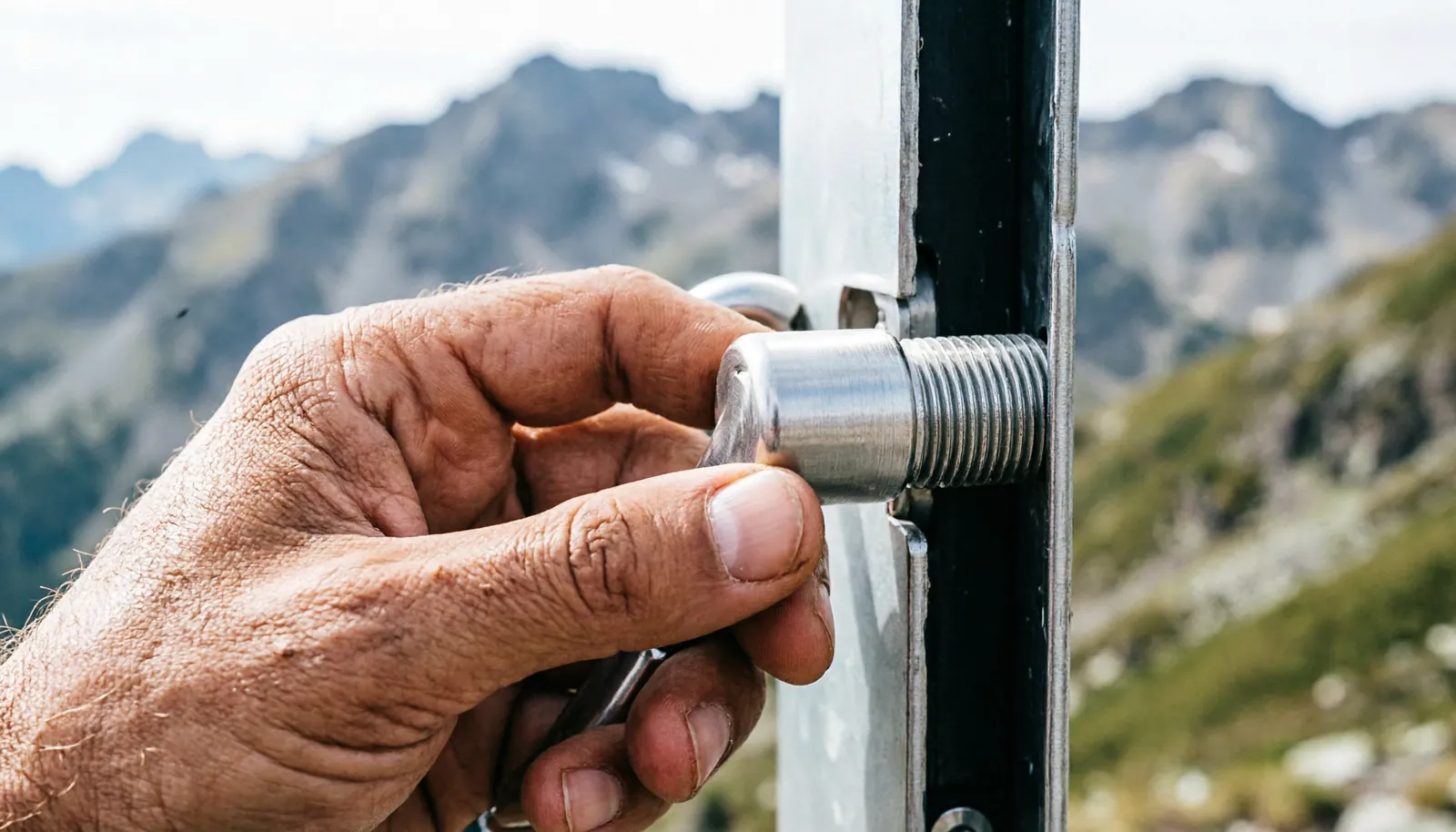
A locking carabiner is a piece of climbing gear that uses a sleeve to prevent the gate from opening accidentally. The main difference lies in how that sleeve moves. A screwgate carabiner requires you to manually twist a threaded barrel over the gate opening. Once you clip the carabiner, you must rotate the sleeve until it physically blocks the gate from moving.
An auto-locking carabiner, on the other hand, uses an internal spring to pull the locking mechanism into place automatically. When you release the gate, the sleeve snaps shut and locks itself instantly.
According to the UIAA safety standards for mountaineering equipment, these devices must meet rigorous strength requirements to ensure they don’t fail under normal loading conditions. The key term to remember is “gate closed strength,” which refers to the maximum force the carabiner can hold when the locking mechanism is properly engaged.
Types of Carabiner Locks
You’ll find several variations of these locks on the market, each serving a specific purpose. Screwgates are the classic choice because they’re simple and have fewer moving parts to break or jam. If you’re a beginner, a screwgate is often recommended because it forces you to build the habit of checking your gear every single time you clip.
Auto-lockers come in two main styles: two-stage and three-stage. A two-stage lock requires you to twist and pull, while a three-stage lock requires a push, twist, and pull motion.
| Feature | Screwgate | Auto-Locking |
|---|---|---|
| Locking Speed | Slow | Instant |
| Moving Parts | Few | Many |
| Reliability | High (Manual) | High (Spring-based) |
| Best For | Anchors/Belay | Frequent Clipping |
| Risk | Forgetting to lock | Dirt jamming spring |
If you’re climbing in a dirty or icy environment, a screwgate is often better. If you’re doing repetitive tasks like setting up top ropes, an auto-locker saves significant time.
A Quick Carabiner Test
You can check your carabiner’s safety in under a minute with this simple test.
Hold the carabiner and open the gate fully. Release it and watch it snap back. If it’s an auto-locker, the gate must lock immediately without you touching the sleeve. If the gate hesitates or stays partially open, the internal spring has likely lost its tension.
Check the gate for grittiness. If it feels slow or sticks, the spring is likely clogged with grit or dried lubricant. A sticky gate is a liability; it can fail to close fully under load, which significantly reduces the carabiner’s strength compared to its rated gate-closed capacity.
With a screwgate, ensure the barrel spins smoothly along the entire thread. If it stops halfway, don’t use it. This indicates cross-threading or a bent gate pin. If the barrel binds, a quick blast of compressed air often clears the debris.
When to Choose Which
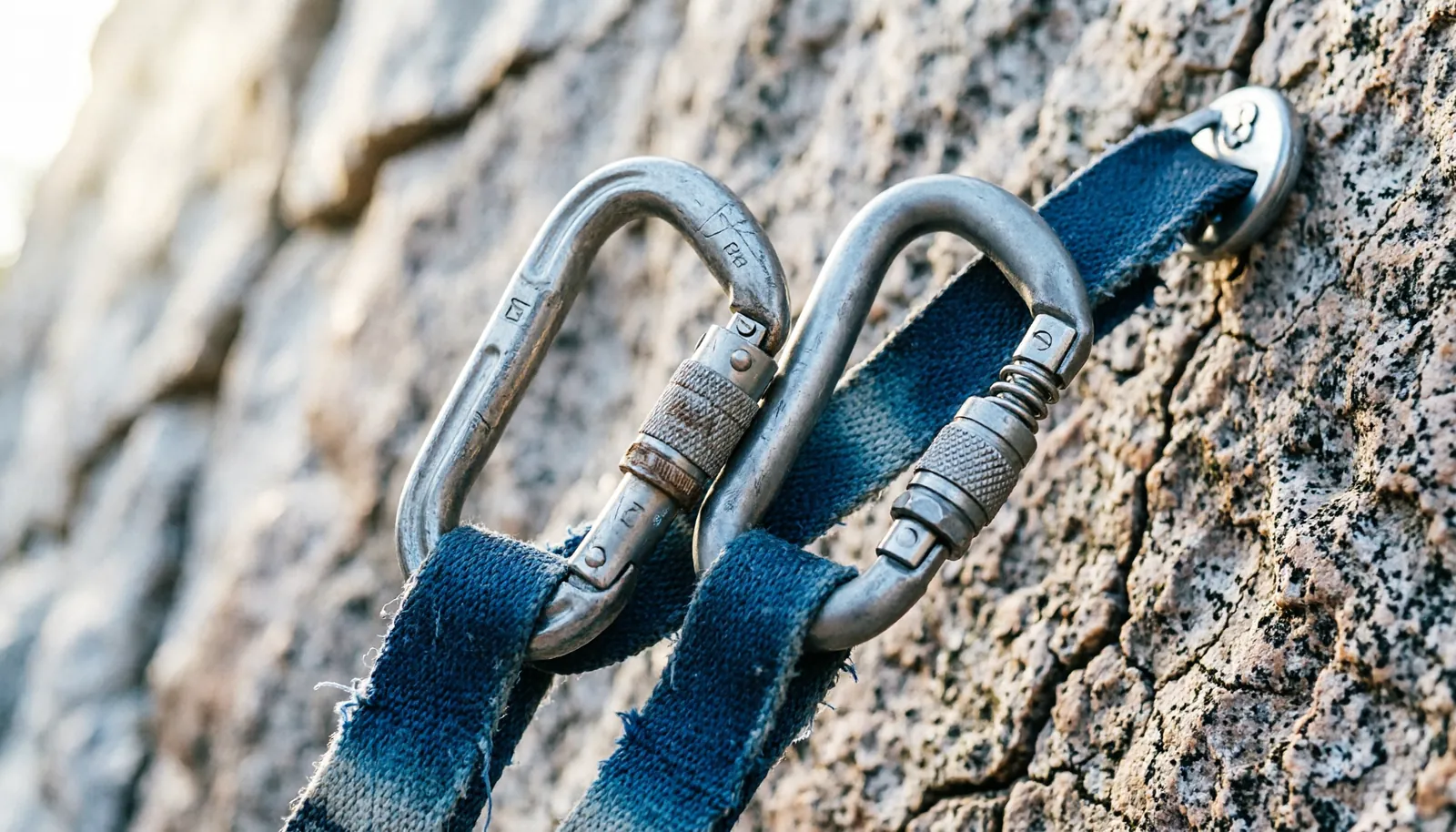
Choosing the right carabiner comes down to your specific climbing style. If you’re building a stationary anchor at the top of a climb, a screwgate is often preferred because it’s less likely to get caught on slings or ropes. The trade-off is that it requires manual effort, which can be difficult if you’re wearing thick gloves in cold weather.
If you’re belaying, an auto-locking carabiner is a common choice. It ensures that the gate is locked every time you clip your belay device. This is helpful for beginners who might forget to turn the screw on a manual gate. However, if you aren’t careful, auto-lockers can be accidentally opened by rope vibration or contact with other gear.
Honest Limits of Locking Gear
Marketing often claims that auto-locking carabiners are “fail-safe,” but this is an overstatement. No mechanical device is immune to failure, especially if the internal spring becomes clogged with dirt, sand, or ice. In these cases, the gate might not close fully, leaving the carabiner in a weakened state.
Furthermore, some users assume that a locked carabiner is indestructible. All aluminum carabiners will lose strength if they’re cross-loaded, meaning the pressure is applied across the gate rather than along the spine. This can happen with both screwgates and auto-lockers if the gear isn’t positioned correctly.
Retirement and Professional Help
You must inspect your carabiners for cracks, deep gouges, or excessive wear on the contact surfaces where the rope runs. If the gate action feels sluggish or the locking mechanism doesn’t engage fully despite cleaning, retire the item immediately. Most manufacturers suggest retiring aluminum hardware after 5 to 10 years of use, even if it looks fine, as metal fatigue can occur over time.
If you find a crack or a bent gate, don’t try to repair it yourself. Never use a hammer to force a gate into place or attempt to lubricate the mechanism with heavy oils that attract dirt. If you’re ever unsure about the condition of your equipment, take it to a certified climbing instructor or a professional gear shop for an inspection.
Care and Storage
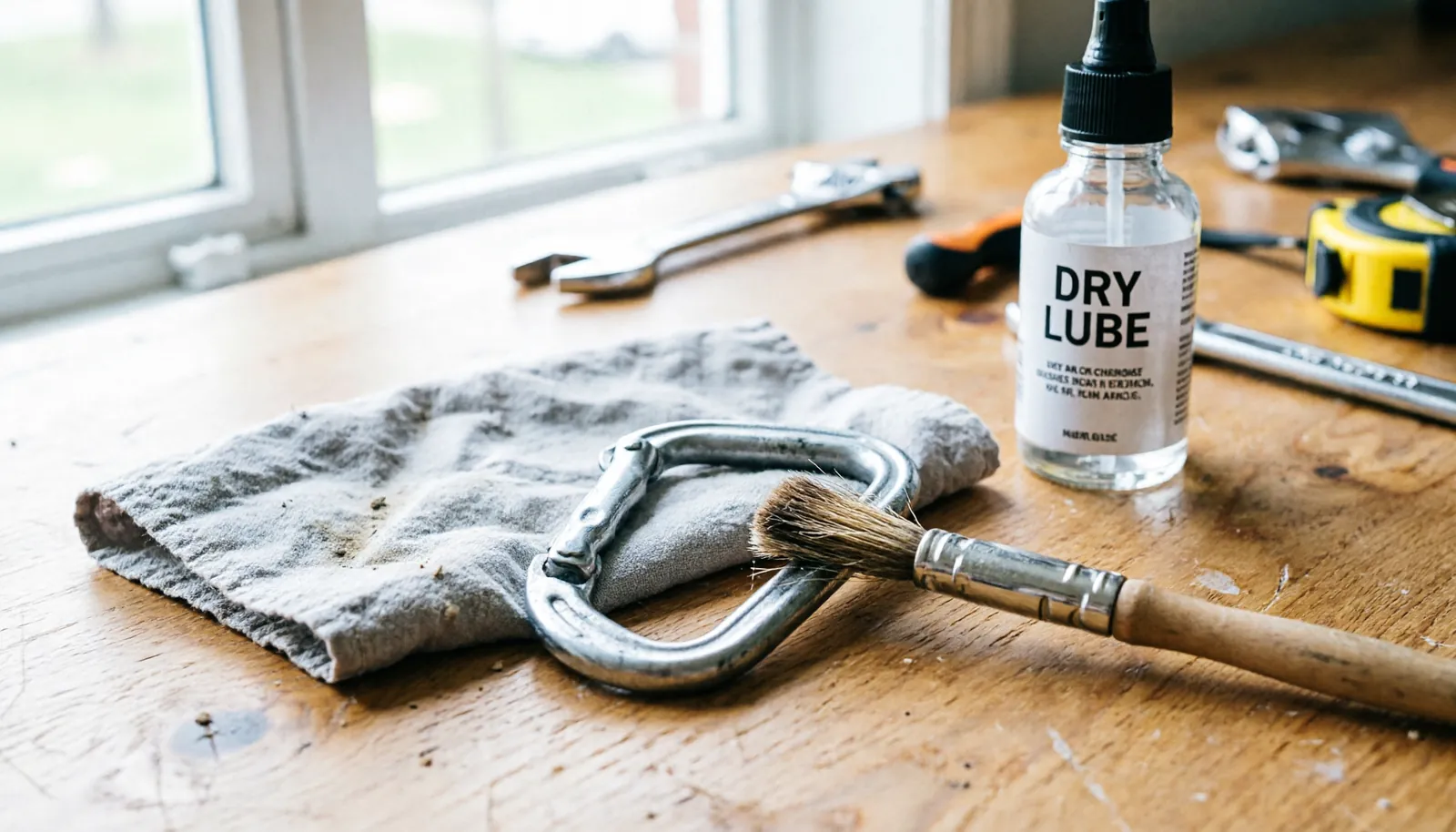
Keep your carabiners clean by rinsing them with warm water and a mild soap after a trip to the beach or a dusty crag. If the mechanism is stiff, use a dry lubricant designed for climbing gear, but wipe away all excess so it doesn’t attract grit. Store your equipment in a cool, dry place away from direct sunlight and chemicals like battery acid or bleach, which can weaken the metal.
Frequently Asked Questions
- Can an auto-locker open by itself? Yes, if the sleeve rubs against a rock or a rope, it can potentially unlock. Always check your gear periodically while climbing.
- Are screwgates stronger than auto-lockers? Not necessarily, as both must meet the same UIAA strength standards. The difference is in the operation, not the raw material strength.
- How do I clean a sticky carabiner? Rinse it with warm water and work the gate back and forth. If it remains sticky, use a small amount of compressed air to blow out any debris.
- Can I use oil to fix a stiff gate? Avoid heavy oils, as they attract dirt and make the problem worse. Use only dry lubricants or graphite if absolutely necessary.
- What if I drop my carabiner on rock? Inspect it closely for micro-cracks or deep dents. If you see any deformation, retire it, as internal damage is often invisible.
- Do I need a three-stage lock? These are safer because they require more steps to open, but they’re also more expensive and complex to use. They’re best for high-consequence situations.
- How often should I inspect my gear? Check your carabiners before every single climb. A quick visual check takes only a few seconds and prevents potential accidents.
- Does temperature affect the lock? Extreme cold can cause metal to contract or lubricants to thicken. Always test your gate action in the specific conditions where you plan to climb.
The Bottom Line
The choice between screwgate and auto-locking carabiners balances manual simplicity against automated convenience. Screwgates offer a reliable, low-maintenance option that forces you to build tactile habits. Auto-lockers provide speed and security during repetitive tasks, such as setting up a top-rope anchor.
If you’re a beginner, stick with screwgates. They teach you to consciously verify your gear. Many climbers make the mistake of trusting an auto-locker’s spring mechanism without checking it. This complacency costs lives when grit or ice jams the gate open.
Use this decision rule: If you’re working a route where you clip and unclip frequently, use an auto-locker to save time. If you’re building a static anchor or belaying for long periods, use a screwgate. Regardless of the type, always perform a physical pull-test on the gate every time you clip. Never trust a lock you haven’t felt.