Moderate Climbing Shoes: Guide to Comfort, Fit & Performance
Climbing is more than just a sport—it’s a way to discover your limits, connect with nature, and build confidence. For many climbers, the journey starts with choosing the right shoes. If you’ve looked for climbing shoes, you’ve probably heard about “aggressive” or “beginner” shoes.
But what about the middle ground? That’s where moderate climbing shoes come in. They balance comfort, performance, and versatility, making them a top choice for a wide range of climbers.
Whether you’re progressing from your first pair or you want a shoe that can handle both the gym and the outdoors, understanding moderate climbing shoes can make your climbing safer and more enjoyable.
Let’s explore what makes these shoes unique, who they’re for, how to choose the best pair, and why they might be exactly what your climbing needs.
Key Takeaways
- Top Moderate Climbing Shoes In 2026
- What Are Moderate Climbing Shoes?
- Who Should Use Moderate Climbing Shoes?
- The Anatomy Of Moderate Climbing Shoes
- How To Choose The Best Moderate Climbing Shoes
- When To Upgrade (or Not) To Aggressive Shoes
On this page
- Top Moderate Climbing Shoes In 2026
- What Are Moderate Climbing Shoes?
- Who Should Use Moderate Climbing Shoes?
- The Anatomy Of Moderate Climbing Shoes
- How To Choose The Best Moderate Climbing Shoes
- When To Upgrade (or Not) To Aggressive Shoes
- Care And Maintenance For Moderate Climbing Shoes
- Performance On Different Terrains
- Data Table: Shoe Features Comparison
- Price Vs. Performance: Is It Worth Spending More?
- Breaking In Your Moderate Climbing Shoes
- Tips For Maximizing Performance With Moderate Shoes
- Sustainability And Eco-friendly Options
- Real-world Experiences: What Climbers Say
- Common Questions And Misconceptions
- Where To Buy Moderate Climbing Shoes
- Frequently Asked Questions
Top Moderate Climbing Shoes In 2026


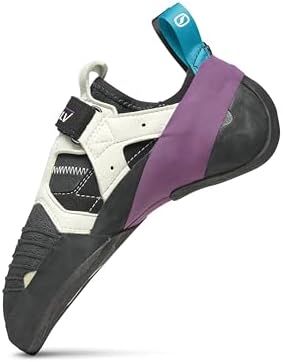


Many brands produce excellent moderate shoes. Here’s a look at standout models this year:
1. La Sportiva Tarantula
One of the most popular shoes for all-around climbing. Features a Velcro closure, durable rubber, and a comfortable fit. Great for beginners and intermediate climbers.
2. Scarpa Arpia
Known for its precise fit and slightly aggressive toe, the Arpia bridges the gap between comfort and performance. Suitable for sport and bouldering.
3. Five Ten Anasazi
A classic with a reputation for sticky rubber. The synthetic upper holds its shape, and the shoe performs well on technical climbs.
4. Evolv Kronos/kira
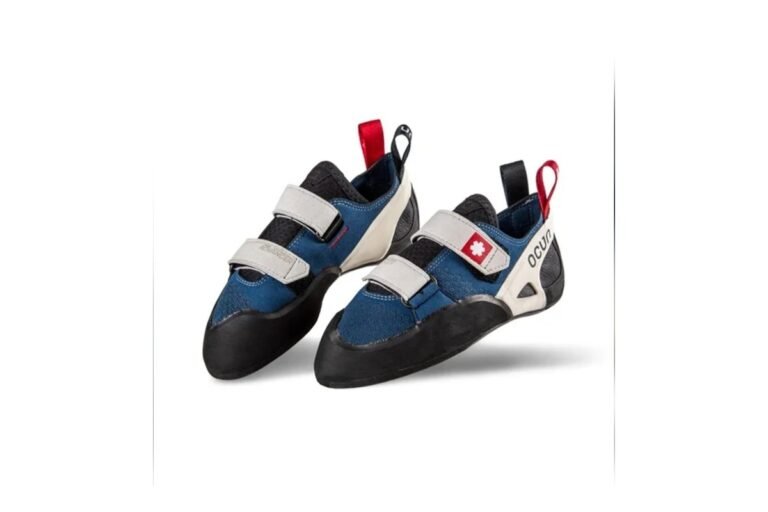
The Kronos (men’s) and Kira (women’s) offer a secure fit and a balance between sensitivity and support. The single Velcro and strap closure is unique and convenient.
5. Black Diamond Momentum
Affordable and comfortable, the Momentum uses engineered knit fabric for breathability. It’s especially popular in gyms and for moderate outdoor climbs.
6. Mad Rock Drifter
Budget-friendly but reliable. The Drifter is a favorite for those who want decent performance without breaking the bank.
7. Boreal Joker
This shoe focuses on comfort with a padded heel and tongue. It’s great for long days and beginners moving into more technical climbs.
8. Butora Endeavor
A lesser-known brand, but the Endeavor stands out for its custom fit options and high durability.
Non-obvious insight: Many advanced climbers keep a pair of moderate shoes for warming up or for climbs where comfort is more important than maximum performance.
Also Read: Lace-Up Climbing Shoes: Complete Guide to Fit, Benefits & Performance
What Are Moderate Climbing Shoes?
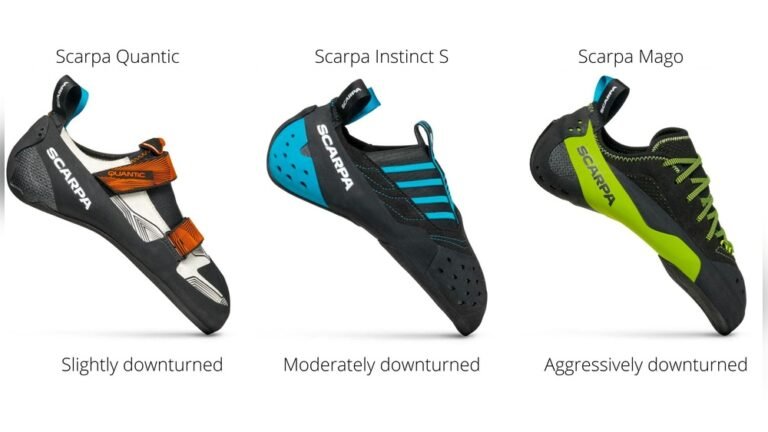
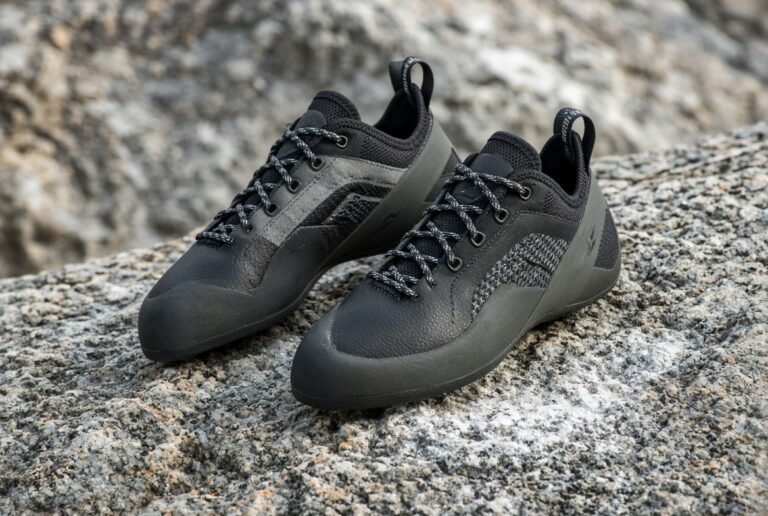
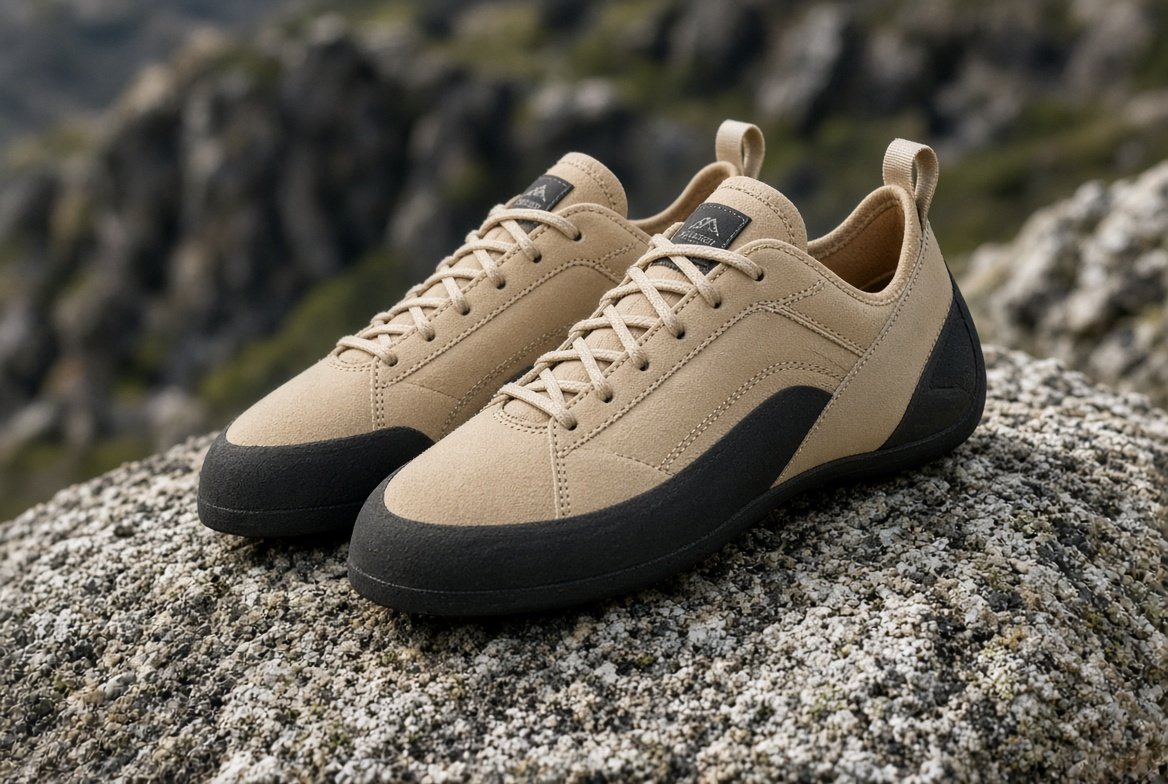
Moderate climbing shoes sit between flat, comfort-focused beginner shoes and aggressive, highly downturned shoes designed for advanced climbers. Their shape and features aim to offer both support and flexibility.
Key Characteristics
1. Slight Downturn
Moderate shoes have a gentle curve (downturn) in the sole, which helps you stand on small holds and edges. This is more pronounced than in neutral shoes but less than in aggressive models.
2. Versatile Fit
They are designed to fit snugly but not painfully. Most have a slightly arched shape, supporting the foot for long climbs without causing excessive discomfort.
3. Multi-purpose Rubber
The rubber used is usually sticky for good grip but thick enough to last through repeated use on different types of rock and in climbing gyms.
4. Flexible Upper Materials
Upper materials are often leather or synthetic fabrics that stretch a little over time, molding to the climber’s foot shape.
Typical Uses
Moderate shoes excel in:
- Sport climbing
- Trad climbing (traditional)
- Bouldering
- Multipitch routes
They are especially useful for routes with both vertical and slightly overhanging sections.
Who Should Use Moderate Climbing Shoes?
Choosing the right climbing shoe depends on your experience, climbing style, and comfort needs. Here’s who benefits most from moderate shoes:
Progressing Beginners
Climbers who have outgrown their first pair of flat, soft shoes may find moderate shoes offer the right step up. They provide better support for more technical climbs without being as uncomfortable as aggressive shoes.
All-around Climbers
If you climb both indoors and outdoors, on slabs, cracks, and moderate overhangs, moderate shoes adapt well to different challenges. You don’t need to switch shoes for every new type of climb.
Comfort Seekers
Some climbers prioritize comfort for all-day climbing. Moderate shoes, with their balanced design, let you keep your shoes on for longer periods, which is important for multipitch or trad routes.
Budget-conscious Climbers
Because they last longer and suit many types of climbing, you can avoid buying multiple pairs for different disciplines.
Non-obvious insight: Many climbers stick with moderate shoes for years, even as their skills advance, because they find the balance between comfort and performance hard to beat.
The Anatomy Of Moderate Climbing Shoes
Understanding the different parts of a climbing shoe helps you make a better buying decision. Here’s what to look for in moderate shoes:
The Sole
Moderate shoes use medium-stiffness rubber. This gives a mix of sensitivity (feeling the rock) and support (standing on small edges). The sole is often thicker than aggressive shoes—typically around 4mm to 5mm.
The Shape
The toe box is slightly pointed, helping with precise foot placements. The overall profile is arched but not sharply curved.
Closure Systems
You’ll find three main closure types:
- Velcro (hook-and-loop): Fast to take on and off. Great for the gym or bouldering.
- Laces: Allow for the most precise fit, especially over long climbs.
- Slippers: Less common but offer comfort and sensitivity.
Upper Materials
- Leather: Stretches over time, becomes more comfortable.
- Synthetic: Less stretch, better for those who want the same fit over months or years.
Heel Cup And Rand
A snug heel cup helps with heel hooks and keeps the shoe from slipping off. The rand (rubber around the toe and sides) offers protection and durability.
Comparison Table: Moderate Vs. Neutral Vs. Aggressive Climbing Shoes
Here’s a side-by-side look at the three main climbing shoe types.
| Feature | Neutral Shoes | Moderate Shoes | Aggressive Shoes |
|---|---|---|---|
| Downturn | Flat | Slight | Strong |
| Comfort | High | Medium-High | Low |
| Performance | Beginner | Intermediate/All-Around | Advanced/Specialized |
| Best For | Slabs, all-day climbs | Sport, trad, bouldering | Steep boulders, hard sport |
| Fit | Relaxed | Snug | Tight |
How To Choose The Best Moderate Climbing Shoes
Picking the right pair isn’t just about brand or looks. Consider these factors:
1. Fit And Sizing
- Try before you buy: Feet are unique. Two people with the same size might need different brands.
- Snug, not painful: Your toes should be close to the end but not curled painfully.
- Socks or not: Most climbers wear shoes without socks for better sensitivity.
Tip: Try shoes at the end of the day when your feet are slightly swollen. This ensures you don’t choose a shoe that will feel too tight later.
2. Type Of Climbing
- Sport and bouldering: Look for shoes with a slightly more pointed toe and stickier rubber.
- Trad and multipitch: Comfort is key. Look for a wider toe box and breathable materials.
3. Closure System
- Velcro: Best for convenience, indoor climbing, and bouldering.
- Lace: Best for precise fit and long routes.
- Slip-on: Good for sensitivity but less support.
4. Material
- Leather: Stretches up to a full size. Buy snug.
- Synthetic: Holds shape better. Good for those who want consistent fit.
5. Durability And Price
Moderate shoes are generally more durable than aggressive shoes. However, prices vary. Expect to pay between $90 and $180 for a quality pair.
6. Gender And Foot Shape
Brands often offer men’s and women’s versions. However, some women prefer men’s shoes for wider feet, and some men choose women’s for a narrower fit.
Common Mistakes
- Buying too tight: Pain doesn’t equal performance for most climbing.
- Ignoring closure type: The right system can make long days more comfortable.
- Not considering stretch: A shoe that feels perfect in the store may become loose on the wall.
When To Upgrade (or Not) To Aggressive Shoes
It’s easy to think that “better” means more aggressive. But that’s not always true. Here’s when you might consider sticking with moderate shoes:
- You climb mostly on vertical or slab routes.
- You value comfort for long sessions.
- You don’t often tackle overhanging or very technical sport routes.
Upgrade only if:
- You want to focus on steep bouldering or hard sport routes.
- You can handle tighter, less comfortable shoes for short periods.
Many climbers switch back to moderate shoes after trying aggressive ones, realizing their climbing is more enjoyable overall.
Care And Maintenance For Moderate Climbing Shoes
A good pair of shoes is an investment. Here’s how to keep them in top shape:
Cleaning
- Use a damp cloth to wipe off dirt after each session.
- For odor, sprinkle a little baking soda inside, then tap it out.
Drying
- Let shoes air dry away from direct sunlight or heat. Never use a dryer.
- Stuff with newspaper to absorb moisture.
Resoling
- Moderate shoes can be resoled when the rubber wears out, often for half the price of a new pair.
- Don’t wait until you see holes; resole when the sole is thin.
Storage
- Store shoes in a cool, dry place.
- Avoid leaving them in a hot car, which can damage glue and rubber.
Performance On Different Terrains
Moderate climbing shoes perform well on a variety of surfaces. Here’s a breakdown:
Indoor Climbing Gyms
Their comfort and sticky rubber make moderate shoes perfect for plastic holds and long training sessions. The slightly downturned shape helps on overhanging gym routes without causing discomfort on vertical walls.
Outdoor Rock Types
- Sandstone: Moderate shoes offer enough sensitivity for edges and pockets.
- Granite: The supportive sole works well for smearing and crack climbing.
- Limestone: Good balance for technical face climbs and moderate overhangs.
Multipitch Routes
On long climbs, you’ll appreciate shoes you can wear for hours. Moderate shoes are preferred by many trad climbers for this reason.
Practical tip: If you need to walk off the top of a cliff, moderate shoes are usually comfortable enough for short hikes.
Data Table: Shoe Features Comparison
Here’s a comparison of three top moderate shoes, showing key specs.
| Model | Closure | Upper Material | Sole Thickness | Price Range (USD) | Best Use |
|---|---|---|---|---|---|
| La Sportiva Tarantula | Velcro | Leather | 4mm | $95-110 | All-round, gym |
| Scarpa Arpia | Velcro | Synthetic | 4mm | $140-160 | Sport, boulder |
| Five Ten Anasazi | Lace/Velcro | Synthetic | 4.2mm | $120-150 | Technical, trad |
Price Vs. Performance: Is It Worth Spending More?
Spending more on moderate climbing shoes doesn’t always mean better performance. Here are some things to consider:
- Entry-level shoes ($90-$110) often last as long as premium models for average climbers.
- Premium shoes ($140-$180) may use higher-quality rubber, which grips better but can wear out faster.
- Brand reputation: Well-known brands often have better customer support and warranty options.
Non-obvious insight: Many climbers find that after the first few sessions, performance differences between moderate shoes become less noticeable than fit and comfort.
Table: Price Vs. Lifespan
| Price Range | Average Lifespan (Regular Use) | Typical User |
|---|---|---|
| $90-$110 | 8-12 months | Beginner, casual |
| $120-$150 | 10-14 months | Regular, intermediate |
| $160-$180 | 12-16 months | Frequent, advanced |
Note: Lifespan depends more on how often and where you climb than on price.
Breaking In Your Moderate Climbing Shoes
New climbing shoes, especially moderate ones, often feel tight at first. Here’s how to break them in:
- Wear them around the house: Just a few hours can help the shoe mold to your foot.
- Short climbing sessions: Start with short climbs, then take them off to avoid hot spots.
- Avoid water stretching: Unlike street shoes, wetting climbing shoes can damage materials and glue.
Within a few sessions, the shoes will usually feel more comfortable. If pain persists, the fit may be wrong.
Tips For Maximizing Performance With Moderate Shoes
- Keep toenails short for comfort and better fit.
- Clean shoes regularly for maximum grip on holds.
- Practice footwork: Good technique is more important than shoe aggressiveness for most climbers.
- Rotate shoes: If you climb often, having two pairs lets you alternate and extend shoe life.
Pro tip: Many top climbers use moderate shoes for training to build foot strength and save their aggressive pairs for competitions.
Sustainability And Eco-friendly Options
Climbing shoes, like all gear, have an environmental footprint. Some brands are now making sustainable choices:
- Recycled materials: Some moderate shoes use recycled rubber or synthetic fabrics.
- Resoling programs: Resoling extends shoe life and reduces waste.
- Local production: Shoes made closer to your home may have a smaller carbon footprint.
If this matters to you, ask about these options when buying.
Real-world Experiences: What Climbers Say
Climbers often share stories about their favorite shoes. Here are a few insights:
- “I climbed my first 5.11 in moderate shoes. Didn’t need aggressive ones until I started bouldering V5.”
- “I wore my moderate shoes on a 12-pitch trad route. My feet felt fine at the top.”
- “After trying aggressive shoes, I went back to my moderate pair for gym sessions—they’re just more comfortable.”
Non-obvious insight: Shoe choice is deeply personal. The best moderate shoe for you may not be the top-rated one online.
Common Questions And Misconceptions
- “Do I need aggressive shoes to climb hard?” Not always. Many climbers reach advanced levels in moderate shoes.
- “Should my toes hurt?” Slight snugness is normal, but ongoing pain is not.
- “Are moderate shoes only for intermediates?” No. Many experts use them, especially on long or varied routes.
Where To Buy Moderate Climbing Shoes
You can find moderate climbing shoes at:
- Outdoor retailers: REI, Backcountry, and local climbing shops.
- Online stores: Zappos, Amazon, and brand websites.
- Used gear swaps: Some climbers sell gently used shoes for a discount.
Tip: Try shoes in-store if possible, even if you plan to buy online. Fit can vary widely by brand and model.
For more on shoe types and buying guides, check the Wikipedia Climbing Shoe page.
Frequently Asked Questions
What’s The Difference Between Moderate And Aggressive Climbing Shoes?
Moderate shoes have a slight downturn and balance comfort with performance. Aggressive shoes have a strong downturn, fitting tighter and focusing on maximum power for steep or overhanging climbs. Moderate shoes are better for longer, less steep climbs and all-day comfort.
How Tight Should Moderate Climbing Shoes Be?
They should be snug, with your toes touching the end but not painfully curled. You should be able to wear them for a session without needing to remove them every few minutes.
Can I Use Moderate Shoes For Bouldering?
Yes, moderate shoes are great for most bouldering, especially at beginner to intermediate levels. Only the steepest, hardest problems might require aggressive shoes.
How Long Do Moderate Climbing Shoes Last?
With regular use, moderate shoes last about 8 to 16 months depending on the frequency and type of climbing. Resole them when the rubber wears thin to extend their life.
Are Moderate Climbing Shoes Suitable For Outdoor Climbing?
Absolutely. They perform well on a variety of rocks, including granite, sandstone, and limestone. Just make sure to clean them after outdoor use to maintain grip and durability.
The right pair of moderate climbing shoes can help you climb further, safer, and with more enjoyment. Take your time choosing, try different models, and don’t forget—good footwork and practice matter more than the “perfect” shoe. As you progress, you’ll discover what works best for your feet, style, and climbing goals.