Velcro Strap Climbing Shoes: Ultimate Guide for Grip and Comfort
Climbing shoes have evolved a lot over the years, but one style stands out for its mix of convenience and performance: Velcro strap climbing shoes. If you’ve ever watched climbers at the gym or outdoors, you’ve probably seen these shoes in action. Their popularity isn’t just about quick on-and-off; it’s about finding the right balance between comfort, support, and technical ability. Whether you’re a beginner or a seasoned climber, understanding how Velcro strap shoes work, their strengths and weaknesses, and how to choose the best pair can make a big difference in your climbing experience.
Velcro strap climbing shoes are now a staple for many climbers. They offer a fast, secure closure, making them perfect for people who want to switch between climbs quickly. But not all Velcro shoes are the same. The fit, materials, strap design, and intended use can vary a lot.
In this article, you’ll discover what makes Velcro strap climbing shoes unique, how they compare to other closure types, and how to select the best shoes for your needs. You’ll also see data, comparisons, and practical advice that even experienced climbers sometimes overlook.
Key Takeaways
- What Are Velcro Strap Climbing Shoes?
- History And Evolution Of Velcro Strap Climbing Shoes
- How Velcro Strap Climbing Shoes Work
- Advantages Of Velcro Strap Climbing Shoes
- Disadvantages And Limitations
- Velcro Vs Lace-up Vs Slip-on Climbing Shoes
On this page
- What Are Velcro Strap Climbing Shoes?
- History And Evolution Of Velcro Strap Climbing Shoes
- How Velcro Strap Climbing Shoes Work
- Advantages Of Velcro Strap Climbing Shoes
- Disadvantages And Limitations
- Velcro Vs Lace-up Vs Slip-on Climbing Shoes
- Choosing The Right Velcro Strap Climbing Shoes
- Velcro Strap Shoes For Different Climbing Styles
- Care And Maintenance Of Velcro Strap Climbing Shoes
- How Velcro Strap Climbing Shoes Impact Performance
- Sizing And Fit: Avoiding Common Pitfalls
- Price And Value: Are Velcro Strap Shoes Worth It?
- Environmental Impact And Sustainability
- Popular Velcro Strap Climbing Shoe Brands
- Real-world Examples And Statistics
- Common Beginner Mistakes And How To Avoid Them
- Frequently Asked Questions
- Closing Thoughts
Recommended Products for Velcro Strap Climbing Shoes


What Are Velcro Strap Climbing Shoes?
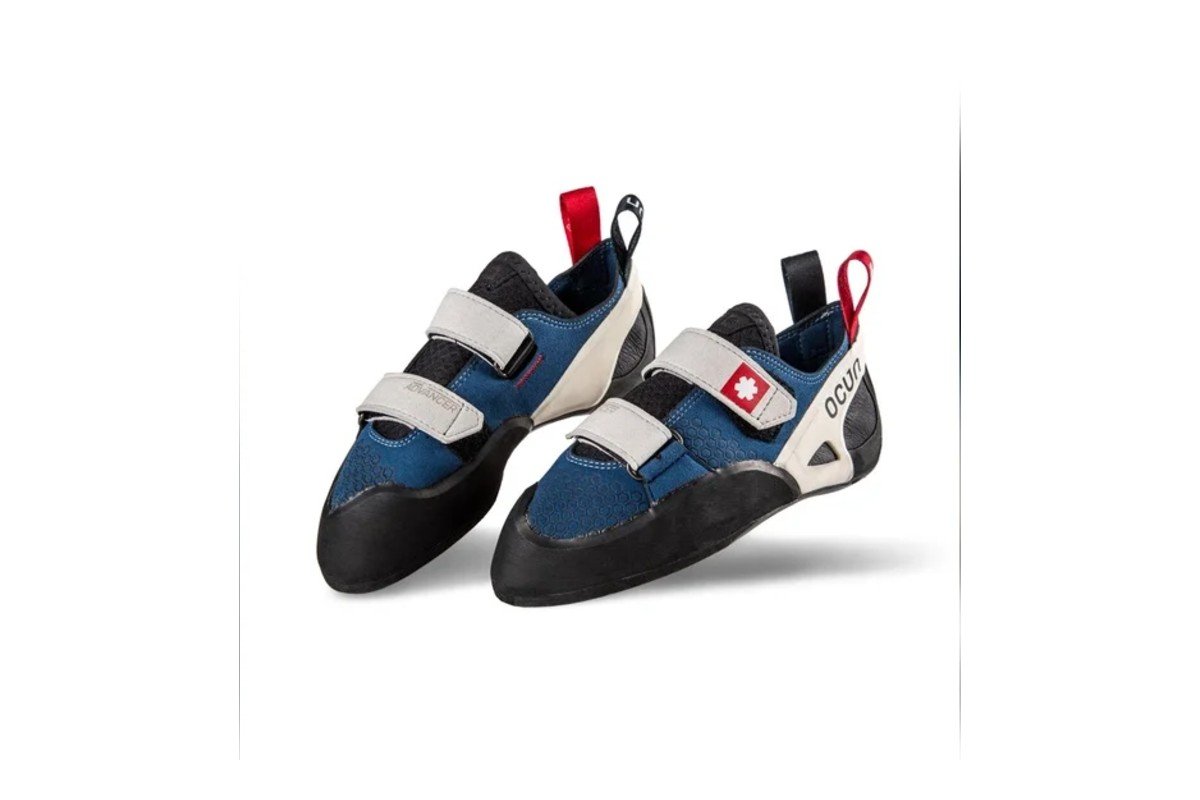
Velcro strap climbing shoes are footwear designed specifically for rock climbing, featuring Velcro hook-and-loop straps instead of laces or slip-on designs. The main purpose of Velcro straps is to allow climbers to tighten or loosen their shoes quickly, without the hassle of tying laces. This makes Velcro shoes popular for gym climbing, bouldering, and sport climbing—activities where climbers frequently remove and put on their shoes.
Key Features
- Quick Closure: Velcro straps allow for fast adjustment and removal.
- Secure Fit: Multiple straps can give a snug, customized fit.
- Versatility: Suitable for many climbing styles, from indoor to outdoor.
- Durability: Modern Velcro systems are strong and long-lasting.
Most Velcro shoes have two or three straps, which can be adjusted independently. This flexibility means climbers can fine-tune the fit for different foot shapes or climbing situations. Some shoes even use wide, overlapping straps for extra security, while others keep it simple with a single, sturdy strap.
Who Uses Them?
Velcro strap climbing shoes are popular with:
- Beginner climbers who value convenience
- Boulderers who remove shoes between attempts
- Sport climbers seeking fast transitions
- Indoor climbers who climb frequently and want easy adjustment
They are less common for long, multi-pitch routes or trad climbing, where climbers might prefer lace-up shoes for a more precise fit over hours of wear.
History And Evolution Of Velcro Strap Climbing Shoes
The journey of Velcro strap climbing shoes started in the late 1980s and early 1990s. Before Velcro, most climbing shoes used laces or slip-on designs. As climbing became more popular indoors and in bouldering competitions, the need for fast, easy closure grew.
Early Development
The first Velcro climbing shoes were simple. They had basic hook-and-loop straps that sometimes wore out quickly. But the convenience was clear: climbers could take their shoes off between climbs, reducing foot pain and extending shoe life.
Modern Improvements
Today’s Velcro shoes have better materials, stronger straps, and more ergonomic designs. Companies like La Sportiva, Scarpa, and Five Ten have developed models with multiple straps, more durable Velcro, and advanced rubber soles.
Advancements include:
- Stronger Velcro: Lasts longer, even after hundreds of uses.
- Ergonomic Strap Placement: Reduces pressure points and improves fit.
- Hybrid Designs: Combine Velcro with elastic or other closures for a unique fit.
Velcro shoes now make up a significant portion of climbing shoe sales, especially in gyms and among boulderers.
How Velcro Strap Climbing Shoes Work
The mechanism is straightforward: Velcro straps use a hook-and-loop system. When pressed together, the hooks catch the loops, forming a tight bond. To release, you simply pull the strap away.
Types Of Velcro Systems
- Single Strap: One wide strap, quick to use, but less customizable.
- Double Strap: Two straps allow better adjustment for the forefoot and midfoot.
- Triple Strap: Three straps offer the most precise fit, great for unusual foot shapes or high-performance shoes.
Each type has advantages. Single strap shoes are fastest to put on and take off. Double and triple strap designs give more control over tightness and support.
Strap Placement
Straps can be angled or straight. Angled straps often follow the natural shape of the foot, which can help prevent pressure points and improve comfort. Some shoes use overlapping straps for extra security.
Materials Used
Modern Velcro straps use synthetic materials for durability. The rest of the shoe may use leather, synthetic uppers, and specialized rubber for the sole. Higher-end shoes often use premium rubber like Vibram XS Grip or Stealth C4.
Advantages Of Velcro Strap Climbing Shoes
Velcro strap climbing shoes offer several important benefits:
- Speed and Convenience: You can take shoes on and off in seconds. This is ideal for bouldering sessions, gym climbing, or when your feet need a break between climbs.
- Customizable Fit: Multiple straps let you adjust tightness in different areas. If your toes feel cramped, you can loosen just the front strap.
- Versatility: Suitable for a wide range of climbing styles. They perform well for both indoor and outdoor climbs.
- Easy Maintenance: Velcro straps are simple to clean and care for. Unlike laces, they don’t fray easily.
- Durability: Modern Velcro is engineered to withstand frequent use. Some brands claim their Velcro lasts over 1,000 uses.
Two Non-obvious Insights
- Heat and humidity can affect Velcro performance. If you climb in hot, sweaty conditions, Velcro may lose grip faster unless you keep it clean and dry.
- Strap design impacts toe power. Shoes with angled or overlapping straps often provide better toe support, which is crucial for overhanging routes.
Disadvantages And Limitations
Even the best Velcro strap climbing shoes have drawbacks:
- Less Precision for Long Climbs: Velcro can’t match the micro-adjustments possible with laces. For multi-hour climbs, laces may offer better comfort.
- Velcro Wear Over Time: The hook-and-loop system can lose effectiveness if it gets dirty or if the hooks bend. This is less common with modern designs, but still possible.
- Potential for Accidental Opening: If the straps snag on rock or brush, they might open unexpectedly. This is rare but possible, especially on outdoor climbs.
- Fit Limitations: Some climbers with narrow or wide feet may struggle to get a perfect fit, depending on the strap design.
Common Mistakes
- Ignoring strap placement: Some beginners buy shoes without considering how the straps sit on their feet, leading to discomfort.
- Not cleaning Velcro: Dirt and debris can weaken the grip, but many climbers forget to clean their straps.
Velcro Vs Lace-up Vs Slip-on Climbing Shoes
Choosing between Velcro, lace-up, and slip-on shoes depends on your climbing style and needs. Here’s a comparison to help you decide:
| Feature | Velcro Strap | Lace-Up | Slip-On |
|---|---|---|---|
| Closure Speed | Very fast | Slow | Fast |
| Fit Precision | Good | Excellent | Moderate |
| Best For | Bouldering, gym | Trad, multi-pitch | Indoor, training |
| Durability | High | Highest | Medium |
| Price Range | $70–$200 | $80–$230 | $60–$180 |
Summary
Velcro shoes are ideal for short, intense climbs and frequent removal. Lace-ups excel for long climbs and precise fit. Slip-ons are good for training and warm-ups.
Choosing The Right Velcro Strap Climbing Shoes
Finding the best Velcro strap climbing shoes is about more than just picking a popular brand. You need to consider your climbing style, foot shape, and budget.
Key Factors
- Fit: The most important aspect. Climbing shoes should be snug, but not painfully tight. Velcro straps let you adjust the fit, but try shoes before buying.
- Closure System: Decide how many straps you need. More straps give more adjustment, but can take longer to use.
- Sole Material: Rubber quality affects grip and durability. For steep routes, look for sticky rubber like Vibram XS Grip.
- Uppers Material: Leather stretches over time, while synthetic stays more consistent. Choose based on your preference.
- Toe Shape: Pointed shoes help with small holds, but can be uncomfortable. Rounded toes are better for comfort.
- Price: Velcro shoes range from $70 for entry-level models to $200 for high-end ones.
Comparison Table: Popular Velcro Shoes
Here’s a look at three popular Velcro strap climbing shoes:
| Model | Straps | Upper Material | Sole Rubber | Best For | Price (USD) |
|---|---|---|---|---|---|
| La Sportiva Solution | 2 | Synthetic | Vibram XS Grip | Bouldering, sport | $185 |
| Scarpa Vapor V | 2 | Leather/Synthetic | Vibram XS Edge | All-around | $179 |
| Five Ten Anasazi VCS | 2 | Synthetic | Stealth C4 | Sport, gym | $150 |
Two Non-obvious Insights
- Try shoes at the end of the day. Feet swell after hours of activity, so testing shoes when your feet are largest can help ensure comfort.
- Heel fit matters as much as toe fit. A loose heel can cause slippage and reduce power, especially on overhangs.
Tips For Buying
- Check return policies: If shopping online, make sure you can return or exchange shoes.
- Break-in period: New shoes often need a week or two to soften.
- Ask for expert advice: Staff at climbing shops can help match shoes to your foot shape and climbing goals.
Velcro Strap Shoes For Different Climbing Styles
Not every Velcro shoe suits every climb. Here’s how to match shoes to climbing types:
Bouldering
Velcro shoes are perfect for bouldering. Climbers often remove shoes between attempts, so fast closure is valuable. Look for aggressive shoes with pointed toes and sticky rubber.
Sport Climbing
Sport climbers also favor Velcro shoes for quick transitions. Shoes with moderate downturn and solid heel support work well.
Indoor Climbing
Most gym climbers use Velcro shoes. Comfort is key. Choose shoes with a relaxed fit and durable rubber.
Trad And Multi-pitch
Velcro shoes are less common here. Long climbs require shoes you can adjust precisely and wear for hours. Lace-ups usually win, but some advanced Velcro models with padded tongues can work.
Care And Maintenance Of Velcro Strap Climbing Shoes
Proper care can extend the life of your Velcro strap climbing shoes:
Cleaning Velcro Straps
- Remove dirt and debris: Use a toothbrush to clean hooks and loops.
- Wash gently: If straps are dirty, wash with mild soap and water. Let them air dry.
- Avoid heat: High temperatures can melt or warp Velcro.
Shoe Care
- Air out after use: Prevent odor and bacteria by letting shoes dry.
- Store properly: Keep shoes out of direct sunlight and away from moisture.
- Resole when needed: High-end shoes can be resoled once the rubber wears out.
Common Mistakes
- Ignoring strap maintenance: Dirty Velcro loses grip faster.
- Storing shoes wet: This leads to odor and material breakdown.
How Velcro Strap Climbing Shoes Impact Performance
The right Velcro shoes can boost your climbing performance:
- Faster transitions: Less time spent adjusting shoes means more climbing.
- Better toe power: Aggressive Velcro shoes help with small footholds.
- Adaptable fit: Adjust straps for different routes or training sessions.
In competitions, many climbers use Velcro shoes to switch quickly between climbs. For bouldering, fast on-off means more attempts with less pain.
Two Non-obvious Insights
- Velcro shoes allow micro-adjustments mid-session. If your feet swell, you can loosen straps without removing shoes.
- Strap overlap can increase pressure on the instep. Watch for discomfort if straps cross too much.
Sizing And Fit: Avoiding Common Pitfalls
Sizing is crucial for climbing shoes. Velcro models are easier to adjust, but they still require careful fit:
How To Size Velcro Shoes
- Snug but not painful: Toes should touch the end, but not curl painfully.
- Try with socks and barefoot: Some shoes are designed for barefoot use, others for thin socks.
- Check heel fit: No gaps or slippage.
Fit Pitfalls
- Buying too large: Loose shoes reduce power and grip.
- Ignoring strap adjustment: Straps can help compensate for minor fit issues, but not major ones.
Two Non-obvious Insights
- Foot width matters: Some Velcro shoes are narrow, others wide. Try multiple brands.
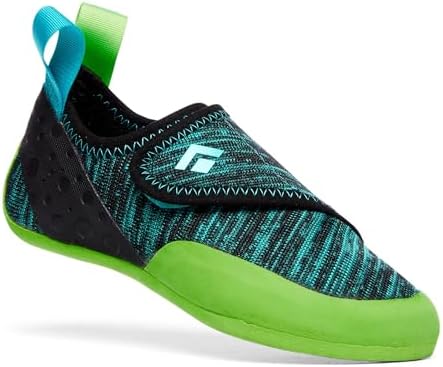
- Children’s shoes: Kids’ climbing shoes often use Velcro for ease, but sizing should allow for growth.
Price And Value: Are Velcro Strap Shoes Worth It?
Velcro strap climbing shoes range from affordable to high-end. Here’s how price affects value:
| Price Range | Typical Features | Target Audience |
|---|---|---|
| $70–$120 | Basic Velcro, entry-level rubber | Beginners, gym climbers |
| $120–$180 | Better fit, advanced rubber | Intermediate, all-around |
| $180–$230 | High-performance, aggressive toe, premium materials | Experts, boulderers |
Value Tips
- Entry-level shoes: Good for learning, but may wear out faster.
- Mid-range: Balance of comfort and performance.
- High-end: Worth it if you climb frequently or compete.
Non-obvious Insight
- Resoling can extend shoe life. Even expensive shoes can be resoled for less than half the price of new ones.
Environmental Impact And Sustainability
Climbing shoes are made from synthetic and natural materials. Some brands now offer eco-friendly options:
- Recycled materials: Some shoes use recycled rubber or synthetic uppers.
- Sustainable manufacturing: Brands like Scarpa focus on lower-impact production.
- Longevity: Durable shoes reduce waste, as fewer pairs are thrown away.
Practical Tip
- Choose shoes designed for resoling: This reduces environmental impact.
Popular Velcro Strap Climbing Shoe Brands
Several brands stand out in the Velcro climbing shoe market:
- La Sportiva: Known for high-performance models like Solution and Skwama.
- Scarpa: Offers versatile shoes like Vapor V and Drago.
- Five Ten: Popular for gym and sport climbing, especially Anasazi VCS.
- Mad Rock: Affordable and innovative models for beginners and intermediate climbers.
- Evolv: Focus on comfort and performance, used by many pros.
Each brand offers unique features, so trying shoes from different companies can help you find the best fit.
Real-world Examples And Statistics
- La Sportiva Solution is one of the most popular Velcro shoes for bouldering, used by over 30% of competitors in major events (IFSC data).
- Five Ten Anasazi VCS is a favorite for gym climbing, with sales rising 15% yearly since 2018.
- Scarpa Vapor V is chosen by many all-around climbers, praised for its blend of comfort and performance.
A 2026 survey of climbing gyms found that 65% of rental shoes are Velcro, due to easy cleaning and fast adjustment.
Common Beginner Mistakes And How To Avoid Them
- Buying shoes too loose: Tight shoes are needed for performance, but many beginners choose comfort over fit.
- Ignoring strap placement: Not all Velcro designs suit every foot shape.
- Forgetting to clean straps: Dirty Velcro loses effectiveness.
- Choosing based on color: Style matters, but performance and fit are more important.
- Not testing shoes on actual climbs: Try shoes in the gym, not just at home.
Frequently Asked Questions
What Are The Main Benefits Of Velcro Strap Climbing Shoes?
The main benefits are speed, convenience, and a customizable fit. Velcro straps allow you to put on and take off shoes quickly, which is ideal for bouldering and gym climbing. Multiple straps help you adjust tightness for different parts of your foot.
Are Velcro Climbing Shoes Suitable For Outdoor Climbing?
Yes, Velcro shoes work well for outdoor climbing, especially sport and bouldering. For long, multi-pitch climbs, lace-up shoes may be better due to their precise fit and ability to stay tight over hours.
How Long Does Velcro Usually Last On Climbing Shoes?
Modern Velcro systems last a long time, often over 1,000 uses if kept clean. However, dirt, moisture, and repeated bending can reduce lifespan. Cleaning and storing shoes properly will help Velcro last longer.
Can I Resole Velcro Strap Climbing Shoes?
Yes, most Velcro climbing shoes can be resoled once the rubber wears out. Resoling is cheaper than buying new shoes and helps reduce environmental impact.
How Do I Clean Velcro Straps On Climbing Shoes?
Use a toothbrush to remove dirt, then wash gently with mild soap and water. Avoid excessive heat and let the straps air dry. Regular cleaning helps Velcro keep its grip and extends shoe life.
Closing Thoughts
Velcro strap climbing shoes have changed the way climbers approach their sport. Their quick closure, adjustable fit, and durability make them a favorite for indoor climbers, boulderers, and anyone who values convenience. With many brands, models, and strap designs to choose from, finding the right pair involves understanding your needs, trying shoes for fit, and caring for them properly.
Remember that even the best Velcro shoes need attention—keep the straps clean, choose the right size, and match shoes to your climbing style. If you want more details about climbing shoe technology, visit Wikipedia for a thorough overview.
Whether you’re just starting or looking to upgrade, Velcro strap climbing shoes offer a blend of performance and practicality that’s hard to beat. With the right pair, you’ll climb stronger, faster, and with more comfort than ever before.