
Figure Eight Descender: Essential Tips for Safe Climbing
The figure eight descender is a simple yet powerful tool that has played a vital role in climbing, rescue operations, caving, and many other rope-based activities for decades. Its distinctive shape is easy to recognize, and its function is trusted by both professionals and hobbyists around the world. But while it might look basic, using and choosing a figure eight descender requires knowledge, skill, and attention to detail. Small mistakes can have big consequences, so understanding how this device works—and how to use it safely—is essential for anyone who works with ropes.
In this article, you’ll discover what a figure eight descender is, how it works, its main uses, advantages and disadvantages, and how it compares to other belay and rappel devices. You’ll also find practical tips for selecting, maintaining, and using a figure eight descender properly.
If you’re new to ropework, or even if you’ve used descenders before, you’ll pick up insights that can make a real difference in your safety and efficiency.
Key Takeaways
- What Is A Figure Eight Descender?
- How Does A Figure Eight Descender Work?
- Main Uses Of The Figure Eight Descender
- Types Of Figure Eight Descenders
- Advantages Of The Figure Eight Descender
- Disadvantages And Limitations
On this page
- What Is A Figure Eight Descender?
- How Does A Figure Eight Descender Work?
- Main Uses Of The Figure Eight Descender
- Types Of Figure Eight Descenders
- Advantages Of The Figure Eight Descender
- Disadvantages And Limitations
- Figure Eight Descender Vs. Other Descenders
- How To Use A Figure Eight Descender Properly
- How To Choose A Figure Eight Descender
- Maintenance And Care
- Figure Eight Descender In Rescue And Industrial Work
- Figure Eight Descender In Caving And Canyoneering
- Figure Eight Descender For Beginners
- Frequently Asked Questions
Recommended Products for Figure Eight Descenders




What Is A Figure Eight Descender?
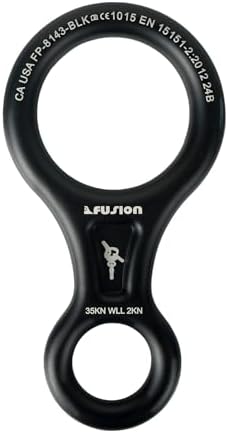
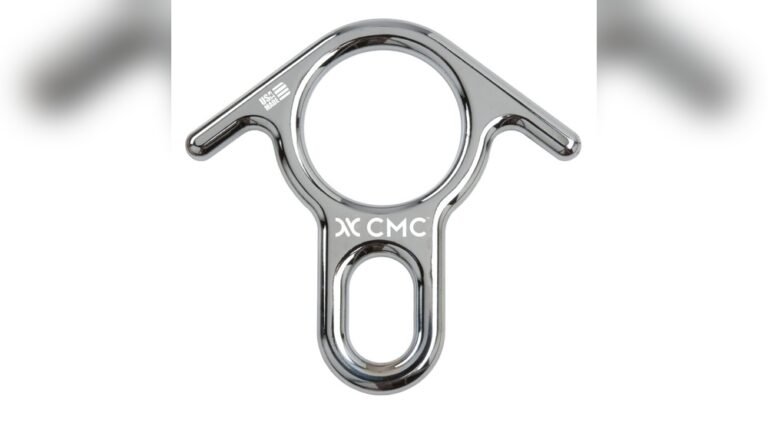
A figure eight descender is a metal device shaped like the number “8” with one large hole and one smaller hole. It’s designed to control the descent on a rope by creating friction. The rope is threaded through both holes, and as weight is applied, the friction between the rope and the metal slows the descent, making it safer and more controlled.
Most figure eight descenders are made from aluminum alloy or stainless steel. These materials offer a strong balance of light weight and durability. The device is compact, usually fitting easily in one hand, and is often part of the standard kit for climbers and rescuers.
The Basic Design
- Large hole: For threading the rope and attaching to the harness.
- Small hole: Sometimes used for different rigging methods or to increase friction.
- Neck: The narrow part between the holes, where the rope bends sharply.
- Material: Typically anodized to resist corrosion and wear.
How Does A Figure Eight Descender Work?
The working principle of the figure eight descender is based on friction control. When you thread the rope through the device and connect it to your harness (usually with a locking carabiner), the rope passes around the wide part of the “8” and then around the neck. As you put weight on the rope, the friction from the bends in the rope slows your descent. You can control your speed by how tightly you grip the rope below the device.
This system is simple but very effective. By changing the way the rope is threaded, or by adjusting the angle of the device, you can increase or decrease friction as needed. For example, doubling the rope through the descender (using two strands) creates more friction, which is useful for heavier loads or for beginners.
The Physics Of Friction
- Bend radius: The sharp bends in the rope increase friction, especially at the neck.
- Rope material: Thicker or rougher ropes create more friction.
- Angle: The steeper the descent, the more control is required.
- Heat: Friction generates heat, which can be a concern on long rappels.
Main Uses Of The Figure Eight Descender
The figure eight descender is highly versatile. Here are its primary applications:
- Rappelling: The most common use, allowing a controlled descent down a rope. It’s popular in climbing, caving, and rescue operations.
- Belaying: In some cases, especially in rescue or industrial settings, the device can be used for belaying a partner.
- Rescue lowering: Used to lower rescuers or victims in technical rescue situations.
- Rope work in caving: Useful for descending long, vertical cave shafts.
- Canyon exploration: Its ability to handle wet, muddy ropes makes it a favorite in canyoneering.
Specialized Applications
Some advanced users employ the figure eight descender for twin rope techniques (using two ropes at once) or for controlled lowering of heavy loads in rigging and industrial contexts.
Types Of Figure Eight Descenders
Though the classic figure eight shape is common, there are several variations designed for different uses and rope sizes.
| Type | Key Features | Best For |
|---|---|---|
| Standard Figure Eight | Simple “8” shape, basic friction | General climbing, caving |
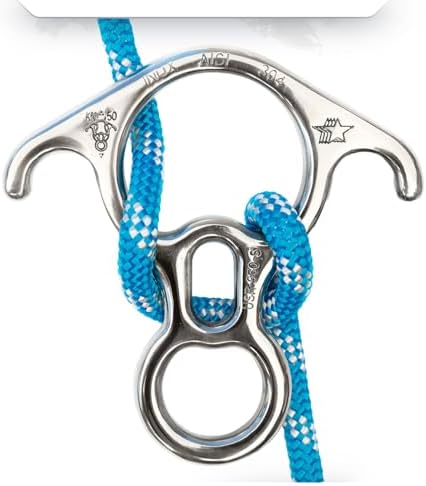
| Figure Eight with Ears | Two small “ears” on the sides to prevent rope lock | Rescue, canyoneering |
| Large Figure Eight | Bigger holes for thicker ropes, higher friction | Industrial, rescue, heavy loads |
| Mini Figure Eight | Small, light, for thin ropes or personal gear | Lightweight climbing, backup device |
Choosing The Right Type
- Standard: Good for most recreational climbing and caving.
- With ears: Adds safety for rescue, avoids “lark’s foot” rope lock.
- Large: For thick ropes or heavy loads.
- Mini: Emergency or lightweight use.
Advantages Of The Figure Eight Descender
The figure eight descender remains a favorite for several strong reasons:
- Simplicity: Few moving parts, easy to inspect for damage.
- Reliability: Less likely to jam compared to more complex devices.
- Versatility: Works with a wide range of rope diameters and types.
- Controlled friction: User can adjust the descent speed.
- Affordable: Lower cost than many advanced descenders.
- Easy to clean: Simple shape means dirt and mud are less of a problem.
Non-obvious Benefits
- Easy to use with gloves: Large holes and simple threading are ideal for cold or muddy conditions.
- Training tool: Its simplicity helps new climbers learn the basics of rope friction and control.
Disadvantages And Limitations
Despite its strengths, the figure eight descender has some drawbacks:
- Rope twisting: The rope can twist and kink, especially on long descents.
- No auto-stop: Unlike some belay devices, it does not lock automatically if the user lets go.
- Heat buildup: Friction creates heat, which can damage the rope during long or fast rappels.
- Less efficient for belaying: Not as safe or convenient as modern belay devices for catching falls.
- Potential for rope lock: If not used correctly, the rope can jam in the device.
Non-obvious Risks
- Rope compatibility: Using ropes that are too thin can reduce friction and control, while ropes that are too thick can jam.
- Edge abrasion: If the device contacts rock edges, it can wear down faster than expected.
Figure Eight Descender Vs. Other Descenders
The climbing and rescue world offers many descenders, each with its strengths. How does the figure eight compare to the most common alternatives?
| Device | Friction Control | Auto-Lock | Rope Compatibility | Weight |
|---|---|---|---|---|
| Figure Eight | Manual, adjustable | No | Wide range | Light |
| ATC/Tuber | Good, less twist | No | Medium to thick | Very light |
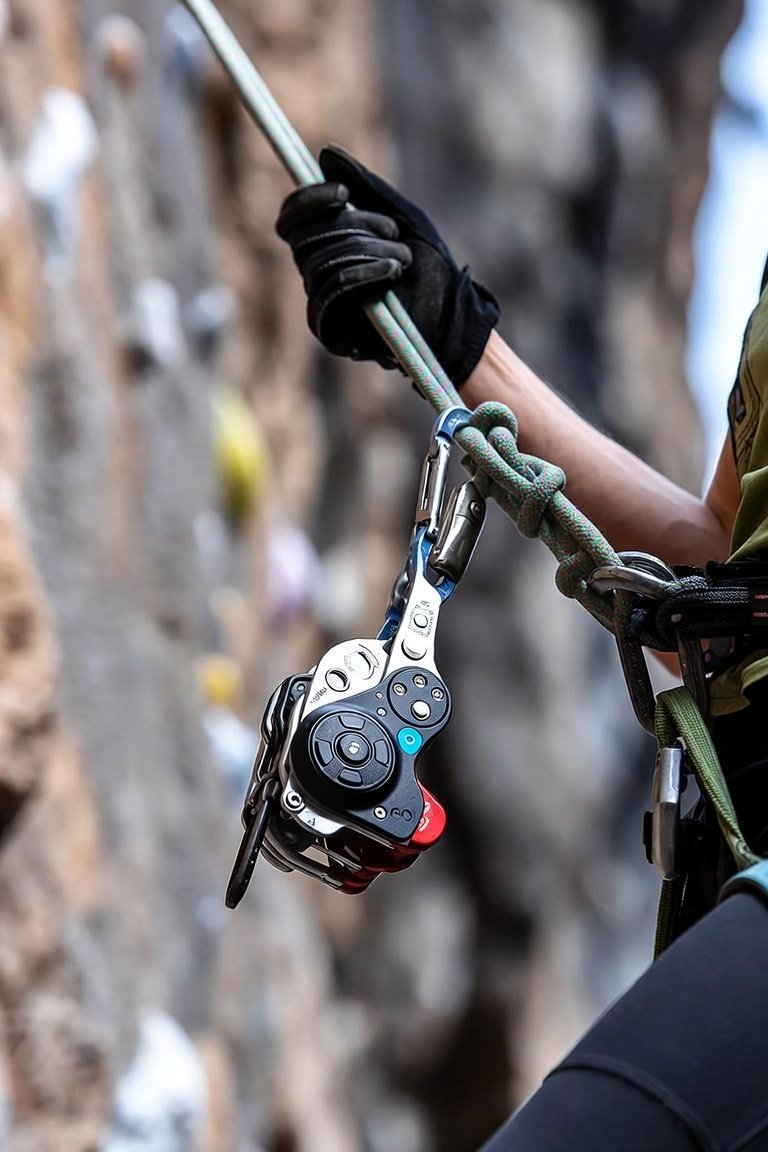
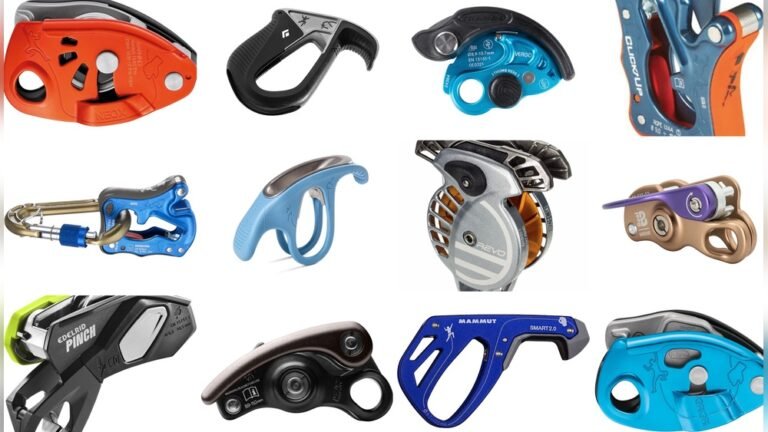
| Auto-Locking Descender | Excellent, variable | Yes | Specific sizes | Heavier |
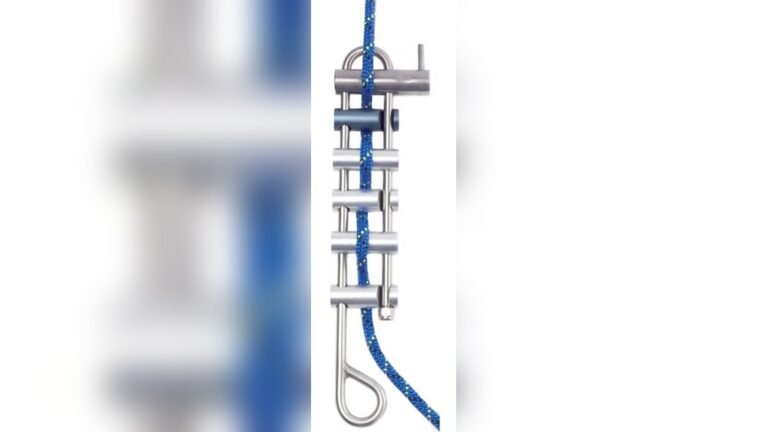
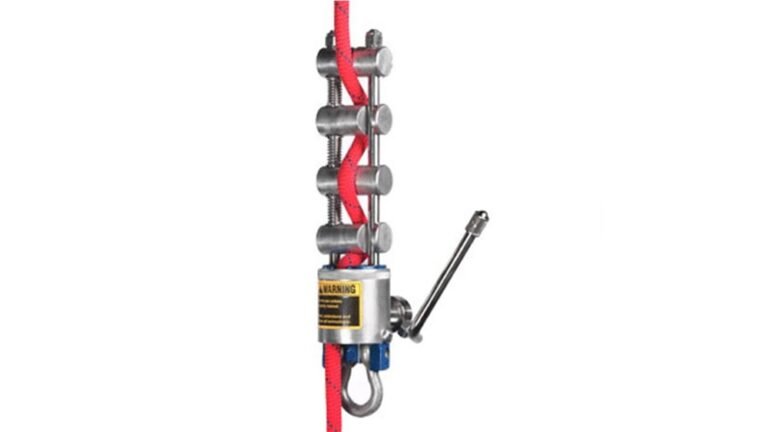
| Rack Descender | Adjustable, for long descents | No | Thick ropes | Heavy |
Key Takeaways
- Figure eight descenders are unmatched for simplicity and versatility.
- Auto-locking devices are safer for beginners but more expensive and complex.
- Rack descenders are better for long, heavy-duty rappels.
- ATC/tuber devices are lighter and twist ropes less, but are less versatile on rope size.
How To Use A Figure Eight Descender Properly
Using a figure eight descender safely is all about threading, controlling, and managing the rope. Here are the main steps:
- Inspect the device and rope: Check for cracks, sharp edges, or excessive wear. Make sure the rope is clean and in good condition.
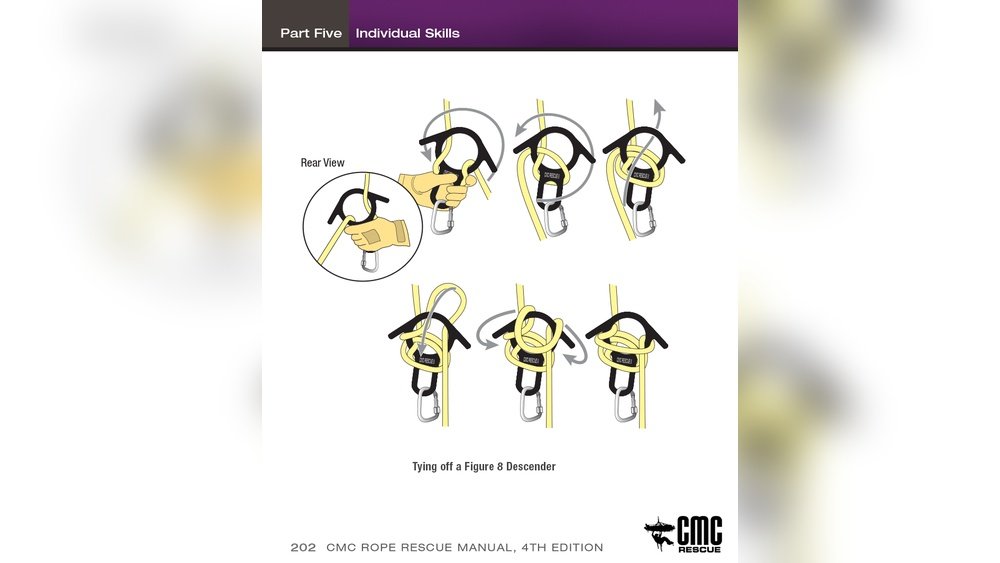
- Thread the rope: Pass the rope through the large hole, then loop it around the neck and back through the small hole.
- Attach to harness: Use a locking carabiner to connect the descender to your belay loop or harness attachment point.
- Hold the brake strand: Always keep a firm grip on the rope below the device. This is your “brake hand.”
- Control your descent: Let the rope slide slowly through your hand to descend. Never let go of the brake strand.
- Add friction if needed: For heavier loads or faster descents, wrap the rope an extra turn around the small hole or the “ears” if present.
Practical Tips
- Practice at ground level first to get a feel for the friction and speed.
- Keep your brake hand low and behind you for maximum control.
- Avoid fast, jerky movements—they can cause loss of control or rope burn.
- Watch for rope twist and untwist as needed during descent.
Common Mistakes To Avoid
- Letting go of the brake hand, even for a moment.
- Using a descender with sharp edges or cracks.
- Rappelling with a rope that is too thin or too thick for the device.
- Failing to lock the carabiner properly.
How To Choose A Figure Eight Descender
When buying a figure eight descender, consider these factors:
- Material: Aluminum is lighter, steel is more durable.
- Size: Match the device to your rope diameter and your main activity.
- Shape: Ears prevent rope lock, standard is lighter.
- Weight: For alpine or multi-pitch climbs, every ounce matters.
- Certification: Look for UIAA or CE certification for climbing safety.
Comparison Of Popular Figure Eight Descenders
Here’s a look at some leading models and their specs:
| Model | Weight (g) | Rope Range (mm) | Material | Special Feature |
|---|---|---|---|---|
| Petzl Huit | 100 | 8-13 | Aluminum | Slim, no ears |
| Black Diamond Super 8 | 87 | 8.1-11 | Aluminum | Lightweight, smooth |
| CAMP Figure 8 with Ears | 135 | 8-12 | Aluminum | Ears for safety |
| Kong Big 8 | 240 | 9-16 | Aluminum | Large, for rescue |
Non-obvious Buying Tips
- Check your rope diameter before buying. Some figure eights don’t work well with very thin ropes.
- Look for anodized finishes if you climb in wet or sandy environments—these resist corrosion and wear.
Maintenance And Care
A figure eight descender is tough, but it still needs care to stay safe:
- Inspect before every use: Look for sharp edges, cracks, or deep grooves.
- Clean after use: Wash off dirt, sand, and moisture, especially after caving or canyoneering.
- Dry thoroughly: Avoid storing when wet to prevent corrosion.
- Avoid dropping: Hard impacts can create hidden cracks.
- Retire when worn: If the device develops sharp edges or grooves deeper than 1 mm, replace it.
Storage Tips
- Store in a cool, dry place away from chemicals or direct sunlight.
- Keep away from battery acid or solvents, which can damage the metal.
Figure Eight Descender In Rescue And Industrial Work
Beyond climbing, the figure eight descender is essential in rescue and rope access jobs. Its ability to handle heavy loads, manage variable rope diameters, and work in dirty or wet conditions makes it a preferred tool in firefighting, high-angle rescue, and industrial rope access.
Example: Technical Rope Rescue
In a high-angle rescue, a rescuer may need to lower themselves or a victim down a cliff or building. The figure eight descender provides reliable friction, even with heavier rescue ropes (typically 11-13 mm). Models with “ears” are favored because they reduce the risk of rope lock during complex maneuvers.
Industrial Rope Access
Workers who inspect bridges, towers, or wind turbines often use figure eight descenders for controlled descent. They value the device’s simplicity, which reduces the risk of malfunction in dirty or icy environments.
Figure Eight Descender In Caving And Canyoneering
Caving and canyoneering present unique challenges: wet, muddy, and abrasive environments. The figure eight descender excels here because it’s easy to clean and doesn’t jam with mud or sand as easily as more complex devices.
- Caving: Descenders with large holes handle thick, muddy ropes well.
- Canyoneering: Devices with “ears” or extra friction modes help control speed on wet ropes.
Practical Tip
Always carry a small brush or cloth to wipe mud off the device before threading the rope. This prevents dangerous slippage or unexpected friction changes.
Figure Eight Descender For Beginners
If you’re just starting out with rappelling or ropework, the figure eight descender is a great learning tool. It teaches you the basics of friction, control, and rope handling. However, always practice with supervision and never rappel alone until you’re confident in your technique.
Two Key Lessons Beginners Often Miss
- Hand position matters more than strength: The angle and position of your brake hand have a bigger effect on your descent than how hard you squeeze.
- Friction changes fast: Wet, icy, or dirty ropes can change how the device performs. Always test friction before committing to a long descent.
Frequently Asked Questions
What Is The Main Difference Between A Figure Eight Descender And An Atc?
A figure eight descender creates more friction and can handle a wider range of rope diameters, but it is more likely to twist the rope. An ATC (Air Traffic Controller) is lighter, creates less rope twist, and is often preferred for belaying in sport climbing, but it doesn’t work as well with very thick or muddy ropes.
Is It Safe To Use A Figure Eight Descender For Belaying?
While you can belay with a figure eight descender, it’s not recommended for catching falls in sport or trad climbing because it lacks an auto-locking feature. It’s safer for controlled lowering or rescue situations, but most climbers use specialized belay devices for catching dynamic falls.
How Do I Prevent Rope Twist When Using A Figure Eight Descender?
To reduce rope twist, thread the rope carefully and avoid fast, spinning descents. Using a device with “ears” helps, as does unweighting and untwisting the rope every so often during long rappels.
When Should I Retire My Figure Eight Descender?
Replace your descender if you see sharp edges, deep grooves (over 1 mm), cracks, or any deformation. Also, retire it after any major fall or impact, as hidden damage can make it unsafe.
Can A Figure Eight Descender Be Used With Twin Or Double Ropes?
Yes, one of the benefits of the figure eight is its ability to handle twin or double ropes. Thread both ropes through the device as you would a single rope, but make sure your device is rated for the combined diameter. Test friction before starting your descent.
The figure eight descender remains a trusted, versatile tool for climbers, rescuers, cavers, and industrial rope workers. Its simple design hides a world of technique and safety considerations. With proper use, maintenance, and selection, the figure eight can serve you reliably in many challenging environments. For more technical details and standards, you can check the Wikipedia page on figure eight descenders.
Whether you’re a beginner learning the basics or a professional handling complex rescues, understanding the strengths and limits of your figure eight descender will make your ropework safer and more efficient. Respect the device, train with it, and it will become one of your most valuable tools on the rope.

One Comment