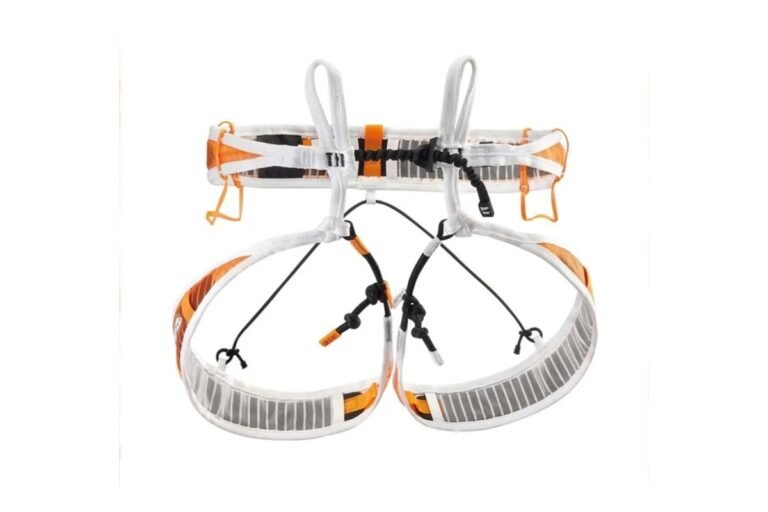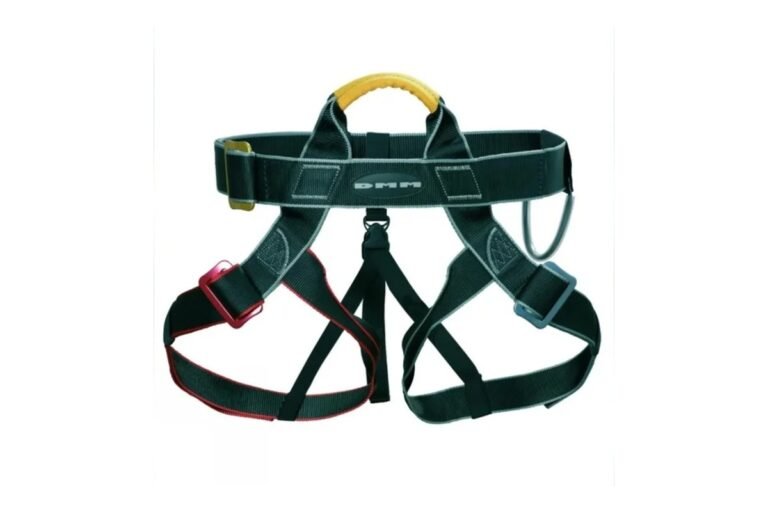
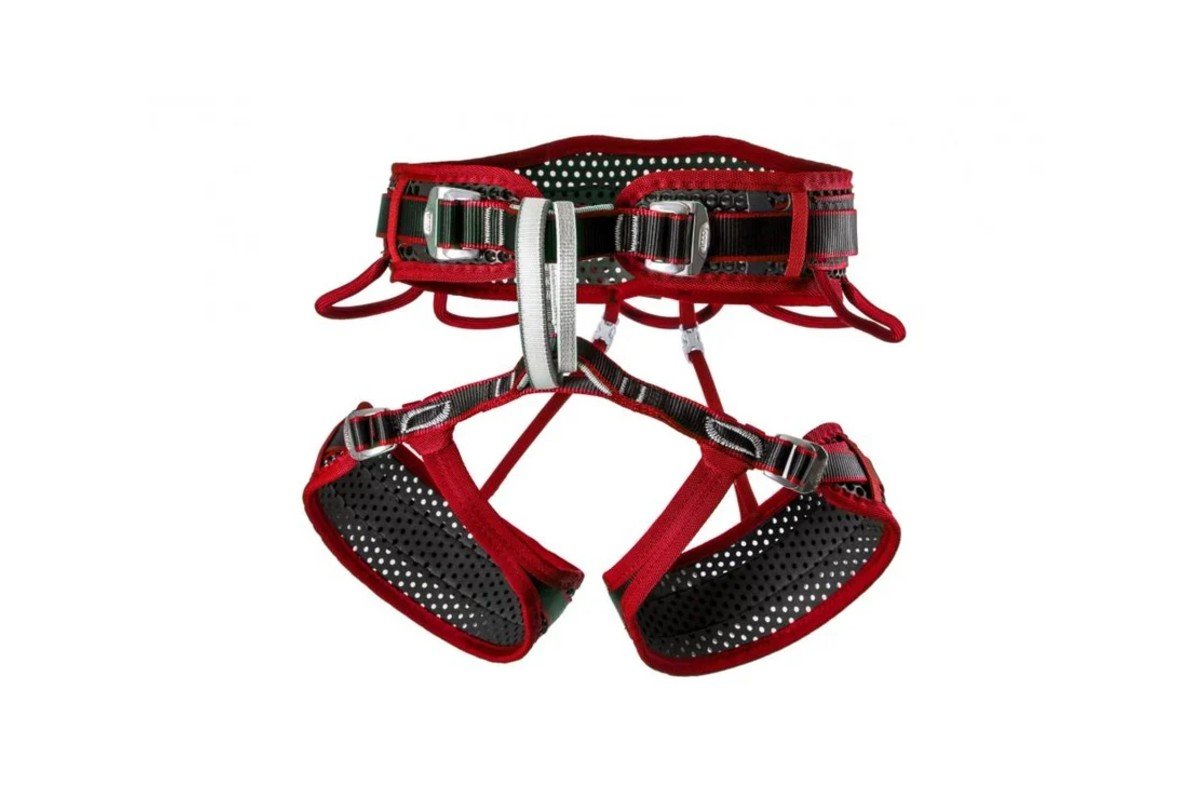
Big Wall Harness: Essential Features for Ultimate Climbing Safety
Key Takeaways
- What Is A Big Wall Harness?
- Key Features Of A Big Wall Harness
- Why Is A Big Wall Harness Necessary?
- Types Of Big Wall Harnesses
- How To Choose The Right Big Wall Harness
- Top Big Wall Harness Models
On this page
- What Is A Big Wall Harness?
- Key Features Of A Big Wall Harness
- Why Is A Big Wall Harness Necessary?
- Types Of Big Wall Harnesses
- How To Choose The Right Big Wall Harness
- Top Big Wall Harness Models
- How To Use A Big Wall Harness Effectively
- Caring For Your Big Wall Harness
- Comparing Big Wall Harnesses To Other Climbing Harnesses
- Common Mistakes With Big Wall Harnesses
- Advanced Tips For Big Wall Harness Comfort
- How To Tell When To Retire A Big Wall Harness
- Non-obvious Insights For Big Wall Harness Users
- Real-world Examples: Big Wall Harness Use
- Big Wall Harnesses For Aid Vs. Free Climbing
- Big Wall Harness Innovations
- Sustainability And Big Wall Harnesses
- Big Wall Harness Accessories
- Training With A Big Wall Harness
- Where To Buy A Big Wall Harness
- Frequently Asked Questions
Recommended Products for Big Wall Harnesses
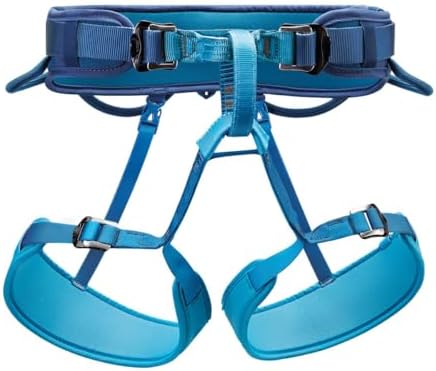

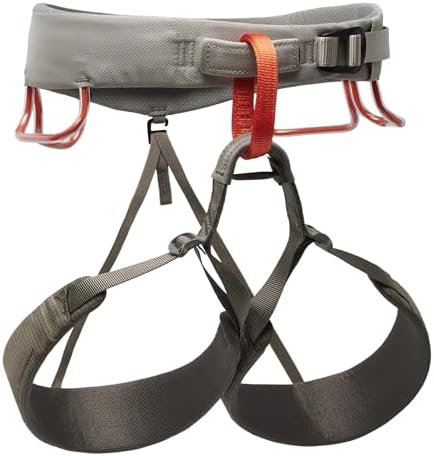
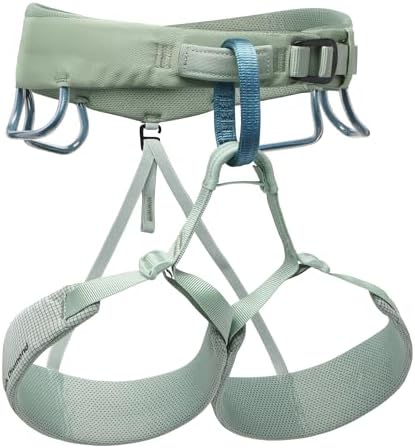
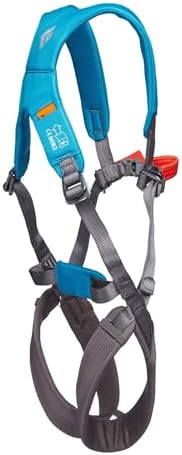


Big Wall Harness: The Complete Guide For Serious Climbers
Hanging high above the ground, hours or even days into a climb, your harness is not just gear—it is your lifeline. The demands of big wall climbing are unlike any other style. Here, comfort, durability, and functionality are not luxuries; they are necessities. This article explores every aspect of the big wall harness, from what makes it unique to how to choose, use, and care for one, including expert tips and answers to questions most climbers overlook.
What Is A Big Wall Harness?
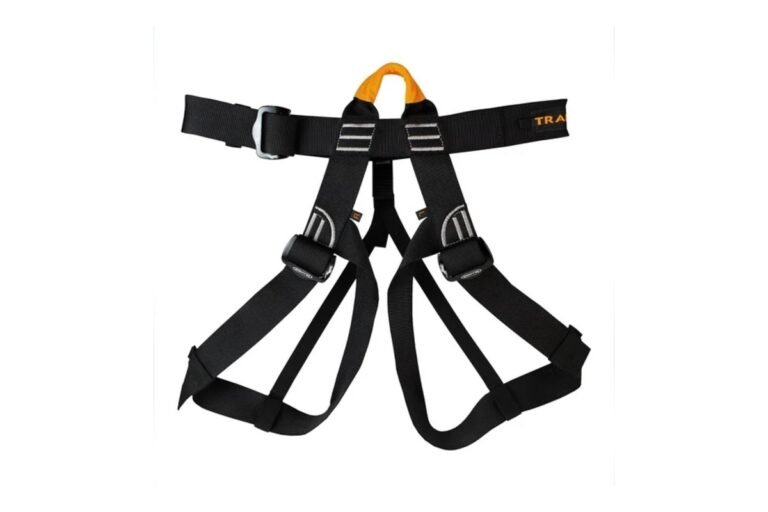
A big wall harness is a specialized climbing harness designed for long, multi-pitch routes that may require climbers to spend hours—sometimes days—suspended. Unlike standard sport climbing harnesses, these models prioritize all-day comfort, extra gear capacity, and durability. On big walls, you may haul heavy loads, sleep in your harness, and perform complex rope work. The right harness can mean the difference between success and misery.
Key Features Of A Big Wall Harness
Not all climbing harnesses are created equal. Here’s what sets big wall harnesses apart:
Extra Padding
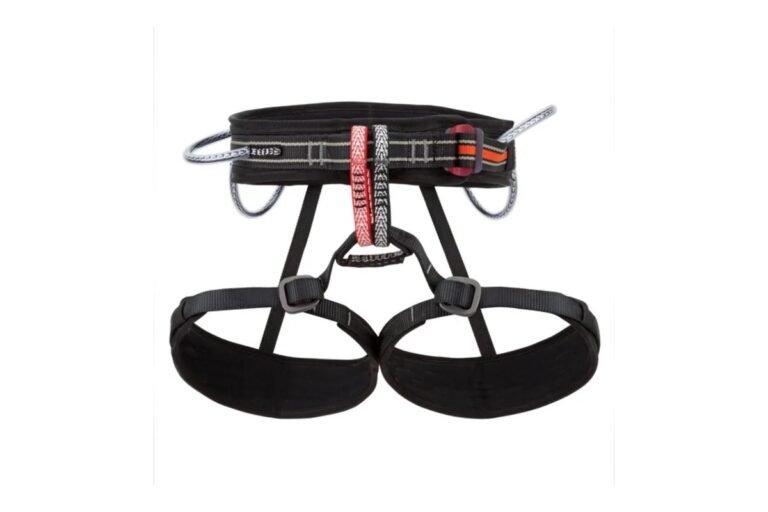
Comfort is critical. Big wall harnesses come with thick padding on the waistbelt and leg loops to distribute pressure. Standard harnesses may feel fine for short climbs, but hours of hanging in a thin belt can cut circulation and cause numbness.
Multiple Gear Loops
Gear organization is a big deal on big walls. These harnesses typically have four to six gear loops, sometimes more, to hold cams, nuts, quickdraws, and belay devices. Some even have dedicated slots for a hammer or tag lines.
Haul Loops
A haul loop is a reinforced loop at the back for attaching a haul line or tag line. On big walls, it must be strong enough to handle the weight of a haul bag (not just a chalk bag).
Adjustable Buckles
Leg loops and waist belts usually have double-back buckles for precise adjustments. This is important for layering clothing or adjusting for comfort when hanging.
Drop Seat Buckle
On a multi-day climb, bathroom breaks are inevitable. A drop seat buckle (or “rear riser”) lets you quickly lower the back of the harness without taking it off.
Durable Materials
Big wall harnesses are built to last. They use abrasion-resistant fabrics and reinforced stitching to survive scraping against granite and heavy loads.
Weight Distribution
These harnesses are designed to distribute weight evenly between the waist and legs. This reduces pressure points during long hangs.
Why Is A Big Wall Harness Necessary?
The physical and mental demands of big wall climbing are extreme. Imagine spending 12+ hours climbing, belaying, and jumaring (ascending ropes) each day. A harness that pinches, digs, or rubs can cause pain, bruising, and even nerve damage.
A big wall harness is designed to:
- Prevent circulation problems: Wide padding spreads out the force.
- Reduce fatigue: Ergonomic designs lower muscle strain.
- Keep gear organized: Multiple gear loops minimize cluster.
- Survive harsh conditions: Reinforced points withstand sharp rock and heavy hauling.
Standard harnesses, even comfortable ones, rarely meet all these needs for extended climbs.
Types Of Big Wall Harnesses
While all big wall harnesses aim for comfort and durability, there are several styles to consider:
Traditional Big Wall Harness
This is the classic type: heavily padded, wide waistbelt, six or more gear loops, and robust haul loop. It’s heavier but offers the best comfort for long missions.
Lightweight Big Wall Harness
Some climbers prefer lighter harnesses for speed ascents or shorter walls. These have less padding but retain multiple gear loops and a haul loop.
Alpine/expedition Harness
For cold-weather or alpine big walls, these harnesses are compatible with bulky clothing. They have adjustable leg loops and waist belts to fit over layers.
Women’s-specific Big Wall Harness
Some brands offer harnesses shaped for women’s bodies, with different waist-to-leg loop proportions and rise lengths.
How To Choose The Right Big Wall Harness
Picking a big wall harness is not just about brand or price. Here’s a step-by-step guide to making the right choice.
1. Assess Comfort
Try on harnesses with your full climbing clothing. Hang in them for at least 10 minutes if possible. Look for:
- Wide, plush padding
- Even pressure on waist and legs
- No pinching or rubbing at the hips or thighs
2. Check Gear Storage
Count your typical rack for a big wall. Do you need six gear loops or more? Are they stiff enough to prevent sagging under heavy racks? Some harnesses have ice clipper slots or hammer holsters—these can be a plus for aid routes.
3. Evaluate Adjustability
Double-back buckles on waist and legs allow you to fine-tune the fit. If you’ll be wearing layers, make sure the harness can expand. Adjustable leg loops are essential for some body types.
4. Inspect Haul Loop Strength
Some harnesses have a haul loop rated only for a chalk bag. On a big wall, you want a full-strength haul loop (usually 12–15 kN).
5. Look For A Drop Seat
A drop seat or rear riser buckle is a must for multi-day climbs. Check how easy it is to operate with gloves.
6. Assess Durability
Look at the materials and stitching. Reinforced tie-in points and thick nylon webbing last longer on abrasive rock.
7. Consider Weight
While comfort is more important than weight on most big walls, ultralight climbers may accept less padding for speed. Balance your priorities.
8. Women’s Fit
If you’re a woman, try women’s-specific models. They often have better rise and leg loop spacing for comfort.
9. Test It Out
Whenever possible, hang in the harness before buying. Some gear shops have a test area.
Common Mistake: Choosing A Harness That’s Too Small
A snug fit is good, but many climbers pick harnesses that are too tight, thinking they’ll stretch. Most big wall harnesses do not stretch much and a too-tight harness will be miserable.
Top Big Wall Harness Models
The market changes each year, but several harnesses are consistently recommended by serious climbers. Here is a comparison of popular models:
| Model | Weight (g) | Gear Loops | Haul Loop Strength | Padding |
|---|---|---|---|---|
| Black Diamond Big Gun | 660 | 7 | Full-strength | Thick |
| Petzl Astro Bod Fast | 760 | 6 | Full-strength | Thick |
| Metolius Safe Tech Waldo | 820 | 6 | Full-strength | Very thick |
| CAMP Jasper CR4 | 545 | 4 | Reinforced | Medium |
| Arc’teryx FL-365 | 365 | 6 | Reinforced | Light |
Notable Insights
- Metolius Safe Tech Waldo is often called “the sofa” of harnesses due to its extreme comfort, but it is heavy.
- Arc’teryx FL-365 is lighter and more minimalist, favored by speed climbers.
How To Use A Big Wall Harness Effectively
Fitting Your Harness
Put on your harness over all clothing layers you plan to wear. Tighten the waistbelt so it sits above your hip bones. Leg loops should be snug but not restrictive. You should be able to fit a flat hand between your leg and the loop.
Organizing Your Rack
Distribute gear so that each loop carries similar weight. Place frequently used items (cams, carabiners) on the front loops. Reserve rear loops for anchors or less-used items.
Attaching Haul Bags
Always clip the haul line to the full-strength haul loop, not a gear loop. Gear loops are not designed for heavy loads and can break.
Using The Drop Seat
Practice unclipping and reclipping the drop seat buckle at home before your climb. This avoids fumbling in cold or stressful situations.
Hanging And Sleeping
If you need to sleep in your harness, adjust the fit slightly looser before resting. Loosen leg loops a little to improve circulation, but make sure you remain secure.
Caring For Your Big Wall Harness
A harness is a critical piece of safety gear. Proper care can extend its life and reliability.
Cleaning
After a climb, brush off dirt and dust. Wash the harness in cool water with mild soap if it gets heavily soiled. Avoid harsh chemicals or machine washing.
Drying
Always air dry your harness in a shaded place. Sun can weaken nylon fibers over time.
Inspection
After each climb, check for:
- Frayed webbing
- Loose stitching
- Damaged buckles
- Worn tie-in points
If you see significant wear, retire the harness. Even small tears can be dangerous.
Storage
Store your harness in a cool, dry place, away from chemicals or sunlight. Do not leave it in a hot car or basement.
Non-obvious Tip
Sweat and sunscreen can degrade harness materials over time. Wipe your harness clean after sweaty, sunny climbs—even if it looks fine.
Comparing Big Wall Harnesses To Other Climbing Harnesses
Big wall harnesses are not the same as sport or trad harnesses. Here’s how they compare:
| Feature | Big Wall Harness | Sport Harness | Trad Harness |
|---|---|---|---|
| Padding | Very thick | Light | Medium |
| Gear Loops | 6+ | 2-4 | 4-5 |
| Haul Loop | Full-strength | Chalk bag only | Reinforced or none |
| Weight | Heavy | Light | Medium |
| Intended Use | Multi-day, aid climbing | Single pitch, sport routes | Trad, multi-pitch |
Common Mistakes With Big Wall Harnesses
Even experienced climbers make errors that lead to discomfort or safety issues. Here are some to avoid:
- Ignoring fit after hours of wear: Try hanging in the harness for 30+ minutes before committing. A harness that’s comfortable on the ground may not be after hours of use.
- Overloading gear loops: Each loop has a weight limit. Spread heavy gear between loops and a gear sling if needed.
- Attaching heavy items to non-reinforced points: Only use the haul loop for haul bags. Gear loops can snap under heavy loads.
- Failing to inspect the harness: Small abrasions can turn into serious failures. Inspect often, especially after hard use.
- Not practicing drop seat operation: Don’t wait until you’re hanging from a belay to learn how your harness works.
Advanced Tips For Big Wall Harness Comfort
Even with the best harness, long days can be hard on your body. Here’s how pros stay comfortable:
- Shift your weight: If belaying for hours, change your sitting position and alternate between standing and hanging.
- Use a belay seat or bosun’s chair: For very long belays, bring a lightweight seat to spread out your weight.
- Wear padded shorts: Some climbers wear bike shorts under their harness for extra cushioning.
- Loosen leg loops when possible: If you’re not climbing or at risk of flipping, loosen the leg loops to reduce pressure.
- Tape sensitive skin: If you tend to get rub marks, use athletic tape on your hips or thighs as a preventive measure.
How To Tell When To Retire A Big Wall Harness
A harness does not last forever. The UIAA (International Climbing and Mountaineering Federation) recommends replacing harnesses every 3–5 years, even if they look fine. Retire your harness immediately if you see:
- Cuts or tears in the webbing
- Frayed or melted stitching
- Damaged buckles
- Excessive wear at tie-in points
If you have any doubt, consult the manufacturer or a climbing gear expert.
Non-obvious Insights For Big Wall Harness Users
1. Harnesses React Differently To Temperature
Nylon harnesses can stiffen or soften in extreme cold or heat. Practice adjusting your harness with gloves on and in different weather conditions before heading up a wall.
2. Gear Loop Placement Affects Efficiency
Not all harnesses have gear loops in the same place. Some climbers find rear loops hard to reach when hanging. Practice clipping and unclipping gear at home to find the best system for you.
3. Leg Loop Connectors Matter
Some harnesses have elastic leg loop connectors; others use adjustable buckles. Adjustable models allow better fit, especially over layers, but can be harder to operate with gloves. Elastic is lighter but less customizable.
4. Haul Loop Orientation
A vertical haul loop is easier to use for clipping haul bags, but some harnesses have horizontal loops. Try both to see which works best for your hauling system.
5. Harnesses And Chest Harnesses
For very heavy racks or vertical hauling, some climbers combine a big wall harness with a chest harness. This splits the weight and helps keep the harness from sagging under heavy loads.
Real-world Examples: Big Wall Harness Use
Yosemite Big Walls
In Yosemite, classics like The Nose on El Capitan can take 2–5 days. Climbers regularly sleep in their harness, rack 30+ pounds of gear, and spend hours hanging at belays. The Black Diamond Big Gun is a common sight for its comfort and gear capacity.
Patagonia Expeditions
Expedition routes often require harnesses that fit over bulky clothing. Adjustable leg loops and waist belts are a must. Some climbers choose the Petzl Astro Bod Fast for its compatibility with cold-weather layers.
Speed Ascents
For speed climbing, athletes may pick lighter harnesses like the Arc’teryx FL-365, sacrificing some comfort for less weight.
Big Wall Harnesses For Aid Vs. Free Climbing
Most big wall routes involve some aid climbing—using gear to move upwards, not just hands and feet. Aid climbing requires even more gear and longer periods hanging in the harness.
- Aid harnesses: Maximum padding, wide gear loops, hammer holsters.
- Free climbing harnesses: Lighter, less padding, more freedom of movement.
Many climbers own both, using the aid harness for wall routes and a lighter harness for free climbs.
Big Wall Harness Innovations
In the last decade, harness design has advanced:
- 3D mesh padding: Improves airflow and reduces sweat.
- Quick-release buckles: Faster to adjust, safer for cold weather use.
- Double haul loops: Some harnesses now have two full-strength haul loops for complex rigging.
These features add versatility but also complexity—always practice with your harness before committing to a big climb.
Sustainability And Big Wall Harnesses
Sustainability is becoming more important in climbing gear. Some brands now use recycled materials or non-toxic dyes. When retiring a harness, check for recycling programs—never just throw it in the trash.
Big Wall Harness Accessories
Several accessories can improve harness comfort and utility:
- Gear slings: For huge racks, supplement gear loops.
- Belay seat: For long belays, reduce pressure.
- Harness bag: Protects your harness during transport.
- Padded liners: Add extra comfort for sensitive skin.
Remember, accessories should not replace a properly fitting harness.
Training With A Big Wall Harness
Before your big climb, train with your harness:
- Practice jumaring, belaying, and hauling while wearing a full rack.
- Simulate hanging belays for extended periods.
- Try bathroom breaks with the drop seat buckle.
- Wear the harness over all layers you’ll use.
This reduces surprises on the wall.
Where To Buy A Big Wall Harness
Buy from reputable climbing stores, either locally or from major online retailers. Staff at specialized stores can help with fitting and advice. Avoid used harnesses—webbing and stitching degrade over time, and you cannot be sure of their history.
For more information, you can visit the Wikipedia page on climbing harnesses.
Frequently Asked Questions
What Is The Difference Between A Big Wall Harness And A Regular Harness?
A big wall harness has much thicker padding, more gear loops (usually six or more), and a strong haul loop for heavy loads. Regular harnesses are lighter and less comfortable for long periods of hanging.
How Do I Know If My Harness Fits Correctly?
The harness should sit above your hips and feel snug but not restrictive. You should be able to slip a flat hand under the leg loops. Hang in the harness for at least 10 minutes to test comfort.
Can I Use A Big Wall Harness For Sport Or Trad Climbing?
Yes, but it may feel heavy and bulky for short routes. Many climbers own a lighter harness for sport or trad and use the big wall harness only for long routes and aid climbs.
How Often Should I Replace My Big Wall Harness?
Replace every 3–5 years, or immediately if you see signs of damage (frayed webbing, broken buckles, excessive wear). Check your harness after every big wall climb.
Is It Safe To Buy A Used Big Wall Harness?
No. You cannot know the true condition of the webbing and stitching. Always buy a new harness for safety.
Big wall climbing is a test of skill, stamina, and preparation. Choosing the right harness is one of the most important decisions you’ll make. Invest time in finding the right fit, learn the features, and practice before your climb. Your harness is more than just gear—it’s your partner for the journey up the wall.