Sport Climbing Harness: Top Picks for Safety and Comfort
Sport climbing continues to grow in popularity, drawing people from all walks of life to the thrill of vertical movement. Whether you are climbing indoors or on real rock, your harness is one of your most important pieces of gear.
But what exactly makes a good sport climbing harness? How do you choose one that fits your needs, feels comfortable, and keeps you safe on the wall? This guide explores everything you need to know about sport climbing harnesses, from their essential features and fit to advanced advice for making the best choice.
Key Takeaways
- What Is A Sport Climbing Harness?
- Key Parts Of A Sport Climbing Harness
- How Sport Climbing Harnesses Differ From Other Types
- Why Fit And Comfort Matter
- Choosing The Right Sport Climbing Harness
- How To Check Harness Safety
On this page
- What Is A Sport Climbing Harness?
- Key Parts Of A Sport Climbing Harness
- How Sport Climbing Harnesses Differ From Other Types
- Why Fit And Comfort Matter
- Choosing The Right Sport Climbing Harness
- How To Check Harness Safety
- How To Wear A Sport Climbing Harness Correctly
- Common Mistakes When Using A Harness
- How To Maintain And Store Your Harness
- Innovations In Sport Climbing Harness Design
- When To Replace Your Harness
- Sport Harnesses For Different Body Types
- How To Test A Harness Before Buying
- Tips For Climbing With A Harness
- Sport Harnesses Vs. Gym Rental Harnesses
- Harnesses For Projecting And Redpointing
- Not-so-obvious Insights For Beginners
- The Environmental Impact Of Harness Materials
- The Role Of Certification: What Does Ce/uiaa Mean?
- Most Popular Sport Climbing Harness Brands
- How Harnesses Have Changed Over Time
- Sport Climbing Harness Comparison Table
- Frequently Asked Questions
Recommended Products for Sport Climbing Harnesses
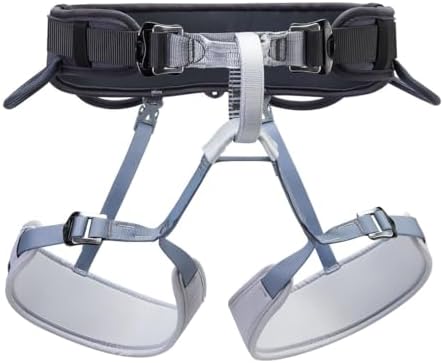

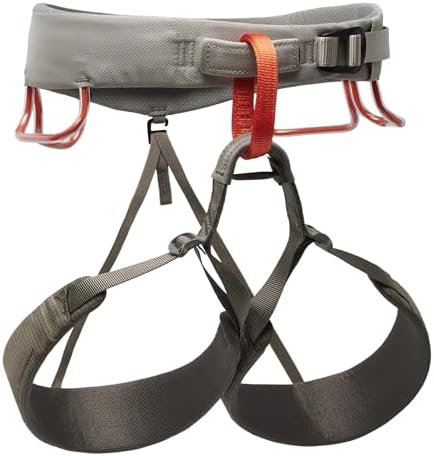

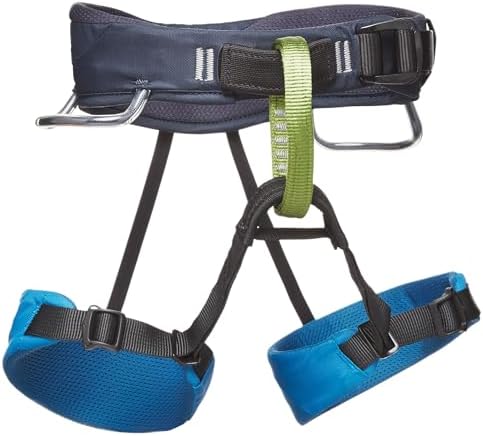

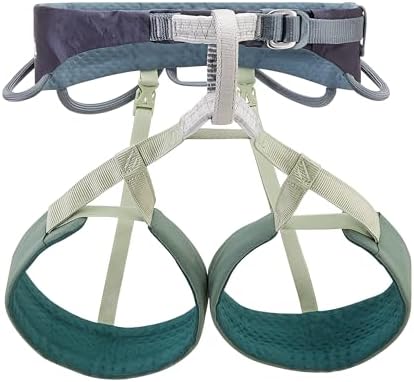


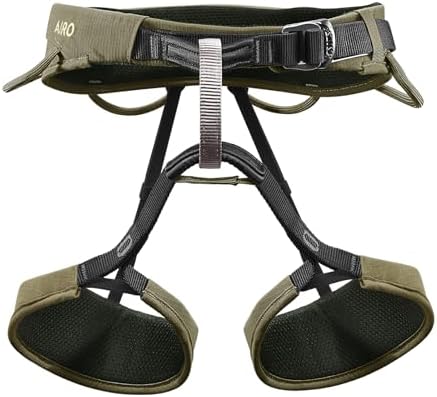
What Is A Sport Climbing Harness?
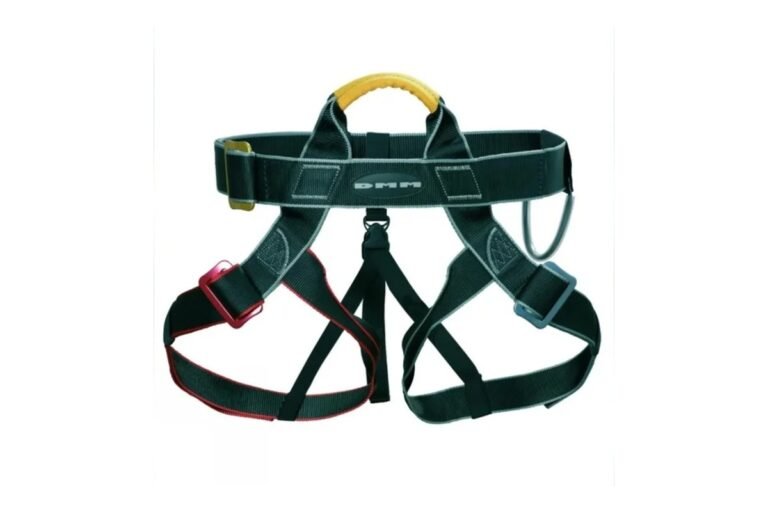
A sport climbing harness is a specialized piece of equipment designed to secure a climber to a rope. It wraps around the waist and legs, providing support and distributing force in the event of a fall. Unlike the simple belts used in early climbing, today’s harnesses are high-tech, engineered for comfort, safety, and performance.
Sport climbing harnesses are different from those used for mountaineering, trad climbing, or caving. They are optimized for gym and outdoor sport routes, where falls are more frequent and routes are generally shorter.
Key Parts Of A Sport Climbing Harness
Understanding the main parts of a harness helps you make better decisions and spot quality features:
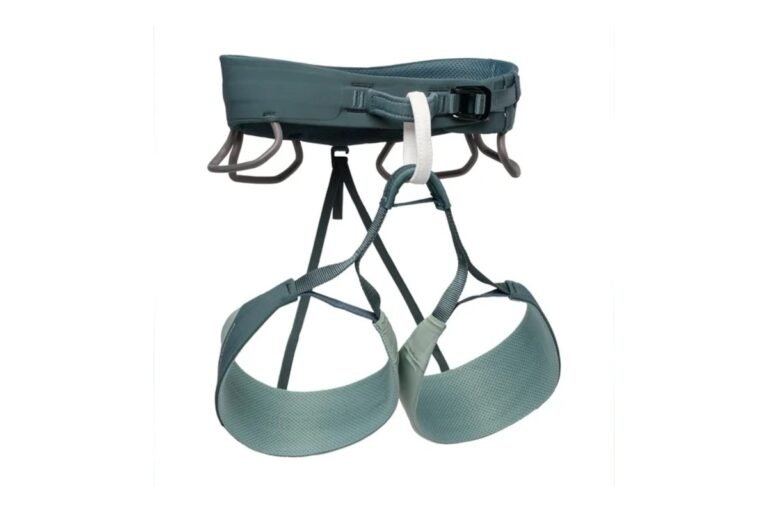
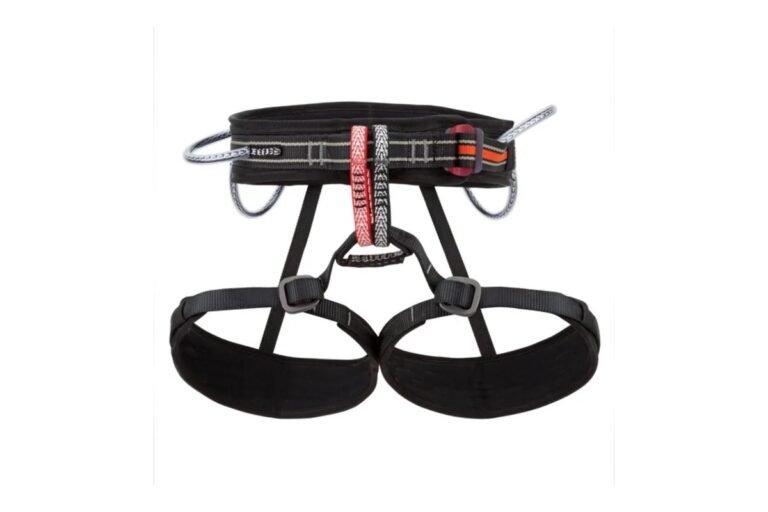
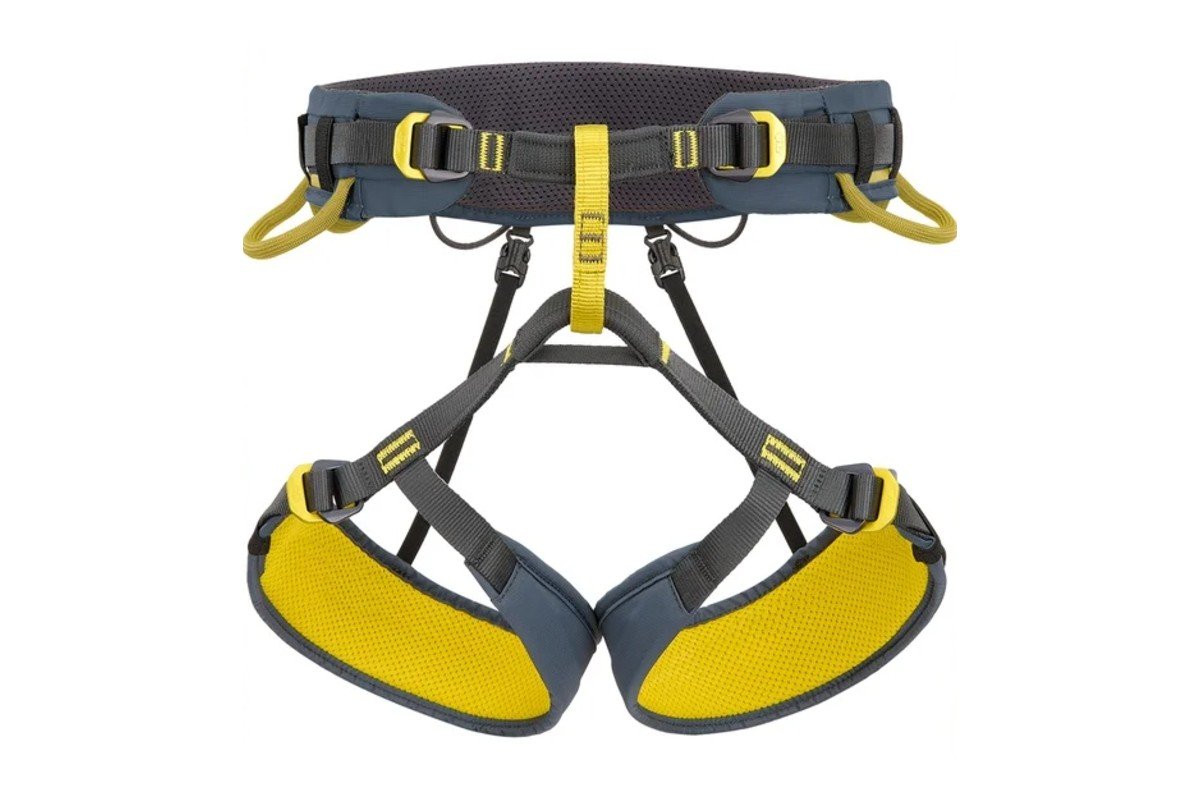
- Waistbelt: The wide, padded strap that goes around your waist. It should sit above your hip bones.
- Leg loops: These wrap around each thigh. Some are adjustable, others are fixed.
- Belay loop: The strong loop in front where you attach your belay device.
- Tie-in points: Where you thread the rope for tying in. These are reinforced for durability.
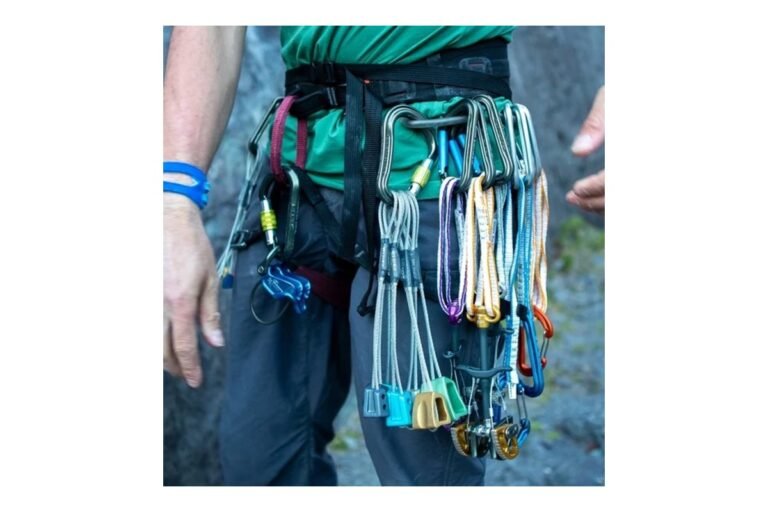
- Gear loops: Flexible plastic or fabric loops for carrying quickdraws and other gear.
- Elastic risers: Straps connecting the leg loops to the back of the waistbelt.
- Buckles: Used to adjust fit on the waist and sometimes legs.
Each of these parts plays a critical role in comfort, safety, and function.
How Sport Climbing Harnesses Differ From Other Types
You may wonder why not just use any harness. Here’s how sport climbing harnesses stand apart:
- Weight: They are lighter because you carry less gear than in trad or alpine climbing.
- Padding: More comfortable, as sport falls can be frequent.
- Gear Loops: Usually 2–4, enough for quickdraws and a few extras.
- Adjustability: Less need for bulky buckles, as you rarely wear thick layers.
- Streamlined fit: Designed for freedom of movement and minimal bulk.
For comparison, here’s how sport harnesses stack up against other climbing harnesses:
| Harness Type | Best For | Weight | Number of Gear Loops | Padding |
|---|---|---|---|---|
| Sport Climbing | Gym, Outdoor Sport | Light | 2–4 | Thick |
| Trad Climbing | Multi-pitch, Trad | Medium | 4–6 | Medium |
| Mountaineering | Alpine, Glacier | Very Light | 2–4 | Minimal |
Why Fit And Comfort Matter
A harness that fits well is more than just comfortable—it’s safer. If your harness is too loose, it can ride up or twist in a fall. Too tight, and it cuts into your skin, causing pain or even reducing blood flow.
Key fit tips:
- The waistbelt should sit above your hip bones and be snug—tight enough that you can’t pull it down over your hips.
- Leg loops should be secure but not cut into your thighs. You should be able to fit two fingers between your leg and the strap.
- Check for buckles that lie flat and do not dig into your body.
Many climbers overlook the importance of trying harnesses on with the clothes they plan to climb in. Harness fit can change if you wear thicker pants outdoors versus shorts in the gym. Also, remember that harness padding can compress over time, slightly changing the fit.
Choosing The Right Sport Climbing Harness
Selecting the best harness for you involves several key considerations. Here’s what you need to think about before making a decision:
1. Intended Use
Are you mainly climbing indoors, outside, or both? For indoor-only use, you can choose a lighter, simpler harness. If you plan to spend long days at the crag, look for extra comfort and durability.
2. Fit And Sizing
Try on several harnesses from different brands, as sizing can vary. Move around, lift your knees, and hang in the harness if possible. Women’s harnesses are often shaped differently, with a higher rise and different leg loop angles.
3. Weight Vs. Comfort
A lighter harness can feel better for hard redpoints, but less padding means less comfort when hanging or belaying for long periods. Decide what matters most for your style of climbing.
4. Gear Loops
Most sport harnesses have 2–4 gear loops, which is enough for quickdraws and a few extras. If you plan to try longer routes or carry extra gear (like a PAS or nut tool), you may want four loops.
5. Adjustability
Some harnesses have adjustable leg loops, others are fixed. Fixed leg loops are lighter and less bulky, but adjustable ones fit a wider range of body types and clothing.
6. Safety Features
Look for reinforced tie-in points, robust belay loops, and secure buckles. Double-back buckles are standard for safety.
7. Price And Value
Sport climbing harnesses range from about $50 to over $150. More expensive models often use lighter materials or advanced padding, but mid-range options are often excellent for most climbers.
8. Certification
Make sure the harness is certified by UIAA or CE, which sets standards for strength and safety.
Here are some of the most popular harness models and their typical features:
| Model | Weight (g) | Gear Loops | Adjustable Leg Loops | Approx. Price (USD) |
|---|---|---|---|---|
| Petzl Sitta | 270 | 4 | No | $180 |
| Black Diamond Solution | 330 | 4 | No | $80 |
| Arc’teryx AR-395a | 395 | 4 | Yes | $160 |
| Mammut Ophir 3 Slide | 420 | 4 | Yes | $70 |
| Edelrid Jay | 368 | 4 | Yes | $65 |
How To Check Harness Safety
Before using a new or borrowed harness, always check for these:
- Stitching: No loose or frayed threads, especially on the belay loop and tie-in points.
- Webbing: No cuts, abrasions, or faded areas.
- Buckles: All parts move smoothly and lock securely.
- Belay loop: No signs of wear or fuzziness.
Many climbers forget to check older harnesses. Even if a harness “looks fine,” materials can weaken with time and UV exposure. Most manufacturers recommend retiring a harness after about 5 years of use, or sooner if it has seen heavy falls or clear damage.
How To Wear A Sport Climbing Harness Correctly
Wearing your harness the right way is key to safety. Follow these steps:
- Hold the harness by the waistbelt and shake out the leg loops.
- Step through each leg loop, making sure the belay loop is in front.
- Pull the waistbelt up above your hips.
- Tighten the waistbelt snugly. It should not slide down.
- Adjust leg loops if possible. They should be secure but not tight.
- Make sure all buckles are doubled back (if not automatic).
- Double-check that all straps are flat and not twisted.
A common mistake is wearing the harness too low, which can result in it sliding off in a fall. Always keep the waistbelt above your hip bones.
Common Mistakes When Using A Harness
Many accidents happen because of simple errors. Some of the most frequent include:
- Forgetting to double back the waistbelt buckle (if not automatic)
- Tying into the wrong part (never tie in to the gear loops or belay loop)
- Using a harness past its retirement age
- Not checking harness fit before climbing
- Allowing leg loops to twist or turn upside down
Make a habit of doing a full safety check before every climb, even if you are experienced.
How To Maintain And Store Your Harness
Proper care keeps your harness safe and comfortable for years. Here’s how:
- Cleaning: Hand-wash in cool water with mild soap. Never use bleach or machine wash.
- Drying: Air dry in the shade, never in direct sunlight or a dryer.
- Storage: Keep in a cool, dry place away from chemicals, sunlight, or sharp objects.
- Inspection: Check for wear regularly, especially after a big fall or rough use.
- Retirement: Retire your harness if you see cuts, heavy wear, or after a major fall.
Many climbers make the mistake of storing harnesses in hot cars or damp basements. Heat and moisture can weaken the materials even if no damage is visible.
Innovations In Sport Climbing Harness Design
Harness technology continues to improve, making them lighter, more comfortable, and safer. Some recent innovations include:
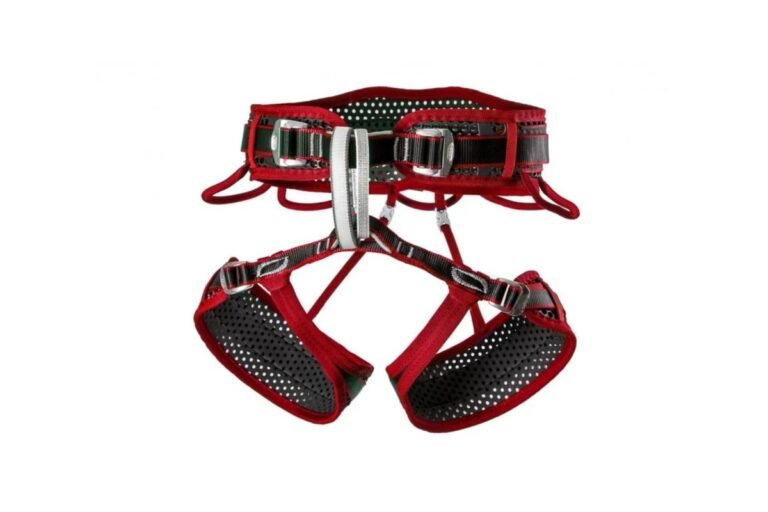
- 3D foam padding: Distributes pressure more evenly.
- Split webbing: Spreads force across a wider area for better comfort.
- Breathable mesh: Reduces sweat and keeps you cooler.
- Quick-adjust buckles: Make it easier to get the perfect fit.
- Lightweight materials: Dyneema and other strong fibers allow for thinner, lighter harnesses.
Some high-end harnesses now use laser-cut materials and advanced stitching to reduce weight even further without sacrificing safety.
When To Replace Your Harness
Most harnesses have a recommended lifespan, usually 3–5 years for regular use. However, you should replace your harness sooner if:
- You see cuts, fraying, or heavy wear anywhere on the webbing
- The belay loop shows fuzziness or damage
- Buckles are bent or don’t close securely
- The harness has been involved in a major fall or accident
- The harness has been exposed to chemicals or high heat
Don’t take chances—harnesses are not expensive compared to your safety.
Sport Harnesses For Different Body Types
No two bodies are the same, and neither are harnesses. Here are some things to consider for special body types:
- Women’s harnesses: Usually have a different waist-to-leg loop ratio, wider leg loops, and a higher rise.
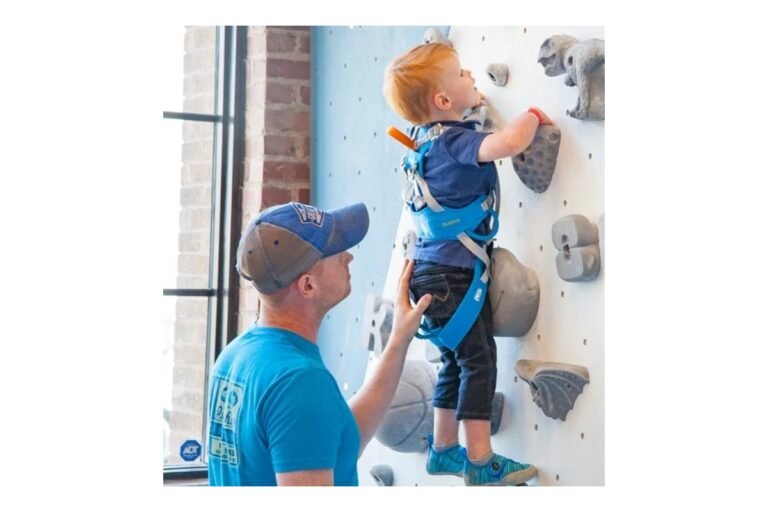
- Children’s harnesses: Some are full-body to prevent slipping, as kids’ hips are less defined.
- Plus-size climbers: Some brands offer extended sizing, but always try before you buy.
- Very slim climbers: Look for models with adjustable leg loops and a snug waistbelt.
Trying on multiple harnesses and hanging in them is the best way to find your ideal fit.
How To Test A Harness Before Buying
It’s easy to overlook comfort when just standing in a shop, but hanging in a harness tells you much more. If possible, ask to hang from a test rope or pull-up bar in the store.
- Sit back and let your weight hang fully on the harness
- Lift your knees, twist, and mimic real climbing moves
- Notice any pinching, uneven pressure, or sliding
Most people are surprised by how different harnesses can feel when hanging, even if they seem similar on the rack.
Tips For Climbing With A Harness
Having the right harness is only part of safe sport climbing. Here are some tips to climb better and safer:
- Practice tying in: Always use a proper figure-eight follow-through knot.
- Double-check partner’s harness: Do a visual and physical check before every climb.
- Don’t overload gear loops: They’re only for carrying, not for life support.
- Keep harness clean and dry: Dirt and sweat can break down materials over time.
- Adjust harness between climbs: Small shifts can boost comfort.
A common insight many beginners miss: harness comfort changes throughout a session. You may need to adjust after warming up or after belaying.
Sport Harnesses Vs. Gym Rental Harnesses
If you are just starting, you may use a rental harness at the gym. While these are safe, buying your own has clear benefits:
- Better fit: Rental harnesses are “one size fits most.”
- Hygiene: Sweat and dirt from others can build up on rental gear.
- Comfort: Your own harness molds to your body over time.
- Features: Personal harnesses have more padding, lighter weight, and better gear loops.
After a few sessions, investing in your own harness is usually worth it.
Harnesses For Projecting And Redpointing
If you’re working hard sport routes, you may spend a lot of time hanging, falling, and belaying. For projecting, look for:
- Extra padding
- Wide waistbelt
- Breathable materials
- Easy-adjust buckles
Some climbers keep a lighter harness for sending (making the final, clean ascent) and a more padded one for working routes.
Not-so-obvious Insights For Beginners
Many new climbers focus only on brand or appearance, but here are two deeper tips:
- The belay loop is the strongest point on your harness, but it’s not for tying the rope directly. Always tie in through both tie-in points. The belay loop is for your belay device and personal anchor.
- Try harnesses at the end of the day when you’re tired. If it feels comfortable then, it will feel good on long sessions.
Also, remember that harnesses can feel very different between men and women, even if the size seems right. Don’t be afraid to try “unisex” or opposite-gender models if the fit is better.
The Environmental Impact Of Harness Materials
Most sport harnesses use nylon, polyester, and sometimes Dyneema. While these are durable, they are not always eco-friendly. Some brands now use recycled materials or more sustainable processes. If environmental impact matters to you, look for harnesses labeled as “bluesign” or made from recycled fibers.
The Role Of Certification: What Does Ce/uiaa Mean?
When you see a CE or UIAA label on a harness, it means the product meets strict safety standards. The UIAA (International Climbing and Mountaineering Federation) sets the highest standards for climbing gear. CE is a European certification. Both require rigorous testing for strength and durability.
Never use a harness without these certifications. Counterfeit or uncertified harnesses may not protect you in a fall.
Most Popular Sport Climbing Harness Brands
Some of the most respected brands for sport climbing harnesses include:
- Petzl
- Black Diamond
- Arc’teryx
- Mammut
- Edelrid
- CAMP
- Wild Country
Buying from a trusted brand means better design, more reliable materials, and stronger safety standards. For more on certifications and standards, see the UIAA official information.
How Harnesses Have Changed Over Time
Early climbing harnesses were little more than webbing belts, which were uncomfortable and dangerous. The first “sit harnesses” appeared in the 1960s, and since then, advances in materials, padding, and design have transformed harnesses into the comfortable, safe gear we use today.
Modern harnesses are lighter, more breathable, and far more comfortable than even those from a decade ago. Expect this trend to continue as materials and testing improve.
Sport Climbing Harness Comparison Table
To help you compare, here’s a quick summary of how different harnesses fit various needs:
| Harness | Weight | Packing Size | Best For | Main Advantage |
|---|---|---|---|---|
| Petzl Sitta | Very Light | Small | Performance sport | Extremely light, compact |
| Black Diamond Solution | Light | Medium | All-around | Comfortable, affordable |
| Arc’teryx AR-395a | Medium | Medium | Multi-discipline | Great for mixed climbing |
| Mammut Ophir 3 Slide | Heavy | Large | Gym, beginner | Easy adjustability |
| Edelrid Jay | Medium | Medium | Budget sport | Good value |
Frequently Asked Questions
How Often Should I Replace My Sport Climbing Harness?
Most manufacturers recommend replacing a harness every 3–5 years, even with light use. If you climb a lot, or if your harness takes a serious fall or shows visible wear, replace it sooner. Always inspect your harness before each use.
Can I Use A Sport Climbing Harness For Trad Or Alpine Climbing?
While you can use a sport harness for trad or alpine routes, it may not have enough gear loops or padding for long days and extra gear. Trad and alpine harnesses are designed for comfort with heavy racks and for extended hanging.
Are Fixed Or Adjustable Leg Loops Better?
Fixed leg loops are lighter and less bulky, making them popular for sport climbing. Adjustable leg loops fit a wider range of body sizes and clothing. If you only climb in warm weather and value lightness, fixed is usually fine.
Is It Safe To Buy A Used Harness?
It’s best to avoid buying used harnesses unless you know the full history and can inspect them in person. Damage is not always visible, and hidden wear or chemical exposure can weaken the harness.
What’s The Difference Between A Men’s And Women’s Harness?
Women’s harnesses often have a higher rise (distance from waist to legs), wider leg loops, and a different angle to better fit the female body. However, some women prefer men’s or unisex harnesses, and vice versa. Always choose the model that fits you best, not just by gender label.
Choosing the right sport climbing harness is a key part of your climbing experience. A good harness keeps you safe, supports your movement, and lets you focus on the fun and challenge of climbing. Remember to prioritize fit, comfort, and safety certifications, and don’t be afraid to try multiple models before deciding.
With the right harness, you’ll feel more confident and comfortable, climb harder, and enjoy every moment on the wall. Happy climbing!