

Non-Dry Dynamic Rope: Essential Guide for Climbers
Climbers, cavers, and rescue professionals all rely on the lifeline that is their rope. Among the many options, non-dry dynamic rope stands out for its versatility, safety, and affordability. But what exactly makes this type of rope unique, and when should you choose it over others?
Understanding the nuances of non-dry dynamic rope can make a huge difference in your climbing experience, safety, and costs. This guide will take you from the basics to advanced tips, with practical advice for both beginners and seasoned climbers.
Key Takeaways
- What Is Non-dry Dynamic Rope?
- How Dynamic Rope Works?
- Non-dry Vs Dry Treated Rope
- Key Features Of Non-dry Dynamic Rope
- Advantages Of Non-dry Dynamic Rope
- Limitations And Risks
On this page
- What Is Non-dry Dynamic Rope?
- How Dynamic Rope Works?
- Non-dry Vs Dry Treated Rope
- Key Features Of Non-dry Dynamic Rope
- Advantages Of Non-dry Dynamic Rope
- Limitations And Risks
- When To Choose Non-dry Dynamic Rope?
- How To Choose The Best Non-dry Dynamic Rope?
- Care And Maintenance Of Non-dry Dynamic Rope
- Common Mistakes When Using Non-dry Dynamic Rope
- Real-world Examples And Case Studies
- How Non-dry Dynamic Rope Compares To Other Rope Types?
- Myths And Misunderstandings
- Environmental Impact And Rope Retirement
- Tips For Maximizing Rope Life
- How To Safely Retire And Repurpose Old Rope?
- How To Identify Non-dry Dynamic Rope?
- Non-obvious Insights For Beginners
- Advanced Tips For Experienced Climbers
- The Future Of Non-dry Dynamic Rope
- Frequently Asked Questions
What Is Non-dry Dynamic Rope?
Related guides
Explore related guides: Single Dynamic Climbing Rope: Top Choices for Safe Ascents · Semi-Static Rope: Essential Guide for Climbers and Rescuers · Dry-Treated Dynamic Rope: Ultimate Guide to Durability and Safety.



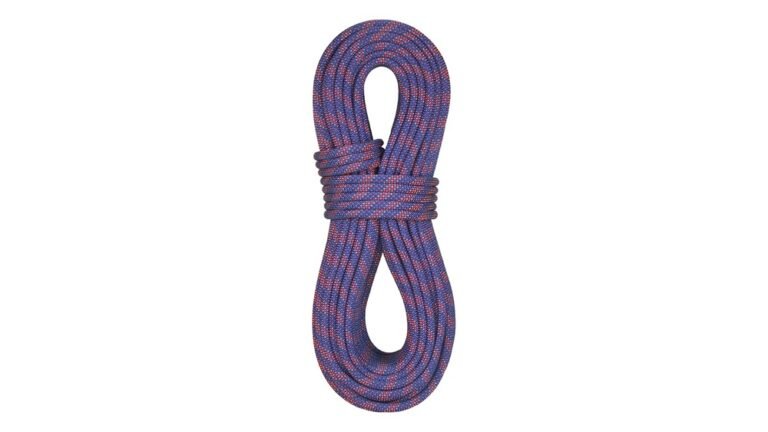
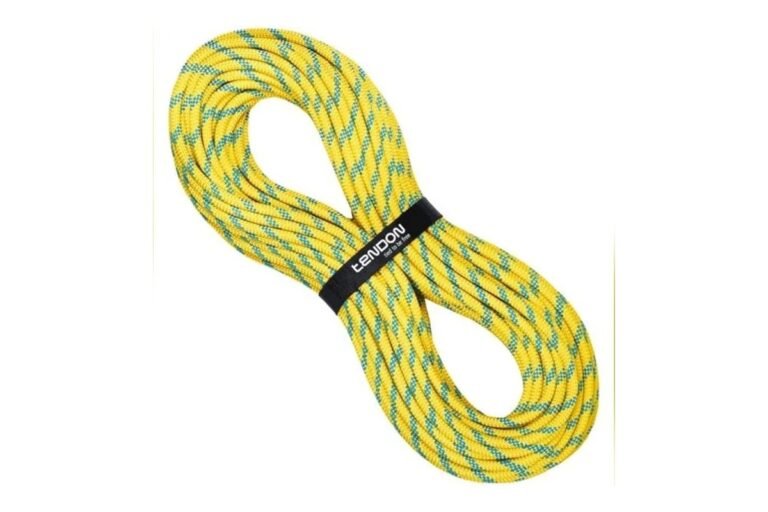
A dynamic rope is designed to stretch under load. This means it absorbs the energy from a fall, reducing the impact force on the climber and their gear. The term “non-dry” refers to ropes that do not have a special water-repellent coating. These ropes are made with a nylon core and sheath, but lack the chemical treatments that help repel water, dirt, and ice.
Non-dry dynamic ropes are popular in indoor climbing gyms, warm-weather outdoor crags, and training environments. They are cost-effective and provide the dynamic performance needed for lead climbing falls. However, they are less suited to wet or icy conditions because they absorb water, which can weaken the rope and make it heavier.
How Dynamic Rope Works?
Dynamic rope is built to handle the forces involved in climbing falls. When you fall, the rope stretches, softening the force that reaches your harness and the anchors. This stretch is measured by two main values:
- Static elongation: How much the rope stretches under a steady load (like when you’re hanging).
- Dynamic elongation: How much the rope stretches during a fall.
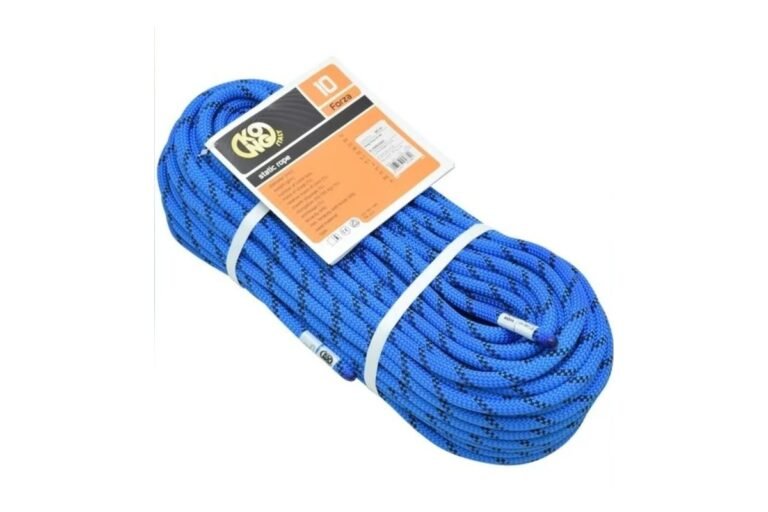
A typical non-dry dynamic rope will stretch 6-8% under body weight and up to 30% in a severe fall. This helps prevent injuries such as whiplash, broken bones, or damaged anchors. Static ropes, in contrast, stretch very little and are used where falls are not expected (like in rescue or caving scenarios).
Non-dry Vs Dry Treated Rope
One of the first questions climbers ask is: why choose non-dry over dry-treated rope? The answer depends on where and how you climb.
| Feature | Non-Dry Dynamic Rope | Dry-Treated Dynamic Rope |
|---|---|---|
| Water Resistance | Low | High |
| Price | Lower | Higher |
| Weight When Wet | Heavier | Lighter |
| Durability (Wet) | Reduced | Maintained |
| Best Use | Indoor, dry outdoor | Ice, alpine, wet |
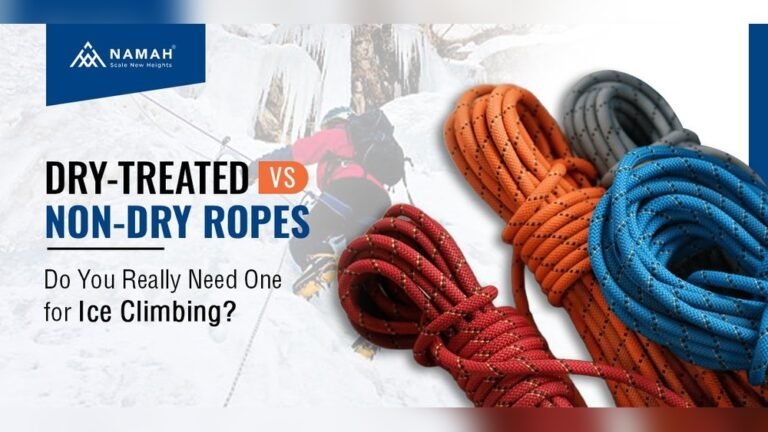
Non-dry ropes are ideal for indoor climbing and sport crags where rain, snow, or ice are not a concern. They are less expensive and offer the same level of dynamic safety as dry-treated ropes in dry conditions. However, if you climb in wet, icy, or variable environments, a dry-treated rope is essential to prevent water absorption, which can increase weight and lower performance.
Key Features Of Non-dry Dynamic Rope
When shopping for a non-dry dynamic rope, you should understand the main features and what they mean for your climbing.
Diameter
Most non-dry dynamic ropes come in diameters between 8.9 mm and 10.5 mm. Thinner ropes are lighter and create less rope drag, but can wear out faster and are harder to handle, especially for beginners. Thicker ropes are more durable and easier to grip, making them a common choice for gym and top-rope climbing.
Length
Standard lengths range from 30 meters to 80 meters. For indoor climbing, 35-40 meters is usually enough. For outdoor sport climbing, 60 meters is most common, though some routes require 70 meters or more. Always check the length of your rope against the route.
Uiaa And Ce Ratings
Every dynamic climbing rope sold in reputable shops must meet UIAA and CE safety standards. These certifications ensure the rope can withstand a certain number of falls, has the correct amount of stretch, and does not melt or break under normal climbing loads.
Sheath And Core Construction
The sheath is the outer woven layer that protects the rope from abrasion. The core gives the rope its strength and stretch. Non-dry ropes often have a standard sheath without extra coatings, so they may fuzz up or wear more quickly if dragged over sharp rock.
Handling And Feel
Non-dry ropes tend to feel softer and more flexible than dry-treated ropes, especially when new. This can make them easier to tie knots and belay with, especially in the hands of newer climbers.
Advantages Of Non-dry Dynamic Rope
Non-dry dynamic ropes have several strong advantages, especially for recreational climbers.
- Cost Savings: Non-dry ropes often cost 20-40% less than dry-treated ropes. This makes them ideal for beginners, gym climbers, and anyone on a budget.
- Better Handling: The absence of dry treatment can make the rope feel softer and less stiff out of the box.
- Perfect for Indoor Use: Since climbing gyms are dry, there’s no need for water protection. Non-dry ropes are the standard for most gym users.
- Ideal for Training: When you want to practice falling, belaying, or rope management, non-dry ropes offer the same dynamic performance at a lower price.
- Easier Inspection: Without a coating, damage and fuzziness are easier to see, which helps with regular safety checks.
Limitations And Risks
Non-dry dynamic ropes also come with real limitations that you should not ignore.
- Water Absorption: When wet, these ropes become heavier and weaker. Wet ropes can lose up to 30% of their strength.
- Faster Abrasion: The sheath can wear out faster on rough or dirty rock, especially in outdoor environments.
- Shorter Lifespan in Harsh Conditions: Dust, sand, and moisture can work into the fibers, leading to quicker wear.
- Not for Ice or Alpine: In freezing temperatures, a wet non-dry rope can become stiff and even freeze solid.
- Potential for Hidden Damage: Water inside the rope can lead to hidden degradation over time.
When To Choose Non-dry Dynamic Rope?
Selecting the right rope depends on your climbing style and environment. Here are scenarios where non-dry dynamic rope is the best choice:
- Indoor Climbing: Most gyms prohibit dry-treated ropes due to mess and cost. Non-dry ropes are lighter on the wallet and perform perfectly indoors.
- Sport Climbing in Dry Climates: If you climb at local crags where rain is rare and routes are short, a non-dry rope is sufficient.
- Top-Roping with Beginners: When teaching new climbers, you’ll appreciate the easy handling and lower cost, especially if the rope gets damaged.
- Training and Practice: If you want a “beater” rope for practicing falls, belaying, or rope rescue, non-dry is the most cost-effective choice.
However, avoid using non-dry ropes for ice climbing, mountaineering, or any adventure where you may encounter rain, rivers, or snow.
How To Choose The Best Non-dry Dynamic Rope?
With dozens of models on the market, it’s important to pick a rope that fits your needs. Here’s what to consider:
Rope Diameter
- 8.9–9.4 mm: Great for experienced climbers who want a lightweight rope for long routes. These require careful handling and compatible belay devices.
- 9.5–9.9 mm: Ideal for most sport climbers. Balances weight, durability, and ease of use.
- 10–10.5 mm: Best for indoor and top-rope climbing, especially with beginners or groups.
Rope Length
- 30–40 meters: Indoor gyms with short walls.
- 50–60 meters: Outdoor crags with standard route lengths.
- 70–80 meters: Long sport routes or multi-pitch climbs. Heavier and more expensive, but sometimes necessary.
Weight Per Meter
A lighter rope means less fatigue on long approaches or multi-pitch climbs, but may wear out faster. For most gym or single-pitch use, a heavier, thicker rope is fine.
Fall Rating
UIAA fall rating tells you how many severe falls the rope can handle before failing. Higher numbers are better, but all certified ropes are safe for typical use.
Middle Mark And Bi-pattern
A middle mark (dye or weave change at the midpoint) is essential for rappelling and lowering. Some ropes have a bi-pattern weave, making the midpoint instantly visible.
Handling And Stiffness
Try handling the rope before buying. Some are very supple, others stiffer. The “hand” of the rope affects tying knots, belaying, and feeding through devices.
Price
Non-dry ropes range from $100 to $250 depending on length and brand. Sometimes, clearance or closeout models offer big savings.
Brand Reputation
Stick to well-known brands with good safety records. Avoid off-brand or questionable imports, as rope quality is critical for your safety.
Care And Maintenance Of Non-dry Dynamic Rope
Proper care can extend the life of your rope and ensure safety. Here’s how to keep your non-dry rope in top condition:
- Keep It Clean: Dirt and sand grind away at the sheath. Use a rope bag, and wash your rope with mild soap and water when dirty.
- Dry It Properly: If the rope gets wet, hang it in a cool, dry place out of direct sunlight. Never use a dryer or heater.
- Avoid Chemicals: Oils, solvents, and strong cleaners can damage the fibers.
- Inspect Regularly: Check for cuts, flat spots, fuzziness, or soft areas. Retire the rope if you find any serious damage.
- Store Correctly: Coil the rope loosely and store it in a dry, dark place.
- Rotate Rope Ends: Regularly swap the ends you tie into. This spreads wear more evenly.
- Retire After Heavy Falls: If you take a major fall, especially with a heavy climber or sharp edge, consider retiring the rope.
Common Mistakes When Using Non-dry Dynamic Rope
Even experienced climbers make mistakes with non-dry ropes. Avoid these pitfalls:
- Using Outdoors in Wet Weather: Many climbers underestimate sudden rain or morning dew. Always check the forecast and local conditions.
- Dragging Over Sharp Edges: Use rope protectors or redirect the rope to avoid abrasion.
- Ignoring Regular Inspections: Small cuts or fuzz can quickly turn into dangerous weak points.
- Storing Rope Wet: Even a little moisture can lead to mildew, rot, or weakened fibers.
- Not Tracking Rope Age: Most ropes should be retired after 5 years, even with light use.
Real-world Examples And Case Studies
Consider these scenarios to see how non-dry ropes perform in practice.
Case 1: Indoor Training
Sarah is a new climber who visits the gym three times a week. She bought a 40-meter, 10. 2 mm non-dry dynamic rope. Over a year, she took dozens of falls, practiced lead climbing, and shared the rope with friends.
The rope stayed soft, easy to belay, and cost less than half of a dry-treated model. After 18 months, the sheath showed moderate fuzz, but the core was still strong.
Case 2: Sport Climbing In Nevada
Jake climbs at Red Rock Canyon, a dry desert crag. He uses a 60-meter, 9. 8 mm non-dry rope for single-pitch sport routes. The rope handles well and is easy to inspect. However, after a rainstorm, he accidentally used the rope while it was still damp from storage.
It felt heavy and harder to feed through his device. He learned to always check and dry his gear before climbing.
Case 3: Unexpected Rain
Mia and her partner planned a sunny day at a local crag. A surprise shower soaked their non-dry dynamic rope. The rope became heavy, hard to handle, and slippery. They cut the day short and dried the rope thoroughly before the next use.
Mia now keeps a plastic bag in her pack to stash the rope if bad weather hits.
How Non-dry Dynamic Rope Compares To Other Rope Types?
Choosing the right rope can be confusing, so here’s a simple comparison.
| Rope Type | Stretch | Water Resistance | Best Use |
|---|---|---|---|
| Non-Dry Dynamic Rope | High | Low | Indoor, dry sport |
| Dry Dynamic Rope | High | High | Ice, alpine, wet rock |
| Static Rope | Low | Varies | Rescue, hauling, caving |
For most recreational climbing, a non-dry dynamic rope is the best value unless you know you’ll face wet or icy conditions.
Myths And Misunderstandings
Some climbers believe non-dry ropes are unsafe or only for indoor use. In reality, all certified dynamic ropes meet strict safety standards. The main difference is in water resistance and durability, not strength. Another myth is that dry-treated ropes always last longer.
In dry conditions, both types wear out from abrasion, not moisture.
A less-known tip: even dry-treated ropes lose their water resistance after repeated use and washing. For most climbers, it’s more cost-effective to buy a new non-dry rope every few years than to pay extra for dry treatment if you don’t need it.
Environmental Impact And Rope Retirement
Climbing ropes are made from nylon, a plastic that is not biodegradable. Retiring your rope responsibly is important. Some brands offer recycling programs, turning old ropes into carpets, dog leashes, or industrial materials.
When Should You Retire A Non-dry Dynamic Rope?
- After a severe fall
- If the sheath is badly cut or core is exposed
- After 5 years of light use or 1 year of heavy use
- If there is visible damage, chemical exposure, or UV fading
Never throw ropes in regular trash if a recycling option is available.
Tips For Maximizing Rope Life
- Use a Rope Bag: Keeps dirt and grit away.
- Avoid Stepping on the Rope: Shoes grind dirt into the fibers.
- Flake the Rope Before Use: Prevents tangles and checks for damage.
- Use Clean Hands: Oils and sunscreen can break down the sheath.
- Mark the Middle with Manufacturer-Safe Marker Only: Never use regular markers, as chemicals can weaken the fibers.
How To Safely Retire And Repurpose Old Rope?
When your non-dry dynamic rope is no longer safe for climbing, it can still have a second life. Here are a few ideas:
- Dog Leashes or Toys: Braided sections make durable pet gear.
- Garden Ties: Old rope can support plants or trees.
- Art Projects: Use colorful rope for creative works.
- Car Towing or Hauling: Old climbing rope is strong enough for many non-life-safety uses.
Always cut the rope into short lengths if you’re worried someone might use it for climbing by mistake.
How To Identify Non-dry Dynamic Rope?
Not all ropes are clearly labeled. To check if your rope is non-dry dynamic:
- Check the Label: Look for “dynamic” and “non-dry” or absence of “dry” on the packaging.
- Feel the Rope: Non-dry ropes usually feel softer and may absorb water drops.
- Ask the Seller: Reputable shops will know what they are selling.
- Look for Certification: All dynamic ropes must have a UIAA or CE tag.
Non-obvious Insights For Beginners
- Rope Stretch Matters More Than You Think: Many new climbers are surprised by how much a dynamic rope can stretch in a fall. This makes it essential to check ground clearance on short routes to avoid hitting the floor.
- Non-Dry Ropes Hold Chalk and Dirt: Because they lack a coating, non-dry ropes can get dirty faster in busy gyms. Regular gentle washing keeps them in good shape.
Advanced Tips For Experienced Climbers
- Double Rope Technique: In rare cases, two non-dry ropes can be used together for certain training drills (never for real multi-pitch or alpine climbing where water is a risk).
- Practice Rope Rescue Skills: Non-dry ropes are perfect for learning knots, hauling, and rescue systems because they are affordable and easy to handle.
- Sell or Trade Old Ropes: Some local climbing gyms or clubs accept old ropes for training or crafts.
The Future Of Non-dry Dynamic Rope
As climbing grows in popularity, manufacturers are experimenting with more sustainable materials and advanced weaves. Some new ropes use recycled nylon or special patterns to improve durability without adding cost. While dry treatment will always have a place in alpine and ice climbing, non-dry ropes continue to be the best value for most gym and sport climbers.
For up-to-date safety standards and testing information, you can visit the UIAA official site.
Frequently Asked Questions
What Is The Main Difference Between Non-dry And Dry Dynamic Rope?
The main difference is the presence of a water-repellent coating in dry-treated ropes. Non-dry ropes lack this coating and can absorb water, making them heavier and weaker when wet. Dry ropes are essential for wet, icy, or alpine environments, while non-dry ropes are best for dry indoor or sport climbing.
How Often Should I Replace My Non-dry Dynamic Rope?
You should replace your rope after 5 years of light use, 1 year of heavy use, or immediately after a major fall or visible damage. Always inspect your rope before and after each use to ensure safety.
Can I Use A Non-dry Dynamic Rope For Rappelling?
Yes, you can rappel with a non-dry dynamic rope, as long as it is dynamic and in good condition. However, avoid using it in wet or icy conditions, as water absorption can make the rope slippery and reduce performance.
How Do I Clean My Non-dry Dynamic Rope?
Wash your rope in lukewarm water with mild soap. Use your hands or a rope brush to remove dirt. Rinse well and hang it in a cool, dry place, away from sunlight. Never use harsh chemicals or a washing machine with an agitator.
Is A Non-dry Dynamic Rope Safe For Outdoor Climbing?
A non-dry dynamic rope is safe for outdoor climbing if you are sure the weather will stay dry and you avoid wet or icy conditions. For unpredictable environments, a dry-treated rope is safer.
Whether you’re just starting out or already lead climbing at your local crag, understanding your rope’s strengths and limits is key to safe, enjoyable climbing. Choose wisely, care for your gear, and climb on with confidence.


One Comment