
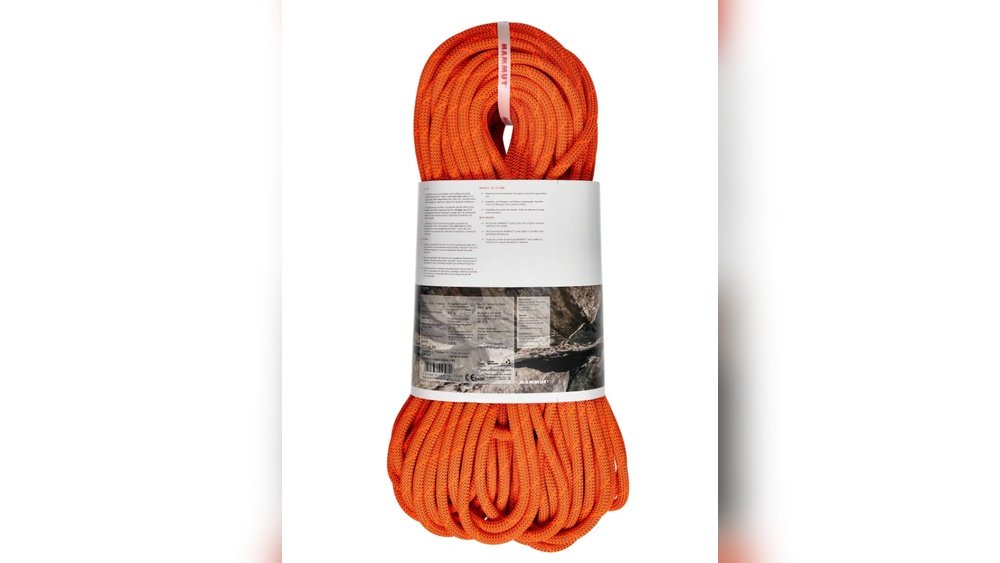
Workhorse Single Rope: Ultimate Guide for Safe Climbing
The world of ropework is vast, but when it comes to heavy-duty tasks, few options are as trusted as the workhorse single rope. Whether you’re a professional climber, arborist, rescue worker, or industrial technician, understanding this essential tool can make your job safer and more efficient. This article explores everything you need to know about workhorse single ropes—what they are, their unique features, how to choose the right one, and why they’re so important in demanding environments. Along the way, you’ll find practical insights, data-driven comparisons, and expert tips, all written in clear, accessible English.
Key Takeaways
- What Is A Workhorse Single Rope?
- Key Features Of Workhorse Single Ropes
- The Science Behind Workhorse Ropes
- Common Uses For Workhorse Single Ropes
- How To Choose The Right Workhorse Single Rope
- Proper Care And Maintenance
On this page
- What Is A Workhorse Single Rope?
- Key Features Of Workhorse Single Ropes
- The Science Behind Workhorse Ropes
- Common Uses For Workhorse Single Ropes
- How To Choose The Right Workhorse Single Rope
- Proper Care And Maintenance
- Real-world Example: Workhorse Rope In A Rescue Operation
- Workhorse Rope Vs Other Rope Types
- Common Mistakes When Using Workhorse Single Ropes
- Advanced Tips For Workhorse Rope Users
- Environmental Factors And Rope Performance
- How To Test And Trust Your Workhorse Rope
- Innovations In Workhorse Rope Technology
- Rope Accessories And Tools For Workhorse Ropes
- Workhorse Ropes And Safety Culture
- Frequently Asked Questions
Recommended Products for Workhorse Single Ropes




What Is A Workhorse Single Rope?
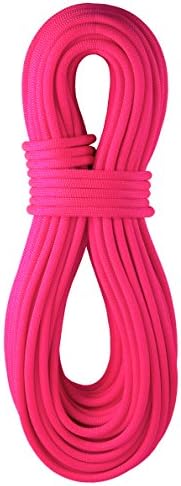
A workhorse single rope is a robust, all-purpose rope designed to handle tough jobs. Unlike skinny ropes used for sport climbing or lightweight applications, a workhorse rope is typically thicker (often 10mm or more), stronger, and built for repeated use under heavy loads. The term “single” means the rope is intended to be used by itself, not paired with another rope like twin or half rope systems.
These ropes are used in many fields:
- Rock climbing (especially for top-rope and big wall routes)
- Tree work (arboriculture)
- Industrial access (maintenance, construction, rigging)
- Rescue operations
- Outdoor education and adventure parks
The main advantages of a workhorse single rope are its durability, high strength, and versatility. But with so many choices on the market, it’s important to know what sets one rope apart from another.
Key Features Of Workhorse Single Ropes
Understanding the features of a workhorse single rope will help you select the right one for your needs. Here are the most important characteristics:
Diameter And Weight
Workhorse ropes usually have a diameter between 10mm and 11mm. This thickness gives them more strength and abrasion resistance. However, a thicker rope is heavier and can be bulkier to handle.
- Typical weight: 60-75 grams per meter
- Example: A 70-meter, 10.5mm rope can weigh about 4.5 to 5 kg
Sheath Construction
The sheath is the outer layer of the rope. Workhorse ropes use tight, durable weaves that resist cuts and abrasion. Some have special coatings or treatments to repel water and dirt, which is essential for outdoor or wet environments.
Core Material
Most modern ropes use a nylon core, which offers excellent energy absorption and flexibility. Some specialty ropes use aramid or polyester for added heat resistance, but these are less common for general workhorse use.
Handling And Flexibility
Stiff ropes are harder to knot and can be tiring to handle. Workhorse ropes aim for a balance—firm enough to last but flexible enough for easy tying and feeding through devices.
Safety Ratings
Look for ropes certified by the UIAA (International Climbing and Mountaineering Federation) or EN (European Norms). These ratings confirm the rope has passed strict tests for strength, stretch, and impact force.
Static Vs Dynamic
Most workhorse single ropes are dynamic—they stretch to absorb falls. However, some industrial and rescue applications use static ropes that stretch very little. It’s important to choose the right type for your task.
The Science Behind Workhorse Ropes
A workhorse single rope must handle real-life forces—falls, pulls, abrasion, and even sharp edges. Here’s a closer look at the science that makes these ropes reliable.
Fall Arrest And Energy Absorption
Dynamic ropes are designed to catch a falling load or person by stretching. This reduces the force on the anchor and the climber’s body. The impact force is a key safety factor—lower numbers mean softer catches.
| Rope Type | Typical Impact Force | Use Case |
|---|---|---|
| Dynamic (Workhorse) | 8-9 kN | Climbing, Rescue |
| Static | 10-12 kN | Hauling, Rappelling |
Strength And Lifespan
Workhorse ropes are rated for high loads—often 22 kN (about 5000 lbs) or more. However, strength alone doesn’t tell the whole story. Abrasion, UV light, chemicals, and repeated use can all reduce a rope’s lifespan.
Sheath-to-core Ratio
A higher sheath-to-core ratio means more material on the outside, making the rope tougher against cuts and dirt. This is especially important for ropes used in industrial or rescue work, where sharp edges and rough surfaces are common.
Common Uses For Workhorse Single Ropes
Workhorse single ropes are not just for climbers. Here are some everyday examples:
- Tree Climbing and Arboriculture: Arborists use these ropes for ascending, positioning, and lowering branches. The extra thickness helps the rope run smoothly through pulleys and mechanical devices.
- Construction and Rigging: Workers rely on single ropes for lifting tools, positioning platforms, and personal safety lines.
- Rescue Operations: Firefighters and rescue teams need ropes that won’t fail under sudden loads or abrasive conditions.
- Adventure Parks: Operators choose strong ropes for zip lines, belay systems, and high ropes courses, where many people use the same rope each day.
How To Choose The Right Workhorse Single Rope
Choosing the best rope isn’t just about grabbing the thickest one you can find. Several factors matter:
1. Intended Use
- Climbing: Look for dynamic ropes with high fall ratings and soft catches.
- Rescue/Hauling: You may need a static rope for less stretch and more control.
- Tree Work: Look for abrasion resistance and knotability.
2. Diameter And Length
- Thicker ropes (10.5mm–11mm) last longer and are easier to handle, but they’re heavier.
- Standard lengths are 60m, 70m, and 80m, but industrial ropes can be much longer.
3. Sheath Durability
Some ropes feature dry treatments or special weaves for extra lifespan. If you work in wet, dirty, or abrasive environments, this is a smart investment.
4. Handling And Knotability
Not all thick ropes handle well. If you tie many knots or feed the rope through complex devices, try handling a few options before buying.
5. Certification
Always check for UIAA or EN marks. These ensure your rope meets global safety standards.
6. Price Vs. Value
A high-quality workhorse rope may cost $200 or more, but the investment pays off in safety and durability. Don’t cut corners on life-critical gear.
Typical Workhorse Rope Specifications
Here’s a quick comparison of popular workhorse rope models:
| Brand/Model | Diameter (mm) | Weight (g/m) | Impact Force (kN) | Type |
|---|---|---|---|---|
| Petzl Mambo | 10.1 | 65 | 8.5 | Dynamic |
| Beal Tiger | 10.0 | 61 | 7.6 | Dynamic |
| Edelrid Static Low Stretch | 10.5 | 70 | 11 | Static |
| BlueWater II+ | 11.0 | 77 | 10.8 | Static |
Proper Care And Maintenance
A workhorse rope is only as safe as its condition. Regular care extends its life and helps prevent dangerous accidents.
Cleaning
Wash your rope with mild soap and lukewarm water. Never use harsh chemicals. After washing, hang the rope in a cool, dry place away from direct sunlight.
Storage
Avoid leaving ropes in hot cars, near chemicals, or in damp places. UV light and moisture can weaken fibers over time.
Inspection
Before every use, run the rope through your hands and check for:
- Soft spots: These may signal internal damage.
- Cuts or frays: Even small cuts can be dangerous.
- Discoloration or stiffness: Can show chemical damage or aging.
If you find serious damage, retire the rope immediately. Never risk your life on questionable gear.
Retirement Guidelines
- Heavy falls: If a rope has caught a major fall (especially in climbing or rescue), consider retiring it.
- Visible damage: Any deep cuts, core shots, or melted areas mean the rope must go.
- Age: Manufacturers suggest retiring ropes after 5-10 years, even with light use.
Real-world Example: Workhorse Rope In A Rescue Operation
Imagine a fire department responding to a building collapse. They need to lower rescuers, raise debris, and set anchors—all in rough, unpredictable conditions. The team grabs a workhorse single rope because they know it can handle sharp edges, sudden loads, and dirty surfaces without failing.
During the operation, the rope is exposed to dust, concrete, and repeated loading. Afterward, the team inspects the rope carefully. Any sign of damage means the rope is retired, and a new one is put into service.
This example highlights why choosing a quality workhorse rope, maintaining it properly, and knowing when to retire it are all life-saving decisions.
Workhorse Rope Vs Other Rope Types
It’s easy to confuse different types of ropes. Here’s a breakdown of how workhorse single ropes compare to other common types:
| Rope Type | Diameter (mm) | Stretch | Best Use | Lifespan |
|---|---|---|---|---|
| Workhorse Single | 10-11 | Medium (Dynamic) / Low (Static) | Heavy-duty climbing, rescue, rigging | 5-10 years |
| Twin/Half Rope | 7-9 | High | Technical climbing, mountaineering | 3-6 years |
| Accessory Cord | 4-8 | Low | Prusiks, tying gear | Varies |
| Static Line | 10-13 | Very low | Industrial, rescue, caving | 5-10 years |
Common Mistakes When Using Workhorse Single Ropes
Even experienced users can make mistakes with workhorse ropes. Here are some to watch out for:
Using The Wrong Rope For The Job
A dynamic rope is best for fall protection. A static rope is better for hauling or rappelling. Using the wrong type can be dangerous.
Ignoring Rope Compatibility
Some belay devices, ascenders, or pulleys are not designed for thick workhorse ropes. Always check device specs.
Neglecting Inspection
Small cuts, burns, or chemical stains can be easy to miss. Make rope inspection a habit.
Overloading
Never exceed the rope’s maximum rated load—even if the rope “looks fine. ” Load rating is not just about breakage; it’s about safe working limits.
Not Retiring Old Ropes
Many accidents happen because people keep using ropes that should be retired. If in doubt, replace it.
Advanced Tips For Workhorse Rope Users
Let’s go beyond the basics. Here are two insights that even some professionals overlook:
1. Rope End Rotation
Ropes wear most at the ends. Every few months, reverse the rope—start using the other end as the lead. This balances wear and can double the rope’s lifespan.
2. Label And Log Your Ropes
For teams managing many ropes, labeling each rope and keeping a log book helps track age, usage, and incidents. This practice is common in fire departments and industrial teams.
If you want to learn more about rope standards and testing, check out the UIAA’s official website for detailed guidelines.
Environmental Factors And Rope Performance
Where and how you use your workhorse single rope can affect its performance and safety.
Uv Light And Sun Exposure
Direct sunlight breaks down nylon fibers over time. If your rope spends a lot of time outdoors, expect a shorter lifespan.
Water And Dirt
Wet ropes lose up to 30% of their strength. Dirt and mud can get inside the sheath, causing abrasion from the inside out. Dry-treated ropes offer better resistance, but no rope is immune.
Chemicals
Avoid exposing ropes to acids, solvents, or even car batteries. Some chemicals can weaken a rope so much that it fails at a small fraction of its rated strength.
How To Test And Trust Your Workhorse Rope
Trust in your rope comes from more than just certifications. Here’s how experts make sure their gear is safe:
- Regular inspection: Check before and after every use.
- Test falls: Training with the rope under controlled conditions helps you understand its stretch and feel.
- Keep records: Know how many falls or heavy loads each rope has seen.
- Retire early: Professional teams retire ropes sooner than the maximum recommended age to reduce risk.
Innovations In Workhorse Rope Technology
Workhorse single ropes have come a long way in the last decade. Some new developments include:
Dry Treatments
Manufacturers now use dry coatings to keep water and dirt out. This means better performance in rain and snow, and a longer rope life.
Bi-pattern And Middle Marking
Many ropes now have a different weave or color in the middle, making it easy to find the halfway point for rappels or lowering.
Eco-friendly Materials
Some brands offer ropes made with recycled nylon or using less water in production. This is a growing trend, especially among environmentally conscious users.
Heat And Cut Resistance
Research is ongoing into ropes with better resistance to sharp edges and high heat—both common risks in rescue and industrial settings.
Rope Accessories And Tools For Workhorse Ropes
Using the right accessories can make your workhorse rope even more useful:
- Rope bags: Keep ropes clean and tangle-free during transport.
- Edge protectors: Essential for rescue work where ropes run over sharp surfaces.
- Mechanical ascenders and descenders: Designed to handle thick ropes safely.
- Rope brushes: Help remove dirt and grit from the sheath.
Workhorse Ropes And Safety Culture
Workhorse single ropes are more than just tools—they’re a key part of a safe workplace. Teams that take rope safety seriously:
- Train all users on rope inspection and care
- Keep clear records of rope purchases and retirements
- Use certified gear only
- Foster a culture where anyone can speak up if a rope looks unsafe
This culture is just as important as the rope itself.
Frequently Asked Questions
What Is The Difference Between A Workhorse Single Rope And A Sport Climbing Rope?
A workhorse single rope is designed for heavy, repeated use in harsh conditions. It’s thicker, more durable, and often heavier than a sport climbing rope, which is usually lighter and thinner for performance. Workhorse ropes are chosen for safety and longevity, while sport ropes focus more on weight and flexibility.
How Often Should I Replace My Workhorse Single Rope?
This depends on use, but most manufacturers recommend replacing ropes every 5-10 years, even with light use. Heavy use, exposure to chemicals, or taking big falls can mean you need to retire the rope much sooner. Always inspect your rope and follow the manufacturer’s guidelines.
Can I Use A Static Workhorse Rope For Climbing?
No, static ropes are not designed to absorb the energy of a fall. Using a static rope for lead climbing or top-roping is extremely dangerous. Only use dynamic ropes for climbing, and reserve static ropes for hauling, rappelling, or rescue work.
What’s The Best Way To Clean A Workhorse Rope?
Wash your rope in lukewarm water with mild soap. Never use harsh chemicals or a washing machine with an agitator. Rinse thoroughly and dry in a cool, shaded place. This prevents damage to the fibers and keeps the rope performing safely.
Why Do Some Ropes Have A Different Color In The Middle?
This is called a middle mark or bi-pattern. It helps you quickly find the halfway point of the rope, which is important for rappelling, lowering, or making sure you have enough rope for a route. It’s a safety and convenience feature on many modern ropes.
When it comes to critical work at height, rescue, or heavy-duty rigging, a workhorse single rope is your silent partner. With the right knowledge, care, and respect, this tool can serve you reliably for years. Invest in quality, train yourself and your team, and always put safety first—your rope will do the rest.



One Comment