
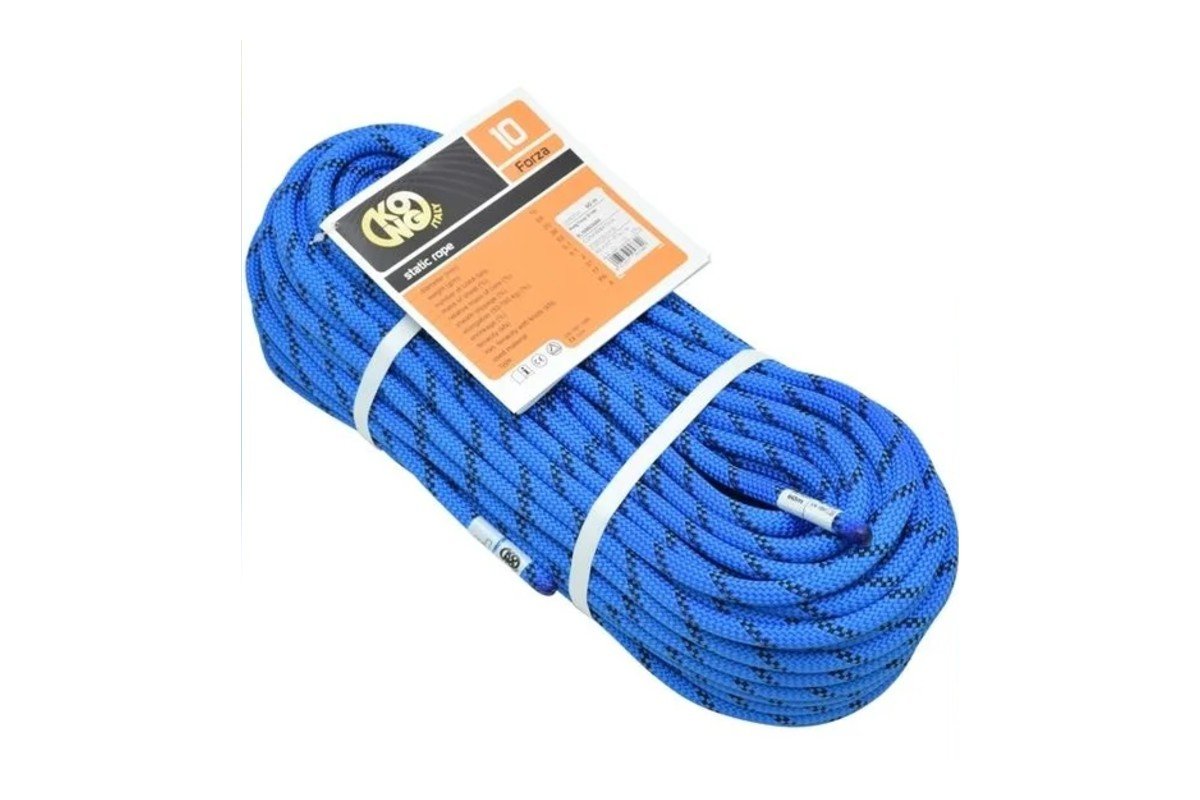
Semi-Static Rope: Essential Guide for Climbers and Rescuers
If you have ever climbed, worked at heights, or handled rescue equipment, you have probably heard about ropes. But not all ropes are the same. One type stands out for its unique balance of flexibility and strength: semi-static rope.
This rope is used by professionals and hobbyists alike, from cavers and climbers to firefighters and industrial workers. Understanding semi-static rope can help you make safer decisions and choose the right gear for your needs.
Let’s explore what semi-static rope is, how it compares to other ropes, where it’s used, what makes it special, and how to choose, care for, and use it correctly.
Key Takeaways
- What Is Semi-static Rope?
- Semi-static Vs Dynamic Rope
- Main Uses Of Semi-static Rope
- Technical Features And Specifications
- Choosing The Right Semi-static Rope
- Semi-static Rope Care And Maintenance
On this page
- What Is Semi-static Rope?
- Semi-static Vs Dynamic Rope
- Main Uses Of Semi-static Rope
- Technical Features And Specifications
- Choosing The Right Semi-static Rope
- Semi-static Rope Care And Maintenance
- Semi-static Rope In Sport And Adventure
- Semi-static Rope In Industry And Safety
- Safety Considerations And Risks
- Semi-static Rope Standards And Testing
- Semi-static Rope Lifespan And Retirement
- Semi-static Rope Knots And Techniques
- Environmental Impact And Sustainability
- Innovations And Trends In Semi-static Rope
- Frequently Asked Questions
What Is Semi-static Rope?
Related guides
Explore related guides: Static Rope: Essential Guide for Climbing and Rescue Safety · Non-Dry Dynamic Rope: Essential Guide for Climbers · Dynamic vs Static Rope: How to Choose the Right Climbing Line.



Semi-static rope, often called low-stretch rope, is designed to stretch only a little under load. Unlike dynamic rope, which is made to stretch and absorb shocks (like falls in climbing), semi-static rope stretches less—usually less than 10% when weighted. This unique feature makes it ideal for situations where you don’t want much movement, but you still need some flexibility.
The most common materials for semi-static rope are nylon and polyester. Both materials offer strong durability, high resistance to abrasion, and good handling. The rope’s construction usually uses a kernmantle design—a strong core (kern) protected by a woven sheath (mantle). This design gives the rope high strength and extra safety.
Semi-static ropes are manufactured under strict standards, such as those set by EN 1891 in Europe. These standards ensure ropes are safe for professional use and tested for strength, elongation, and durability.
Semi-static Vs Dynamic Rope
Understanding the difference between semi-static and dynamic ropes is key to choosing the right rope for the job. Here’s a direct comparison:
| Feature | Semi-Static Rope | Dynamic Rope |
|---|---|---|
| Stretch Under Load | Low (6–10%) | High (25–40%) |
| Main Use | Rappelling, rescue, caving, work at heights | Lead climbing, sport climbing |
| Shock Absorption | Minimal | Excellent |
| Safety In Falls | Not safe for lead falls | Designed to absorb falls |
| Standard | EN 1891 | EN 892 |
The most important takeaway: semi-static rope is not safe for lead climbing or situations where a fall is likely. It’s perfect for tasks where you need stability, such as rappelling, ascending, or rescue operations.
Main Uses Of Semi-static Rope
Semi-static rope is a favorite in many fields because of its balance between strength and controlled stretch. Here are the main areas where it’s used:
1. Rope Access And Work At Heights
Professionals who work on tall buildings, bridges, wind turbines, or towers rely on semi-static ropes for rope access. The rope’s low stretch keeps workers stable and secure while they move or hang in place. Safety is improved because the rope doesn’t bounce under weight.
2. Rescue And Emergency Operations
Firefighters, search-and-rescue teams, and paramedics use semi-static rope for evacuations, lowering, and raising people or equipment. Its strength and controlled stretch mean rescuers can work efficiently without sudden jolts.
3. Caving And Speleology
Cavers often descend or ascend vertical shafts. Semi-static rope is ideal for caving because it does not stretch much, making rope work predictable and safe. The rope’s durability also stands up to rough rock surfaces and mud.
4. Rappelling And Abseiling
Whether in climbing, canyoning, or industrial use, semi-static ropes are the standard for rappelling. They provide smooth, controlled movement and help prevent sudden drops.
5. Tree Climbing And Arboriculture
Tree workers and arborists use semi-static rope for climbing, positioning, and rigging. The rope’s low stretch lets them work precisely and safely in trees.
6. Industrial Rigging
Semi-static ropes are used to move heavy loads, secure equipment, or build temporary structures on job sites. Their strength and durability make them a reliable choice.
Technical Features And Specifications
Semi-static ropes are engineered for safety, efficiency, and durability. Here are the most important features to look for:
Diameter
Most semi-static ropes are between 8 mm and 13 mm thick. The diameter affects strength, weight, and handling.
- Thinner ropes (8–10 mm): Lightweight, easier to carry, but less strong.
- Thicker ropes (11–13 mm): Stronger and more durable, but heavier and harder to handle.
Strength
Semi-static ropes typically have a minimum breaking strength of 22–35 kN (kilonewtons). One kilonewton equals about 225 pounds of force. Strong ropes are needed for rescue or industrial work.
Elongation
These ropes stretch 6–10% under load. This is enough to reduce minor shocks but not enough for big falls.
Sheath And Core Construction
A semi-static rope’s kernmantle design features a strong core for main strength and a sheath for protection. The sheath is tightly woven to resist abrasion, dirt, and cuts.
Certification
Look for ropes certified to EN 1891 or similar standards. This shows the rope is tested for professional use.
Weight
Weight varies based on diameter and materials. Typical values are 50–80 grams per meter.
Color
Many ropes are bright or patterned for visibility and to help avoid mistakes in busy environments.
Choosing The Right Semi-static Rope
Selecting the best rope depends on your needs, environment, and experience. Here’s what matters most:
1. Intended Use
- Caving or rescue: Choose thicker ropes (10–11 mm) for durability and safety.
- Rappelling or sport use: Lighter ropes (8–9 mm) are easier to carry.
- Industrial work: Thicker, certified ropes (11–13 mm) are best for strength.
2. Certification
Always check for certification, such as EN 1891. This ensures the rope meets strict safety standards.
3. Rope Length
Estimate the length you need, plus extra for knots and anchors. Typical lengths are 30–100 meters. For complex rescues or deep caves, longer ropes may be required.
4. Sheath Quality
Look for a tightly woven sheath. It protects the core and increases lifespan, especially in rough or dirty environments.
5. Handling
Some ropes are stiffer, while others are more flexible. If you need easy knot tying, choose a rope with softer handling.
6. Weight
If you carry the rope long distances, lighter ropes are better. But don’t sacrifice strength for weight.
7. Color And Markings
Bright colors help avoid confusion and accidents. Some ropes have mid-point markers or end labels for easier use.
8. Price And Brand
Quality ropes are more expensive, but safety is worth it. Trusted brands include Petzl, Beal, Edelrid, and Sterling.
9. Common Buyer Mistakes
- Choosing ropes too thin for heavy use
- Ignoring certification
- Not considering sheath durability
- Buying ropes too short for planned routes
Semi-static Rope Care And Maintenance
Proper care keeps your rope strong and safe. Here’s how to maintain your semi-static rope:
Cleaning
- Wash with lukewarm water and mild soap.
- Avoid harsh chemicals or bleach.
- Let the rope dry in shade, never in direct sunlight or near heat sources.
Storage
- Store in a dry, cool place.
- Keep away from chemicals, oils, and sharp objects.
- Coil the rope loosely to prevent kinks.
Inspection
- Check the rope before each use.
- Look for cuts, abrasions, soft spots, discoloration, or changes in texture.
- Retire ropes if you see serious damage or after heavy use.
Retirement
- Most ropes last 5–10 years with normal use.
- Retire ropes sooner if they are exposed to chemicals, heavy loads, or frequent use.
Marking
- Use rope-friendly markers (not paint or tape) to mark ends or mid-points.
- Avoid chemicals that might weaken the rope.
Common Mistakes
- Storing ropes wet or dirty
- Using ropes near chemicals
- Failing to inspect regularly
- Overloading ropes beyond rated strength
Semi-static Rope In Sport And Adventure
Outdoor enthusiasts rely on semi-static rope for safe and fun adventures. Here are some popular activities:
Caving
Cavers often use 11 mm ropes for vertical drops. The rope’s durability handles rough rocks and mud. Experienced cavers use special rope techniques to avoid wear and tear.
Rappelling
Semi-static rope gives smooth, controlled descent. It’s used in climbing, canyoning, and even in military training. Beginners should practice rope management to avoid tangles.
Tree Climbing
Arborists use semi-static rope to move safely in trees. The rope lets them position themselves with precision while working with tools.
Rescue
Rescue teams use semi-static rope for lowering stretchers, raising victims, and setting anchors. The rope’s low stretch makes operations predictable and safe.
Semi-static Rope In Industry And Safety
Semi-static rope is essential in many industries:
Rope Access
Technicians clean windows, repair structures, or inspect bridges with rope access. The rope’s stability keeps workers safe and efficient.
Rigging
Heavy equipment and materials are moved using semi-static rope. It’s strong enough for big loads, but flexible for knots and anchors.
Emergency Response
Firefighters and rescue teams use semi-static rope for quick evacuations. The rope’s strength and predictability are critical in life-or-death situations.
Confined Spaces
Workers in tanks, silos, or tunnels use semi-static rope to stay safe and secure. The rope’s controlled stretch prevents surprises.
Safety Considerations And Risks
Semi-static ropes are strong, but misuse can cause accidents. Here’s how to stay safe:
Never Use For Lead Climbing
Semi-static rope does not absorb shock well. A fall on this rope can cause serious injury or death. Always use dynamic rope for lead climbing.
Avoid Overloading
Each rope has a maximum load. Do not exceed it. Factor in the weight of people, equipment, and forces from movement.
Inspect Before Use
Check for damage every time you use the rope. Replace ropes that show signs of wear.
Anchor Carefully
Always secure your rope to strong, stable anchors. Weak anchors can fail under load.
Protect From Abrasion
Use rope protectors or padding in rough areas. Abrasion can quickly weaken the rope.
Chemical Exposure
Keep ropes away from acids, oils, and solvents. These can damage fibers and reduce strength.
Common Mistakes
- Using semi-static rope in place of dynamic rope for climbing falls
- Ignoring manufacturer’s load ratings
- Failing to check anchors and rope condition
- Not using rope protectors in rough terrain
Semi-static Rope Standards And Testing
Semi-static ropes are tested and certified under strict standards. The main standard is EN 1891, which covers low-stretch kernmantle ropes for safety use.
En 1891 Requirements
- Minimum breaking strength: 22 kN
- Elongation under load: Less than 10%
- Sheath slippage: Less than 10 mm
- Resistance to abrasion and chemicals
Manufacturers conduct tests for strength, elongation, sheath protection, and durability. Certified ropes are safer and more reliable.
Other Standards
- UIAA (International Climbing and Mountaineering Federation): Also sets standards for climbing ropes.
- NFPA (National Fire Protection Association): For rescue ropes in the US.
Example Data
Here’s a comparison of three popular certified semi-static ropes:
| Brand / Model | Diameter | Breaking Strength (kN) | Weight (g/m) | Certification |
|---|---|---|---|---|
| Petzl Vector | 11 mm | 34 kN | 78 | EN 1891, NFPA |
| Beal Industrie | 10.5 mm | 28 kN | 69 | EN 1891 |
| Edelrid Safety Super | 10 mm | 25 kN | 62 | EN 1891 |
Semi-static Rope Lifespan And Retirement
A rope’s lifespan depends on use, care, and exposure to hazards. Here’s what affects lifespan:
Factors Affecting Lifespan
- Frequency of use: Regular use shortens lifespan.
- Exposure: Sun, chemicals, dirt, and sharp surfaces wear ropes faster.
- Load: Heavy loads or shocks reduce strength.
- Storage: Poor storage causes mold, mildew, and weakening.
Signs To Retire Your Rope
- Cuts or deep abrasions
- Soft spots or lumps
- Discoloration or stiffness
- Sheath slippage or damage
- Exposure to dangerous chemicals
Typical Lifespan
Most ropes last 5–10 years if used carefully. In rescue or industrial work, ropes may be retired after 1–3 years due to heavy use.
Rope Retirement Best Practices
- Cut and destroy retired ropes to prevent accidental use.
- Document rope history for professional use.
- Replace ropes after heavy loads, even if they look undamaged.
Semi-static Rope Knots And Techniques
Using the right knots is important for safety and efficiency. Here are some common knots:
Figure Eight Knot
Used for anchoring and tying into harnesses. It’s strong and easy to inspect.
Double Fisherman’s Knot
Joins two ropes for extension or backup. It’s reliable and compact.
Prusik Knot
Creates a friction hitch for ascending or backup. Works well with semi-static rope.
Clove Hitch
Used for quick anchoring. Easy to tie and adjust.
Bowline
Forms a secure loop at the end of the rope. Useful for rescue and rigging.
Tips For Knot Tying
- Practice knots before use
- Dress knots neatly (no twists)
- Leave enough tail (at least 10 cm)
- Inspect knots regularly
Common Knot Mistakes
- Using knots not suited for semi-static rope (some slip under load)
- Not leaving enough tail
- Ignoring knot dressing
- Failing to check knots before use
Environmental Impact And Sustainability
Rope manufacturing uses resources and creates waste. Here’s how to reduce impact:
Materials
Most semi-static ropes are made from nylon or polyester. Some companies now use recycled materials.
Production
Rope production uses water, energy, and chemicals. Brands are trying to reduce waste and pollution.
Disposal
Retired ropes can be recycled or reused for non-safety purposes (like art, gardening, or dog toys). Never throw ropes in nature.
Sustainable Brands
Some brands offer eco-friendly ropes. Look for certifications or information on their website.
Reducing Your Impact
- Buy durable ropes (longer lifespan)
- Care for ropes to avoid early retirement
- Recycle or repurpose retired ropes
Innovations And Trends In Semi-static Rope
The rope industry is always improving. Here are recent innovations:
Advanced Sheath Technology
New sheath designs resist abrasion, dirt, and water better. Some ropes use hydrophobic coatings to stay dry.
Color Coding
Ropes come in bright colors or patterns for easy identification. Some ropes have mid-point markings or end labels.
Lightweight Construction
Manufacturers are making lighter ropes without sacrificing strength. This helps outdoor users carry less weight.
Eco-friendly Materials
Some brands use recycled polyester or less polluting processes.
Smart Rope Tracking
Professional users track rope history with digital apps or QR codes. This helps with safety and retirement decisions.
Real-world Example
During a rescue in a cave, a team used a semi-static rope with a special sheath. The rope stayed clean and strong after hours of muddy use. This shows how innovations can make a difference.
Frequently Asked Questions
What Is The Main Difference Between Semi-static And Dynamic Rope?
The biggest difference is stretch. Semi-static rope stretches only a little (about 6–10%), while dynamic rope stretches a lot (25–40%). Semi-static rope is best for rappelling, rescue, and caving. Dynamic rope is needed for lead climbing because it absorbs falls.
Can I Use Semi-static Rope For Climbing?
You can use semi-static rope for rappelling, fixed lines, or ascending, but not for lead climbing. It does not absorb shocks from falls, which can cause injury. For lead climbing, always use dynamic rope.
How Long Does Semi-static Rope Last?
With proper care, semi-static rope lasts 5–10 years. Heavy use, exposure to chemicals, or frequent loads can shorten lifespan. Inspect your rope regularly and retire it if you see damage or after big shocks.
What Certifications Should I Look For?
Look for EN 1891 certification for safety use. Other certifications include NFPA (for rescue) and UIAA (for climbing). Certified ropes are tested for strength, durability, and safe use.
How Do I Clean And Store My Semi-static Rope?
Wash with mild soap and lukewarm water. Let the rope dry in shade. Store in a cool, dry place, away from chemicals and sunlight. Coil loosely to prevent kinks. Inspect before and after each use.
Semi-static rope is a trusted tool for many professionals and adventurers. With the right knowledge, you can choose, use, and care for your rope safely and confidently. If you want to learn more about rope standards, check the EN 1891 overview for detailed information.
Whether you are exploring caves, working at heights, or joining a rescue team, understanding semi-static rope can make your activities safer and more successful. Remember: safety starts with the right gear and careful use.



2 Comments