
How to Start Rock Climbing Outdoors: Essential Tips for Beginners
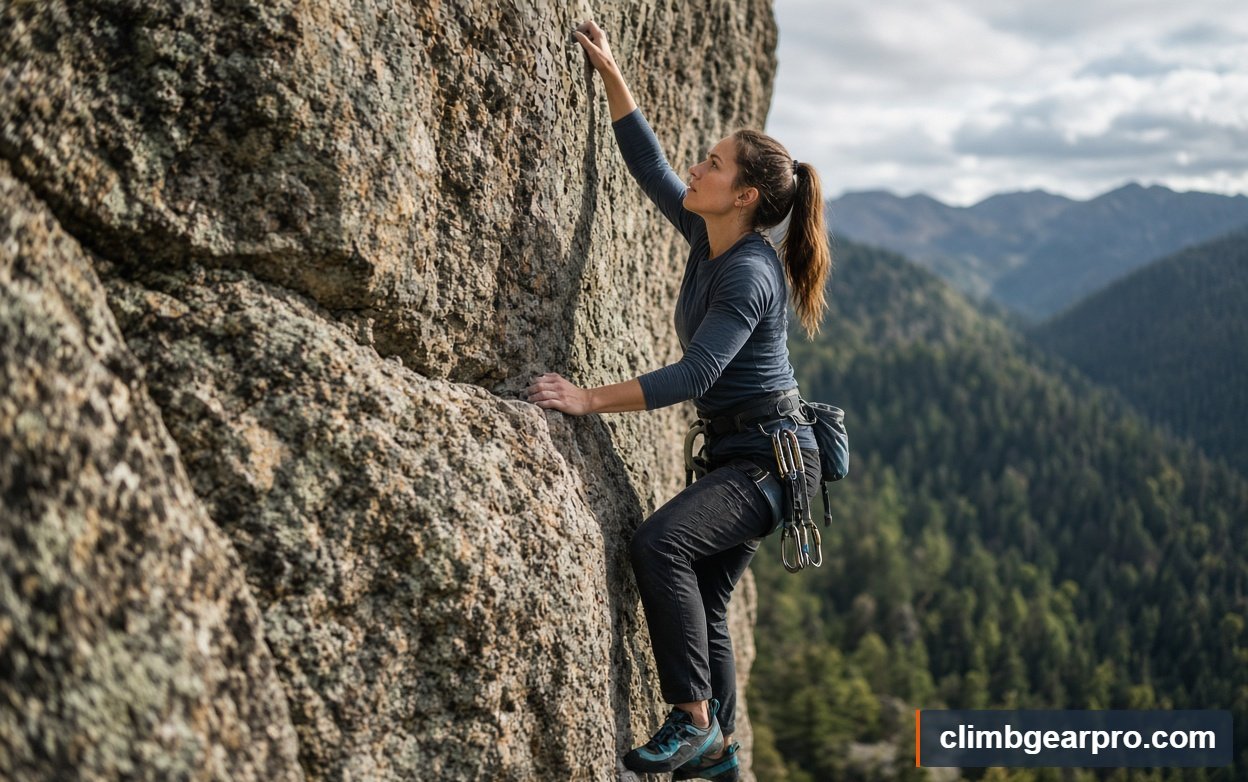
Have you ever stood at the base of a towering rock face and felt a mix of excitement and nervousness? Starting rock climbing outdoors can be one of the most thrilling and rewarding adventures you’ll ever take on.
But where do you begin? What gear do you need? How do you stay safe while pushing your limits? This guide is made just for you—to help you take that first step confidently. By the end, you’ll know exactly how to get started, so you can enjoy the rush of climbing on real rock and experience nature like never before.
Ready to climb higher? Let’s dive in.
Key Takeaways
- Choosing The Right Gear
- Finding Safe Climbing Spots
- Learning Basic Techniques
- Safety Practices And Risk Management
- Joining The Climbing Community
- Frequently Asked Questions
On this page
Recommended Products for Beginner Climbing Gear




Choosing The Right Gear
Starting rock climbing outdoors means picking the right gear. This choice affects safety, comfort, and success on the rocks. Good gear supports climbing safety and helps you enjoy the climb. Beginners should focus on essential equipment and suitable clothing and footwear. These basics provide a strong start at climbing spots outdoors.
Essential Equipment
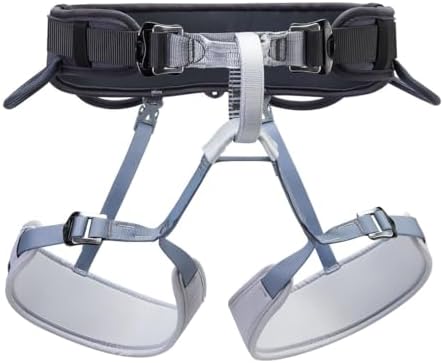
Essential equipment keeps you safe and confident. A climbing harness fits around your waist and legs. It connects you to climbing ropes and your belayer. Always check harness fit before climbing. A good harness feels snug but not tight.
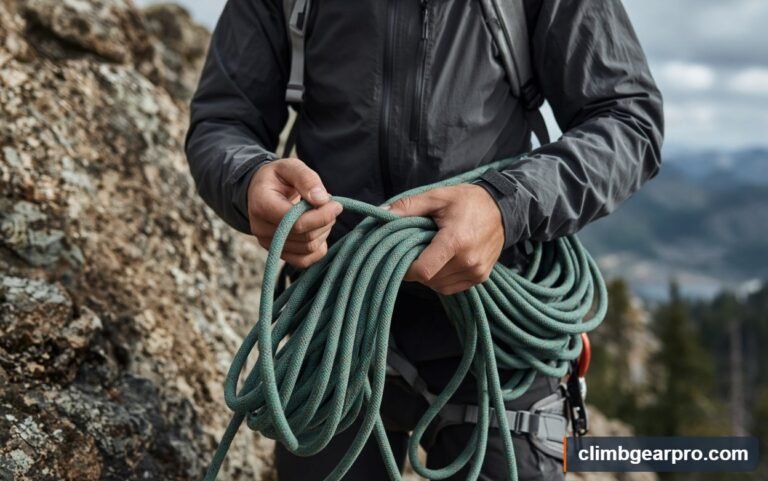
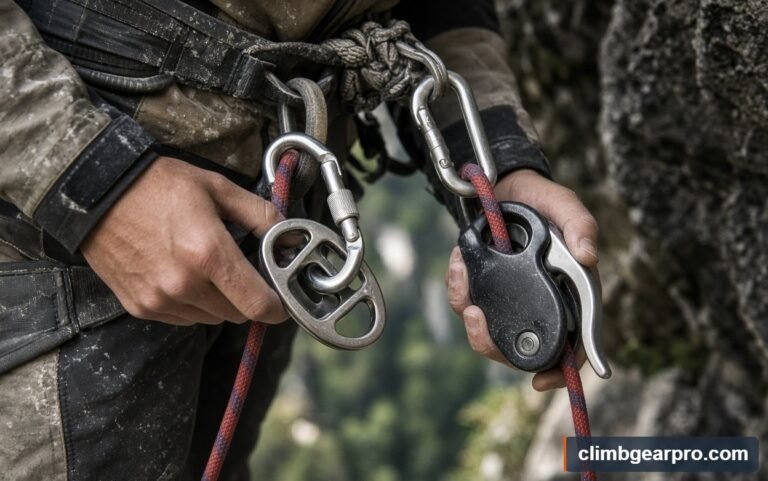
Climbing ropes are strong and flexible. Use dynamic ropes that stretch slightly to absorb falls. Learn basic belaying techniques to control the rope and protect your partner. A belay device helps manage rope friction and keeps the climber safe.
Climbing chalk keeps your hands dry for a better grip. Chalk bags hold the chalk and attach to your harness. Chalk improves your hold on slippery rocks, especially on hot or sweaty days.
Other useful gear includes:
- Climbing helmet: Protects your head from falling rocks and bumps.
- Carabiners: Metal clips for attaching ropes and gear quickly.
- Quickdraws: Connect ropes to bolts on sport climbs.
- Climbing gloves: Protect hands during belaying or crack climbing.
| Gear | Purpose | Notes |
|---|---|---|
| Climbing Harness | Secures climber to rope | Must fit well and be comfortable |
| Climbing Ropes | Supports climber during ascent | Use dynamic ropes for safety |
| Chalk Bag | Keeps hands dry | Helps with grip on holds |
| Belay Device | Controls rope for belaying | Essential for climbing safety |
Clothing And Footwear
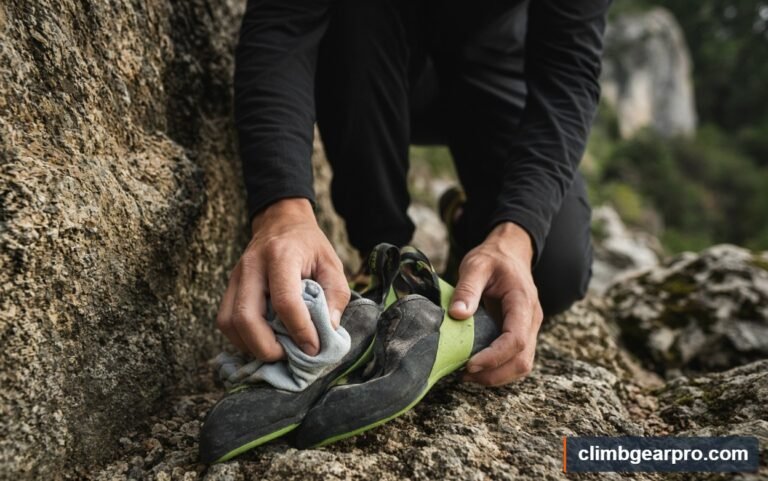
Proper clothing and footwear improve comfort and performance outdoors. Climbing shoes are vital. They fit tightly and have sticky rubber soles. This design helps grip small holds and edges. Select shoes based on your climbing style. For bouldering basics, softer shoes offer flexibility. For sport climbing, stiffer shoes provide support.
Wear breathable, stretchy clothes. They allow easy movement and keep you cool. Avoid baggy pants that can catch on rocks or gear. Layer clothes to adjust to weather changes at climbing spots outdoors. A lightweight jacket helps on cooler days.
Footwear and clothing tips:
- Choose climbing shoes that fit snugly but not painfully.
- Wear moisture-wicking socks or go without socks for better shoe fit.
- Select quick-dry shirts and pants made of synthetic materials.
- Bring a hat or sunglasses for sun protection.
- Avoid cotton, which traps sweat and slows drying.
Remember, climbing safety depends on your gear and how you use it. Comfortable clothing and the right shoes make climbing easier and safer. Prepare well for your outdoor climbing adventures.
Finding Safe Climbing Spots
Starting rock climbing outdoors requires more than just strength and climbing gear essentials. One of the most critical steps is finding safe climbing spots. Safety in rock climbing depends greatly on choosing the right locations and understanding the climbing environment assessment. This section covers how to find local climbing areas and evaluate rock quality. These steps help beginners follow a beginner rock climbing guide to stay safe and enjoy the sport.
Local Climbing Areas
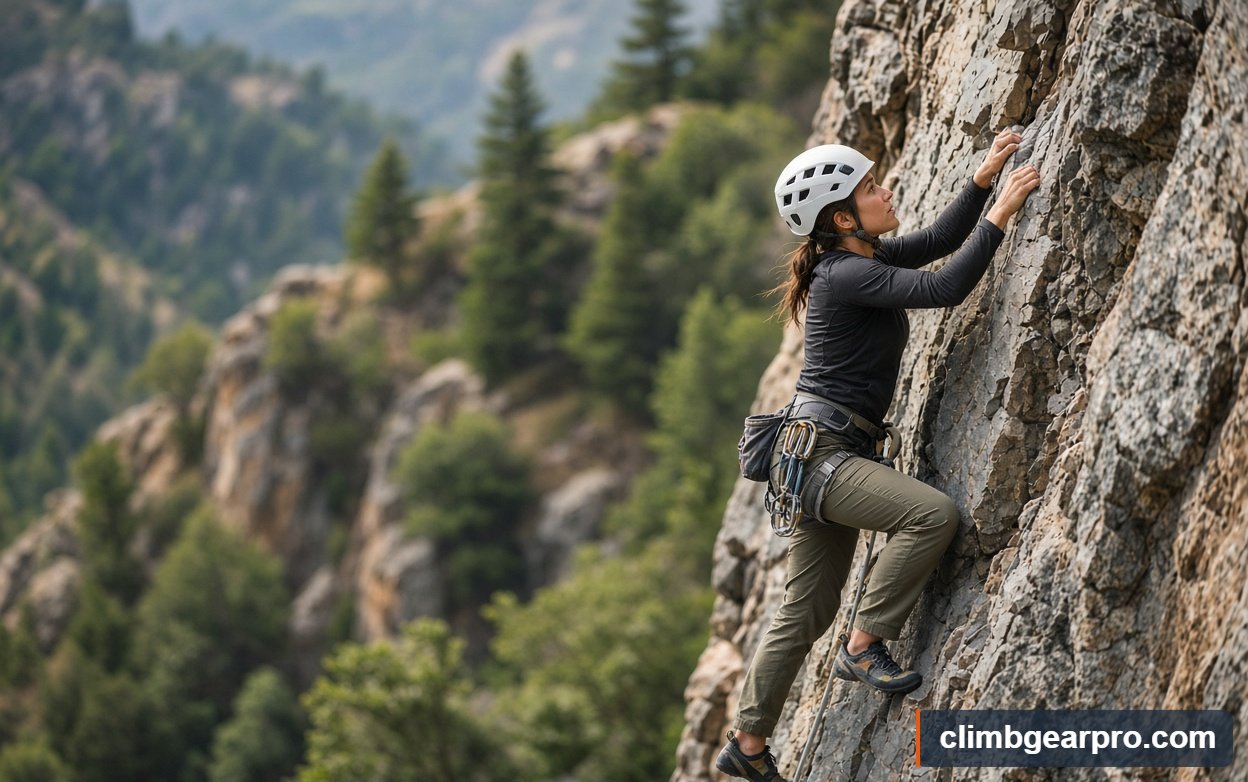
Finding local climbing spots is the first move in outdoor rock climbing preparation. These areas offer a chance to practice climbing techniques for beginners in a controlled, familiar environment. Local climbing areas often have established rock climbing routes suitable for all skill levels.
Use these tips to find good local climbing areas:
- Research online: Check websites and forums dedicated to outdoor climbing.
- Visit local climbing gyms: Ask staff and climbers about nearby outdoor spots.
- Join climbing groups: Local clubs often organize trips to safe spots.
- Check maps and guidebooks: These show popular routes and access points.
Here is a table showing examples of local climbing areas and their features:
| Area Name | Type of Rock | Difficulty Levels | Accessibility |
|---|---|---|---|
| Echo Canyon | Sandstone | Beginner to Intermediate | Easy, parking nearby |
| Maple Ridge | Granite | All levels | Moderate, short hike |
| Sunset Crag | Limestone | Beginner to Advanced | Easy, public transport access |
Pick spots with clear trails and official access. Respect local rules and avoid climbing in protected areas. Visiting popular local climbing spots helps build confidence and skills safely.
Assessing Rock Quality
Evaluating rock surfaces is essential for safety in rock climbing. Poor rock quality increases the risk of falls and injuries. Climbing environment assessment involves checking the rock’s stability, texture, and potential hazards before climbing.
Follow these steps to assess rock quality:
- Visual Inspection: Look for cracks, loose rocks, and erosion.
- Sound Test: Tap the rock gently with your hand or a tool. A solid sound means stable rock.
- Surface Texture: Rough surfaces provide better grip than smooth or polished rock.
- Check Weather Effects: Avoid climbing on wet or icy rock to reduce slipping risks.
- Consult Local Guides: They can share information on rock quality for popular routes.
Here is a quick checklist for evaluating rock quality:
- Stable rock with no loose fragments
- Non-crumbling edges or holds
- Dry and clean surfaces
- Good friction for hands and feet
- No signs of recent rockfall or erosion
Proper evaluation supports outdoor climbing preparation and improves safety in rock climbing. It helps beginners follow the beginner rock climbing guide effectively and enjoy climbing outdoors without unexpected dangers.
Learning Basic Techniques
Starting rock climbing outdoors requires a strong foundation in basic techniques. Learning these skills helps build confidence and keeps climbers safe. Focus on climbing movements and belaying skills first. These form the core of rock climbing basics. Practicing them regularly makes outdoor climbing easier and more enjoyable. Begin with simple exercises and gradually increase difficulty. Understanding climbing movement patterns and proper belaying methods prepares you for real climbing routes. Also, developing good climbing partner communication is key for safety and teamwork. Outdoor climbing training often includes these basics before tackling challenging climbs.
Climbing Movements
Climbing movements are the physical actions used to move on the rock surface. Learning proper movement helps save energy and avoid injuries. Start by focusing on balance and body positioning. Here are some beginner climbing techniques to practice:
- Foot Placement: Use the edges of your climbing shoes on small holds. Place feet precisely.
- Body Position: Keep your hips close to the wall to improve balance.
- Hand Holds: Use open hand grips when possible to reduce finger strain.
- Weight Shifting: Move your weight smoothly from one foot to the other.
- Resting Positions: Find spots to relax your arms and legs during a climb.
Below is a table showing common climbing movement patterns used in outdoor rock climbing tips:
| Movement Pattern | Description | Purpose |
|---|---|---|
| Smearing | Pressing the shoe sole flat on smooth rock | Gain friction on slabs without clear holds |
| Edging | Using the shoe’s edge on small ledges or cracks | Increase balance on narrow footholds |
| Crimping | Gripping small edges with fingertips | Hold onto tiny hand holds |
| Jamming | Inserting hands or feet into cracks to hold | Secure position on crack climbs |
Practice these movements on easy routes before trying harder climbs. Combine them smoothly for better control. This approach improves your outdoor climbing equipment use and overall climbing route planning.
Belaying Skills
Belaying skills are crucial for climbing safety. Belaying methods involve managing the rope to protect the climber from falls. Proper belaying requires focus, practice, and clear climbing partner communication. Start by learning the correct use of belay devices and knots. Outdoor climbing training emphasizes these basics before climbing outdoors.
Key steps in belaying include:
- Setting Up the Belay: Attach the belay device to your harness with a locking carabiner.
- Managing the Rope: Keep the rope taut to catch falls quickly.
- Paying Attention: Watch the climber closely to react fast.
- Lowering the Climber: Use smooth, controlled movements to lower safely.
- Communication: Use clear commands like “On belay” and “Climbing” to avoid confusion.
Here is a simple checklist for belaying safety gear and actions:
| Belaying Item | Purpose | Check Before Use |
|---|---|---|
| Belay Device | Controls rope friction during belay | Properly attached and locked |
| Locking Carabiner | Secures device to harness | Locked and undamaged |
| Climbing Rope | Connects climber and belayer | Good condition, no frays |
| Harness | Worn by both climber and belayer | Snug fit and buckled correctly |
Mastering belaying skills ensures your safety and your partner’s. Practice with an experienced climber or instructor. Consistent training improves your confidence in outdoor rock climbing scenarios.
Safety Practices And Risk Management
Starting rock climbing outdoors requires careful attention to safety practices and risk management. These steps protect climbers from accidents and injuries. Understanding risks and preparing well are key parts of outdoor rock climbing skills. Beginners must learn how to check their gear and watch the weather closely. Good preparation helps climbers enjoy the activity while staying safe. This section covers two vital topics: checking equipment and weather considerations.
Checking Equipment
Before climbing, inspect all rock climbing equipment essentials carefully. Every item must be in perfect condition to avoid accidents. Use a climbing gear checklist to verify each piece. Here are important steps:
- Harness: Look for tears, frays, and worn areas on straps and buckles.
- Rope: Check for cuts, abrasions, or soft spots. Make sure the rope is clean and dry.
- Carabiners: Test the gates for smooth opening and closing. Look for cracks or rust.
- Belay Device: Ensure it works properly without jams or damage.
- Helmet: Check for cracks or dents that reduce protection.
Use this simple table to track your rock climbing preparation:
| Equipment | Checkpoints | Status (OK/Needs Repair) |
|---|---|---|
| Harness | Straps, buckles, stitching | |
| Rope | Surface damage, flexibility | |
| Carabiners | Gate function, body condition | |
| Belay Device | Operation smoothness | |
| Helmet | Cracks, dents |
Always replace damaged gear. Never risk safety by using faulty equipment. Learning beginner climbing techniques includes knowing how to maintain gear. Keep your gear clean and dry. Store it properly after every climb. A well-kept set of equipment increases your outdoor climbing safety.
Weather Considerations
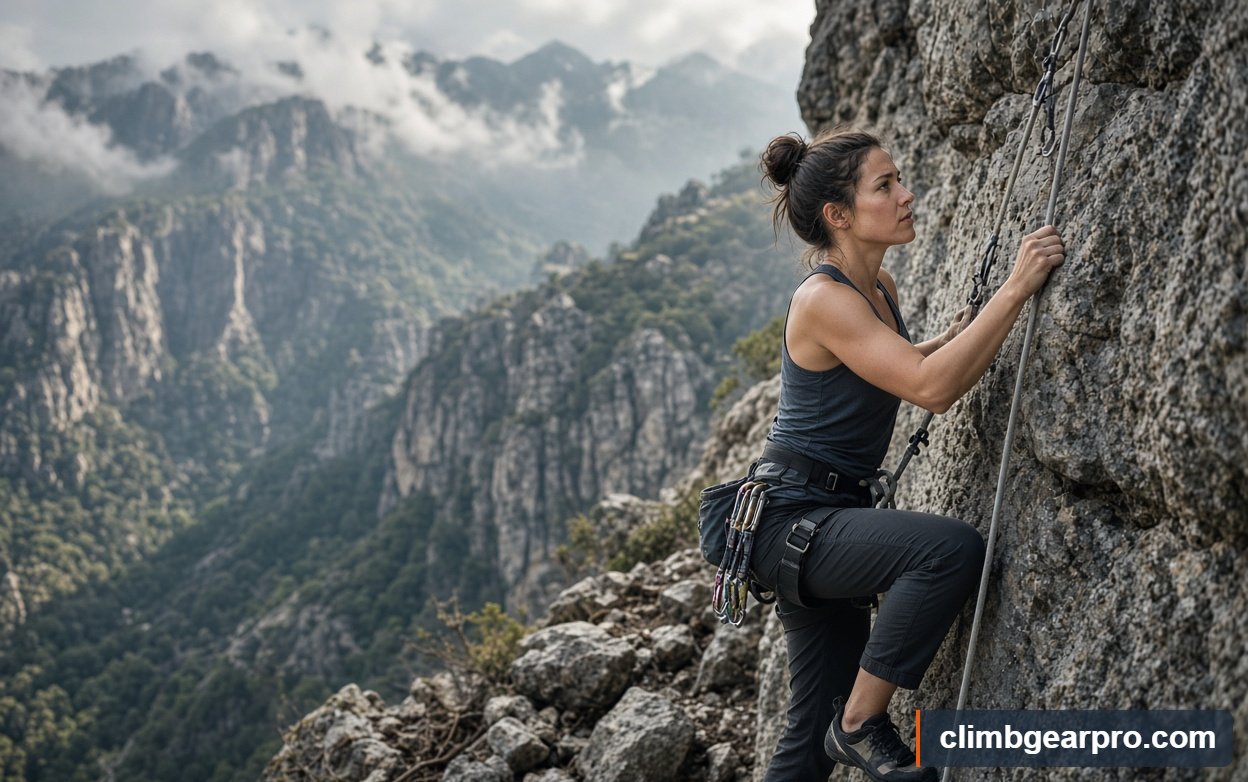
Weather safety for climbers is essential. Outdoor climbing safety depends on recognizing climbing weather conditions. Storms, rain, or extreme heat can cause dangerous situations. Check the local weather forecast before any outdoor rock climbing trip. Use apps or websites that provide detailed updates. Remember these points:
- Avoid climbing during rain or thunderstorms. Wet rocks become slippery and unsafe.
- Strong winds can make balance difficult on exposed routes.
- High temperatures may cause dehydration or heat stroke.
- Cold weather increases the risk of hypothermia and frostbite.
- Sun protection is necessary, even on cloudy days.
Use this quick guide to evaluate climbing weather conditions:
| Condition | Risk Level | Recommended Action |
|---|---|---|
| Clear skies, mild temperature | Low | Good for climbing |
| Cloudy, light wind | Moderate | Proceed with caution |
| Rain or thunderstorms | High | Postpone climb |
| Strong winds | High | Consider alternative plans |
| Extreme heat or cold | High | Prepare gear accordingly |
Always carry extra clothing and water. Plan your climb to avoid the hottest or coldest hours of the day. Outdoor climbing skills include knowing when to stop or reschedule due to weather. Following a beginner outdoor climbing guide will help you build these habits. Your safety depends on respecting nature’s power.
Joining The Climbing Community
Joining the climbing community is one of the best ways to start rock climbing outdoors. It helps with learning proper techniques, finding climbing partners, and staying safe. The community offers support and advice that beginners need. Meeting others who love climbing creates fun and motivation. It also gives access to valuable resources like climbing gear essentials and rock climbing training. Being part of a group makes outdoor climbing preparation easier and more enjoyable.
Climbing Groups And Clubs
Joining climbing groups and clubs is an excellent way to dive into the sport. These groups often organize trips to popular climbing spots near me, making it easier to explore new areas safely. Many clubs focus on teaching climbing techniques for beginners. They offer workshops and training sessions that cover rock climbing safety and outdoor rock climbing tips.
Benefits of joining a climbing group or club:
- Access to experienced climbers: Learn from those who have climbed for years.
- Regular meet-ups: Practice skills and find climbing partner advice.
- Group discounts: Save on climbing gear essentials and training courses.
- Organized trips: Visit different climbing spots near me safely.
| Group Type | Focus | Benefits |
|---|---|---|
| Local Climbing Clubs | Community and training | Regular meet-ups, beginner support |
| Outdoor Adventure Groups | Outdoor climbing and trips | Organized outdoor climbing trips |
| Online Climbing Forums | Advice and gear discussions | Climbing partner advice, gear tips |
Joining any of these groups helps with outdoor climbing preparation. It builds confidence and knowledge for bouldering vs sport climbing choices. Climbing with others also improves safety and fun.
Finding A Mentor
Finding a mentor can speed up progress in rock climbing. A mentor shares important skills and advice from their experience. They teach climbing techniques for beginners and explain rock climbing safety rules. Mentors guide you through the differences between bouldering vs sport climbing and help pick the right style.
Ways a mentor helps:
- Personalized coaching: Tailored tips on climbing gear essentials and training.
- Safety guidance: Learn how to avoid injuries and climb smart.
- Outdoor climbing preparation: Plan trips and choose climbing spots near me.
- Motivation and support: Push through challenges and improve skills.
To find a mentor:
- Ask in climbing groups and clubs.
- Attend local climbing gym events.
- Join online forums focused on beginner rock climbing guide topics.
A good mentor helps make rock climbing enjoyable and safe. Their advice can improve your technique and confidence outdoors.
Frequently Asked Questions
What Gear Is Essential For Outdoor Rock Climbing?
Essential gear includes climbing shoes, harness, helmet, ropes, belay device, chalk bag, and quickdraws. Quality gear ensures safety and performance outdoors.
How Do I Find Beginner-friendly Climbing Spots?
Search local climbing guides, forums, or apps for beginner routes. Visit popular climbing areas with easy access and gentle climbs.
What Safety Tips Should Beginners Follow Outdoors?
Always double-check knots and harness fit. Use a helmet and climb with a partner. Learn proper belaying and communication techniques.
How Can I Improve My Outdoor Climbing Skills?
Practice regularly, focus on technique, and learn from experienced climbers. Attend workshops and study route reading to enhance skills.
Conclusion
Starting outdoor rock climbing can be fun and rewarding. Begin with basic gear and learn safety rules. Practice on easy climbs to build confidence. Always climb with a partner for safety. Respect nature and leave no trace behind. Keep learning and enjoy every climb you do.
Step by step, you will improve your skills. Adventure awaits outside—just take the first step.
5 Comments