
Climbing Etiquette at the Gym And Crag: Essential Rules to Follow
Key Takeaways
- Why Etiquette Matters In Climbing
- Gym Etiquette: The Basics
- Outdoor Crag Etiquette: Key Principles
- Unspoken Rules Every Climber Should Know
- Safety And Communication
- How To Handle Conflict Or Mistakes
On this page
- Why Etiquette Matters In Climbing
- Gym Etiquette: The Basics
- Outdoor Crag Etiquette: Key Principles
- Unspoken Rules Every Climber Should Know
- Safety And Communication
- How To Handle Conflict Or Mistakes
- Social Media And Climbing Etiquette
- Special Considerations: Groups, Events, And Classes
- Children And Family Etiquette
- Environmental Stewardship At The Crag
- Climbing Etiquette For Beginners
- Advanced Etiquette: For Experienced Climbers
- Etiquette For Different Types Of Climbing
- Etiquette Data Table: Gym Vs Crag Usage
- How To Learn More
- Frequently Asked Questions
Recommended Products for Climbing Gear Essentials





Climbing Etiquette At The Gym And Crag
Climbing is growing fast. Indoor gyms and outdoor crags are busier than ever. But more climbers also means more chances for misunderstandings, conflict, and even accidents. Good etiquette—how you act around other climbers—matters a lot. It makes climbing safer, friendlier, and more fun for everyone.
Whether you’re just starting out or you’ve been climbing for years, knowing the right way to behave isn’t always obvious. Gyms and crags both have their own rules and customs. Sometimes, the unwritten rules are just as important as the posted ones.
In this guide, you’ll learn how to be a responsible climber at both the gym and outdoors, avoid common mistakes, and help create a positive climbing community.
Why Etiquette Matters In Climbing
Climbing is not just about strength or skill. It’s also about trust and respect. You often depend on others for safety, and the community thrives when everyone follows basic etiquette. Bad manners or ignorance can ruin someone’s session, damage the environment, or even cause injury.
Statistics show that indoor climbing is booming. In the United States, over 5 million people climbed indoors in 2023, according to the Climbing Business Journal. Outdoor climbing is also seeing big increases, especially at popular crags. This means more people sharing space and resources, making etiquette more important than ever.
But etiquette is not just about rules. It’s about making climbing enjoyable and sustainable for all. A few simple actions can prevent most problems.
Gym Etiquette: The Basics
Indoor climbing gyms have clear rules, but not everything is written down. Understanding both posted rules and unwritten customs is key. Here are the main points you need to know.
Respect Gym Rules And Staff
Every gym has its own rules. These cover safety, cleanliness, and conduct. Always read and follow them. If you’re not sure, ask the staff. They are there to help and keep everyone safe.
Ignoring staff instructions is a common beginner mistake. It can put you and others at risk. If a staff member asks you to change your behavior, do so politely.
Share Space And Routes
Gyms get crowded, especially during busy hours. It’s important to share the space:
- Wait your turn for popular routes.
- Avoid blocking others’ path, both on the wall and on the ground.
- If someone is climbing, don’t stand or sit directly below them.
- Don’t “camp out” on a route for too long.
Most gyms use a “rotation” system. After one attempt, step back and let others try. If you’re projecting (working a hard route), be mindful not to hog the route.
Avoid Unwanted Advice
Giving beta (advice on climbing moves) can be helpful, but not everyone wants it. Ask before you give tips. Some climbers prefer to solve problems on their own.
A common mistake is assuming beginners want help. Sometimes, unsolicited advice can be distracting or discouraging.
Keep Noise Down
Loud conversations or shouting can disturb others. Try to keep your voice low, especially near people who are concentrating or belaying.
Some gyms play music. If you use headphones, keep the volume low so you can still hear safety instructions.
Clean Up After Yourself
Climbing gyms work hard to stay clean. Help out by:
- Wiping chalk spills.
- Putting trash in bins.
- Returning rental gear after use.
- Not leaving shoes, bags, or water bottles scattered.
Leaving a mess is disrespectful and can create safety hazards.
Respect Personal Space
Climbing is social, but everyone needs space. Don’t crowd others while they climb or rest. Give at least 3–4 feet of space between yourself and other climbers on the ground.
If someone is prepping for a climb, avoid interrupting their focus.
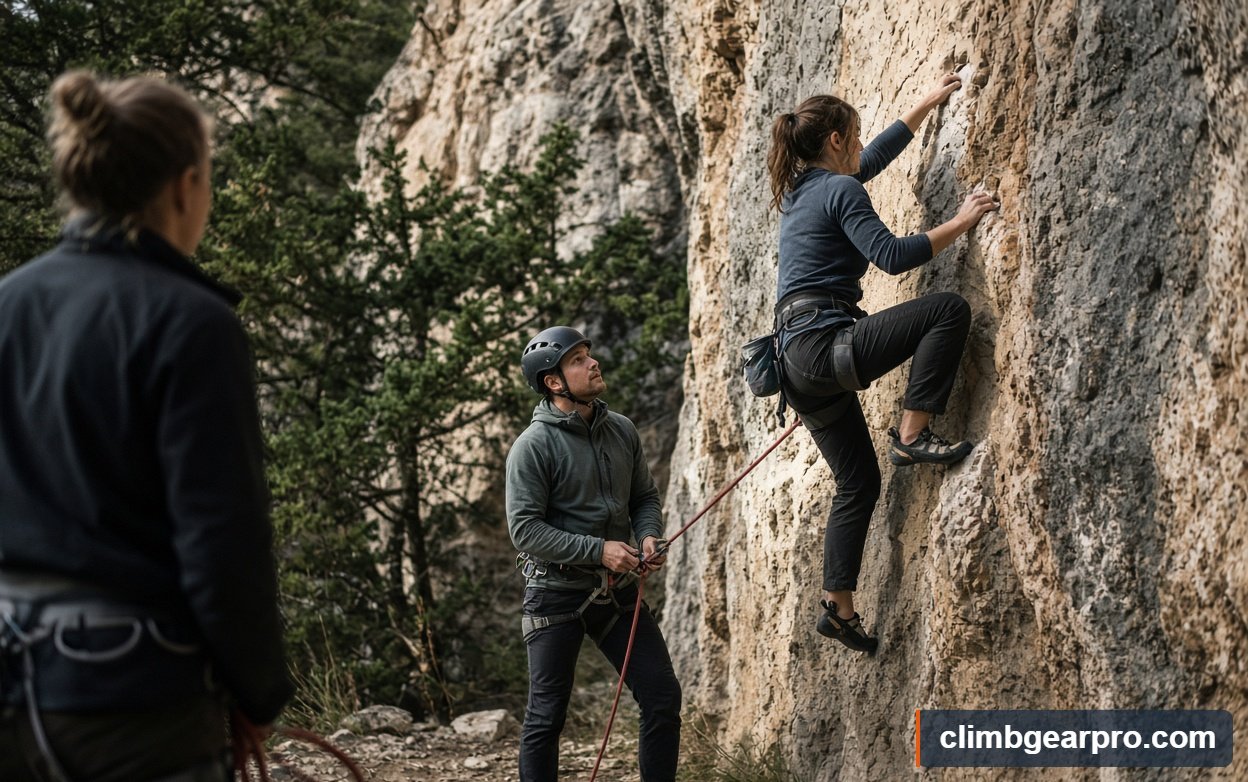
Belay Etiquette
Belaying is a big responsibility. Make sure you:
- Know the gym’s belay rules.
- Use proper commands (“On belay,” “Climbing,” etc. ).
- Never be distracted by your phone or conversation while belaying.
- Stand close to the wall to avoid slack.
Distracted belaying is a leading cause of accidents in gyms. Always give full attention to your climber.
Gear And Equipment
Use only your own gear unless you’ve asked first. Don’t borrow someone’s shoes, harness, or chalk bag without permission.
If you see gear left unattended, don’t touch it. Sometimes people leave items to mark their place in line.
Hygiene And Clothing
Climbing is physical. Good hygiene is important:
- Wear clean clothes.
- Wash your hands before and after climbing.
- Avoid strong perfumes or colognes.
- Don’t climb barefoot unless the gym allows it.
Sweaty gear can smell bad. If your shoes or harness are dirty, clean them regularly.
Gym Etiquette Comparison Table
Here’s a quick look at common etiquette mistakes and how to fix them:
| Common Mistake | Better Etiquette |
|---|---|
| Hogging routes | Take turns, rotate after each attempt |
| Giving unsolicited beta | Ask before giving advice |
| Leaving gear everywhere | Keep gear organized and out of others’ way |
| Belaying while distracted | Focus fully on your climber |
| Ignoring staff instructions | Respect staff and gym rules |
Outdoor Crag Etiquette: Key Principles
Climbing outdoors is very different from the gym. You’re not just sharing space with other climbers—you’re also responsible for protecting the environment. Here’s how to be a good guest at the crag.
Leave No Trace
The most important rule at any crag is Leave No Trace. This means:
- Pack out all trash, including food wrappers and tape.
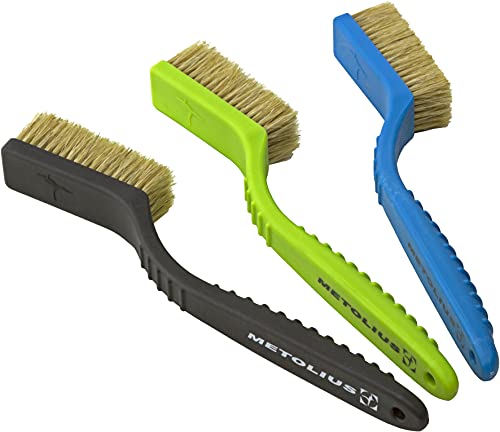
- Brush chalk off holds after climbing.
- Stay on marked trails to avoid damaging plants.
- Never leave toilet paper or waste behind.
Climbing areas are fragile. Even small acts, like picking up litter, help keep them open for everyone.
Respect Access And Local Rules
Many climbing areas have special rules. Some require permits, others have restricted hours, and some ban certain gear (like fixed draws or chalk). Always research before you go.
Ignoring access rules is a serious mistake. It can lead to closures for everyone.
Be Courteous To Other Climbers
Outdoor crags can get crowded. To avoid conflict:
- Wait your turn for routes.
- Don’t play loud music or shout.
- Keep pets under control.
- Avoid blocking trails or belay areas.
If you’re climbing in a group, be mindful not to dominate the area.
Protect The Environment
Climbing impacts the natural world. You can minimize it by:
- Using natural anchors when possible.
- Avoiding fragile plants or moss on rocks.
- Not picking flowers or disturbing wildlife.
Some areas have rare species living on cliffs. Learn about local ecology and follow guidelines.
Manage Human Waste Properly
Outdoor areas often lack toilets. Bring a wag bag or follow local rules for waste disposal. Never leave waste near climbing routes or trails.
Proper waste management is one of the biggest challenges at busy crags.
Respect Gear And Fixed Equipment
If you find gear left behind (like quickdraws or anchors), it’s often for safety or route marking. Don’t remove gear unless you know it’s abandoned.
If you place fixed gear, use high-quality materials and check them regularly.
Outdoor Etiquette Comparison Table
Here’s a comparison of etiquette differences between gym and crag:
| Aspect | Gym Etiquette | Crag Etiquette |
|---|---|---|
| Trash | Use bins | Pack it out |
| Noise | Keep voice down | Respect nature, avoid loud music |
| Gear | Return rentals | Respect fixed gear, don’t remove without reason |
| Holds | Wipe chalk spills | Brush off chalk, avoid damaging rock |
| Waste | Restrooms available | Use wag bags or follow local guidelines |
Unspoken Rules Every Climber Should Know
Some etiquette is never posted on signs. It’s learned by watching others or through experience. Here are a few examples:
- If someone is about to start a climb, avoid walking directly in front of them.
- Don’t “sandbag”—downplay a route’s difficulty to make someone struggle.
- Don’t monopolize popular routes, especially if others are waiting.
- Give space to climbers projecting hard routes, even if you’re tempted to try yourself.
- If you’re unsure about etiquette, ask more experienced climbers.
These small actions show respect and build trust.
Safety And Communication
Safety is a big part of etiquette. Good communication helps prevent accidents.
Use Clear Commands
Always use standard climbing commands, such as:
- On belay?
- Belay on.
- Climbing.
- Take.
- Lowering.
These commands help both climber and belayer know what’s happening. Using slang or unclear language can cause confusion.
Double-check Everything
Before climbing, check:
- Harnesses and knots.
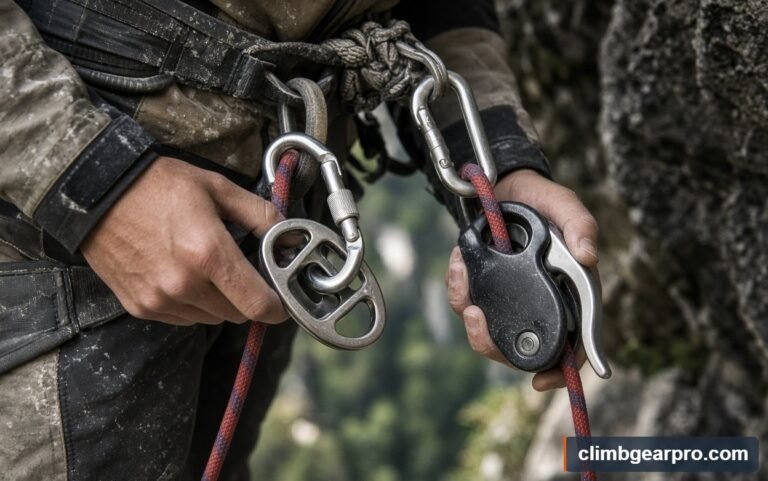
- Belay devices and carabiners.
- Anchors and rope status.
Double-checking is not just for beginners. Even experienced climbers make mistakes.
Respect Other Groups
If another group is climbing nearby, avoid distracting them. Don’t shout or throw gear. If you need to pass through their area, ask politely.
How To Handle Conflict Or Mistakes
Disagreements happen. Someone might cut in line, give unwanted advice, or leave trash behind. Here’s how to handle it:
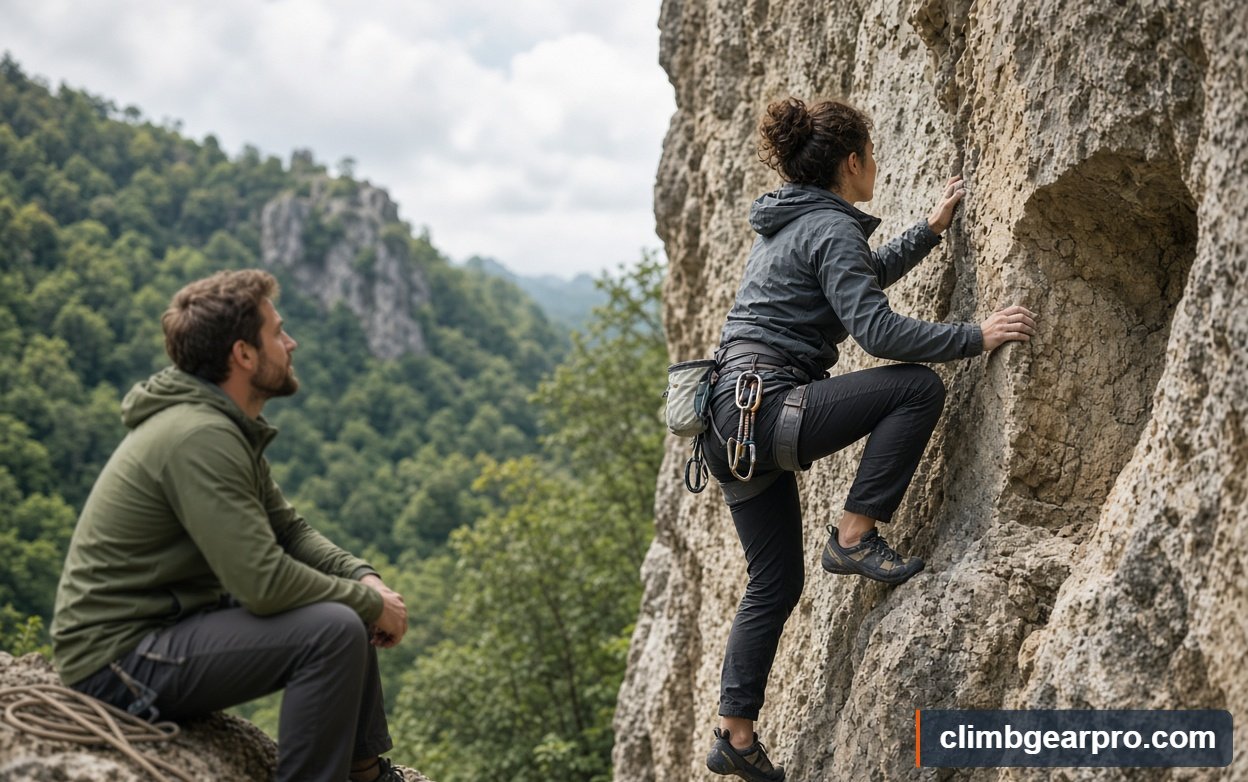
- Approach calmly and politely.
- Explain your concern without blaming.
- Offer solutions (“Let’s rotate turns,” “Would you mind brushing holds after?”).
- If the issue continues, ask staff (in gyms) or local leaders (at crags) for help.
Never escalate conflict. The climbing community values respect and cooperation.
Social Media And Climbing Etiquette
Posting climbing photos and videos is popular. But sharing location details or route beta online can affect local crags. Here’s what to keep in mind:
- Don’t post exact locations of sensitive or newly developed areas.
- Get permission before sharing photos of others.
- Avoid posting about illegal or restricted climbs.
Responsible social media use protects access and avoids overcrowding.
Special Considerations: Groups, Events, And Classes
Sometimes you climb as part of a group, event, or class. Etiquette changes a bit:
- Let solo climbers or small groups use routes between your group’s turns.
- Keep instruction and conversation quiet in busy areas.
- Avoid blocking entrances, exits, or gear racks.
- Rotate leaders and belayers so everyone gets a turn.
Large groups can overwhelm a gym or crag. Plan ahead, and communicate with staff or local climbers.
Children And Family Etiquette
Climbing is family-friendly, but children need guidance:
- Supervise kids at all times.
- Teach them to wait their turn and respect other climbers.
- Avoid letting kids run or shout in climbing areas.
- Clean up after children, including snacks and toys.
Gyms often have special rules for children. Always check before bringing kids.
Environmental Stewardship At The Crag
Protecting nature is part of outdoor etiquette. Here are key points:
- Brush holds to remove chalk and shoe marks.
- Avoid disturbing nesting birds or animals on cliffs.
- Don’t use soap or chemicals in streams or water sources.
- Respect seasonal closures for wildlife.
Many crags are managed by local clubs. Support their efforts by volunteering or donating.
Climbing Etiquette For Beginners
If you’re new to climbing, etiquette can feel confusing. Here are some practical tips:
- Watch how others behave, and follow their lead.
- Ask questions if you’re unsure.
- Start with easy routes, and avoid hogging hard climbs.
- Learn basic commands and safety checks.
- Respect your own limits—don’t push others beyond theirs.
Learning good etiquette early helps you fit in and enjoy climbing more.
Advanced Etiquette: For Experienced Climbers
Experienced climbers play a big role in teaching etiquette. Set a good example by:
- Mentoring new climbers without dominating.
- Sharing tips only when asked.
- Helping clean up the area, even if it’s not your mess.
- Supporting access efforts and conservation.
Don’t assume your skills excuse bad manners. Respect is for everyone, regardless of experience.
Etiquette For Different Types Of Climbing
Not all climbing is the same. Etiquette changes with the style:
Bouldering
- Keep crash pads clear of others.
- Spot climbers safely—don’t distract them.
- Brush holds and pads after use.
- Avoid “camping” on popular problems.
Sport Climbing
- Share routes and anchors.
- Don’t leave quickdraws unless allowed.
- Avoid excessive chalk or tick marks.
- Communicate clearly with belayer.
Trad Climbing
- Respect gear placements.
- Don’t remove protection unless it’s yours.
- Share beta on gear only if asked.
- Be careful with fragile rock.
Multi-pitch Climbing
- Plan ahead to avoid crowding.
- Yield to faster parties.
- Communicate with other teams.
- Be mindful of rope management.
Each style has its own customs. Learning them prevents conflict.
Etiquette Data Table: Gym Vs Crag Usage
Here’s a look at how gym and crag etiquette affects usage and safety:
| Location | Average Users/Day | Accident Rate* | Common Etiquette Issues |
|---|---|---|---|
| Indoor Gym | 200–500 | 0.5% | Route hogging, unsolicited beta, noise |
| Outdoor Crag | 30–150 | 1.2% | Trash, access violations, gear disputes |
*Accident rates based on reported incidents per 100 users.
How To Learn More
Climbing etiquette is always evolving. Local clubs, gyms, and organizations offer workshops and resources. For a deeper dive into climbing safety and etiquette, check out Access Fund, a leading group protecting climbing areas and promoting good practices.
Frequently Asked Questions
What Is The Most Important Rule Of Climbing Etiquette?
The most important rule is respect—for other climbers, staff, and nature. Whether indoors or outdoors, treating others kindly and following local rules keeps climbing safe and fun.
Can I Give Advice To Other Climbers In The Gym?
Only give beta or advice if you ask first and the climber agrees. Many people prefer to figure out moves themselves. Unwanted advice can distract or annoy others.
Is It Okay To Play Music At The Crag?
Keep music low or use headphones. Some crags ban speakers entirely. Always check local rules, and respect those who want quiet.
What Should I Do If I Find Trash At The Crag?
Pick it up and pack it out, even if it’s not yours. Leaving trash damages the environment and can lead to closures.
How Can I Avoid Accidents Caused By Bad Etiquette?
Use clear commands, double-check safety, and never get distracted while belaying. Respecting others’ space and following established rules greatly reduces accident risks.
Climbing is about more than just reaching the top. Good etiquette helps create a strong, safe, and welcoming community. Whether you’re at the gym or out on the rocks, your actions matter. By following these guidelines, you’ll not only climb better—you’ll also help ensure the sport’s future for everyone.

9 Comments