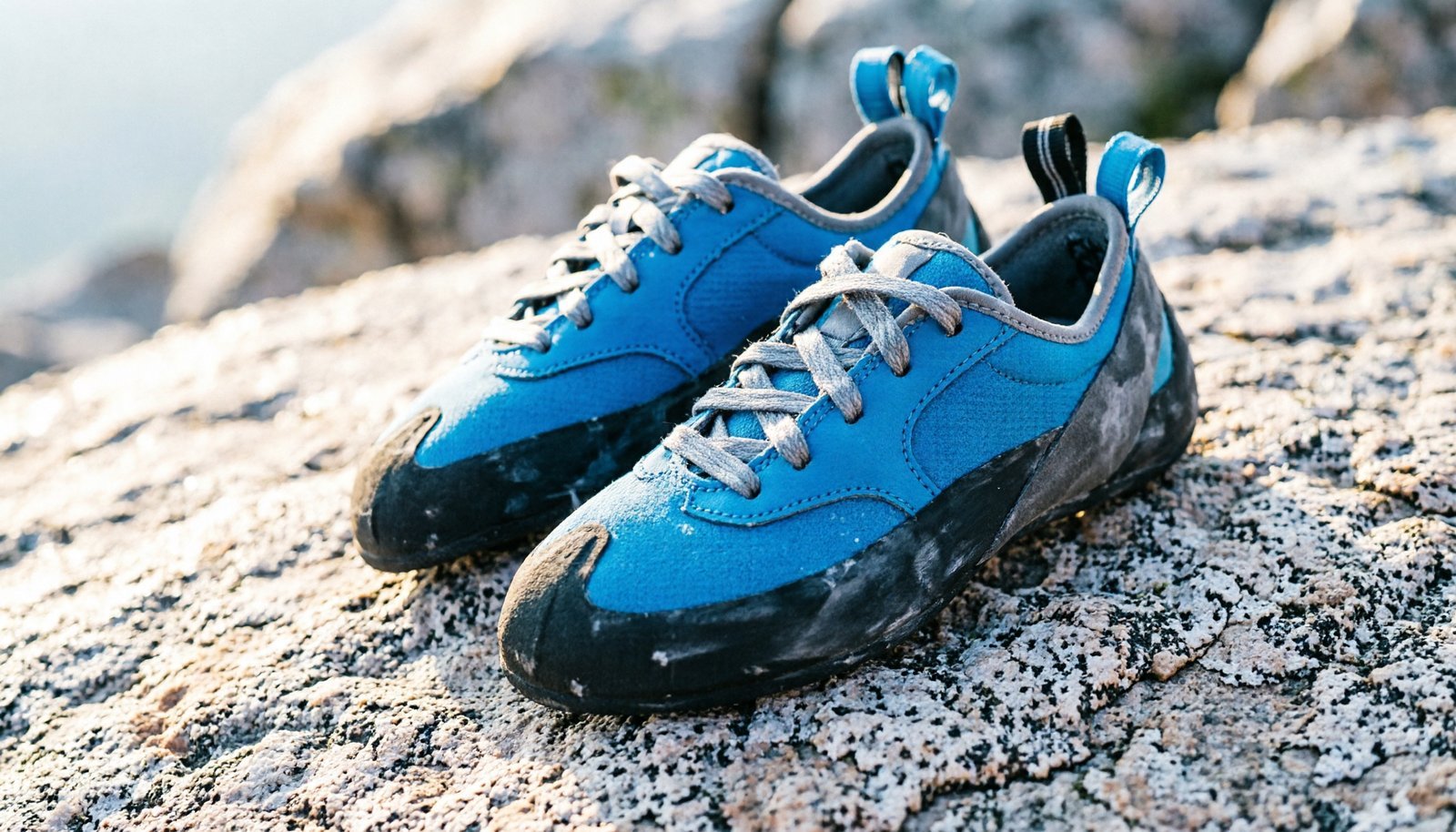
Climbing Shoe Sizing Guide: How to Find Your Perfect Fit
Finding the right fit for your feet is the most important part of a climbing shoe sizing guide because performance relies on a snug, secure hold without causing nerve damage. You should choose a size that holds your toes in a slightly curled position for technical edges, but your feet shouldn’t feel sharp pain or numbness. Most beginners make the mistake of buying shoes that are too small in hopes they will “stretch out” significantly, which often leads to foot injury rather than better climbing.
Key Takeaways
- Understanding climbing shoe mechanics
- How to choose your climbing shoe sizing
- Quick fit check
- Comparison of shoe features
- The honest limits of sizing
- When to retire your shoes
- Care and maintenance
- The bottom line
On this page
Recommended Products for Climbing Shoes


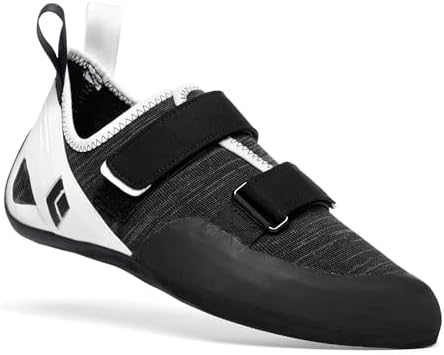


Understanding climbing shoe mechanics
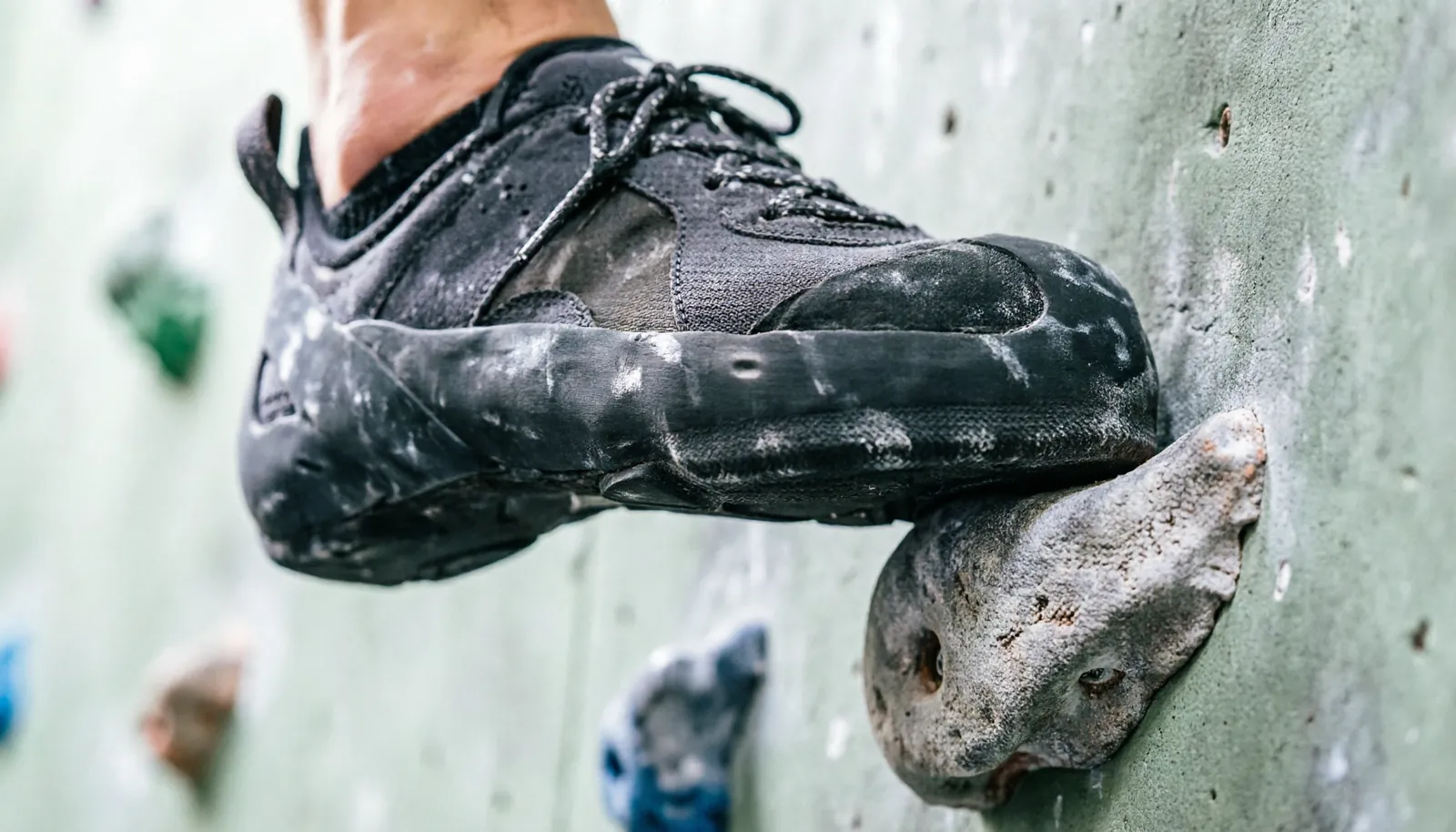
Climbing shoes are designed to be an extension of your foot, providing friction and support on small holds. Unlike street shoes, these are built with rubber rands that wrap around the heel and toe to keep the shape tight. When you put your foot in, the rubber should feel like a second skin with no empty space under the arch or behind the heel.
If you’re looking for a comfortable fit for all-day wear, look for a neutral, flat-soled shoe. If you want to climb steep, overhanging routes, you need a downturned, aggressive shoe that forces your toes into a claw-like position. This geometry helps you “hook” holds on ceilings, but it isn’t necessary for most new climbers.
How to choose your climbing shoe sizing
Choosing between shoes depends on your experience and the type of rock you climb. You’ll find three main shapes: neutral, moderate, and aggressive. Neutral shoes are flat and allow your toes to lie mostly straight, which is best for beginners or long crack climbing sessions. Moderate shoes have a slight curve for more power, while aggressive shoes are severely downturned for maximum precision on steep walls.
You must also consider the material of the upper. Leather shoes will stretch up to a full size over time, so you should buy them tight but bearable. Synthetic materials hold their shape much better and will only stretch a tiny amount. If you’re choosing between two sizes, always buy the synthetic shoe in the size that feels correct immediately.
Quick fit check
You can check if a shoe is the right size in under one minute at the store.
- Put the shoe on and stand up, putting your full weight on your toes.
- Check the heel cup for any air pockets or loose rubber; it should feel locked in.
- Press your thumb against the space between your big toe and the end of the shoe.
- If you have more than a half-inch of space, the shoe is too large for technical climbing.
- If you can’t get your foot into the shoe at all, it’s too small to be safe for your tendons.
Comparison of shoe features
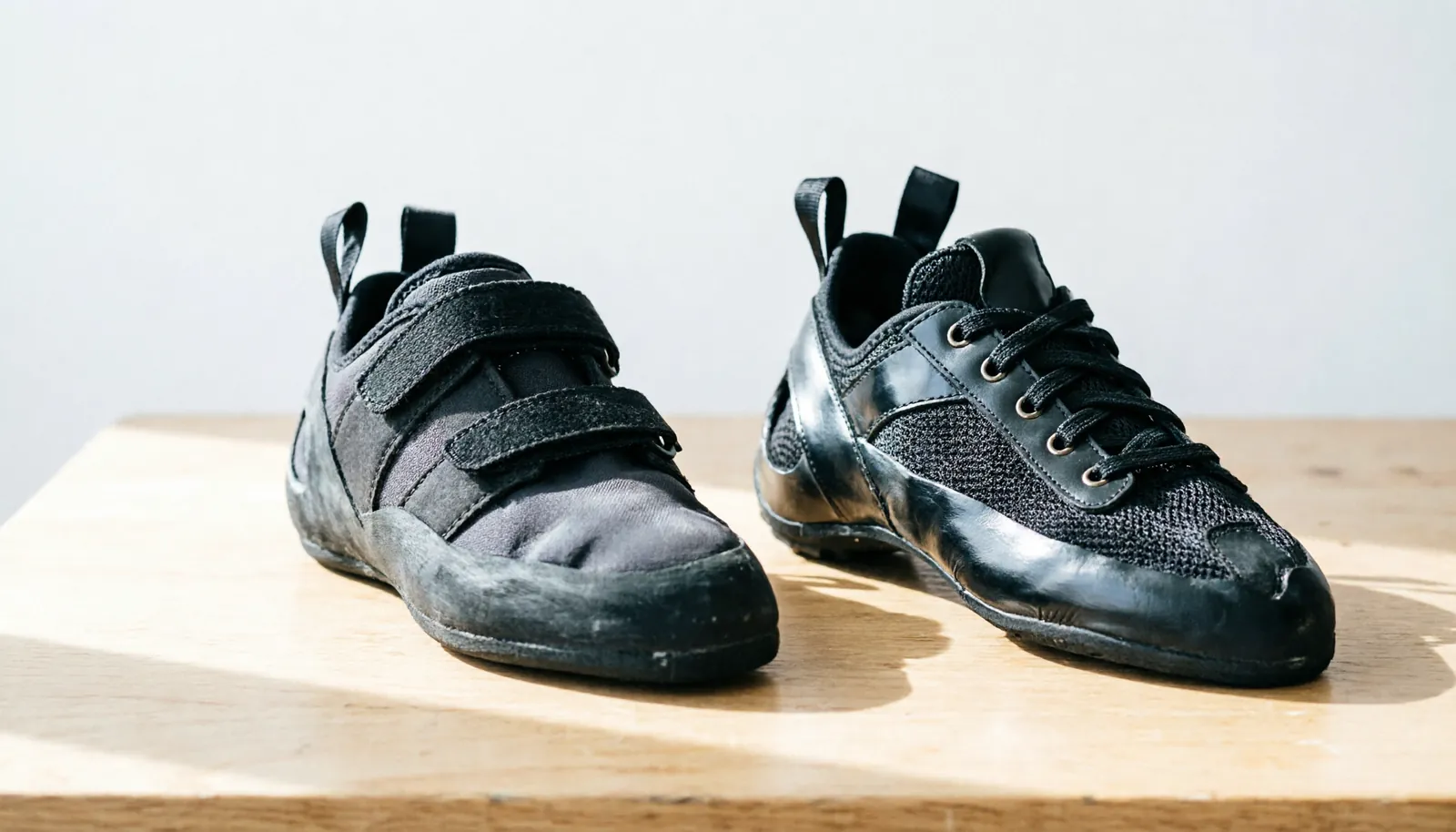
People often confuse the needs of a beginner with those of an advanced climber. The following table highlights the differences between these two categories to help you decide.
| Feature | Beginner Shoe | Advanced Shoe |
|---|---|---|
| Shape | Flat / Neutral | Aggressive / Downturned |
| Stiffness | Stiff for support | Soft for sensitivity |
| Closure | Velcro (easy) | Laces (adjustable fit) |
| Rubber | Thick and durable | Thin and sticky |
If you’re just starting, always choose a stiffer, flat-soled shoe. Soft, aggressive shoes won’t give your feet the support they need while your muscles are still building strength. You can upgrade to a more technical shoe once you notice your current pair is holding you back on specific types of terrain.
The honest limits of sizing
No shoe can magically make you a better climber if the size is wrong. Many people believe a tighter shoe equals more power, but if your toes are folded in a way that causes constant pain, you won’t be able to stand on holds accurately.
The common mistake is sizing for the “crush” rather than the contact patch. If your toes are so cramped that they can’t flatten, you lose the ability to smear effectively. You pay for this error with reduced surface area and premature fatigue.
Your foot size also changes throughout the day, often swelling by the end of a long session. A shoe that fits perfectly in the morning might feel like a vice by the afternoon. If you climb for more than two hours, buy for the afternoon size.
When to retire your shoes
You should retire your shoes when the rubber wears through to the synthetic or leather upper, as this ruins the friction and compromises the structure. If you see a hole in the toe, stop climbing in them immediately to avoid damaging your skin. If you’re unsure about the integrity of your shoe’s rand, take them to a professional cobbler for a resole before the damage reaches the midsole.
Care and maintenance
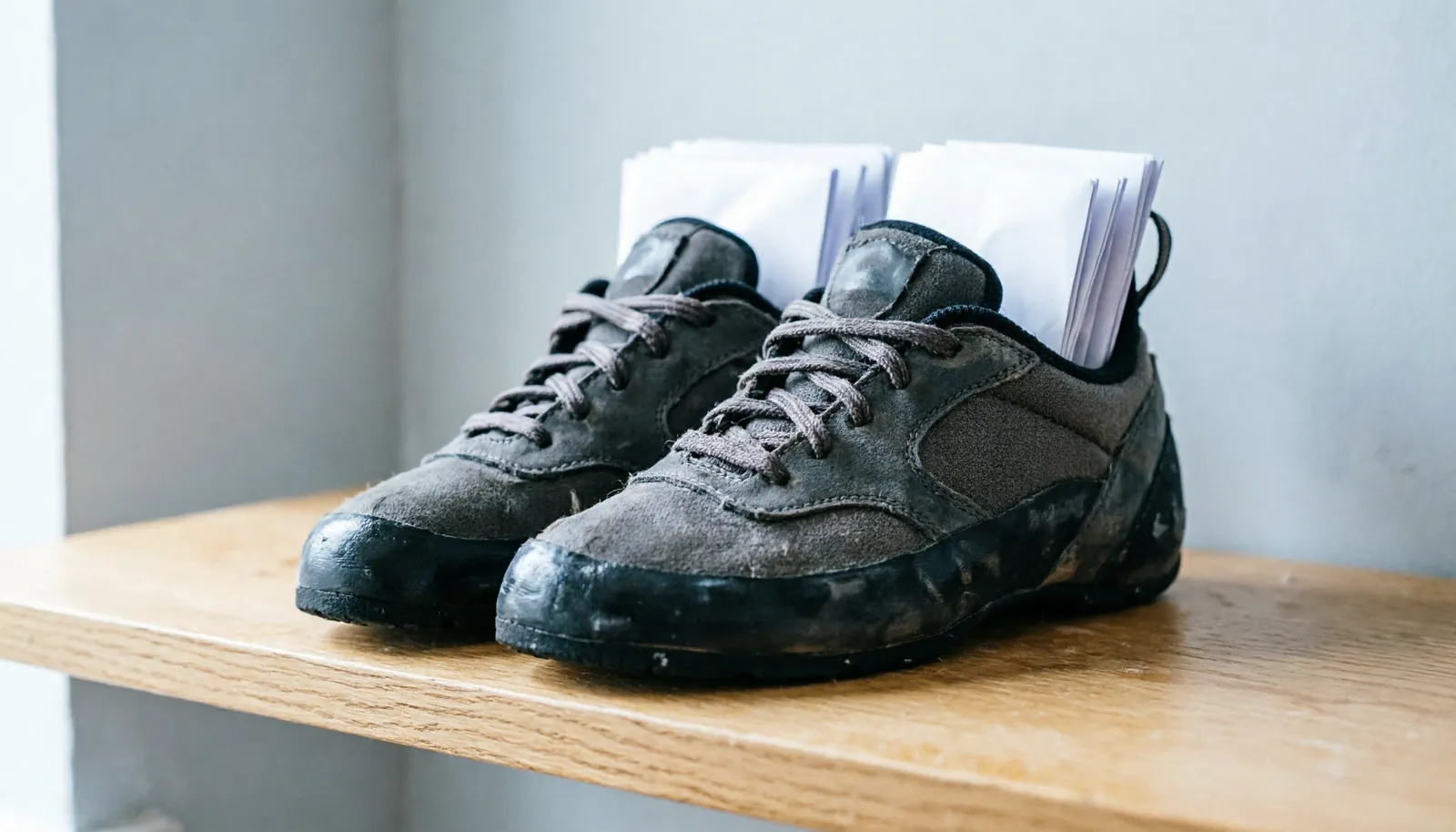
Keep your shoes in a cool, dry place when you aren’t at the gym. Never leave them inside a hot car, as the heat can melt the adhesive that bonds the rubber sole to the upper. If you notice the sole beginning to peel away from the fabric, stop wearing them immediately for high-impact movements to avoid injury.
After a long session, stuff them with crumpled newspaper to soak up moisture. This simple habit prevents bacterial growth and keeps the internal materials from breaking down prematurely. If you train frequently, rotate between two pairs of shoes. This gives the foam midsole time to decompress, which significantly extends the overall lifespan of your gear, though you should always consult your owner’s manual for specific care instructions based on your usage.
Frequently asked questions
Should I wear socks with my climbing shoes?
Most climbers don’t wear socks because they reduce your sensitivity to the rock. If you have issues with sweat or comfort, a very thin pair of synthetic socks can work, but you’ll need to adjust your sizing.
Do all brands fit the same?
No, every brand uses a different “last,” which is the mold the shoe is built around. A size 40 in one brand might feel like a 39 or a 41 in another.
How tight is too tight?
If you feel sharp, shooting pain or numbness in your toes, the shoe is too small. A tight fit should feel like a firm handshake, not a squeeze that stops your blood flow.
Can I stretch my shoes?
Synthetic shoes don’t stretch much, but leather shoes will expand as they conform to your foot. Wear them for short periods at home to help them break in.
Why do my heels slip out?
This usually means the heel cup is too large for your foot shape. Try a different brand or a model designed for a lower-volume heel.
How often should I resole?
You should resole as soon as the rubber gets thin but before you wear through the rand. This can double the life of your shoes if done in time.
Are expensive shoes better?
Expensive shoes often use higher-quality rubber or more complex construction. However, a cheaper shoe that fits your foot shape is better than an expensive one that does not.
Can I use climbing shoes for hiking?
No, climbing shoes have no arch support and are built for standing on tiny edges. Walking in them will ruin the rubber and hurt your feet.
The bottom line
The most important factor in your decision is how the shoe feels when you’re actually standing on your toes. If the shoe is too loose, your heel will slip during technical hooks, causing a loss of precision. Conversely, if it’s too tight, you’ll be unable to climb due to acute pain in the toe box.
Always prioritize a snug, secure fit over an aggressive shape. Many beginners make the mistake of buying shoes that are two sizes too small in hopes of gaining power. This error costs you your footwork, as you’ll favor the pain rather than trusting your edges.
You can always move to a more technical shoe later, but a painful shoe keeps you off the wall. If you feel hot spots during the first five minutes, try a different brand. A shoe that matches your foot shape allows you to climb better and longer.
Related guides