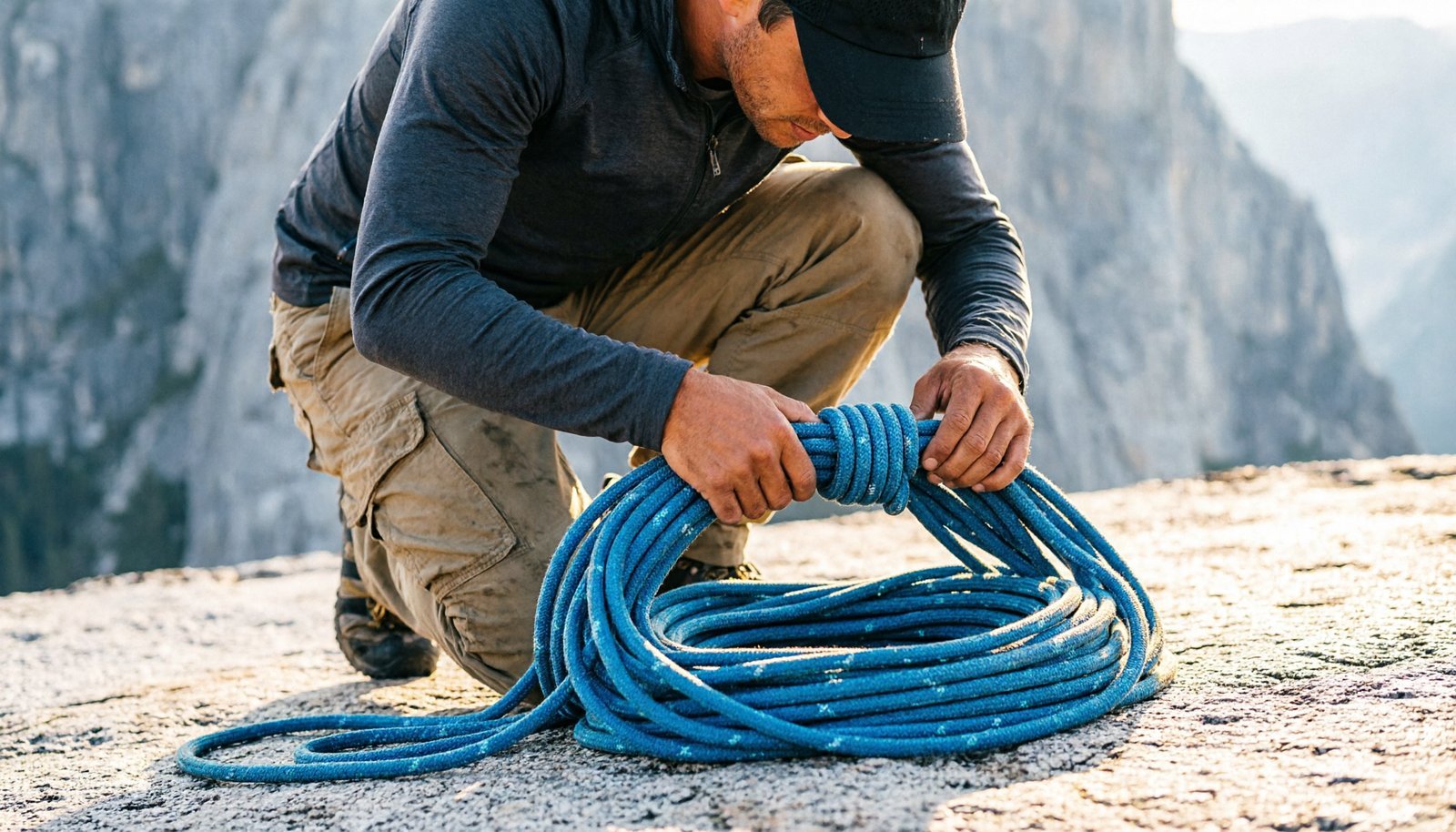
How to Coil a Climbing Rope: Mountaineer and Butterfly Methods
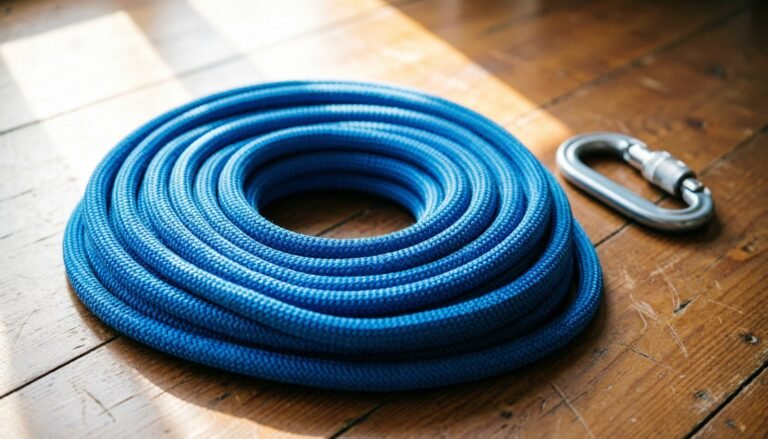
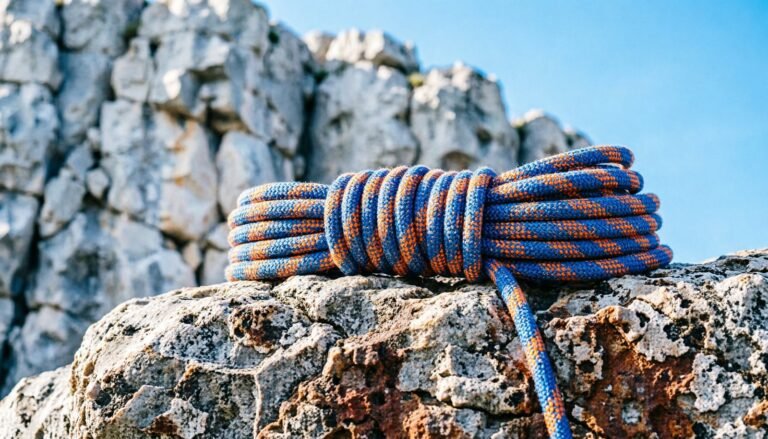
You can protect your gear and prevent tangles by using a mountaineer’s coil or a butterfly coil. These methods keep your rope organized for transport and storage, ensuring it remains free of kinks. This guide explains the proper techniques, necessary equipment, and how to identify when your rope has reached the end of its life.
Key Takeaways
- Why you should coil your climbing rope
- The Mountaineer’s Coil
- Choosing Your Coiling Method
- A Quick Inspection Test
- Honest Limits of Rope Care
- Retirement and Professional Advice
- Proper Storage and Maintenance
On this page
Recommended Products for Rope Storage


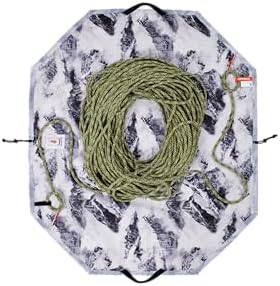

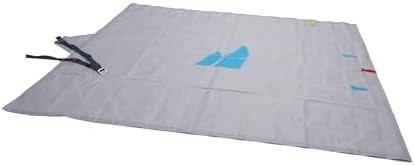

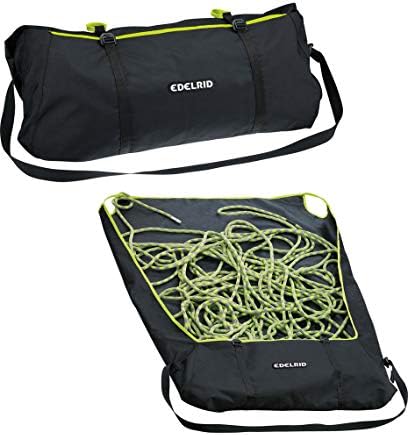
Why you should coil your climbing rope
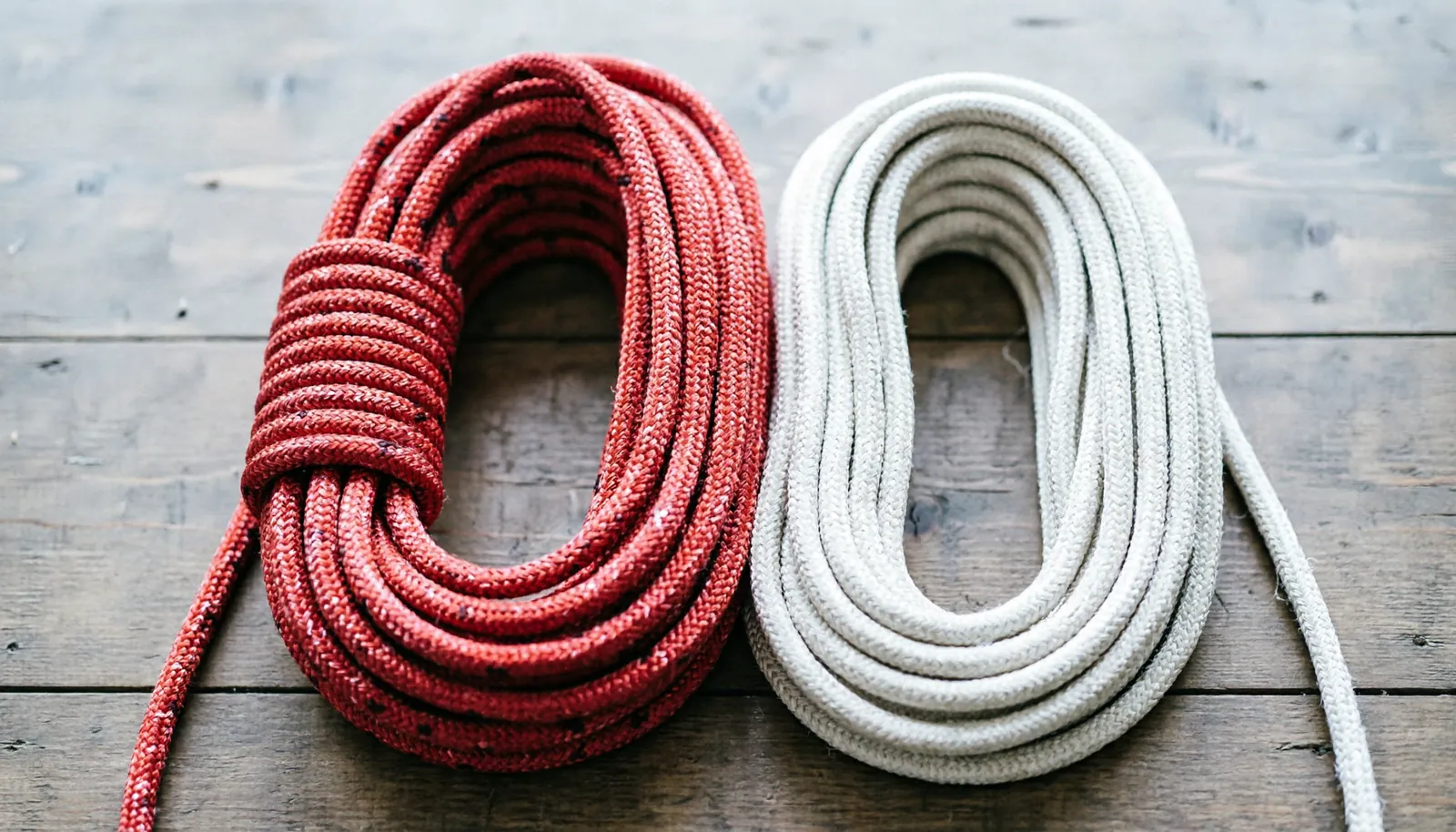
Managing your gear properly starts with knowing the difference between static and dynamic lines. Dynamic ropes are designed to stretch under the force of a fall, which absorbs energy and reduces the impact on the climber. Static ropes have very little stretch and are mainly used for hauling gear or rappelling. Regardless of the type, keeping them clean and orderly is vital for longevity.
The International Climbing and Mountaineering Federation (UIAA) provides safety standards for climbing ropes that define how these lines must perform under stress. When you coil your rope, you’re protecting the sheath from dirt and abrasion. If you keep the rope in a heap on the ground, grit can enter the core and act like sandpaper, wearing down the fibers from the inside out.
The Mountaineer’s Coil
The mountaineer’s coil is the standard way to carry a rope over your shoulder or in a pack. It’s fast to execute once you have the rhythm down, but it requires practice to keep the loops even. If you’re hiking a short distance to the crag, this method is ideal because it keeps the rope compact.
- Find the middle of the rope to ensure your loops remain balanced.
- Hold one end in your hand and pull a length of rope about an arm’s span wide.
- Bring the rope back to your other hand, creating a loop.
- Repeat this motion until you have about 3 meters of rope remaining.
- Wrap the remaining length around the center of your loops to secure them.
- Pull a small loop through the center and tighten it around the bundle to lock it in place.
Choosing Your Coiling Method
The choice between a butterfly coil and a mountaineer’s coil often depends on how you plan to store the rope. A butterfly coil is better for carrying the rope like a backpack, which is useful if you have a long approach. If you’re just moving from one route to the next, the standard mountaineer’s coil is usually faster.
| Method | Best Use Case | Complexity |
|---|---|---|
| Mountaineer’s Coil | Quick storage/transport | Low |
| Butterfly Coil | Backpack-style carry | Medium |
| Flaking | Preparing for a climb | Very Low |
If you’re hiking with a partner, you can split the rope into two butterfly coils so each person carries half the weight. This is a trade-off: you save energy on the trail but add time to your setup once you arrive at the wall. If you’re a solo climber or moving quickly, stick to the mountaineer’s coil to save time.
A Quick Inspection Test
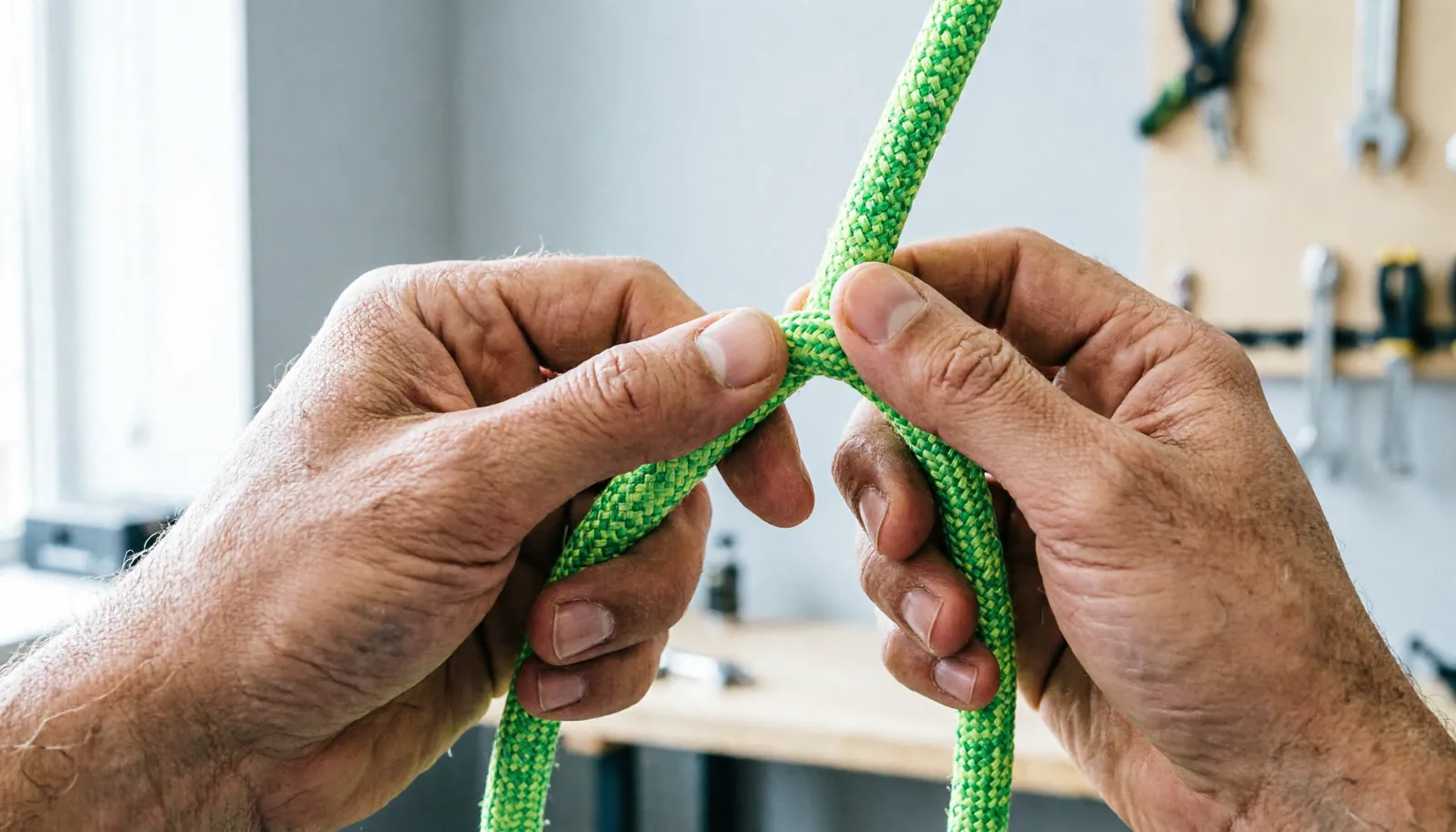
You should check your rope for damage every time you use it. This simple test helps you decide if it’s time to retire a rope or if it’s still safe for climbing.
- Run the entire length of the rope through your hands slowly.
- Feel for any “soft spots” where the core feels mushy or thin.
- Look for flat sections, deep cuts in the sheath, or areas where the core is visible.
- If you find a section that feels significantly different from the rest, don’t use it for climbing.
Honest Limits of Rope Care
Coiling your rope won’t fix a rope that’s already damaged. Marketing often suggests that specialized rope cleaners or bags will make a rope last forever, but this is an overreach. The life of a rope is limited by the number of falls it takes, the intensity of the friction it experiences, and the chemicals it touches. If you have exposed your rope to battery acid or harsh cleaning solvents, you must retire it regardless of how well you coil it.
Retirement and Professional Advice
Life-safety equipment requires a strict retirement schedule. If you notice a “hollow” feeling in the rope or if the sheath is shredded, it’s time to retire the gear. Manufacturer guidance usually suggests retiring a rope after 5 to 10 years of occasional use, or sooner if it has taken a severe fall.
If you ever feel unsure about the integrity of your rope, don’t guess. Take it to a certified climbing instructor or a professional gear shop for an inspection. Never attempt to repair a cut or damaged rope by splicing or knotting it, as this creates a dangerous failure point.
Proper Storage and Maintenance
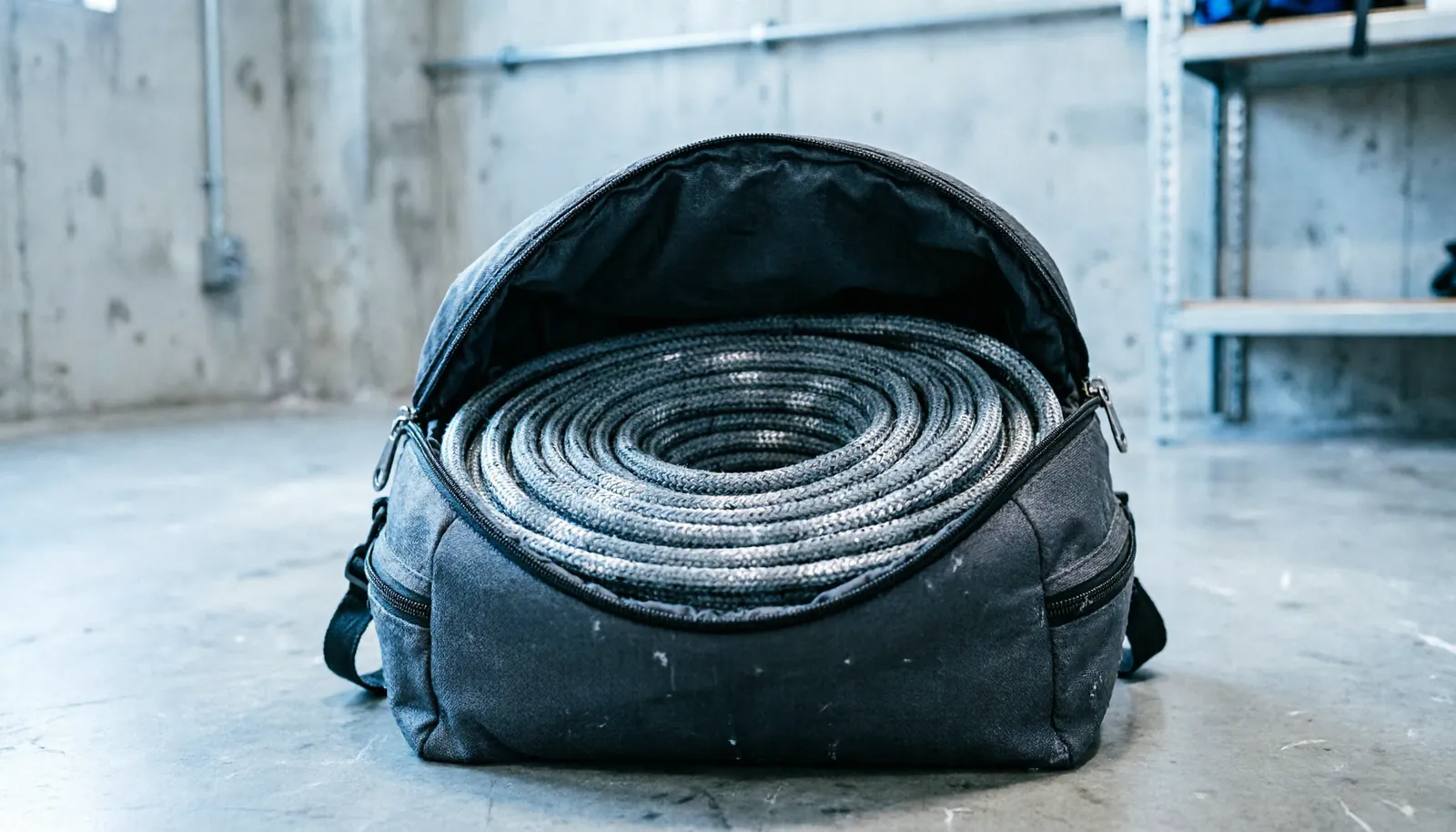
Store your rope in a cool, dry place away from direct sunlight. Ultraviolet light degrades nylon over time, making the rope brittle and weak. Keep it in a rope bag to prevent it from touching the floor, which might contain oil, grease, or chemical spills.
When you store it, don’t leave it under heavy gear that could crush the fibers. A simple rule: if you wouldn’t store your own jacket there, don’t store your rope there.
Check for soft spots or discoloration after every climb. If the rope feels flat or the core feels mushy under the sheath, retire it immediately. Many climbers make the mistake of storing ropes in damp basements, which invites mold. Moisture weakens synthetic fibers significantly. If your rope gets wet, air-dry it in the shade before coiling it for storage.
Related guides
Frequently Asked Questions
Can I wash my rope in a machine?
Yes, you can use a front-loading machine on a gentle cycle with cold water. Never use a top-loader with an agitator, as it will shred the rope.
How do I get kinks out of a new rope?
The best way is to flake it out completely by running it through your belay device while hanging it from a high point. This allows the rope to untwist naturally under its own weight.
Does a rope bag replace the need to coil?
A rope bag is excellent for keeping your rope clean at the base of the wall. You don’t need to coil it if you use a bag, as you can simply stuff it inside.
How many falls can a rope take?
This varies by the rope’s diameter and the impact force of the falls. Always consult the manufacturer’s user manual for the specific UIAA fall rating of your model.
Is it okay to walk on my rope?
No, never walk on your rope. Dirt and small rocks get crushed into the core, which damages the nylon fibers from the inside.
Should I store my rope coiled or loose?
Loose storage in a bag is better for long-term storage. Coiling it for months at a time can cause the rope to develop permanent memory kinks.
Can I use bleach to clean a dirty rope?
Never use bleach or harsh detergents. These chemicals destroy the nylon fibers and will ruin the rope’s strength immediately.
What is the most important thing to avoid?
Keep your rope away from chemicals like battery acid or paint to maintain its integrity. These substances can weaken fibers, causing the rope to snap under minimal pressure. Avoid all contact with harsh chemicals to ensure your safety.
Conclusion
Taking care of your gear helps it last through many adventures, but you shouldn’t rely on old equipment forever. Before your next trip, inspect the sheath for any soft spots or fraying. If you’re ever unsure about your rope’s safety, it’s best to replace it. You’ll feel much more confident on the wall.