Bouldering Shoes Explained: Fit, Features & Finding Ideal Climbing Shoe
Bouldering is a unique style of climbing that is both challenging and exciting. Instead of tall cliffs, you climb shorter walls, often without ropes, focusing on technique and power. To enjoy bouldering and climb your best, you need the right equipment—especially your shoes.
Bouldering shoes are more than just footwear. They are your connection to the rock, helping you grip, balance, and push your limits. Whether you are new or have years of experience, understanding how to choose, use, and care for bouldering shoes can make a big difference in your climbing performance.
This article will take you through everything you need to know about bouldering shoes. You will learn what makes them special, how to pick the best pair for your feet and climbing style, and how to avoid mistakes that waste money or reduce comfort.
We will also compare popular brands, explain shoe features, and answer common questions. By the end, you will feel confident to choose shoes that help you climb stronger and smarter.
Key Takeaways
- Best Sellers: Bouldering Shoes
- What Makes Bouldering Shoes Different?
- Types Of Bouldering Shoes
- How To Choose The Right Bouldering Shoe
- Comparing Popular Bouldering Shoe Brands
- Anatomy Of Bouldering Shoes
On this page
- Best Sellers: Bouldering Shoes
- What Makes Bouldering Shoes Different?
- Types Of Bouldering Shoes
- How To Choose The Right Bouldering Shoe
- Comparing Popular Bouldering Shoe Brands
- Anatomy Of Bouldering Shoes
- Sizing Bouldering Shoes: Practical Advice
- How To Care For Bouldering Shoes
- Common Mistakes When Buying Bouldering Shoes
- The Science Behind Sticky Rubber
- Bouldering Shoe Models: Comparison Table
- How Bouldering Shoes Improve Performance
- Breaking In New Bouldering Shoes
- Bouldering Shoes For Kids
- Vegan And Eco-friendly Bouldering Shoes
- Indoor Vs. Outdoor Bouldering Shoes
- When To Replace Your Bouldering Shoes
- How Shoe Shape Affects Climbing Style
- The Role Of Comfort In Bouldering Shoes
- Tips For Extending Shoe Life
- How To Test Bouldering Shoes In Store
- Women’s Bouldering Shoes
- Advanced Features: Toe Patches And Heel Cups
- The Impact Of Shoe Weight
- Bouldering Shoe Innovations
- Where To Buy Bouldering Shoes
- Frequently Asked Questions
Best Sellers: Bouldering Shoes


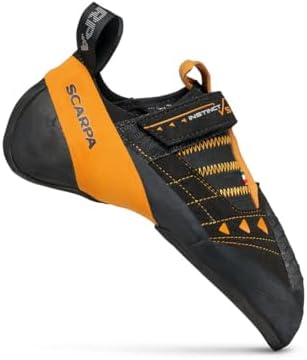


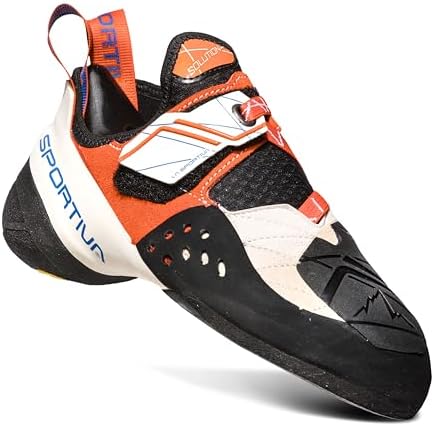
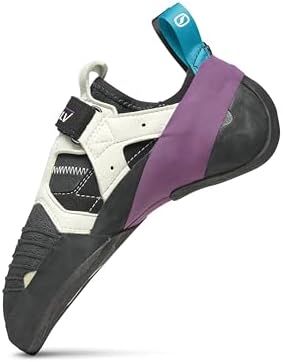

What Makes Bouldering Shoes Different?
Bouldering shoes are designed for short, powerful climbs. Unlike hiking boots or regular sneakers, they offer unique features that help you stick to tiny holds and make precise movements.
Key Features
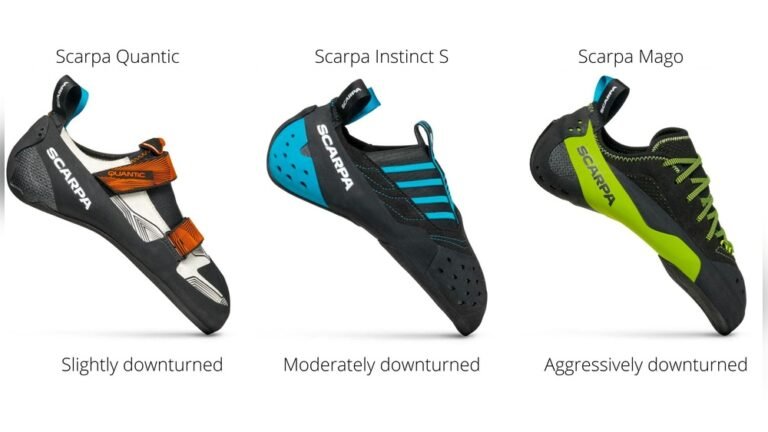
- Aggressive shape: Most bouldering shoes have a curved, downturned toe. This helps you put power on small footholds and climb overhangs.
- Sticky rubber: The soles use special rubber, like Vibram or Stealth, that grips rock and plastic holds much better than normal shoe rubber.
- Tight fit: Bouldering shoes fit snugly, almost like a sock. This close fit lets you feel the rock and move with precision.
- Minimal padding: Padding is reduced to keep shoes lightweight and sensitive. You feel every bump and edge under your foot.
- Easy closure: Many bouldering shoes use Velcro straps or slip-on designs. These are quicker to put on and take off between climbs.
Also Read: 10 Best Electric Scooters for Climbing Hills
Why These Features Matter
The aggressive shape and sticky rubber let you climb overhanging routes and tiny holds. Tight fit and sensitivity help you balance and trust your feet. Quick closures save time so you can rest your feet between climbs. These features are not just for professionals—they help beginners learn proper technique too.
Types Of Bouldering Shoes
Choosing the right type of shoe is one of the most important decisions for any climber. Your shoe type affects comfort, performance, and how well you can climb specific problems.
Neutral Shoes
Neutral shoes are flat and comfortable. They are best for beginners or those climbing long sessions. These shoes prioritize comfort over power, making them good for learning footwork and climbing moderate grades.
Moderate Shoes
Moderate shoes have a slight curve, giving more power than neutral shoes. They balance comfort and performance, making them popular for intermediate climbers.
Aggressive Shoes
Aggressive shoes are sharply downturned. They focus your foot power on the toe, perfect for steep routes and overhangs. These shoes are often chosen by advanced climbers who need maximum precision.
Slip-on Vs. Velcro Vs. Lace-up
- Slip-on: Quick to wear, great for gym bouldering. Usually more sensitive but less supportive.
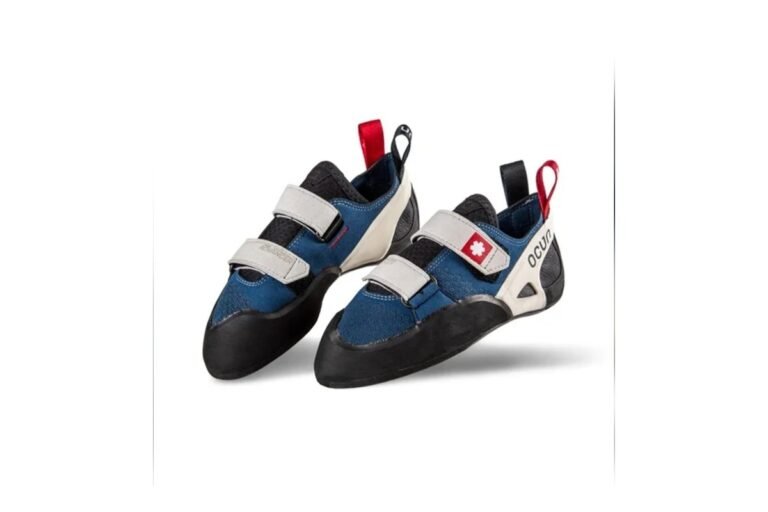
- Velcro: Most popular. Easy to adjust, fast to put on and remove.
- Lace-up: Offer fine-tuned fit. Used less in bouldering due to slower adjustment.
How To Choose The Right Bouldering Shoe
Buying the right shoe can feel overwhelming. There are many brands, shapes, and sizes. Here are practical steps and tips to help you make a smart choice.
1. Understand Your Climbing Style
Are you focusing on indoor bouldering, outdoor rock, steep overhangs, or slabs? Aggressive shoes are best for steep climbs, while neutral or moderate shoes suit vertical or slab climbs.
2. Fit Is Everything
Bouldering shoes must fit tightly but not painfully. Your toes should touch the end, often curled slightly. Avoid shoes that hurt so much you cannot climb, but do not buy loose shoes. Try shoes in person, or order multiple sizes if shopping online.
Pro Tip
Your feet swell during climbing. Try shoes in the afternoon or after some walking. This helps you avoid buying shoes that become too tight during sessions.
3. Material Matters
Shoes are made from synthetic or leather materials.
- Synthetic: Hold their shape better, stretch less.
- Leather: Stretch over time, mold to your foot.
Decide if you want shoes that change shape or stay consistent.
4. Closure System
Velcro is fastest, slip-ons are most sensitive, laces are adjustable. For bouldering, Velcro is usually best.
5. Price Vs. Performance
Good bouldering shoes cost between $80–$200. Higher price often means better materials and performance. But do not buy expensive shoes if you are just starting. Begin with basic models and upgrade as your skills improve.
6. Try Different Brands
Each brand has unique shapes. Some fit narrow feet, others fit wide feet. Do not assume all shoes fit the same. Test several brands.
7. Check Reviews And Recommendations
Look for feedback from climbers with similar feet and climbing style. Honest reviews help avoid common mistakes.
Comparing Popular Bouldering Shoe Brands
Climbing shoe brands have their own strengths. Here is a comparison to help you pick the right one.
| Brand | Main Features | Best For | Price Range |
|---|---|---|---|
| La Sportiva | High performance, aggressive shapes, wide range | Advanced climbers, all foot shapes | $120–$200 |
| Scarpa | Comfortable fit, sensitive, durable | Intermediate to advanced, wider feet | $100–$180 |
| Five Ten | Stealth rubber, good grip, classic models | Indoor and outdoor bouldering | $90–$170 |
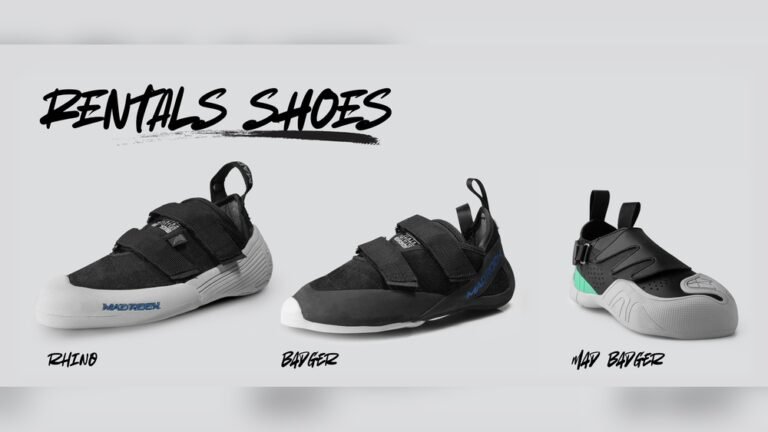
| Mad Rock | Budget-friendly, good for beginners | Entry-level, gym climbing | $60–$120 |
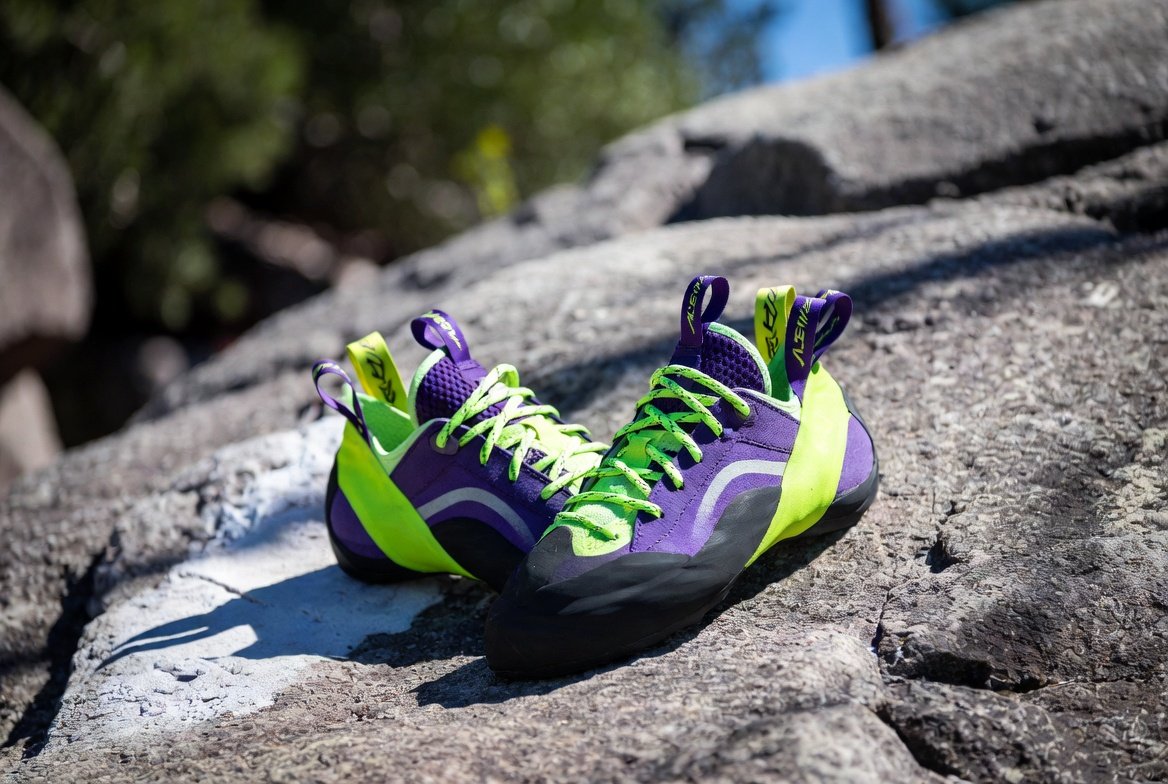
| Evolv | Vegan options, comfortable, good for gyms | All levels, sensitive shoes | $80–$160 |
When picking a brand, look at your budget, foot shape, and climbing needs. Most climbers try two or three brands before finding their favorite.
Anatomy Of Bouldering Shoes
Understanding the parts of a shoe helps you know what to look for and how features affect performance.
Toe Box
The toe box is where your toes sit. Aggressive shoes have a pointed toe box to focus power. Wider toe boxes are more comfortable for long sessions.
Sole
The sole is made from sticky rubber. Thicker soles last longer but are less sensitive. Thin soles feel the rock better but wear faster.
Heel
The heel should fit snugly. Good heel fit is important for heel hooks—a common move in bouldering.
Rand
The rand is the rubber that wraps around the shoe. It adds grip and protects the shoe from wear.
Closure
Velcro, slip-on, or laces—each closure system affects how fast you can put on and take off your shoes.
Sizing Bouldering Shoes: Practical Advice
Getting the right size is one of the hardest parts. Unlike regular shoes, bouldering shoes are meant to be tight. Here is how to get it right:
- Try shoes with bare feet or thin socks.
- Your toes should touch the end, sometimes curled.
- The shoe should not have empty space, especially in the heel.
- Walk around and stand on your tiptoes. The shoe should feel snug but not painful.
- Expect some stretch. Leather shoes may stretch up to half a size.
- If buying online, check the brand’s sizing chart carefully. Some brands run small, others run large.
A non-obvious tip: Some climbers buy shoes slightly smaller and use them only for short, hard climbs. They use a second pair for longer sessions. This extends shoe life and keeps feet comfortable.
How To Care For Bouldering Shoes
Proper care keeps your shoes sticky, comfortable, and durable.
Cleaning
- Use a damp cloth to wipe off dirt after each session.
- Do not use harsh chemicals or machine wash.
- Remove chalk and sweat regularly.
Drying
- Air dry shoes. Do not use heaters or direct sunlight, as this can damage the rubber.
- Remove insoles if possible and let them dry separately.
Storage
- Keep shoes in a cool, dry place.
- Avoid leaving them in hot cars or humid bags.
Resoling
Shoe rubber wears out with use. Good shoes can be resoled by specialists, saving money and reducing waste. Resoling costs $40–$60 and can extend shoe life by years.
Common Mistakes When Buying Bouldering Shoes
Many climbers waste money or suffer discomfort because of simple mistakes.
- Buying shoes that are too tight. Pain reduces performance and can cause injuries.
- Choosing aggressive shoes as a beginner. Start with moderate or neutral models.
- Ignoring foot shape. Not all shoes fit every foot.
- Skipping research. Reviews and recommendations help avoid poor choices.
- Expecting one shoe to do everything. Some shoes are better for steep climbs, others for slabs.
Hidden Insight
Some beginners think tighter shoes mean better climbing. In reality, too-tight shoes make you climb worse and hurt your feet. Comfort is important for progress.
The Science Behind Sticky Rubber
Sticky rubber is a key feature of bouldering shoes. The rubber’s grip depends on its friction coefficient and softness.
- Softer rubber sticks better but wears faster.
- Harder rubber lasts longer but grips less.
For bouldering, most climbers prefer softer rubber for maximum grip. Some brands use proprietary rubber, like Five Ten’s Stealth C4. This gives extra traction on both gym holds and real rock.
A useful tip: Clean shoe soles before every climb. Dust and chalk reduce grip. Simple wiping can restore stickiness.
Bouldering Shoe Models: Comparison Table
To help you choose, here is a comparison of popular bouldering shoe models.
| Shoe Model | Type | Fit | Best Use | Price |
|---|---|---|---|---|
| La Sportiva Solution | Aggressive | Narrow | Overhangs, advanced | $175 |
| Scarpa Drago | Aggressive | Wide | Gym, steep routes | $190 |
| Five Ten Hiangle | Aggressive | Medium | Indoor/outdoor | $160 |
| Mad Rock Flash | Moderate | Medium | Beginner, gym | $85 |
| Evolv Defy | Neutral | Wide | Long sessions, comfort | $95 |
This table shows that some shoes are better for steep routes and others for comfort. Price and fit vary widely. Always match shoe model to your climbing needs.
How Bouldering Shoes Improve Performance
Wearing the right shoe can increase your climbing grade and confidence.
- Precision: Tight, aggressive shoes help place your feet exactly where needed.
- Power: Downturned toes focus power on small holds.
- Grip: Sticky rubber lets you trust your feet, even on slippery holds.
- Sensitivity: Thin soles help you feel every movement, improving technique.
A surprising insight: Shoes do not make you a great climber by themselves, but the wrong shoes can limit your progress. Good shoes help you learn better footwork and push your limits.
Breaking In New Bouldering Shoes
New shoes can feel stiff and uncomfortable. Here’s how to break them in:
- Wear them at home for short periods.
- Climb easy routes first, avoid steep or hard climbs until shoes soften.
- Use plastic bags over toes to reduce friction while breaking in.
- Do not rush the process—breaking in can take a few sessions.
Leather shoes stretch more than synthetic. If your shoes feel tight but not painful, they will likely become comfortable with use.
Bouldering Shoes For Kids
Kids’ feet grow fast, and comfort is more important than performance. Choose neutral or moderate shoes, focus on fit and durability. Do not buy aggressive shoes for young climbers.
A non-obvious tip: Kids can wear shoes slightly loose to avoid pain and allow for growth. Replace shoes when they become too small.
Vegan And Eco-friendly Bouldering Shoes
Some brands offer vegan or eco-friendly options. These use synthetic materials and avoid animal products. Evolv and Mad Rock have popular vegan models.
Eco-friendly shoes may use recycled rubber or natural dyes. If sustainability matters to you, research brands and models before buying.
Indoor Vs. Outdoor Bouldering Shoes
Indoor climbing gyms use plastic holds and clean walls. Outdoor bouldering faces rough rock, dirt, and weather. Shoe choice can differ:
- Indoor: Softer rubber, more sensitivity, lighter shoes.
- Outdoor: Durable rubber, thicker soles, strong rand for protection.
Some climbers own two pairs—one for gym, one for outdoor use. This maximizes shoe life and performance.
When To Replace Your Bouldering Shoes
Shoes wear out over time. Signs you need new shoes:
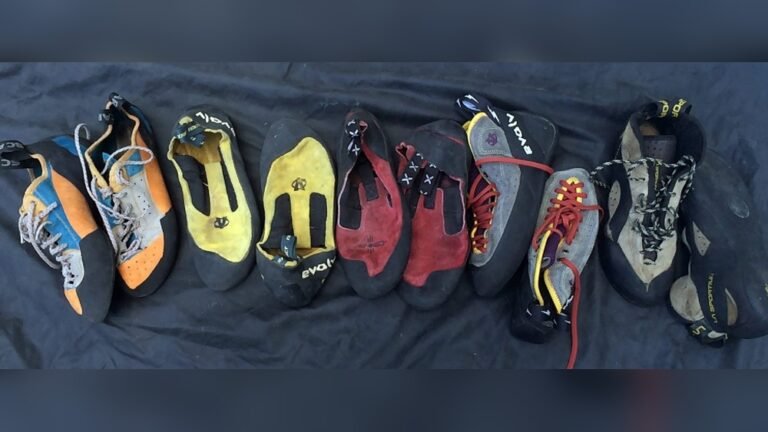
- Rubber is thin or has holes.
- Shoes slip off holds.
- Heel or toe box is deformed.
- Uncomfortable fit due to stretching.
Do not wait until shoes are destroyed. Worn shoes can cause accidents and reduce climbing enjoyment. Consider resoling for minor wear, but replace shoes when they cannot be fixed.
How Shoe Shape Affects Climbing Style
The shape of your shoe changes how you climb.
- Flat shoes: Good for slabs and vertical walls, allow natural foot movement.
- Downturned shoes: Best for overhangs, let you pull with your toes.
- Asymmetric shoes: Focus power on the big toe for precise placements.
Match shoe shape to your favorite climbing style. Do not use aggressive shoes for slabs—they can be uncomfortable and less effective.
The Role Of Comfort In Bouldering Shoes
Comfort is often ignored, but it affects your performance and enjoyment. Shoes that hurt make you climb less and learn slower. Comfortable shoes help you focus on technique and improve faster.
A hidden insight: Some climbers wear slightly looser shoes for training and tight shoes for competitions. This balances comfort and performance.
Tips For Extending Shoe Life
Shoes are expensive. Here’s how to make them last:
- Clean soles before every climb.
- Avoid walking in shoes on rough ground.
- Air dry after each session.
- Rotate pairs if possible.
- Repair minor damage quickly.
Proper care can add months or years to your shoes. Resoling is a smart investment if the upper is still strong.
How To Test Bouldering Shoes In Store
Testing shoes in a store is more than just trying them on. Here’s how to do it:
- Stand on tiptoes and edge on small objects.
- Try heel hooks against a wall or bench.
- Check closure system for speed and security.
- Ask staff for advice—they know common fit issues.
Take your time. Do not rush the decision. Shoes are your most important climbing tool.
Women’s Bouldering Shoes
Some brands make women’s-specific models. These have narrower heels, lower volume, and softer materials. Women climbers should try both regular and women’s models to find the best fit.
A non-obvious tip: Men with narrow feet sometimes prefer women’s models for better fit.
Advanced Features: Toe Patches And Heel Cups
Some shoes have toe patches—extra rubber over the toe. This helps with toe hooks and adds protection. Heel cups keep your heel snug, improving heel hooks. These features help on modern bouldering routes that use complex movements.
The Impact Of Shoe Weight
Light shoes make movements faster and easier. Heavy shoes tire your feet. Most bouldering shoes are lightweight, but some models add extra rubber for durability. Choose shoes that balance weight and strength.
Bouldering Shoe Innovations
Recent innovations include:
- 3D-printed soles for custom fit
- Breathable uppers for less sweat
- New rubber formulas for better grip
Brands update models every few years. Check for new releases if you want the latest technology.
Where To Buy Bouldering Shoes
Buy shoes at climbing gyms, specialty outdoor stores, or online. In-person shopping lets you test fit, but online shopping offers more variety and deals.
Always check return policies if buying online. Some stores let you return shoes after testing at home.
For more info on climbing gear and brands, check Outdoor Industry Association.
Frequently Asked Questions
What Is The Difference Between Bouldering Shoes And Regular Climbing Shoes?
Bouldering shoes are usually tighter, more aggressive, and have softer rubber. They focus on performance for short, powerful climbs. Regular climbing shoes may be flatter, more comfortable, and made for longer climbs.
How Long Do Bouldering Shoes Last?
With regular use, shoes last 6–12 months. Frequent climbers may need new shoes every 3–6 months. Proper care and resoling extend shoe life.
Should I Buy Tight Or Comfortable Shoes?
Buy shoes that are snug but not painful. Tight shoes give more precision but can hurt. For beginners, comfort is more important. Advanced climbers may choose tighter shoes for short climbs.
Can I Use Socks With Bouldering Shoes?
Most climbers do not use socks. Bare feet give maximum sensitivity. Thin socks are possible for comfort, but they reduce performance.
How Do I Clean And Maintain My Bouldering Shoes?
Wipe with a damp cloth after each session. Air dry, avoid heat. Store in a cool, dry place. Clean soles before climbing for best grip.
Bouldering shoes are your main tool for climbing strong and safe. A good pair fits your feet, matches your style, and makes every climb more fun. Take your time choosing, care for your shoes, and enjoy every step on the wall.
With the right shoes, you will climb higher, try harder moves, and feel more confident every session.