

ATC Style Belay Device: Ultimate Guide for Safe Climbing
Rock climbing is a sport where safety is always the top priority. One tool that stands out for both beginners and experts is the ATC style belay device. If you have seen climbers at the gym or outdoors, you’ve probably noticed a small metal gadget attached to their harness. This simple device has made climbing safer, easier, and more accessible for everyone. But what makes the ATC style belay device so popular? Let’s explore its design, functions, advantages, and some real-world tips that climbers often miss.
Key Takeaways
- What Is An Atc Style Belay Device?
- How Does An Atc Style Belay Device Work?
- Atc Style Belay Device Vs. Other Belay Devices
- Advantages Of The Atc Style Belay Device
- Disadvantages And Limitations
- Types Of Atc Style Belay Devices
On this page
- What Is An Atc Style Belay Device?
- How Does An Atc Style Belay Device Work?
- Atc Style Belay Device Vs. Other Belay Devices
- Advantages Of The Atc Style Belay Device
- Disadvantages And Limitations
- Types Of Atc Style Belay Devices
- How To Use An Atc Style Belay Device: Step-by-step
- Rappelling With An Atc Style Belay Device
- Atc Style Belay Device For Different Climbing Types
- How To Choose The Right Atc Style Belay Device
- Cleaning And Maintaining Your Atc Style Belay Device
- Common Beginner Questions And Insights
- Real-world Data: Atc Style Belay Device Usage
- Safety Tips And Advanced Techniques
- Atc Style Belay Device For Rescue Situations
- Environmental Impact And Sustainability
- Where To Buy And Trusted Brands
- Frequently Asked Questions
Recommended Products for ATC Style Belay Devices
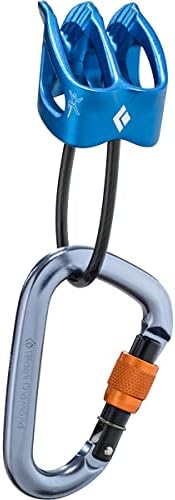
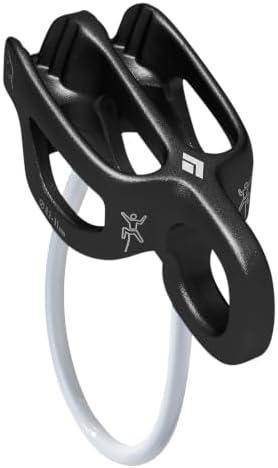


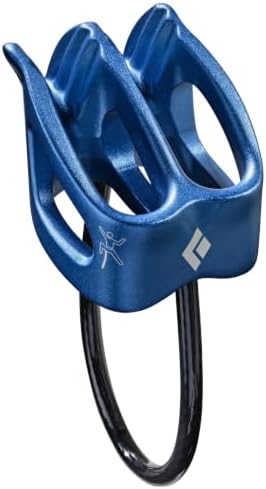
What Is An Atc Style Belay Device?
The ATC style belay device is a tubular piece of metal, usually made from aluminum. Its name comes from “Air Traffic Controller,” the original model made by Black Diamond. Over time, “ATC” became shorthand for this entire category of belay devices. The ATC is designed for controlling rope during climbing and rappelling. It works by creating friction between the rope and the device, helping the belayer manage the climber’s weight.
Most ATCs have two slots, allowing them to handle single or double ropes. Their shape is simple, but the engineering behind it is clever. With the right technique, ATC devices let you catch falls, lower climbers, and rappel smoothly. They are lightweight, easy to use, and durable.
How Does An Atc Style Belay Device Work?
The ATC uses friction to slow or stop the rope. When you feed the rope through the device and clip it to your harness with a locking carabiner, it forms a “V. ” The rope’s path creates friction, which helps you control speed and force.
For belaying, you hold one side of the rope (the brake side) while your partner climbs. If your partner falls, you simply grip the brake side tight, and the ATC increases friction, stopping the rope. For rappelling, you use both hands to manage the rope, adjusting your speed by how firmly you hold the brake side.
Key Components
- Slots: The two slots are for single or double ropes.
- Carabiner hole: Where you attach the device to your harness.
- Tubular design: Allows smooth rope movement and easy control.
Basic Steps
- Thread the rope through the device.
- Clip a locking carabiner through the device and rope.
- Attach to your harness.
- Use your dominant hand to manage the brake side.
Atc Style Belay Device Vs. Other Belay Devices
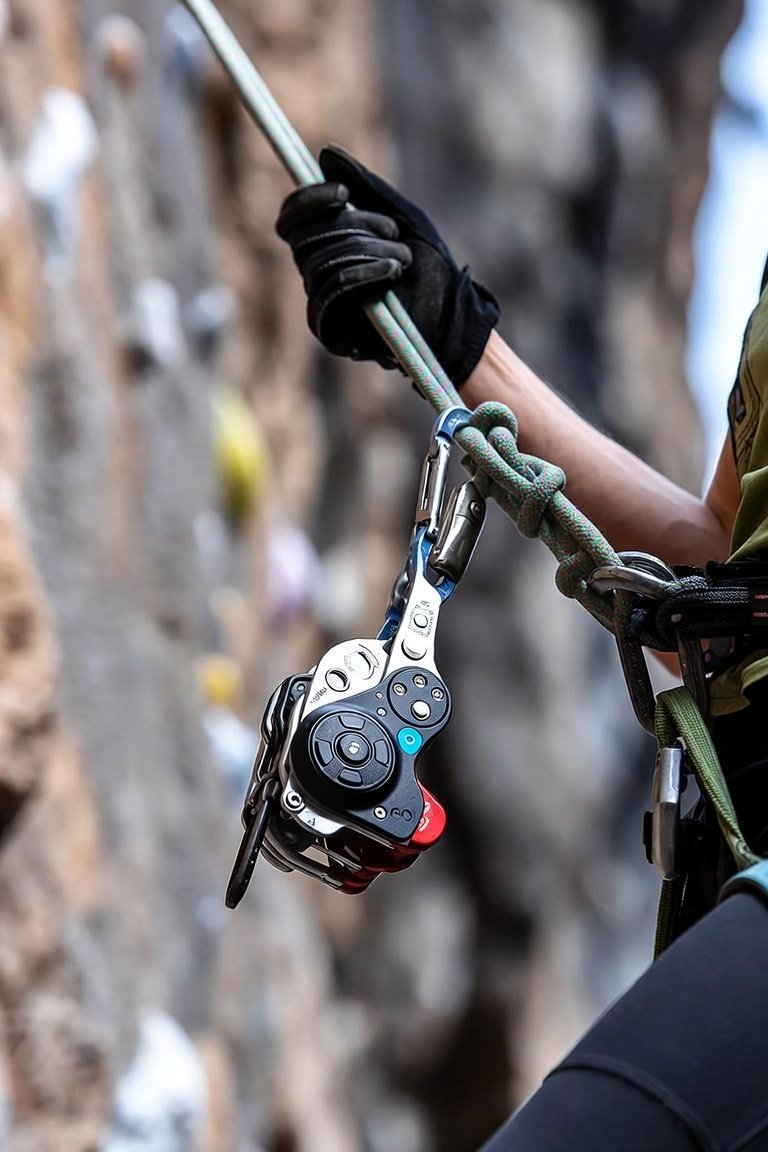
Choosing a belay device can be confusing. There are tube-style (ATC), assisted braking, and figure-eight devices. Here is a comparison to help you understand the differences.
| Device Type | Weight | Assisted Braking | Rope Compatibility | Ease of Use |
|---|---|---|---|---|
| ATC Style | 50–60g | No | 8–11mm | Easy |
| Assisted Braking | 200–350g | Yes | 8.5–11mm | Medium |
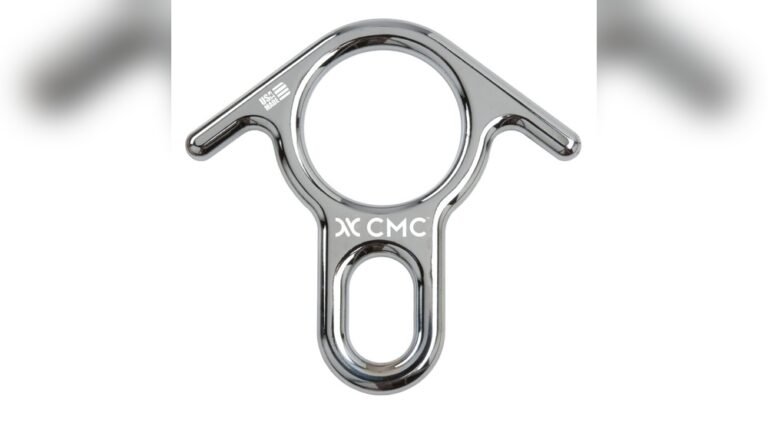
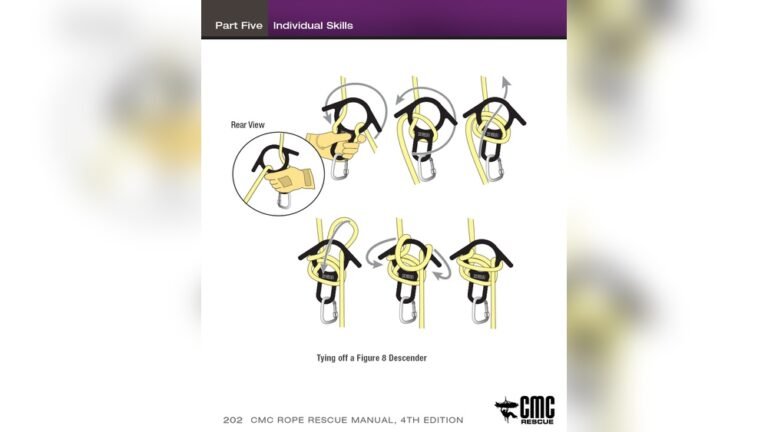
| Figure Eight | 110–120g | No | All | Medium |
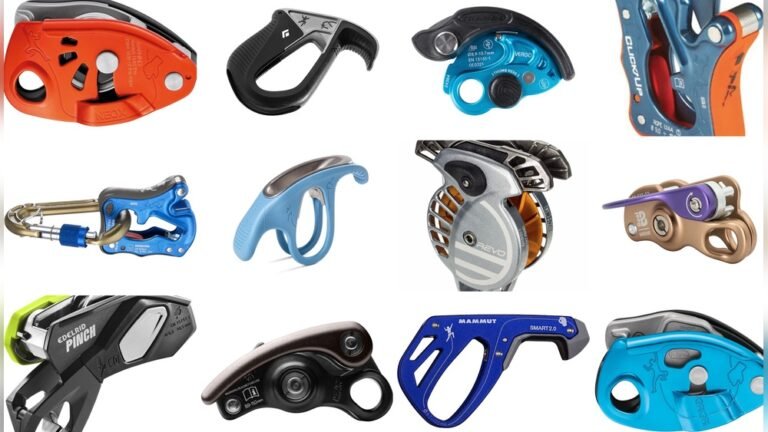
The ATC is lighter and simpler than most assisted braking devices (like the Petzl GriGri). It’s also more versatile than figure eight devices, which are mostly used for rappelling.
Advantages Of The Atc Style Belay Device
There are many reasons why climbers love the ATC. Here are some of the main benefits:
- Simplicity: The design is easy to understand and use, making it perfect for beginners.
- Lightweight: ATCs weigh less than most other belay devices. You barely notice them on your harness.
- Versatility: You can belay a climber, rappel, and even use two ropes for alpine climbing.
- Durability: Made from strong aluminum, ATCs last for years with proper care.
- Affordable: Most ATCs cost between $15–$30, much cheaper than assisted braking devices.
Many climbers start with an ATC and keep using it because it works well in almost all situations.
Disadvantages And Limitations
While the ATC is a great device, it’s not perfect for every situation.
- No assisted braking: You must use proper technique. If you let go of the brake side, the device won’t stop the rope.
- Harder for heavy climbers: Catching falls from heavier climbers can be tiring, especially for beginners.
- Less suitable for sports climbing: Many sport climbers prefer assisted braking devices for added safety.
These drawbacks are important to understand, especially if you climb with partners who are heavier or climb routes with frequent falls.
Types Of Atc Style Belay Devices
There are several versions of ATC devices. The basic ATC has two slots. More advanced models have additional features.
Atc Guide
The ATC Guide is designed for multi-pitch and alpine climbing. It has a small metal loop on the side, allowing “guide mode.” You can belay two followers at the same time, directly from an anchor.
Atc-xp
The ATC-XP has teeth on one side, increasing friction. This helps when belaying heavier climbers or rappelling with thin ropes.
Atc-alpine
The ATC-Alpine is smaller and lighter, made for use with thinner ropes (6.5–8mm). It’s ideal for alpine and ice climbing.
| Model | Weight | Features | Best Use |
|---|---|---|---|
| ATC | 50g | Basic | Indoor/Outdoor |
| ATC-XP | 59g | High friction | Sport/Trad |
| ATC Guide | 80g | Guide mode | Multi-pitch |
| ATC-Alpine | 35g | Thin ropes | Alpine/Ice |
Not all ATCs are the same. Choose the model that fits your climbing style.
How To Use An Atc Style Belay Device: Step-by-step
Using an ATC correctly is essential for safety. Here’s a clear guide:
- Thread the rope: Push a bight of rope through one slot. If you use two ropes, thread both.
- Attach carabiner: Clip a locking carabiner through both the rope and the device.
- Connect to harness: Clip the carabiner to your belay loop.
- Check orientation: Make sure the brake side of the rope is on the correct side.
- Belay technique: Hold the brake side firmly. Use the “PBUS” method (Pull, Brake, Under, Slide).
- Communicate: Always confirm with your partner before starting.
- Lowering: To lower a climber, gradually release the brake side.
Practical Tips
- Always use a locking carabiner for added safety.
- Keep your brake hand on the rope at all times.
- Practice with an experienced climber before belaying someone on real routes.
Many beginners forget to check the orientation of the rope. If threaded backwards, the device may not create enough friction.
Rappelling With An Atc Style Belay Device
The ATC is also perfect for rappelling. Here’s how to do it safely:
- Thread both rope ends through the device.
- Attach to harness using a locking carabiner.
- Check rope ends: Make sure both ends reach the ground.
- Backup knot: Tie a stopper knot on both ends to prevent slipping.
- Control descent: Hold both ropes and feed them through the device slowly.
Common Mistakes
- Not tying stopper knots. Ropes can slip through the device if you lose control.
- Letting go of both ropes. Always keep at least one hand holding the brake side.
For long descents, add a friction hitch (like a Prusik knot) as a backup.
Atc Style Belay Device For Different Climbing Types
The ATC is versatile, but its performance varies depending on the climbing style.
Indoor Climbing
Most gyms allow ATCs for top-rope and lead climbing. Their simplicity makes them easy for beginners. Always follow the gym’s specific rules.
Outdoor Sport Climbing
The ATC works well, but if you expect lots of falls, assisted braking devices may be safer. Many sport climbers carry both.
Trad And Multi-pitch Climbing
The ATC shines here. It’s lightweight, works with double ropes, and is reliable. The ATC Guide is especially popular for multi-pitch climbs.
Alpine And Ice Climbing
Choose the ATC-Alpine for thin ropes. It’s lighter and safer for icy conditions.
How To Choose The Right Atc Style Belay Device
When selecting an ATC, consider the following:
- Rope diameter: Most ATCs handle ropes from 8–11mm. If you use thinner ropes, pick the ATC-Alpine.
- Weight: For long climbs, lighter devices are better.
- Extra features: Do you need guide mode or high friction?
- Budget: Basic ATCs are cheaper, but advanced models offer more options.
Mistakes To Avoid
- Buying an ATC that doesn’t fit your rope.
- Using a worn-out device. Check for sharp edges or cracks.
- Ignoring extra features. Guide mode is important for multi-pitch climbing.
Many climbers don’t realize that friction varies with rope thickness. Using a thick rope with an ATC-Alpine can make belaying difficult.
Cleaning And Maintaining Your Atc Style Belay Device
Keeping your ATC clean is simple but important.
- Wash occasionally: Rinse with warm water to remove dirt and grit.
- Inspect regularly: Check for cracks, sharp edges, or deep scratches.
- Store properly: Keep in a dry place away from chemicals.
- Replace when worn: If the device shows signs of wear, replace it immediately.
Most ATCs last for years if cared for. Avoid dropping them on hard surfaces, which can cause damage.
Common Beginner Questions And Insights
Many new climbers ask the same questions about ATC devices. Here are two points beginners often miss:
- Friction changes with rope type: New, stiff ropes are harder to control. Old, soft ropes may slip faster. Adjust your technique as ropes age.
- ATC devices aren’t foolproof: Even experienced climbers can make mistakes. Always double-check your setup and communicate with your partner.
Some gyms require assisted braking devices. Always check the rules before you climb.
Real-world Data: Atc Style Belay Device Usage
According to a 2026 climbing equipment survey, over 60% of climbers in the US use ATC-style devices for trad and multi-pitch climbing. In gyms, the number drops to 35%, as many prefer assisted braking devices.
| Climbing Type | ATC Usage (%) | Assisted Braking Usage (%) |
|---|---|---|
| Indoor | 35 | 60 |
| Outdoor Sport | 40 | 55 |
| Trad/Multi-pitch | 60 | 35 |
| Alpine/Ice | 70 | 25 |
As you can see, the ATC is still the top choice for traditional, alpine, and multi-pitch climbing.
Safety Tips And Advanced Techniques
If you want to belay or rappel safely with an ATC, keep these tips in mind:
- Always keep your brake hand on the rope. Never let go.
- Use a locking carabiner every time.
- Double-check your setup with your partner.
- For rappelling, tie stopper knots at the ends of the rope.
- Practice “guide mode” if using an ATC Guide. It lets you belay two followers safely.
- Don’t use an ATC with old, fuzzy ropes. Friction can change suddenly.
Experienced climbers often use gloves for rappelling to protect their hands.
Atc Style Belay Device For Rescue Situations
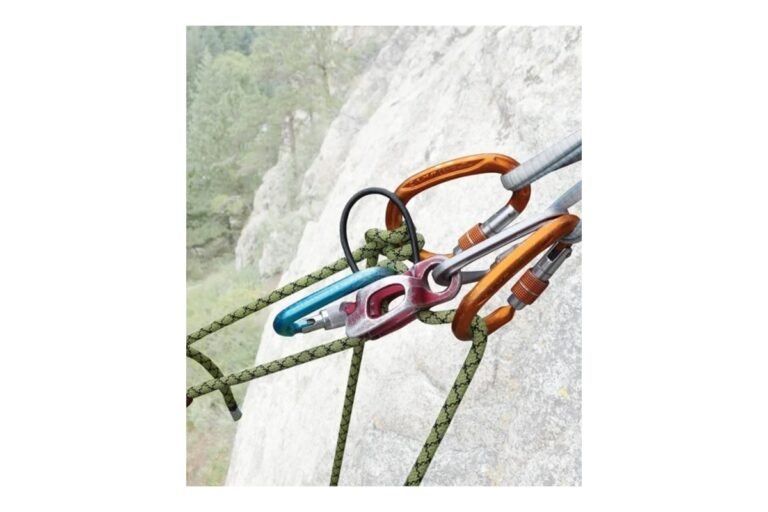
ATC devices can also be used in rescue scenarios. If a climber needs to be lowered quickly, the ATC allows controlled speed. In guide mode, rescuers can belay two people at once. However, always practice rescue techniques before needing them in real life.
Environmental Impact And Sustainability
ATC devices are made from aluminum, a recyclable material. Many brands now use recycled aluminum in their products. When your ATC is worn out, recycle it if possible. Avoid throwing climbing gear in the trash.
Where To Buy And Trusted Brands
You can buy ATC devices at most outdoor stores or online. Trusted brands include:
- Black Diamond: The original ATC maker.
- Petzl: Known for quality and innovation.
- Mammut: Popular in Europe.
Always buy from reputable sources. Avoid second-hand devices unless you know their history.
For more details on belay devices, visit Wikipedia.
Frequently Asked Questions
What Does “atc” Stand For In Climbing?
“ATC” stands for Air Traffic Controller, the original tubular belay device from Black Diamond. Today, “ATC” refers to any similar tube-style device.
Can I Use An Atc For Lead Belaying?
Yes, the ATC is safe for lead belaying if you use proper technique. Always keep your brake hand on the rope and communicate with your partner.
Is An Atc Style Belay Device Good For Beginners?
Absolutely. The ATC is simple, affordable, and easy to learn. Many climbing instructors recommend it for new climbers.
How Often Should I Replace My Atc Style Belay Device?
Replace your ATC if you see cracks, sharp edges, or deep scratches. With normal use, most last several years.
What Ropes Are Compatible With Atc Style Belay Devices?
Most ATC devices work with ropes from 8–11mm. For thinner ropes (6.5–8mm), use the ATC-Alpine model.
Climbing is a sport where safety comes first. The ATC style belay device has stood the test of time because it’s simple, reliable, and versatile. Whether you’re climbing in the gym, outdoors, or tackling multi-pitch routes, the ATC is a tool every climber should know.
By understanding its strengths and limitations, you can climb with confidence and stay safe.

3 Comments