Trad Climbing Harness: Top Picks for Comfort and Safety
Trad climbing is more than just a sport—it’s an adventure that challenges your mind and body. Every climb is different, and every piece of gear matters. Among the many tools on your rack, your trad climbing harness is one of the most important. It supports your weight, holds your gear, and keeps you safe in moments of stress. Choosing the right harness is not just about comfort; it’s about confidence and security on the wall. For many new climbers, the details of a trad harness can be confusing. There are so many options and features, and the wrong choice can make long days on the rock uncomfortable or even risky.
This guide will help you understand what makes a good trad climbing harness. You’ll learn about key features, how trad harnesses differ from sport or gym harnesses, and what to look for before making a purchase. Whether you’re a beginner or looking to upgrade, you’ll find practical advice and insights that go beyond marketing claims.
We’ll also compare popular models, discuss common mistakes, and answer frequent questions to help you climb smarter and safer.
Key Takeaways
- What Is A Trad Climbing Harness?
- Key Features Of A Trad Climbing Harness
- Trad Vs. Sport Vs. Alpine Harnesses
- How To Choose The Right Trad Climbing Harness
- Top Trad Climbing Harnesses (2026)
- In-depth Comparison: Trad Harnesses (2026)
On this page
- What Is A Trad Climbing Harness?
- Key Features Of A Trad Climbing Harness
- Trad Vs. Sport Vs. Alpine Harnesses
- How To Choose The Right Trad Climbing Harness
- Top Trad Climbing Harnesses (2026)
- In-depth Comparison: Trad Harnesses (2026)
- Common Trad Harness Mistakes
- How To Care For Your Trad Climbing Harness
- Trad Harness Sizing And Fit Guide
- Why Comfort Matters In Trad Climbing
- Trad Climbing Harnesses For Women
- When To Replace Your Trad Harness
- Trad Harness Accessories And Add-ons
- Safety Tips For Using A Trad Climbing Harness
- Frequently Asked Questions
- What Is The Difference Between A Trad And A Sport Climbing Harness?
- How Do I Know If My Harness Fits Correctly?
- How Often Should I Replace My Trad Climbing Harness?
- Can I Use My Gym Or Sport Harness For Trad Climbing?
- What Should I Do If My Harness Gets Wet Or Dirty?
Recommended Products for Trad Climbing Harnesses





What Is A Trad Climbing Harness?
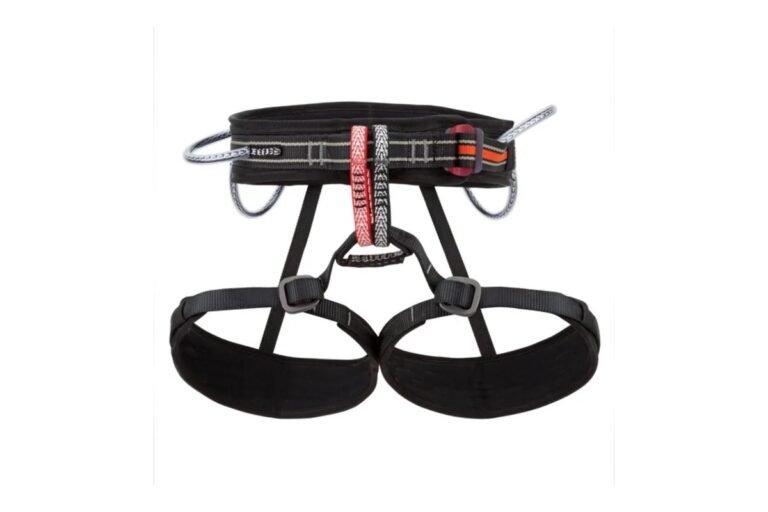
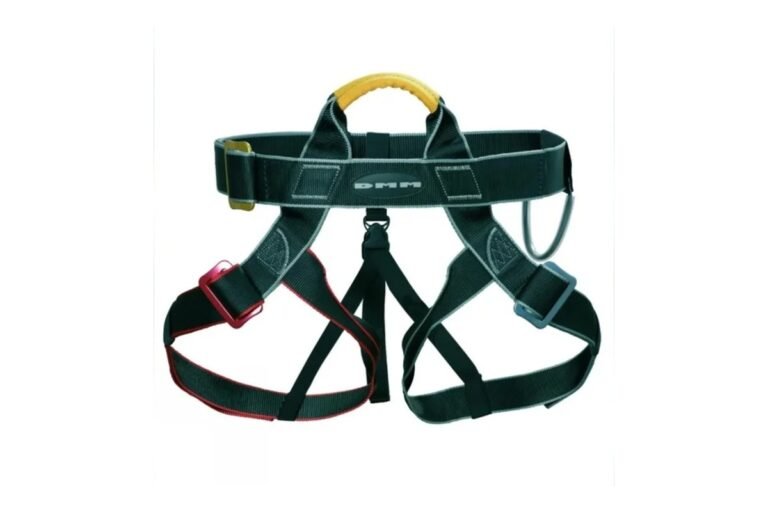
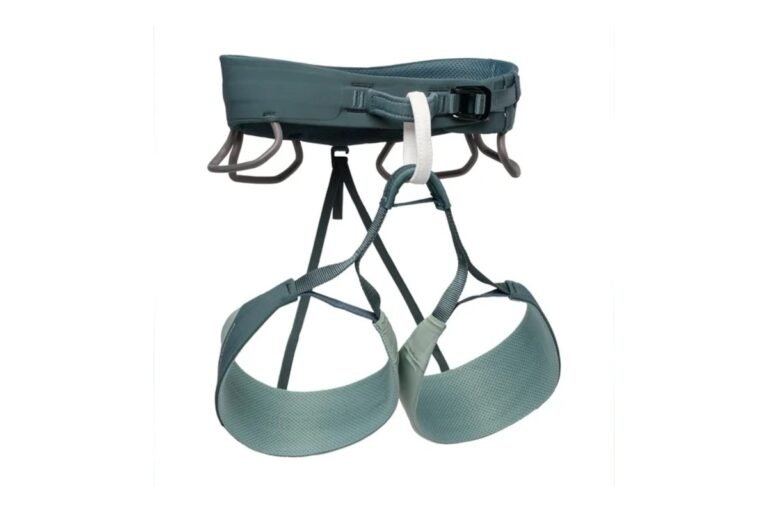
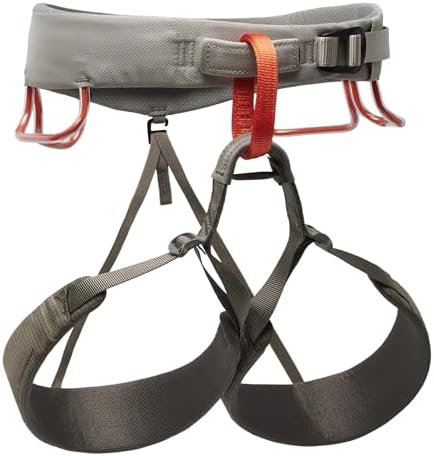
A trad climbing harness is a type of climbing harness designed specifically for traditional (trad) climbing. Unlike sport climbing, trad climbing involves placing your own gear—like cams and nuts—into the rock for protection. This style of climbing often means longer routes, more gear, and the need for comfort during hanging belays or multi-pitch climbs.
Trad harnesses are built to:
- Carry more gear with multiple gear loops
- Provide greater comfort for long periods of hanging or sitting
- Offer durability to handle rough rock and constant use
- Support extra features like haul loops and ice clipper slots
While you can technically use any climbing harness for trad, using a specialized trad harness can make a big difference in comfort and efficiency.
Key Features Of A Trad Climbing Harness
Understanding the main features will help you choose the right harness for your needs. Here are the most important aspects to consider:
Gear Loops
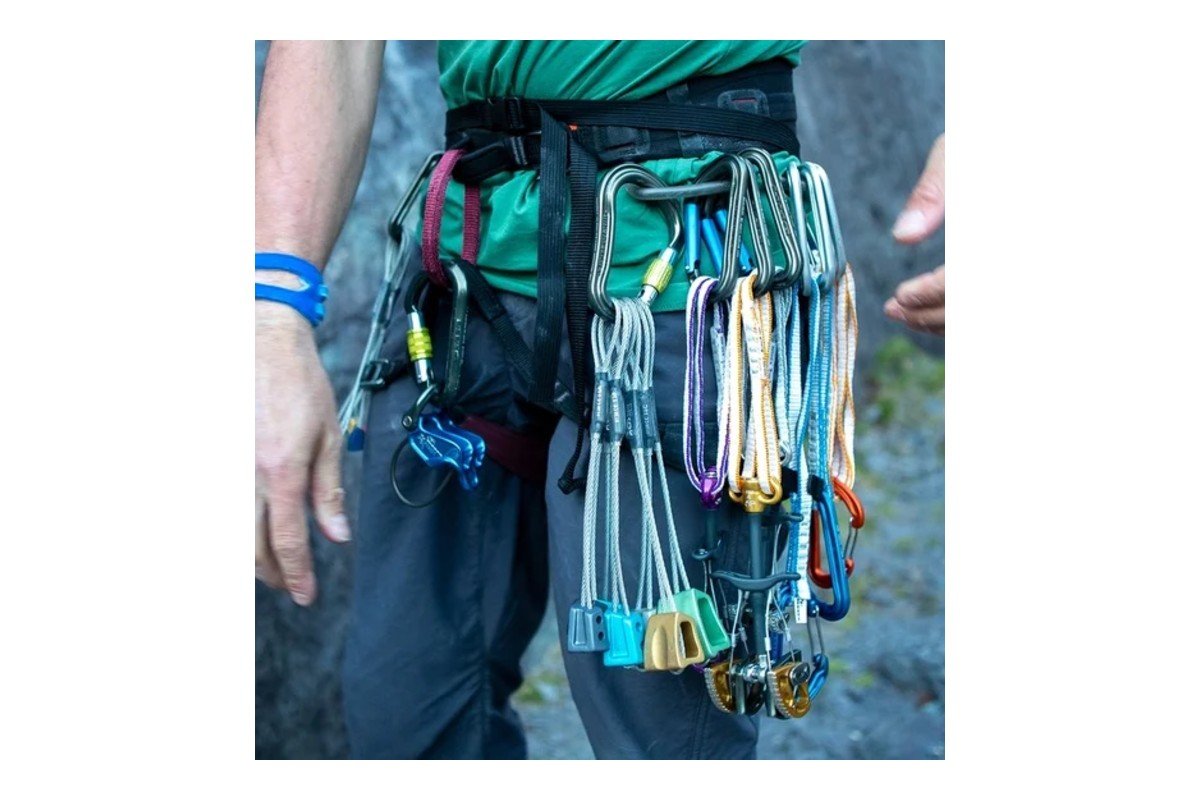
One of the biggest differences between trad and sport harnesses is the number of gear loops. Trad harnesses typically have 4–6 gear loops. These loops allow you to organize and carry all your cams, nuts, quickdraws, slings, and carabiners.
- Front gear loops are easy to access and hold your most-used pieces.
- Rear gear loops often carry less-used gear or anchor materials.
- Some high-end harnesses include extra loops or even a fifth or sixth loop for specialty gear.
Haul Loop
A haul loop is a reinforced loop at the back of the harness. It’s used to attach a tag line, haul rope, or a second rope. While not used for direct climbing protection, it’s crucial for multi-pitch and big wall routes.
Padding And Comfort
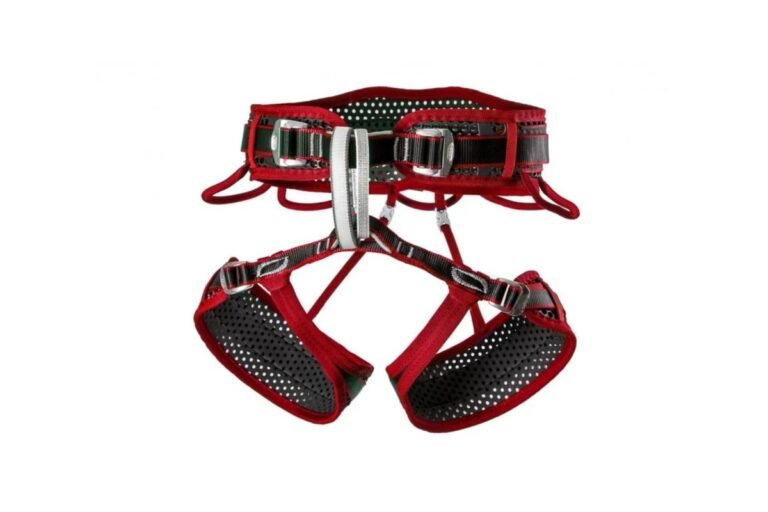
Trad climbs can last hours, especially on multi-pitch routes. A good trad harness will have thicker padding in the waist and leg loops. Padding distributes your weight more evenly, making it more comfortable to hang or sit in the harness for long periods.
- Ventilated padding can help keep you cool on hot days.
- Adjustable leg loops let you fine-tune the fit, especially when wearing different layers.
Leg Loops: Adjustable Vs Fixed
- Adjustable leg loops use buckles to fit over pants or shorts, or to handle layering in cold weather.
- Fixed leg loops are lighter and simpler but less flexible for changing conditions.
- For trad, many climbers prefer adjustable leg loops for maximum versatility.
Durability
Trad climbing often involves rough granite, chimneys, and abrasive surfaces. Trad harnesses use stronger fabrics and reinforced tie-in points to withstand this abuse.
Weight
A lighter harness is great for fast ascents, but comfort and gear capacity are more important for most trad climbers. Many trad harnesses balance moderate weight with extra features.
Ice Clipper Slots
Some trad harnesses include ice clipper slots—small reinforced areas for attaching ice screw holders. This feature is handy if you mix trad and alpine climbing.
Drop Seat Buckle
A drop seat lets you use the bathroom without removing your harness—very helpful on long multi-pitch climbs.
Trad Vs. Sport Vs. Alpine Harnesses
Not all climbing harnesses are created equal. Here’s how trad, sport, and alpine harnesses compare:
| Feature | Trad Harness | Sport Harness | Alpine Harness |
|---|---|---|---|
| Gear Loops | 4-6 large loops | 2-4 medium loops | Minimal loops (weight saving) |
| Padding | Thick, comfortable | Moderate | Minimal, lightweight |
| Adjustability | High (waist & legs) | Moderate | High (fit over layers) |
| Weight | Moderate | Light | Very light |
| Durability | High | Moderate | Moderate |
| Special Features | Haul loop, ice clipper slots, drop seat | Minimal | Packability, minimal buckles |
Non-obvious insight: Many beginners think they can use any harness for any style. In reality, using a sport harness for long trad climbs can cause discomfort and limit your gear carrying options.
How To Choose The Right Trad Climbing Harness
Selecting a trad climbing harness isn’t just about picking the most popular model. You need to consider your body type, the kind of climbing you do, and your personal preferences. Here’s a step-by-step guide:
1. Assess Your Climbing Needs
- Are you climbing single-pitch or multi-pitch routes?
Multi-pitch climbs require more gear and more comfort.
- Do you climb in cold weather?
Adjustable leg loops help fit over bulkier clothing.
- Are you mixing in alpine or ice climbing?
Look for ice clipper slots and extra adjustability.
2. Fit And Comfort
- Try before you buy. Hang in the harness for several minutes. Make sure it supports your weight without pinching or pressure points.
- Check waist and leg fit. The harness should fit snugly but not restrict movement. You should be able to fit two fingers between your body and the harness.
- Walk, squat, and move. Make sure the harness stays in place and doesn’t rub.
3. Gear Loop Layout
- Count your gear. Make sure the harness has enough loops for your full rack.
- Check gear loop stiffness. Rigid loops make it easier to clip and unclip gear.
4. Safety And Certifications
- Look for harnesses that meet UIAA or CE standards. These certifications ensure the harness can handle required loads and impacts.
5. Weight Vs. Comfort Trade-off
- Lighter harnesses are less comfortable for long hangs.
- Heavier harnesses may be more padded but can feel bulky.
6. Price
- Trad harnesses range from $60 to $180. Higher price usually means more features and comfort, but not always.
- Don’t sacrifice safety or comfort just to save money.
7. Try Different Brands
- Harnesses fit differently based on body shape. For example, some brands fit slimmer waists better, while others accommodate larger thighs.
Non-obvious insight: Even the most expensive harness can feel terrible if it doesn’t fit your body shape. Personal fit is more important than brand or price.
Top Trad Climbing Harnesses (2026)
Here are some of the most popular and well-reviewed trad climbing harnesses available today. This list covers a range of budgets and features.
1. Black Diamond Solution Guide
- Key Features: 5 gear loops, Super Fabric reinforcement, fixed leg loops
- Best For: All-around trad, durability
- Notable: Comfortable for long routes, very durable outer fabric
2. Petzl Adjama
- Key Features: 5 gear loops, adjustable leg loops, wide waist belt
- Best For: Multi-pitch trad, alpine
- Notable: Very comfortable, good for layering
3. Arc’teryx Ar-395a
- Key Features: 4 gear loops + rear haul loop, very light, advanced materials
- Best For: Lightweight trad, alpine
- Notable: Packs down small, higher price point
4. Edelrid Jay Iii
- Key Features: 4 gear loops, adjustable leg loops, drop seat
- Best For: Beginners, value
- Notable: Affordable, versatile
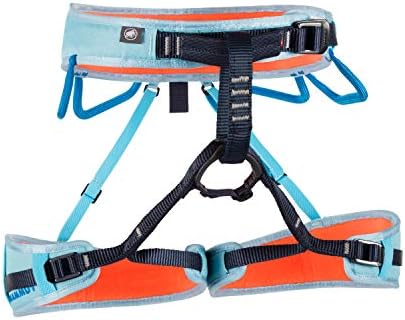
5. Mammut Ophir 3 Slide
- Key Features: 4 gear loops, adjustable leg loops, split webbing
- Best For: Comfort, value
- Notable: Breathable, great for hot weather
6. Wild Country Session
- Key Features: 4 gear loops, adjustable leg loops, lightweight
- Best For: Simplicity, all-around use
- Notable: Good fit for many body types
7. Dmm Renegade 2
- Key Features: 7 gear loops, drop seat, adjustable legs
- Best For: Big trad racks, multi-pitch
- Notable: Extra gear space, comfortable for long days
8. Metolius Safe Tech All-around
- Key Features: 4 gear loops, reinforced tie-in points, adjustable
- Best For: Safety-focused climbers
- Notable: Extra safety features, robust build
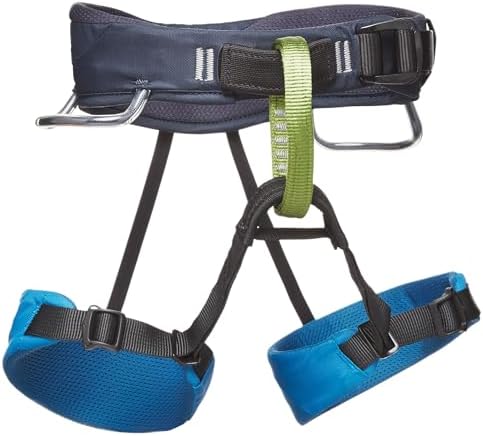
9. Black Diamond Momentum
- Key Features: 4 gear loops, adjustable leg loops, affordable
- Best For: Budget trad, beginners
- Notable: Popular starter harness
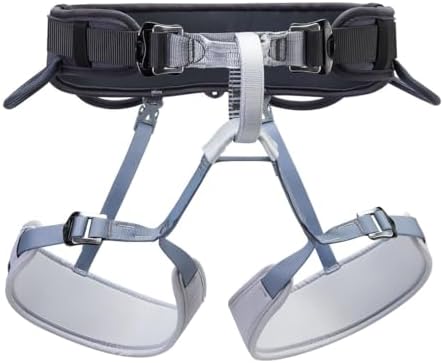
10. Petzl Corax
- Key Features: 4 gear loops, adjustable leg loops, wide fit range
- Best For: Occasional trad, gym-to-crag
- Notable: Fits many body shapes, easy to adjust
In-depth Comparison: Trad Harnesses (2026)
To help you see how these top harnesses stack up, here’s a side-by-side comparison:
| Model | Gear Loops | Weight | Leg Loops | Haul Loop | Price (USD) | Notable Feature |
|---|---|---|---|---|---|---|
| BD Solution Guide | 5 | 400g | Fixed | Yes | 120 | Durable fabric |
| Petzl Adjama | 5 | 495g | Adjustable | Yes | 90 | Wide belt |
| Arc’teryx AR-395a | 4+1 | 395g | Adjustable | Yes | 160 | Lightweight |
| DMM Renegade 2 | 7 | 400g | Adjustable | Yes | 110 | Extra loops |
| Edelrid Jay III | 4 | 368g | Adjustable | Yes | 70 | Drop seat |
Tip: Consider the number and placement of gear loops before you buy. Some harnesses have loops that sit further back, which can be hard to reach for some climbers.
Common Trad Harness Mistakes
Even experienced climbers sometimes make mistakes with their trad harnesses. Here are a few common errors and how to avoid them:
- Overloading Gear Loops: Cramming too much gear on a single loop can make it hard to find what you need. Distribute gear evenly across all loops.
- Poor Fit: Wearing a harness that’s too loose or too tight can cause discomfort and even safety risks. Always adjust for a snug fit.
- Using a Worn Harness: Harnesses degrade over time, especially at the tie-in points. Retire your harness if you see fraying, cuts, or heavy wear.
- Neglecting the Haul Loop: Some climbers ignore the haul loop, but it’s essential for multi-pitch and hauling extra gear.
- Choosing by Price Alone: Don’t pick the cheapest harness without considering comfort, features, and durability.
- Ignoring Leg Loop Adjustability: If you climb in many seasons, you’ll need adjustable leg loops for thicker clothing.
Practical advice: Always inspect your harness before every climb. Look for signs of wear, especially on the belay loop and tie-in points. Harness failure is rare, but most accidents involve old or damaged gear.
How To Care For Your Trad Climbing Harness
A harness is a life-saving piece of equipment. With proper care, it can last for years. Here’s how to extend its life:
- Store in a cool, dry place. Avoid direct sunlight and damp basements.
- Keep away from chemicals. Sunscreen, bug spray, and oil can weaken nylon.
- Hand wash only. Use mild soap and water. Never use bleach or harsh cleaners.
- Air dry. Never use a dryer or place near high heat.
- Regular inspections. Check for frayed stitching, cuts, or discoloration.
- Retire after a major fall. If you take a big lead fall, inspect your harness closely. If in doubt, replace it.
Tip: Most manufacturers recommend replacing your harness every 3–5 years, even if it looks fine, due to material aging.
Trad Harness Sizing And Fit Guide
Getting the right fit is key for safety and comfort. Here’s what you need to know:
- Waist size: Measure your waist at the level where you wear the harness (usually above your hips).
- Leg loops: Measure around the upper thigh. Adjustable loops provide more flexibility.
- Try with clothing: If you plan to wear thick pants or layers, bring them when trying on harnesses.
- Gender-specific models: Women’s harnesses often have a different shape to fit the hips and waist better.
Sizing Chart Example
Here’s a typical harness sizing chart (always check the brand’s own chart):
| Size | Waist (inches) | Leg (inches) |
|---|---|---|
| XS | 24-27 | 16-20 |
| S | 27-30 | 18-22 |
| M | 30-33 | 20-24 |
| L | 33-36 | 22-26 |
| XL | 36-39 | 24-28 |
Pro tip: If you’re between sizes, try both. The harness should fit snugly but still allow easy movement.
Why Comfort Matters In Trad Climbing
Comfort is more than a luxury—it’s a safety issue in trad climbing. On long multi-pitch climbs, you may spend hours in your harness, belaying or waiting. An uncomfortable harness can cause:
- Numb legs from poor weight distribution
- Chafing from rough seams or poor fit
- Reduced focus due to pain or discomfort
- Less willingness to stay safe (for example, skipping a hanging belay to avoid discomfort)
A good trad harness uses wider waist belts, better padding, and ergonomic designs to keep you comfortable and focused on your climb.
Trad Climbing Harnesses For Women
Women often struggle to find harnesses that fit well. Women’s harnesses have:
- Different waist-to-leg ratios: To fit wider hips and narrower waists
- Curved waist belts: For better fit and comfort
- Softer padding: For sensitive skin
Popular women’s trad harnesses include the Petzl Luna, Black Diamond Solution Guide Women’s, and Arc’teryx AR-385a Women’s.
Insight: Some women prefer men’s harnesses (or vice versa) depending on personal body shape. Try both to see what fits best.
When To Replace Your Trad Harness
You should replace your harness if:
- Visible damage: Frayed webbing, cuts, or heavy discoloration
- Heavy falls: After a significant fall or load event
- Age: 3–5 years, even if it looks fine (per manufacturer guidelines)
- Manufacturer recall: If your harness model is recalled for safety reasons
For more details, you can check the manufacturer’s website or trusted resources like the Petzl official site.
Trad Harness Accessories And Add-ons
Make your harness work better for you with these extras:
- Gear slings: For extra gear beyond the loops
- Chalk bags: Often attach to the harness rear
- Belay devices: Some harnesses have dedicated holders
- Ice clipper holders: For mixed and alpine climbing
- Accessory carabiners: For nut tools or other small items
Safety Tips For Using A Trad Climbing Harness
- Double-back buckles: Make sure all buckles are doubled back and secure before climbing.
- Tie-in points: Always tie your rope through both the waist and leg loop points, not the belay loop.
- Partner check: Always do a buddy check before leaving the ground.
- Keep it organized: Don’t let gear loops get tangled or overloaded.
Frequently Asked Questions
What Is The Difference Between A Trad And A Sport Climbing Harness?
A trad harness is built for carrying more gear and providing extra comfort for long routes. It typically has more gear loops, thicker padding, and often includes a haul loop. A sport harness is lighter, with fewer gear loops and less padding, designed for short, intense climbs where comfort and gear storage are less critical.
How Do I Know If My Harness Fits Correctly?
A good fit means the waist belt sits above your hips and can’t be pulled down. You should be able to fit two fingers between the harness and your body, but it should not twist or move when you hang or climb.
Adjustable leg loops should be snug but not tight.
How Often Should I Replace My Trad Climbing Harness?
Most manufacturers recommend replacing your harness every 3–5 years, even if it looks fine. Replace it sooner if you see signs of wear, fraying, cuts, or if you’ve taken a big fall that could have damaged the material.
Can I Use My Gym Or Sport Harness For Trad Climbing?
You can, but it may not be comfortable or practical for long trad routes. Gym and sport harnesses usually have fewer gear loops and less padding. For long, gear-intensive climbs, a trad harness is safer and more comfortable.
What Should I Do If My Harness Gets Wet Or Dirty?
If your harness gets wet, let it air dry away from direct sunlight or heat. If it gets dirty, hand wash it with mild soap and water. Never use bleach or harsh chemicals, and never dry it in a machine or near a heater.
Trad climbing is about adventure, problem-solving, and trust—in your gear and yourself. Your harness is your lifeline. Take the time to choose one that fits well, suits your style of climbing, and will keep you comfortable and safe on any route. With the right trad climbing harness, you’ll be ready for whatever the rock throws at you.