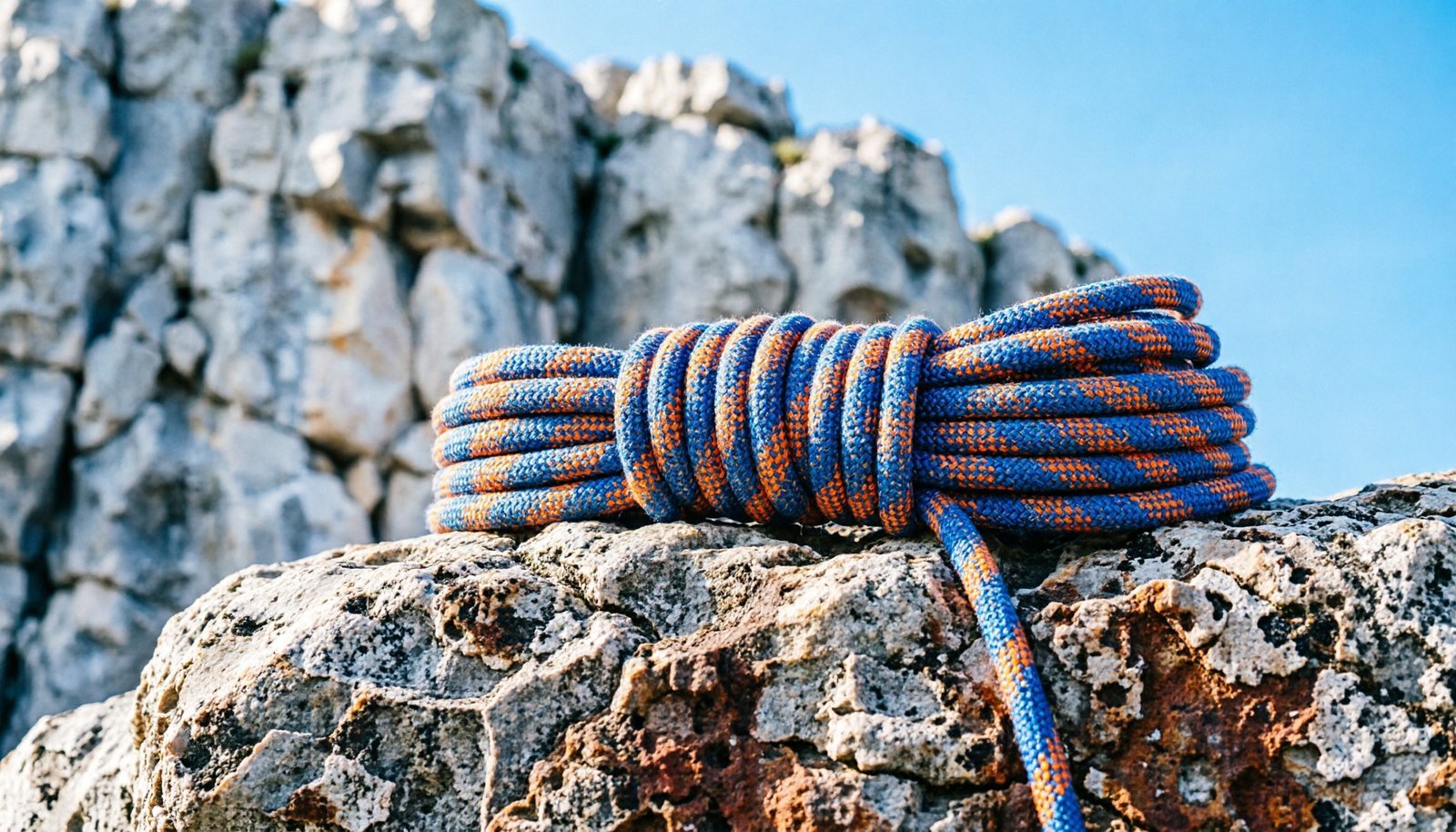
When to Retire a Climbing Rope: Signs of Damage and Safety Tips
Many climbers worry too much about minor cosmetic fuzz, but internal core damage or chemical exposure are the real reasons to stop using a cord. It’s helpful to treat your rope like a seatbelt: it’s there to save you, so don’t gamble with its integrity.
Key Takeaways
- Understanding Rope Life Cycles
- Factors Affecting Climbing Rope Retirement
- A Simple One-Minute Inspection
- The Difference Between Sheath and Core Damage
- Honest Limits of Visual Inspection
- When to Retire and When to Seek Advice
- Care and Maintenance
On this page
Recommended Products for Climbing Ropes




Understanding Rope Life Cycles
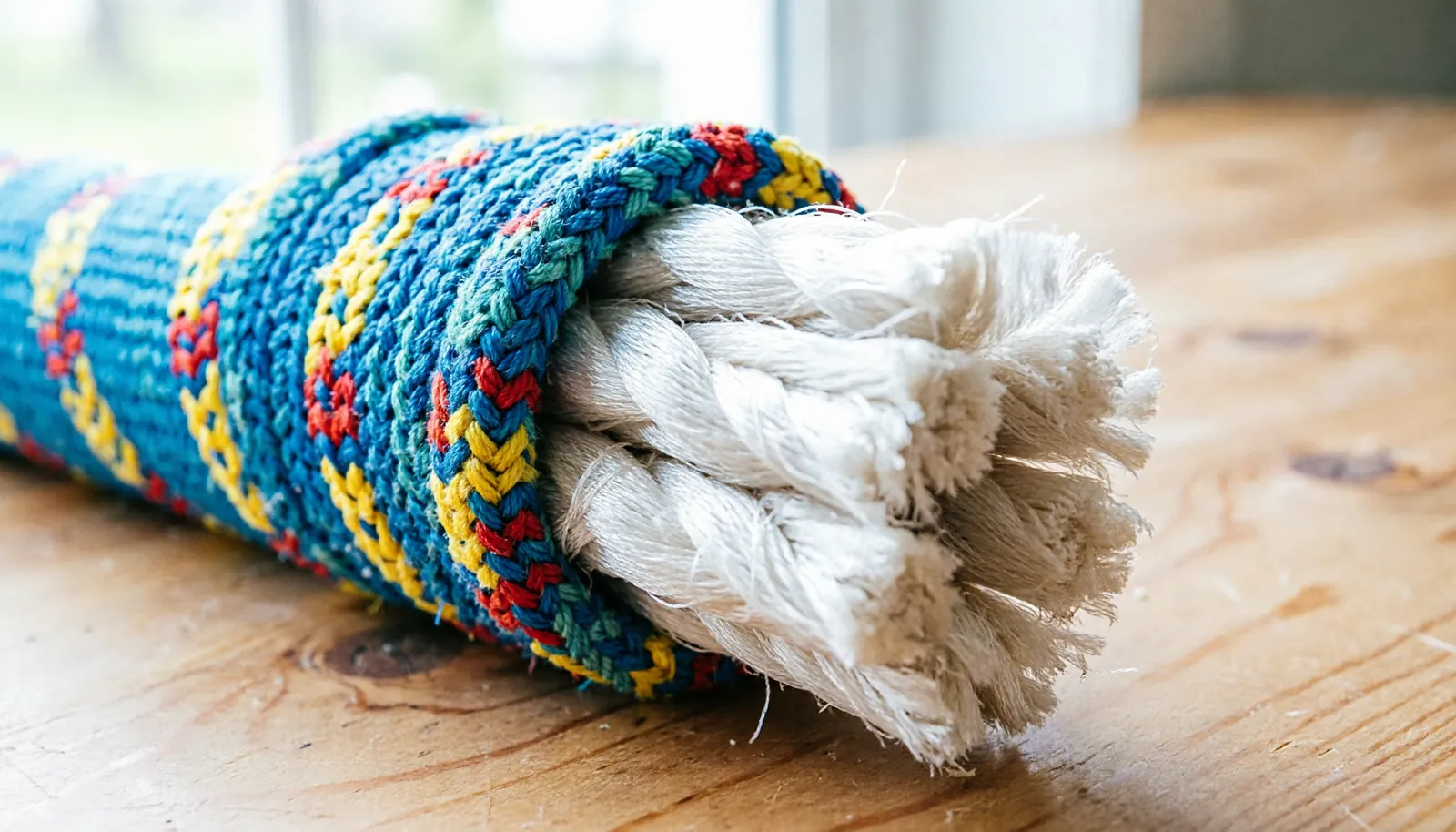
A climbing rope is a complex piece of equipment made of a braided sheath protecting an inner core of nylon fibers. When you use it, these fibers stretch and absorb energy during falls, which slowly reduces the rope’s ability to handle future force. Manufacturers design these to meet the UIAA 101 safety standard, which ensures they can withstand repeated falls under controlled conditions.
Most people make the mistake of measuring a rope’s life only by the calendar. In reality, a rope that sits in a closet for a long duration is still degraded by oxidation and humidity. Conversely, a rope used for professional guiding every day might need replacement much sooner. The true lifespan depends on the intensity of use, the number of falls taken, and how carefully the rope is cleaned and stored.
Factors Affecting Climbing Rope Retirement
The environment where you climb changes how fast your rope wears out. Sharp rock edges, grit, and frequent falls are the primary killers of sheath integrity. If you’re climbing in a sandy area, tiny particles get inside the fibers and act like sandpaper, cutting the core from the inside out.
| Factor | Impact on Rope |
|---|---|
| Heavy Fall Loading | Reduces dynamic elasticity |
| Sandy/Dirty Climbs | Internal fiber abrasion |
| Chemical Exposure | Weakens nylon molecular structure |
| Frequent Top-roping | High localized wear at anchors |
| UV Light Exposure | Degrades sheath nylon over time |
If you mostly climb in clean, indoor gyms, your rope will last significantly longer than one used for outdoor trad climbing on jagged granite. Always check for “flat spots” or sections where the sheath feels loose around the core. If you find a section that’s permanently soft or mushy, the rope is no longer safe to use for lead climbing.
A Simple One-Minute Inspection
You can check your rope for major issues using this quick physical test. Perform this check every time you flake the rope before or after a climb.
Run your hands along the entire length of the rope, feeling for lumps, soft spots, or thin sections. A healthy rope should feel uniform and firm throughout. If you encounter a localized “mushy” spot, it indicates the internal core has likely snapped.
Look for any areas where the white core fibers are visible through the colored sheath. This abrasion exposes the load-bearing material to UV damage and grit.
Check the ends of the rope for fraying or excessive hardening caused by heat friction. If the rope feels “bunchy” or has a section that doesn’t return to its original shape after bending, take it out of service. This core-shot deformity means the rope can no longer safely absorb the energy of a lead fall.
The Difference Between Sheath and Core Damage
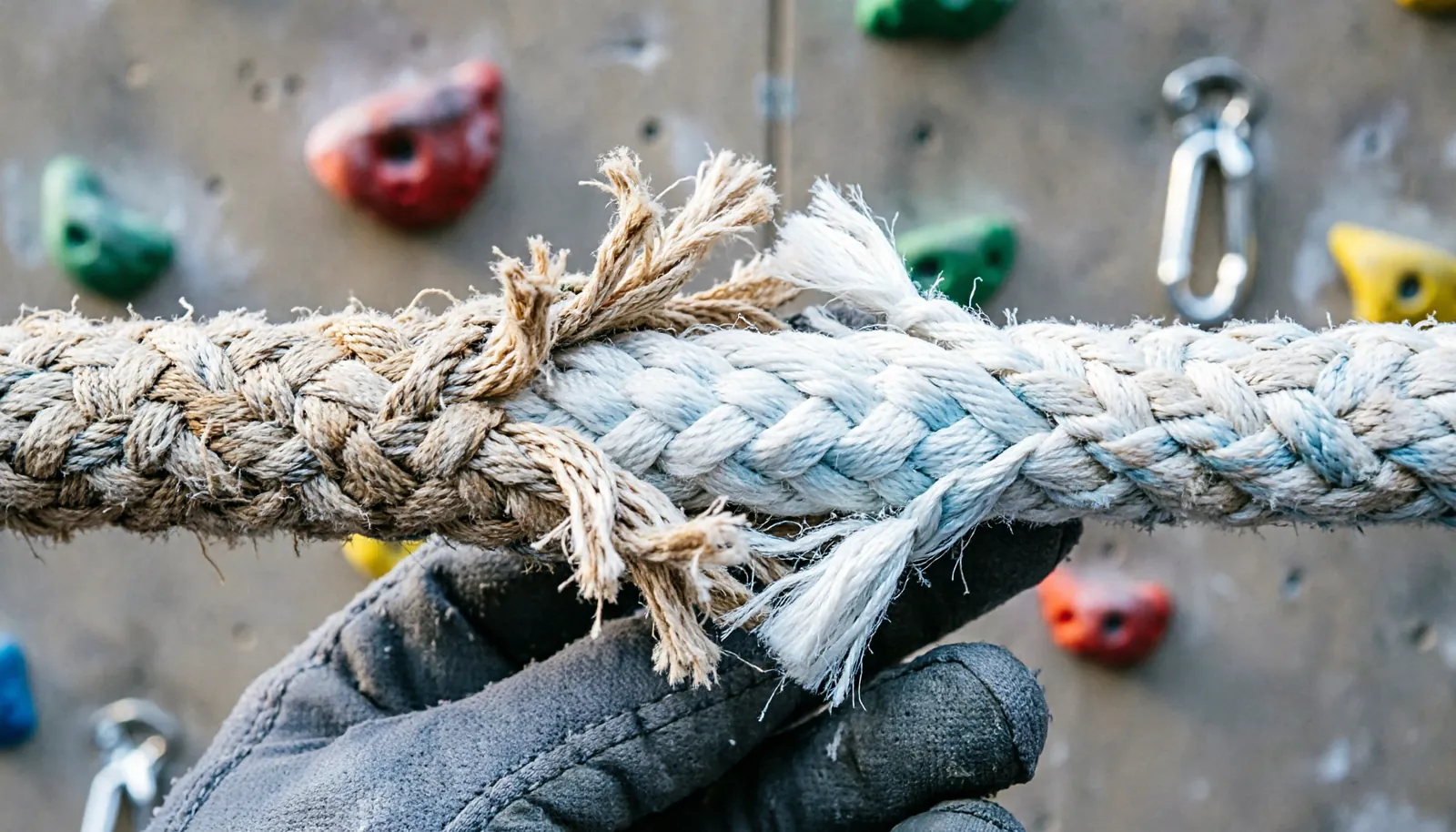
It’s common to confuse surface wear with structural failure. A small amount of “fuzz” on the sheath is normal and happens as the outer fibers rub against carabiners. This is merely cosmetic. However, if the sheath is cut, burned, or so worn that you can see the white core, the rope has lost its protective barrier.
You should choose a thicker rope, like a 10mm, if you’re a beginner or do a lot of top-roping because it resists abrasion better. If you’re an experienced climber focused on long, multi-pitch routes, you might prefer a thinner 9mm rope to save weight. The trade-off is that thinner ropes wear out faster and require more precise belaying technique to keep them safe.
Honest Limits of Visual Inspection
Visual checks can’t detect every problem. Some damage, like internal chemical contamination from battery acid or harsh cleaning agents, is invisible to the naked eye. If you know your rope touched a chemical, you must retire it immediately, even if it looks brand new.
Marketing materials often claim a rope is “indestructible,” but this is false. Nylon is a plastic that ages regardless of how well you treat it. If you have any doubt about the history of a used rope you found or bought, the only safe choice is to retire it. Never trust a used rope that lacks a documented log of its usage history.
When to Retire and When to Seek Advice
You must retire any rope that has been involved in a massive “factor two” fall or has sustained a core shot. Manufacturer guidelines vary significantly based on the specific rope construction and intensity of use; always consult the documentation provided with your specific rope. If you see deep cuts, signs of melting, or persistent stiffness, stop using it immediately.
If you’re unsure about the condition of your gear, go to a professional climbing gym and ask the staff to inspect it. They see thousands of ropes and can quickly spot signs of wear that a beginner might miss. Don’t try to repair a damaged rope by cutting it or taping it; that’s a dangerous mistake that will result in a failure during a fall.
Care and Maintenance
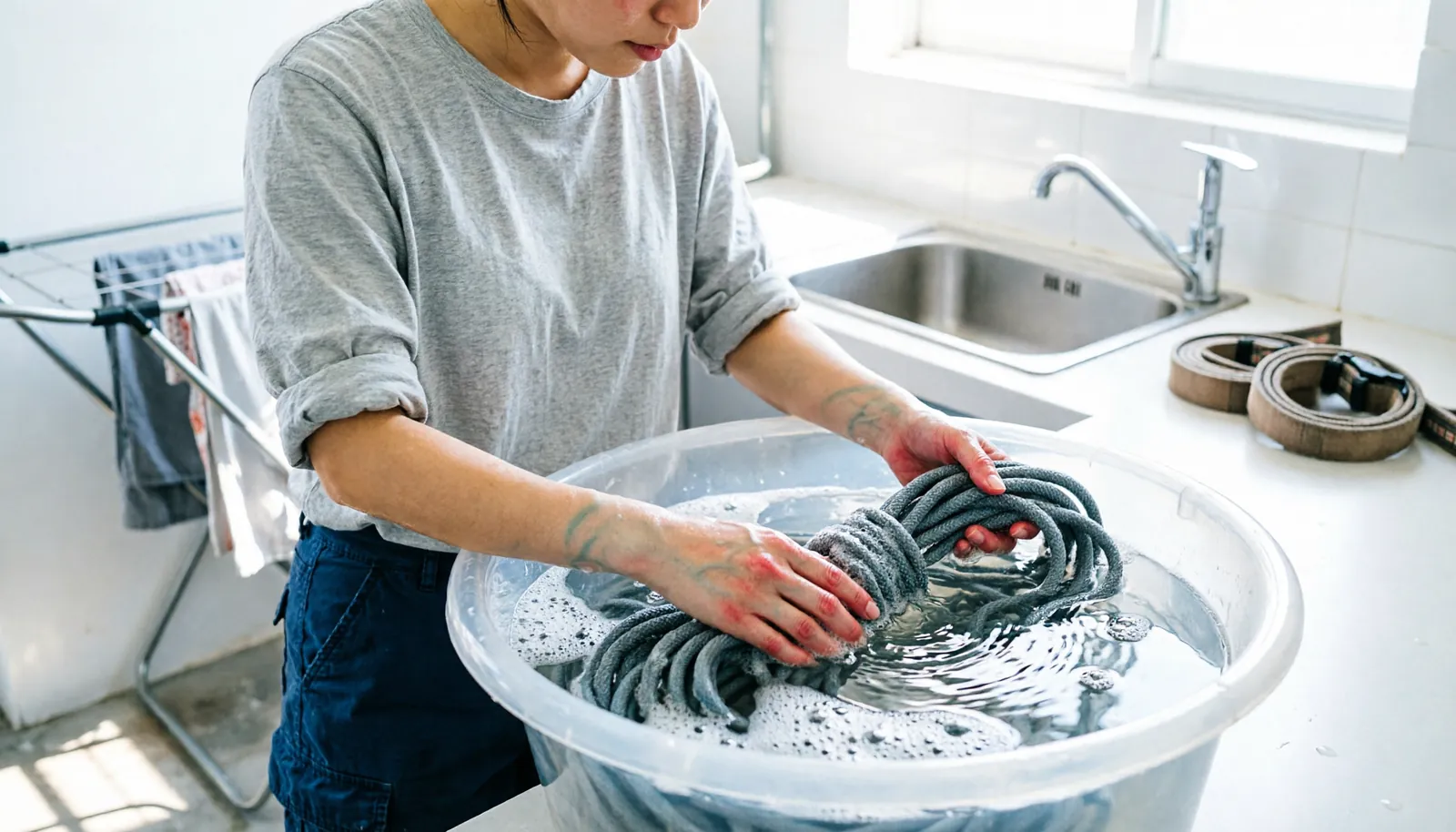
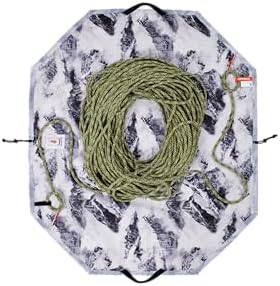
To keep your rope in top shape, always use a rope bag to keep it off the ground. Dirt is the enemy, so wash your rope in a tub with lukewarm water and a mild, rope-specific detergent if it gets gritty. Never use a washing machine with an agitator, as this can twist and damage the core.
Dry your rope in the shade, away from direct sunlight, because UV rays weaken nylon fibers over time. Store it in a cool, dry place away from car batteries, fuels, or paints. A simple rule: if you wouldn’t store your clothes in it, don’t store your rope there either.
Related guides
- How to Wash a Climbing Rope Safely to Extend Its Lifespan
- Dynamic vs Static Rope: How to Choose the Right Climbing Line
Frequently Asked Questions
Can I use a rope that has been stored for five years?
Yes, provided it was stored in a cool, dark, and dry place. Inspect it thoroughly for any signs of mold, stiffness, or discoloration before you take it on a climb.
Does a rope need to be retired after one big fall?
Usually, no. Modern climbing ropes are dynamic and designed to absorb the energy of many falls. You only need to retire it if the fall was extreme or if you see physical damage.
Should I cut off the damaged end of my rope?
You can do this if the damage is limited to the very end of the rope. Always seal the cut end with a hot knife to prevent fraying, and remember that your rope is now shorter than it was before.
How does sunlight affect my rope?
UV radiation breaks down the chemical bonds in the nylon, making it brittle. Avoid leaving your rope out in the sun at the crag when you aren’t using it.
Can I clean my rope with soap?
Use only mild soap specifically made for climbing ropes or plain lukewarm water. Never use harsh household detergents or bleach, as these chemicals can weaken the nylon fibers.
Is a “fuzzy” rope dangerous?
A little bit of fuzz is normal wear and tear from use. It becomes dangerous only when the sheath is worn so thin that the inner core is exposed or damaged.
Does the color of the rope matter for its strength?
No, color is purely for visibility and personal preference. It doesn’t indicate the age or the quality of the nylon materials inside.
How often should I check my rope?
You should run your hands along the entire length of the rope every time you use it. This habit helps you catch small issues before they become major safety concerns.
Conclusion
The Bottom Line The decision to retire a climbing rope is based on a mix of visual inspection and your own log of its history. If you’re ever unsure about the safety of your rope, the safest choice is always to replace it. A new rope is a small price to pay for your confidence and safety on the wall.