Ice Climbing Harness: Top Picks for Safety and Comfort
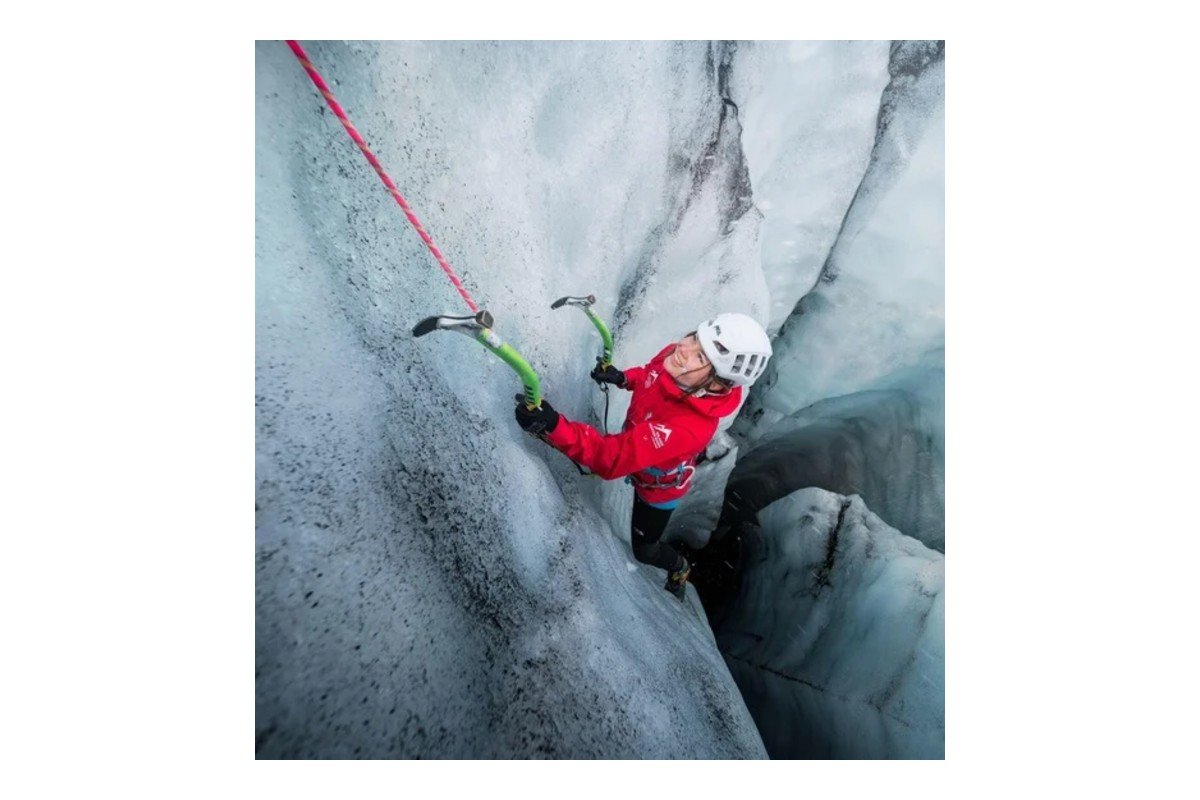
Ice climbing is one of the most thrilling and demanding mountain sports. The sight of climbers scaling frozen waterfalls or icy cliffs is breathtaking. But beneath the drama and beauty lies a serious reality: safety is everything. One piece of gear stands out as especially vital—the ice climbing harness. This article dives deep into what makes an ice climbing harness unique, how to choose the right one, and how it impacts your safety and experience on the ice.
Key Takeaways
- What Is An Ice Climbing Harness?
- Why Is The Harness So Important In Ice Climbing?
- Key Features Of An Ice Climbing Harness
- How An Ice Climbing Harness Differs From Other Harnesses
- Choosing The Right Ice Climbing Harness
- Popular Ice Climbing Harness Brands And Models
On this page
- What Is An Ice Climbing Harness?
- Why Is The Harness So Important In Ice Climbing?
- Key Features Of An Ice Climbing Harness
- How An Ice Climbing Harness Differs From Other Harnesses
- Choosing The Right Ice Climbing Harness
- Popular Ice Climbing Harness Brands And Models
- How To Fit And Adjust An Ice Climbing Harness
- Packing And Organizing Gear On Your Harness
- Care And Maintenance For Ice Climbing Harnesses
- Common Mistakes When Using An Ice Climbing Harness
- Ice Climbing Harnesses For Women: Special Considerations
- Harness Accessories For Ice Climbing
- Harness And Layering: Staying Warm And Safe
- Harnesses For Mixed And Alpine Ice Climbing
- Harness Innovations: What’s New?
- Safety Standards And Testing For Ice Climbing Harnesses
- Real-world Example: Harness Failure
- Comparing Top Ice Climbing Harnesses
- Harness Setup For Different Types Of Ice Climbing
- Renting Or Buying: What’s Best For Beginners?
- Environmental And Ethical Concerns
- Ice Climbing Harnesses For Kids
- Where To Learn More
- Frequently Asked Questions
Recommended Products for Ice Climbing Harnesses
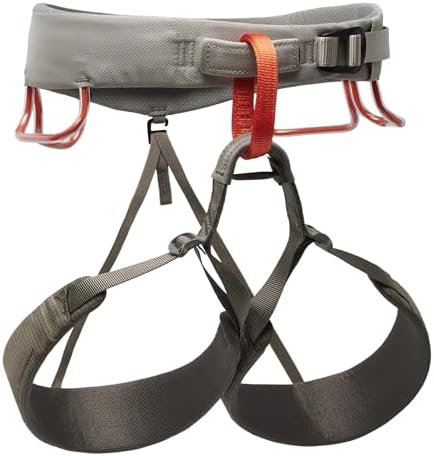
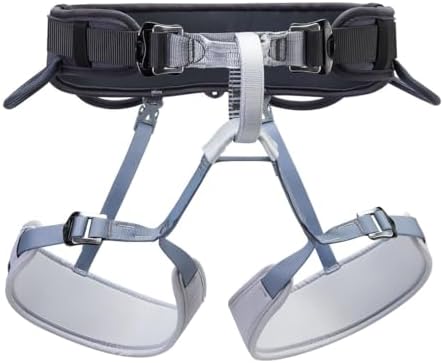

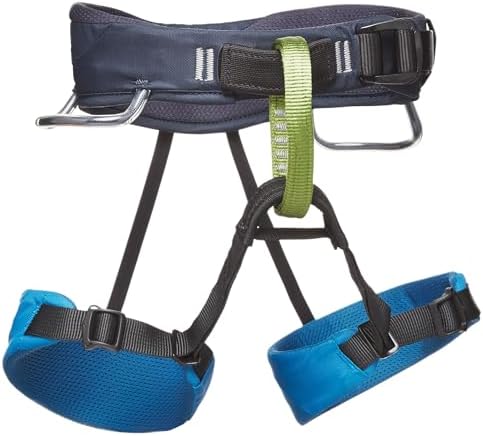
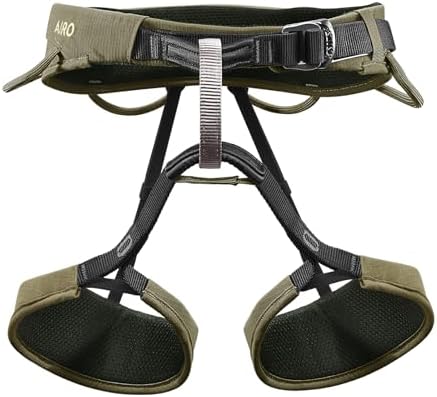




What Is An Ice Climbing Harness?
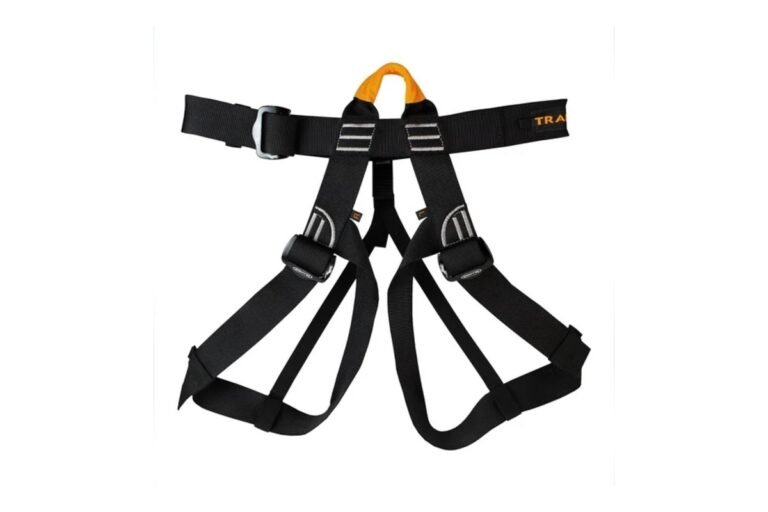
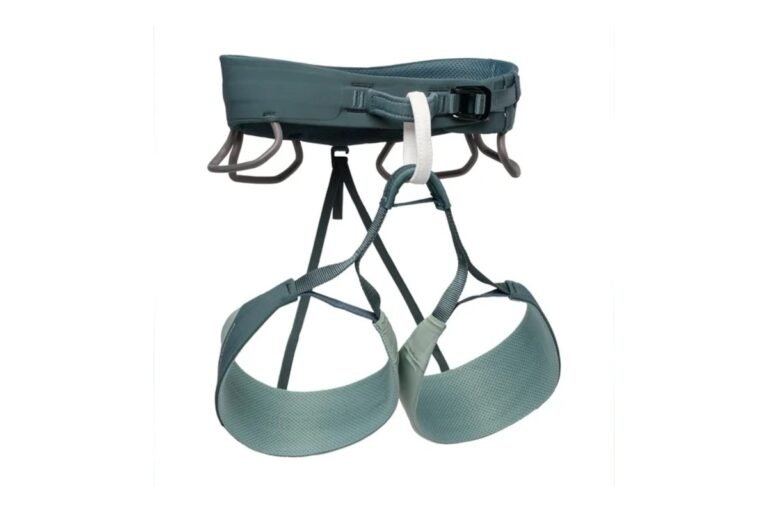
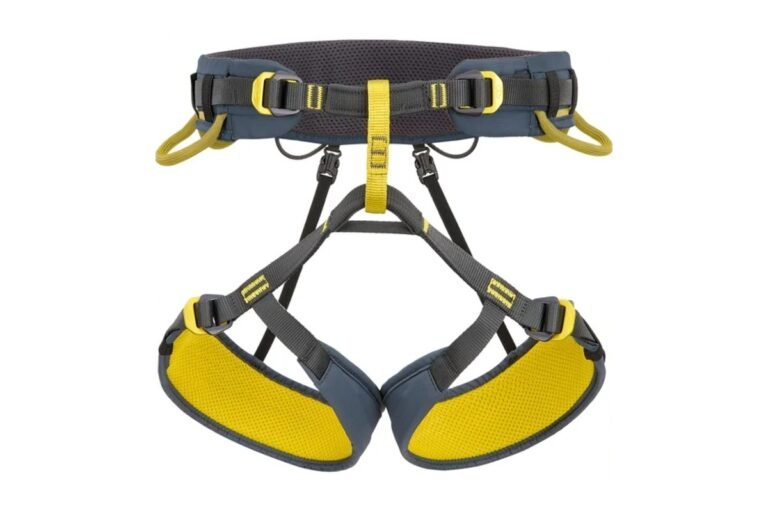
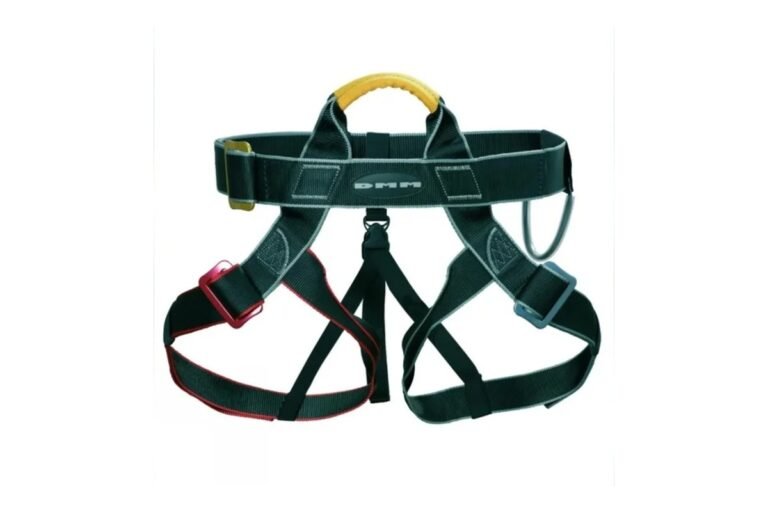
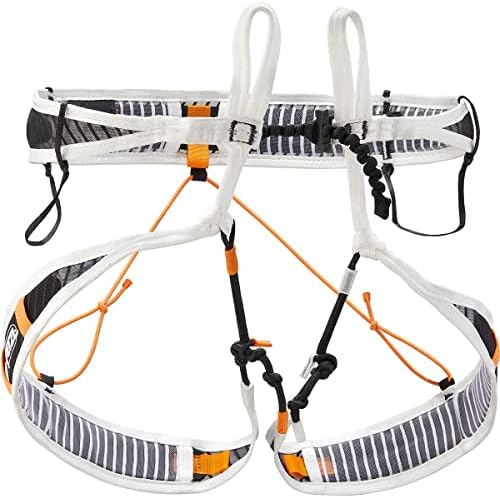
An ice climbing harness is a specialized belt-and-leg-loop system that climbers wear around their waist and thighs. Its main job is to keep you attached to the rope and anchor, supporting your body if you fall or need to hang. Unlike basic climbing harnesses, ice climbing harnesses are made to handle the cold, wet, and sharp conditions of frozen climbs.
Most ice climbing harnesses feature adjustable leg loops, extra gear loops for carrying ice screws and tools, and reinforced tie-in points. The materials are chosen to stay flexible in freezing weather and to resist cuts from sharp equipment.
Why Is The Harness So Important In Ice Climbing?
The harness is the single connection between you, your rope, and your safety system. In ice climbing, you are exposed to extra risks—falling ice, wet conditions, and sharp tools. A well-designed ice climbing harness does more than just hold you up. It must:
- Distribute force across your body in a fall
- Stay comfortable for hours in the cold
- Hold heavy gear without sagging
- Stay safe when wet or frozen
Without the right harness, even an experienced climber can face serious danger. The wrong harness might pinch, cut, or break under pressure. Ice climbing harnesses must be trusted with your life in extreme conditions.
Key Features Of An Ice Climbing Harness
Ice climbing harnesses may look similar to regular rock climbing harnesses, but they have unique features:
Adjustable Leg Loops
Because ice climbing happens in cold weather, you often wear thick pants and layers. Adjustable leg loops let you make quick changes for comfort, even over bulky clothes. Some harnesses use buckles, others use sliding straps.
Extra Gear Loops
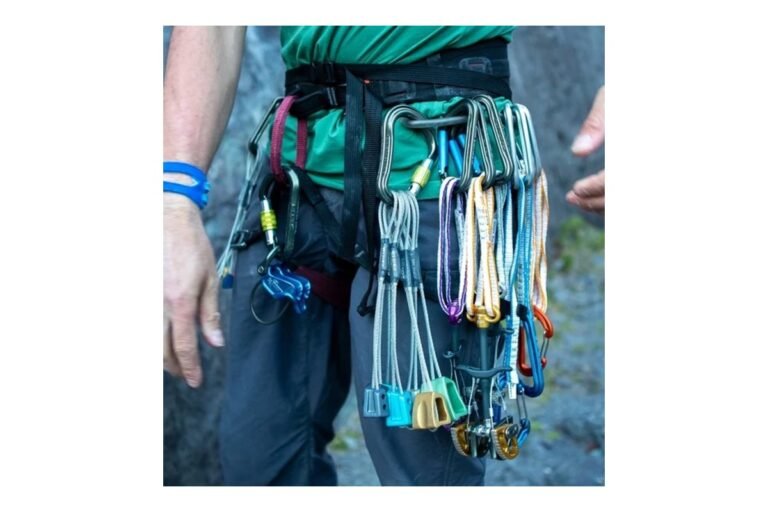
Ice climbing requires a lot of equipment: ice screws, quickdraws, belay devices, and more. Most harnesses have four or more gear loops, sometimes even slots for ice screw holders called “ice clipper slots.”
Reinforced Tie-in Points
The places where you tie the rope or attach your belay device face a lot of friction and wear. Reinforced tie-in points use tougher materials to prevent early damage.
Lightweight, Water-resistant Materials
Cold, wet conditions can make gear heavy and stiff. The best harnesses use synthetic webbing and coatings that keep water out and stay flexible in the cold.
Drop-seat Buckle
When you are high on a climb, removing layers or taking a bathroom break is tough. A drop-seat buckle lets you unclip the back of the harness without taking off your leg loops or hip belt.
Ice Clipper Slots
Many ice climbing harnesses have ice clipper slots—small loops or attachments where you can add ice screw holders. This keeps your screws organized and easy to grab.
Quick Release Buckles
With gloves on, tiny buckles are a problem. Harnesses for ice climbing often use quick-release buckles that work with cold, numb hands.
How An Ice Climbing Harness Differs From Other Harnesses
You might wonder: “Can I use my regular climbing harness for ice?” Sometimes, but you will likely struggle with comfort and gear carrying.
| Feature | Ice Climbing Harness | Sport Climbing Harness | Mountaineering Harness |
|---|---|---|---|
| Leg Loop Adjustment | Fully adjustable | Fixed or minimal | Fully adjustable |
| Number of Gear Loops | 4-6 plus ice clipper slots | 2-4 | 2-4 |
| Material | Water-resistant, flexible | Lightweight, less water resistant | Light, often less padding |
| Comfort for Hanging | High | High | Medium to low |
| Special Features | Ice clipper slots, drop seat | Minimal | Packable, minimal bulk |
Most rock or sport climbing harnesses lack the gear capacity or cold-weather comfort needed for ice. Mountaineering harnesses may be light, but usually lack enough padding and gear loops.
Choosing The Right Ice Climbing Harness
Picking a harness is personal, but some factors matter more for ice climbing:
1. Fit And Comfort
Try on the harness with the clothes you will wear for climbing. Leg loops should snugly fit without pinching, and the waist belt should rest above your hip bones. Check if you can walk, squat, and twist comfortably.
2. Adjustability
Look for harnesses with adjustable leg loops and waist belts. This lets you adapt to different pants or layers. In cold weather, fit can change quickly as you add or remove clothing.
3. Gear Loops And Ice Clipper Slots
Count how many gear loops you need. For multi-pitch or alpine ice, more gear loops and ice clipper slots let you carry all your screws and draws. Some harnesses can add extra slots with clip-in accessories.
4. Weight And Bulk
A lighter harness is easier to move in but may be less padded. If you plan to spend hours hanging or leading hard pitches, choose extra padding. Alpine climbers often accept less comfort for less weight.
5. Durability And Materials
Check for reinforced tie-in points and tough webbing. Look for harnesses that stay flexible in cold weather. Avoid models that get stiff or heavy when wet.
6. Safety Certifications
Check for UIAA or CE certifications. These show the harness meets strict safety standards.
7. Price
Top harnesses range from $60 to $180. More expensive models often have better materials and features, but even mid-range harnesses can be safe and comfortable.
Popular Ice Climbing Harness Brands And Models
Several companies make excellent harnesses for ice climbing. Here are a few popular models:
- Petzl Sitta: Super lightweight, fits well, four gear loops, and two ice clipper slots.
- Black Diamond Technician: Adjustable, four gear loops, two ice clipper slots, good price.
- Arc’teryx AR-395a: Very comfortable, four gear loops, two ice clipper slots, high-end materials.
- CAMP Alpine Flash: Ultralight, good for fast climbs, three gear loops, two ice clipper slots.
- Mammut Ophir 3 Slide: Affordable, adjustable, four gear loops, one ice clipper slot.
Each harness fits a bit differently, so trying before buying is smart.
How To Fit And Adjust An Ice Climbing Harness
A harness only keeps you safe if it fits correctly. Follow these steps:
- Step In Carefully: Hold the harness by the waist belt. Make sure the leg loops are not twisted.
- Waist Belt Position: Pull the waist belt above your hip bones. It should not sit on your stomach or too low on your hips.
- Tighten the Belt: Pull the buckle tight. You should fit two fingers between the belt and your body, but no more.
- Adjust Leg Loops: Buckle or tighten the leg loops. They should be snug but not restrict movement.
- Check the Rise: The vertical strap between leg loops and waist belt (the “rise”) should be comfortable—not pulling up or sagging down.
- Do a Hang Test: Clip into an anchor and sit back. The harness should not shift, pinch, or cut into your body.
- Double-Back Buckles: If your harness has traditional buckles, make sure the webbing is doubled back for safety.
Non-obvious tip: Some harnesses fit differently based on body shape. Women may need harnesses with a different rise or leg loop angle. Try both men’s and women’s models if unsure.
Packing And Organizing Gear On Your Harness
Ice climbing means carrying more gear than most rock climbs. Good organization can be the difference between a smooth climb and a dangerous fumble.
Using Gear Loops And Ice Clipper Slots
- Keep ice screws on ice clipper holders or in front loops for quick access.
- Place quickdraws, slings, and belay devices on side or rear loops.
- Reserve one loop for emergency gear (knife, prusik, etc. ).
Balancing Your Harness
Distribute weight evenly on both sides. Heavy gear on one side can pull the harness and make climbing awkward.
Non-obvious insight: Practice re-racking gear with gloves on at home. Cold hands lose dexterity, and practice helps prevent dropping expensive (or life-saving) gear.
Care And Maintenance For Ice Climbing Harnesses
A harness lasts years with proper care, but ice climbing brings special challenges.
Cleaning
- Rinse harness with cold water after each trip, especially if exposed to road salt or mud.
- Avoid detergents; use only gentle soap if needed.
- Hang to dry away from direct sunlight or heat.
Storage
- Store in a cool, dry place.
- Avoid compressing the harness for long periods (don’t leave it in a backpack all season).
- Keep away from chemicals, oils, and sharp objects.
Inspection
Before every trip:
- Check tie-in points for wear or fraying.
- Look at buckles and stitching for damage.
- Replace the harness if webbing is faded, cut, or stiff.
Most harnesses need replacing after 5-7 years, even with little use. Heavy use may require sooner replacement.
Common Mistakes When Using An Ice Climbing Harness
Mistakes with your harness can have serious results. Watch out for these:
- Loose Waist Belt: If the belt slips over your hips, you can fall out during a fall.
- Twisted Leg Loops: Twists reduce comfort and can damage the harness.
- Not Double-Backing Buckles: Traditional buckles must be doubled back for strength—forgetting is dangerous.
- Carrying Too Much Gear: Overloading gear loops or ice clipper slots can unbalance you or damage the harness.
- Wrong Harness for the Job: Using a summer rock harness in icy conditions can lead to stiff or frozen webbing, and not enough gear loops.
Pro insight: On cold days, check buckles and webbing for ice build-up. Ice can make buckles slip or webbing stiff, reducing safety.
Ice Climbing Harnesses For Women: Special Considerations
Many brands now make harnesses designed specifically for women. These often have:
- A different rise (distance between waist and leg loops) for better fit
- Leg loops that fit wider hips and narrower waists
- Softer materials for comfort
Trying both women’s and men’s models is wise, as body shapes vary greatly. A good fit is safer than choosing based only on gender labeling.
Harness Accessories For Ice Climbing
Some small accessories can make a big difference:
- Ice Clipper Holders: Plastic or metal clips for organizing ice screws.
- Belay Device Keepers: Small loops for keeping your belay device handy.
- Gear Slings: Some climbers add a shoulder sling for extra gear, but this can catch on ice—use with care.
- Knife or Tool Holders: For emergencies.
Choose only what you need. Too many accessories can tangle or add weight.
Harness And Layering: Staying Warm And Safe
Layering is tricky with a harness. Too many layers under the harness can cause pressure points; too few and you get cold. Here’s how to balance:
- Wear a thin, non-bulky base layer under the harness.
- Add insulation above the waist belt, not under it.
- Make sure leg loops fit over your outer pants.
- Avoid thick belts or hard objects under the harness.
If you start cold, you can always add layers on your upper body. Never loosen your harness to fit more clothes—this can be unsafe.
Harnesses For Mixed And Alpine Ice Climbing
Not all ice is the same. Mixed climbing means using both ice and rock, while alpine ice often involves long approaches and tough weather.
- Mixed climbing harnesses: Often lighter, with fewer gear loops, since you may also need to squeeze through tight spaces or climb rock.
- Alpine harnesses: Focus on low weight, packability, and quick on/off, sometimes at the cost of comfort.
For long, technical climbs, a slightly heavier but more comfortable harness is worth the extra grams.
Harness Innovations: What’s New?
Recent years have seen smart updates in ice climbing harness design:
- Laminated construction: Some harnesses use layers of thin materials for better weight distribution and flexibility.
- Magnetic buckles: Easier to use with gloves, but still rare.
- Removable ice clipper slots: Lets you customize gear organization.
Some harnesses even use Dyneema or other high-tech fibers for lighter weight and more durability. Before buying, check if new tech matches your needs or just adds cost.
Safety Standards And Testing For Ice Climbing Harnesses
All good harnesses are tested to meet safety standards. Look for labels:
- UIAA: The International Climbing and Mountaineering Federation. Their standard (UIAA 105) requires a harness to hold at least 15kN (about 3,372 pounds) of force.
- CE: The European Conformity mark. CE-certified harnesses meet strict European safety rules.
Do not use harnesses without one of these marks. Homemade or non-certified harnesses are unsafe.
Real-world Example: Harness Failure
In 2019, a climber in the Alps fell because their old harness webbing snapped. The harness was over 10 years old, showed sun fading, and had been left in a hot car. This accident shows how important it is to check harness age and condition—materials break down over time, even if they look fine.
Comparing Top Ice Climbing Harnesses
To help you see the differences, here’s a comparison of three top models:
| Model | Weight | Gear Loops | Ice Clipper Slots | Price | Best For |
|---|---|---|---|---|---|
| Petzl Sitta | 270g | 4 | 2 | $180 | Advanced, alpine |
| Black Diamond Technician | 376g | 4 | 2 | $90 | All-around |
| Arc’teryx AR-395a | 395g | 4 | 2 | $160 | Comfort, long routes |
All three offer the essentials, but weight, comfort, and price vary.
Harness Setup For Different Types Of Ice Climbing
Ice climbing is not just one thing. Harness needs change based on the style:
Waterfall Ice
- Needs many gear loops and ice clipper slots
- Comfortable for long hangs
- Extra padding helps in cold
Alpine Ice
- Lightweight, packable harness
- Fewer gear loops (carry some gear on a sling)
- Quick on/off for changing layers
Mixed Climbing
- Streamlined, not too bulky
- Leg loops that allow high steps and flexibility
- May use fewer ice screws, more rock gear
Top Roping
- Almost any harness works, but comfort is key for long belays
Non-obvious tip: If you switch styles often, choose a harness with removable ice clipper slots and adjustable leg loops for versatility.
Renting Or Buying: What’s Best For Beginners?
If you are new to ice climbing, renting is a good way to try different harnesses. But for regular climbing, buying makes sense.
Rent if:
- You climb once or twice a year
- You want to try different harnesses before buying
Buy if:
- You climb often
- You want a perfect fit (rental harnesses are often worn out)
- You want to customize gear organization
If you buy, visit a specialty store where you can try harnesses with your own clothing.
Environmental And Ethical Concerns
Some harnesses use materials that are better for the environment. Look for:
- Bluesign® certified fabrics (safe for workers and planet)
- Recycled nylon or polyester
- Brands with good repair/recycle policies
Buying a durable harness and taking care of it is also a good way to reduce waste.
Ice Climbing Harnesses For Kids
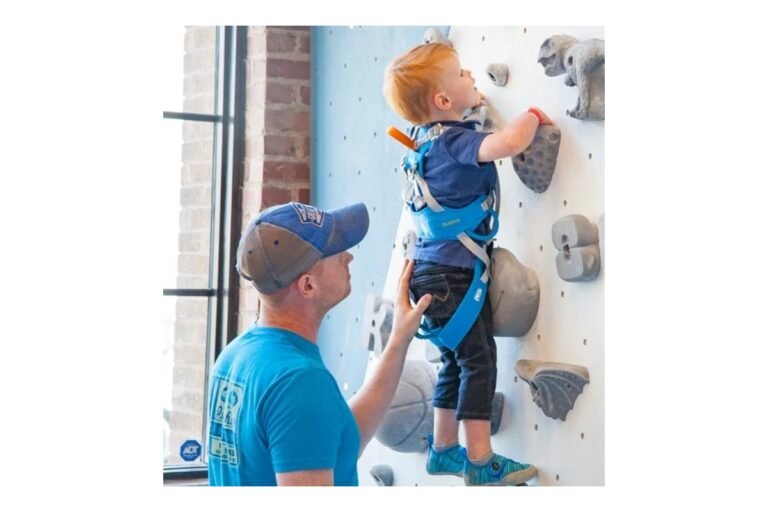
Kids’ harnesses are smaller but should meet the same safety standards. Some models have full-body designs for extra security in small climbers. Always check fit and adjustability, as kids grow quickly. Never use an adult harness for a child unless it fits perfectly.
Where To Learn More
For more details about harnesses and climbing safety, the Wikipedia page on climbing harnesses is a good starting point.
Frequently Asked Questions
What Makes An Ice Climbing Harness Different From A Rock Climbing Harness?
An ice climbing harness is designed for cold, wet, and sharp conditions. It has more gear loops, ice clipper slots for screws, and uses materials that stay flexible when frozen. Adjustable leg loops fit over thick clothing. Rock harnesses may lack these features, making them less suitable for ice.
How Do I Know If My Harness Is Still Safe To Use?
Check for frayed webbing, faded colors, damaged stitching, or cracked buckles. If the harness is over 5-7 years old, or has been in a serious fall, replace it. Always check for UIAA or CE certification marks.
Can Women Use Men’s Harnesses For Ice Climbing?
Yes, if it fits well. However, women’s harnesses often have a different shape (rise and leg loop angle) for comfort. Try both types and choose the one that fits best and feels secure.
How Should I Clean And Store My Ice Climbing Harness?
Rinse with cold water after use, avoid detergents, and air dry away from sunlight. Store in a cool, dry place, not compressed in a pack. Keep away from chemicals, oils, or sharp objects.
Is It Safe To Buy A Used Ice Climbing Harness?
It’s risky. You can’t always know its history or hidden damage. If you must buy used, check for certifications, age, wear, and test all buckles and webbing. When in doubt, buy new for full safety.
Ice climbing is thrilling and demands respect for safety. The right harness is your lifeline on the ice. Take the time to find the perfect fit, learn its features, and check it often. With the right gear and knowledge, you can climb with confidence, focus on the ice, and enjoy the adventure.