How to Wash a Climbing Rope Without Damaging It
Your rope is the one piece of gear holding you. Dirt, grit and salt work into the fibers every time you climb, and over time they cut the rope from the inside. Washing it the wrong way can do the same damage in one afternoon.
A climbing rope is mostly nylon. The core carries the load, and the sheath protects the core from abrasion. When grit gets between the sheath strands, it acts like sandpaper every time the rope bends over a carabiner.
Here’s the part most guides get wrong: the biggest killer isn’t dirt. It’s heat and chemicals. Hot water, a hot dryer, bleach or strong detergent all attack nylon fibers. A rope washed in cold water and air-dried can last for years. Hot water and machine drying can damage the fibers.
This guide walks you through how to wash a climbing rope without damaging it. You’ll get numbered steps, a drying table, the mistakes to avoid, and clear signs it’s time to retire the rope instead.
Key Takeaways
- What a Climbing Rope Is Made Of and Why Washing Matters: Climbing ropes are built from nylon fibers, usually a braided sheath over a twisted core.
- Types of Rope and How to Choose What to Wash: Not every rope needs the same treatment.
- A 60-Second Check Before You Wash: Before you wash anything, check if the rope is even worth washing.
- Dynamic vs Static Ropes: What People Confuse: People mix up dynamic and static ropes all the time. They look similar and both are nylon.
- What Washing a Rope Can’t Do: A wash won’t restore a worn rope. It can’t bring back strength the fibers have already lost.
- When to Retire It and When to Get a Pro: Ropes are life-safety gear.
Recommended Products for Rope Care




What a Climbing Rope Is Made Of and Why Washing Matters
Climbing ropes are built from nylon fibers, usually a braided sheath over a twisted core. The sheath takes the abuse. The core takes the load. Both matter, and both collect dirt.
Nylon is strong but sensitive. It loses strength when exposed to heat, UV light, acids and bleach. That’s why the wrong cleaning method is worse than no cleaning at all.
Dirt does real harm too. Grit embedded in the sheath grinds against the core every time the rope runs through a belay device. Salt from sea cliffs speeds up wear.
Dynamic ropes are made to the UIAA 101 standard, which sets requirements for strength, impact force and number of falls held. A rope that meets it’s built for climbing falls, not for harsh cleaning.
You don’t need to wash a rope often. Once or twice a year is plenty for most climbers. Wash it more if it’s visibly grimy, stiff, or if it’s been in salt water.
Types of Rope and How to Choose What to Wash
Not every rope needs the same treatment.
Dynamic ropes stretch and absorb falls. They’re for lead climbing and top-roping. These need the gentlest care because the core does the energy absorption.
Static ropes barely stretch. They’re for rappelling, hauling and rigging. They tolerate a bit more handling but still hate heat and chemicals.
Half ropes and twin ropes are thinner and used in pairs. They get dirty faster because they’re thinner and pick up more grit per meter.
| Rope type | Best use | Wash frequency | Care note |
|---|---|---|---|
| Dynamic single | Lead, top-rope | 1–2 times a year | Gentlest handling, most stretch |
| Static | Rappel, rigging | 1–2 times a year | Tolerates more, still no heat |
| Half / twin | Alpine, trad | As needed | Thin ropes show dirt fast |
| Gym rope | Indoor only | Every few months | Chalk and grime build up fast |
A cheaper rope is fine for gym use and top-roping. You don’t need a premium rope for a beginner. Spend the money on a good belay device and a helmet instead.
If you climb outdoors on rock, buy a rope rated for the falls you’ll take. For most single-rope climbing, a 9.8 mm to 10.2 mm dynamic rope works well.
A 60-Second Check Before You Wash
Before you wash anything, check if the rope is even worth washing. A worn rope won’t get safer with a bath.
- Run your hand along the whole rope, feeling for flat spots, soft spots or lumps.
- Look at the sheath. If you can see the white core through it in more than one or two spots, the rope is done.
- Bend a section sharply. If the sheath slides and bunches, that’s a sign of core damage.
- Check the ends. Frayed or melted ends mean it’s time to re-cut or retire.
- Smell it. A burnt or chemical smell means heat or chemical damage.
If any of these checks fail, stop. Don’t wash a damaged rope. Retire it and buy a new one.
Dynamic vs Static Ropes: What People Confuse
People mix up dynamic and static ropes all the time. They look similar and both are nylon. But they behave very differently, and using the wrong one is dangerous.
| Feature | Dynamic rope | Static rope |
|---|---|---|
| Stretch | High, absorbs falls | Very low |
| Main use | Lead and top-rope climbing | Rappel, hauling, rigging |
| Fall absorption | Yes, by design | No |
| Wash care | Very gentle | Gentle |
| Drying time | 24–48 hours | 24–48 hours |
| Cost | Higher | Lower |
Choose dynamic for any climbing where you might fall. Choose static for rigging, rescue and rappelling where you want almost no stretch. Never lead climb on a static rope. The lack of stretch sends huge force into you and your gear.
What Washing a Rope Can’t Do
A wash won’t restore a worn rope. It can’t bring back strength the fibers have already lost. It can’t fix a cut sheath or a damaged core.
A gentle wash removes dirt, and that’s it. It doesn’t add strength or extend a rope past its safe life.
Rope makers publish lifespan guidance, not a fixed cutoff. Most say to retire a rope based on use, visible damage and history, not on age alone.
When to Retire It and When to Get a Pro
Ropes are life-safety gear.
Retire a rope if:
- The core is visible through the sheath in more than one spot.
- It has held a big fall and feels stiff or flat.
- It shows cuts, glazing, or a burnt smell.
- It’s been exposed to bleach, acid or other harsh chemicals.
- It was in a serious fall where you don’t know the forces involved.
Follow the maker’s own guidance on lifespan. Check the rope’s label or the maker’s website for its retirement rules.
For anything beyond washing and basic inspection, talk to a certified instructor or guide. Rope inspection after a hard fall, re-slinging, or deciding if a rope is still safe is a job for someone trained to do it. A blog can’t feel your rope.
How to Wash and Care for Your Rope
Washing a rope is simple if you keep it cool and gentle. The key is cold water, mild soap and no machines that tumble or heat.
- Fill a bathtub or large bucket with cool water.
- Add a small amount of mild, non-detergent soap. About one tablespoon per 4 liters (1 gallon) is enough.
- Coil the rope loosely and place it in the water.
- Let it soak for 30 to 60 minutes.
- Gently knead the rope with your hands to work out dirt. Don’t scrub or twist.
- Rinse in cool water until no soap remains. Repeat if the water is still dirty.
- Lay the rope flat or hang it in a loose coil, out of direct sun.
- Let it air-dry for 24 to 48 hours, turning it once.
Never use a washing machine unless the maker says it’s fine. Never use a dryer. Heat is the enemy.
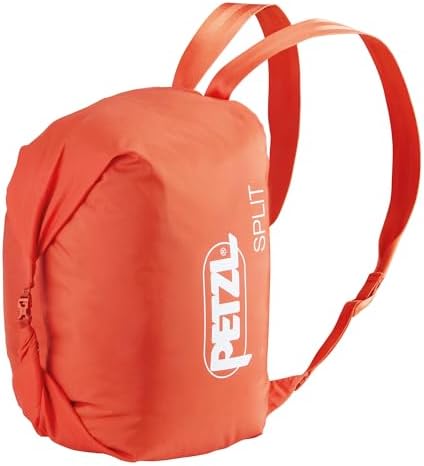
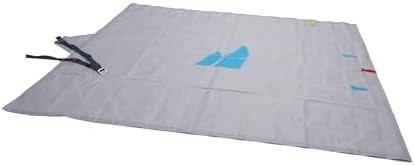
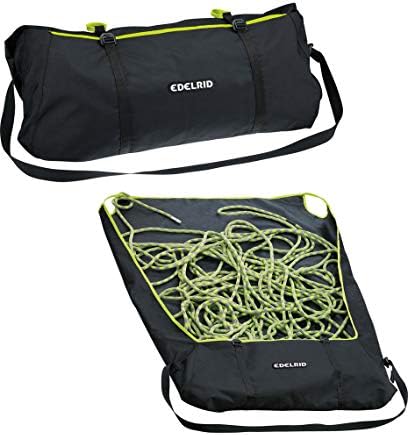
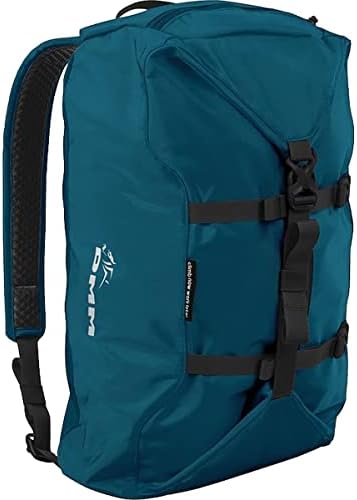
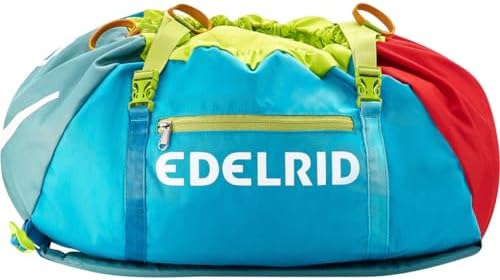
For storage, keep the rope in a cool, dry place away from sunlight, chemicals and sharp edges. A rope bag works well. Don’t store it next to bleach, battery acid or solvents.
If you want the maker’s own care rules, check the rope’s label or the maker’s website for its washing and storage guidance.
Related guides
FAQ
Can I wash my climbing rope in a washing machine?
Only if the maker says it’s allowed. Most makers say no. A machine’s tumbling and heat can damage the fibers. Hand washing in cool water is always safer.
What soap should I use on a climbing rope?
Use a mild, non-detergent soap. Avoid bleach, fabric softener and strong cleaners. A tiny amount goes a long way.
How long does a climbing rope take to dry?
Most ropes air-dry in 24 to 48 hours. Humidity and rope thickness change the time. A thin half rope dries faster than a thick single rope.
Can I dry my rope in a dryer?
No. Heat damages nylon. Air-dry it flat or in a loose coil, away from direct sun.
How often should I wash my climbing rope?
Once or twice a year is enough for most climbers. Wash it sooner if it’s visibly dirty, stiff, or has been in salt water.
Does washing a rope make it weaker?
A gentle cold-water wash doesn’t weaken a rope. Hot water, bleach and harsh chemicals do. Wash gently and it’s fine.
Can I use dish soap on my rope?
A mild dish soap can work if it has no bleach or strong degreasers. Check the label first. When in doubt, use a soap made for technical gear.
How do I know if my rope is too old?
Age alone doesn’t retire a rope. Look at use, damage and history. Follow the maker’s guidance. If you’re unsure, get it checked by a certified instructor.
Can I wash a rope with a cut sheath?
No. A cut sheath means the core may be damaged. Retire the rope instead of washing it.
Does salt water damage a climbing rope?
Salt water leaves abrasive residue that can wear the fibers. Rinse the rope in fresh cool water after sea cliff climbing.
The Bottom Line
Wash your rope in cool water with a little mild soap, then air-dry it out of the sun for a day or two. That’s the whole job. Skip the machine, skip the heat, skip the bleach.
The single most important takeaway: inspect the rope before you wash it. A wash can’t save a worn rope. If the sheath is cut or the core shows through, retire it and buy a new one. Your rope is what holds you, so treat it that way.
Dirt isn’t the enemy. Most of what shortens a rope’s working life is abrasion and UV, and neither one rinses out. A rope that has taken a season of top-rope laps on rough rock is older than its calendar age suggests.
So the wash is maintenance, not rescue. If the sheath feels fuzzy or glazed, or you can see flat spots when you run it through your fingers, the wash will make it look better without making it stronger.
When in doubt, compare it against a rope you trust. If the difference is obvious, replace it.